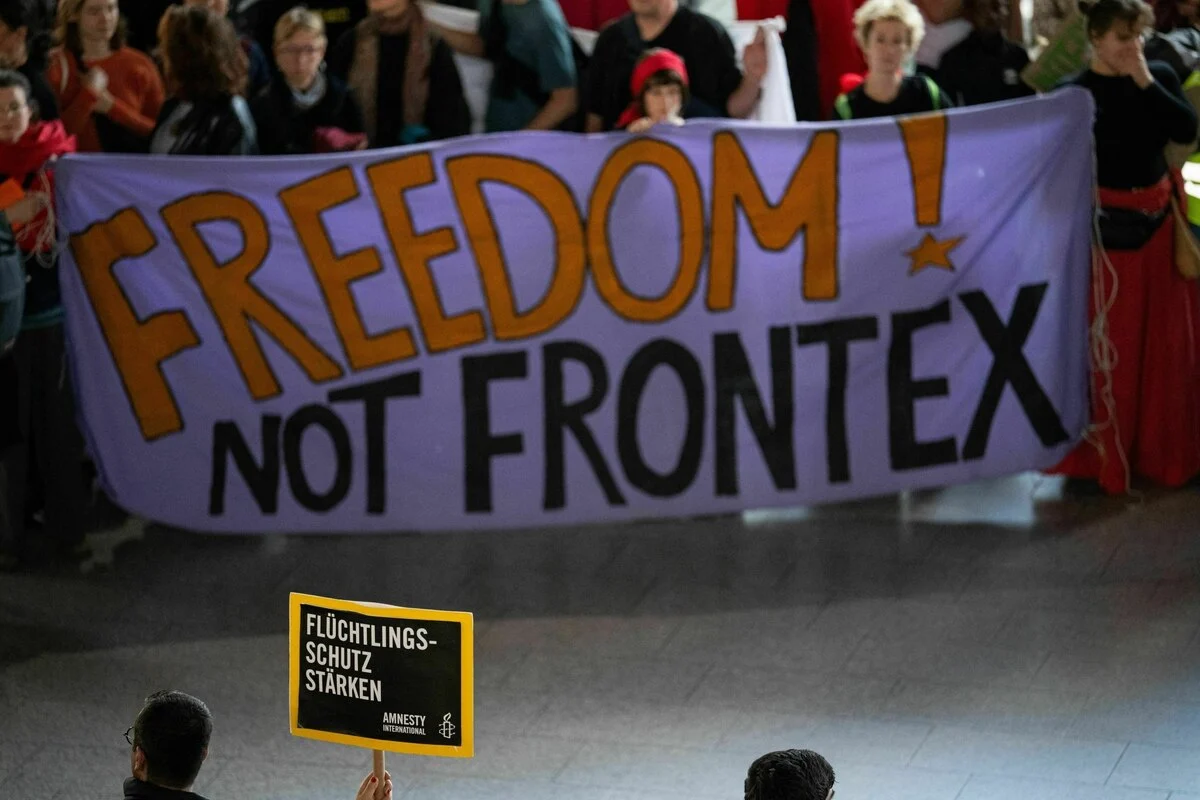
In a significant escalation of the ongoing struggle over urban housing, a broad coalition of over 200 prominent figures from academia, the trade union movement, and the cultural sector has launched a formal challenge against the German federal government. The group is calling on the coalition in power to respect the integrity of the Basic Law (Grundgesetz) and to refrain from enacting a proposed "blocking law" that would effectively neutralize Article 15 of the constitution.
Article 15, a long-dormant provision of the German constitution, allows for the socialization of land, natural resources, and means of production. While it has never been applied in the history of the Federal Republic, it has recently moved from a theoretical legal curiosity to the epicenter of a fierce political debate regarding the future of Berlin’s housing market.
The Context: Berlin’s Housing Crisis and Political Will
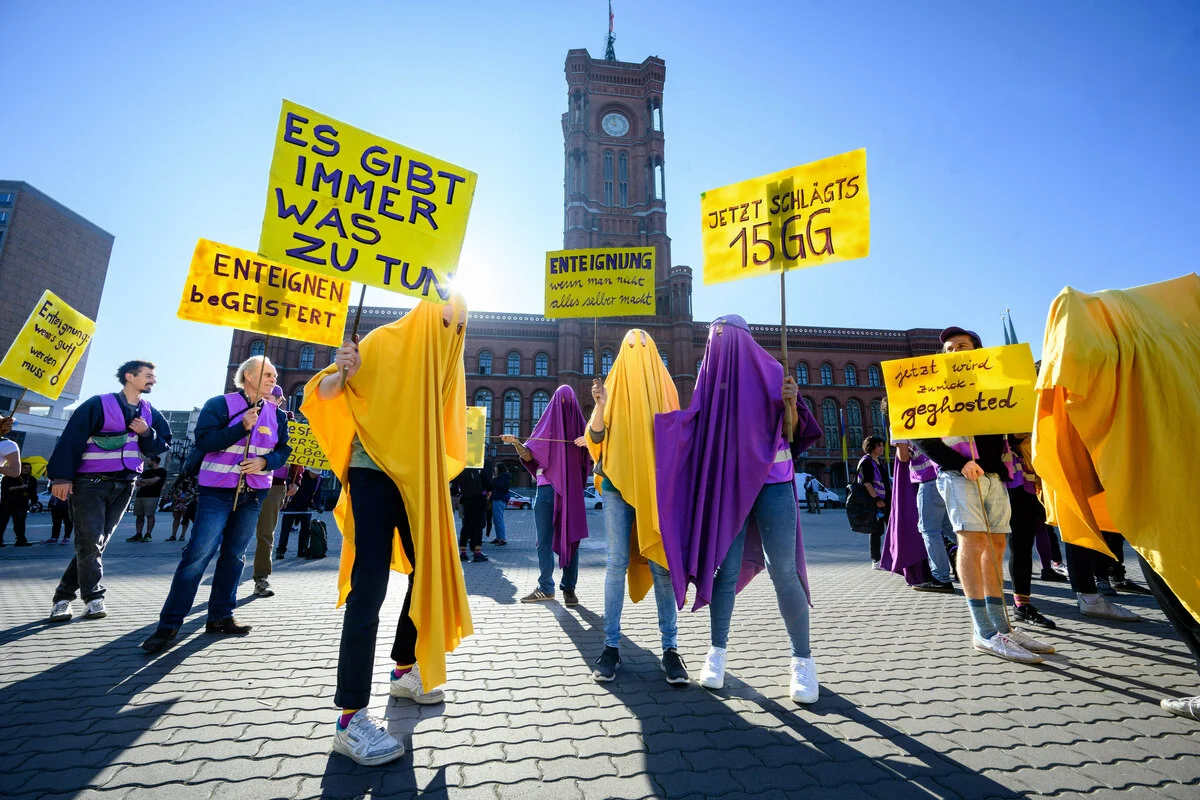
The controversy is deeply rooted in the socio-political climate of Berlin. As the city navigates a housing crisis defined by soaring rents and the dominance of large private real estate corporations, a strong movement has emerged demanding the transfer of these housing stocks into public ownership.
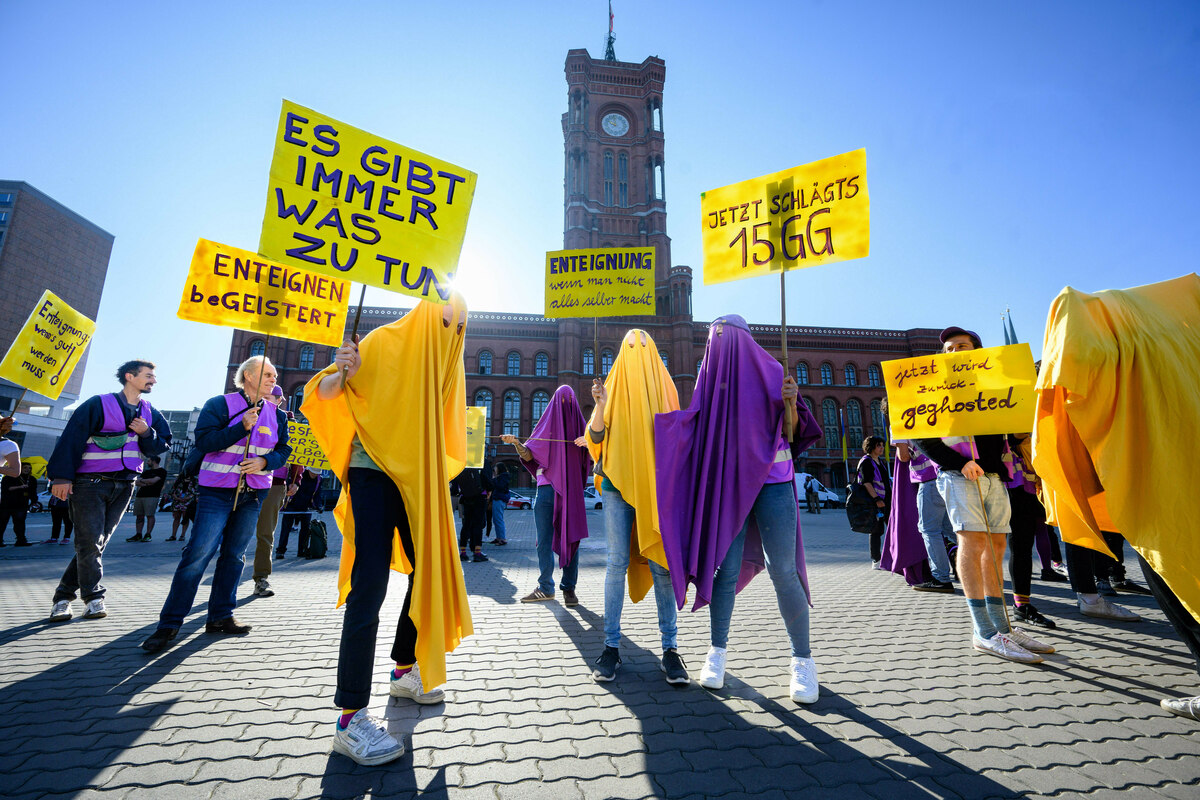
In recent exploratory talks for a potential red-red-green coalition government in Berlin, the parties involved reached a consensus on a path forward. The plan involves the socialization of large private housing companies, with an exemption for firms holding fewer than 10,000 units. Under the proposed framework, housing stocks exceeding this threshold would be transferred into community ownership, subject to compensation. While initial grassroots proposals suggested a lower threshold of 3,000 units, the compromise reflects the political realities of negotiating with the SPD. The goal is to produce a binding legislative framework by mid-2028.
Chronology: From Referendum to Federal Obstruction
The movement gained significant momentum in 2021 when a majority of Berliners voted in a referendum to expropriate private housing companies owning more than 3,000 apartments. This democratic mandate sent shockwaves through the political establishment.
- 2021: The Berlin referendum signals overwhelming support for the socialization of corporate housing providers.
- July 2024: The federal government, then a coalition led by the CDU and SPD, announces its intention to preempt the Berlin plan by drafting a federal "blocking law." This move is designed to prevent states from executing socialization plans that interfere with national economic policy.
- Present Day: The open letter from the 200-plus coalition of experts and public figures marks the most unified pushback against this federal intervention, arguing that the federal government is overstepping its constitutional boundaries.
The Legal and Ethical Argument: Why the Blocking Law is Contested
The signatories of the open letter, including prominent economist Isabella Weber, Verdi union leader Frank Werneke, IG BAU chairman Carsten Burckhardt, and acclaimed actors like Corinna Harfouch and Katharina Thalbach, argue that the proposed blocking law is not merely a policy dispute, but a constitutional violation.

The Constitutional Argument
The letter posits that the federal government is attempting to circumvent the necessary two-thirds majority required for a constitutional amendment. By using a simple law to block a state-level policy, they argue, the federal government is effectively deactivating a portion of the constitution without the democratic mandate to do so.
The Historical Context of Article 15
The debate also touches upon the "founding consensus" of 1949. The signatories remind the public that the Basic Law was drafted in the immediate aftermath of the Second World War. It was born from the direct experience of the abuse of economic power within the Nazi war economy and the systemic expropriation of Jewish citizens.
Economist Isabella Weber notes that the Allied powers, during the 1945 Potsdam Conference, reached an explicit agreement that the concentration of corporate power had to be dismantled to ensure the restoration of democracy. Consequently, the authors argue that Article 15 is not a radical outlier but a fundamental component of the "antifascist orientation" of the German constitution. It distinguishes between personal property and "economic power resources," providing future generations the tools to organize parts of the economy in the interest of the common good.

Official Responses and Administrative Stagnation
Despite the mounting pressure, the federal government remains tight-lipped regarding the specific mechanics of the proposed blocking law. When questioned by the press, representatives from the Federal Ministry of the Interior, currently under the direction of the CDU, stated that "coordination processes regarding the project within the federal government are ongoing."
Meanwhile, the SPD’s position remains internally conflicted. While Federal Justice Minister Stefanie Hubig has expressed skepticism regarding the efficacy of socialization, she has simultaneously acknowledged that a federal blocking law would be "constitutionally non-trivial," suggesting that the government is aware of the significant legal hurdles they face should the law be challenged in the Federal Constitutional Court in Karlsruhe.
Friedrich Merz (CDU) has remained firm, reaffirming his commitment to blocking the Berlin initiative following the most recent state election. However, the lack of clarity on the technical drafting of the law suggests that the federal government is struggling to find a path that does not invite an immediate and likely successful constitutional challenge.

Implications: The Future of Democracy and Property
The implications of this standoff extend far beyond the city limits of Berlin. At its core, the debate asks a fundamental question: Do local democratic majorities have the right to organize their economy in a way that prioritizes human needs over capital investment?
The signatories of the open letter contend that a federal blocking law sends a dangerous signal to the electorate: that democratic majorities are irrelevant when they run counter to established economic interests. By attempting to override the 2021 referendum, the federal government risks alienating a significant portion of the population that feels the current housing model has failed to provide affordable living conditions.
The "Anti-Fascist" Economic Argument
The reference to the historical origins of the Basic Law adds a layer of gravity to the debate. By invoking the post-1945 consensus, the proponents of socialization are reframing the housing crisis not as a simple market failure, but as a structural threat to the democratic order. They argue that the concentration of massive amounts of land and housing in the hands of a few private entities—some of which are international investment firms—is exactly the type of "abuse of economic power" the framers of the Basic Law intended to prevent.

Conclusion: A Turning Point for Urban Policy
As the federal government continues its "coordination processes," the pressure from civil society continues to mount. The coalition behind the open letter is betting that the public will not accept the erosion of their democratic rights, especially when those rights are enshrined in the constitution itself.
Whether the federal government proceeds with a "blocking law" or decides to navigate the complex legal landscape of Article 15, the outcome will define the limits of state power in Germany for decades to come. If the socialization plan survives the legal challenges, it could serve as a blueprint for other German cities struggling with similar crises. Conversely, if the federal government succeeds, it will likely mark a significant shift in the interpretation of property rights in Germany, potentially permanently neutering the democratic tools provided by the post-war constitution.
Ultimately, the battle for Article 15 is a test of the German democratic system’s ability to respond to the anxieties and needs of its citizens. The outcome remains uncertain, but the debate has firmly placed the question of "who owns the city" at the very center of the national political agenda. As the clock ticks toward the 2028 legislative deadline, all eyes will be on the Federal Constitutional Court, which will likely serve as the final arbiter of this historic struggle.