By MDR WISSEN (Enriched Edition)
In an era defined by rapid demographic shifts and an aging global population, the quest for "healthy aging" has moved beyond the simple absence of disease. It is no longer just about living longer; it is about maintaining mental acuity, independence, and a sharp, engaged mind well into the later chapters of life. A groundbreaking international study, recently published in the Journal of Epidemiology and Community Health, provides compelling evidence that the key to preserving brain function may lie not in a pharmacy, but in our calendars.
The research, involving nearly 58,000 participants across 24 countries, suggests that social activity is a powerful, modifiable factor in maintaining memory and cognitive health. For regions like Central Germany—where demographic aging is particularly pronounced—these findings offer a roadmap for how societies can better support their elderly citizens.
Main Facts: The "Use It or Lose It" Principle
At the heart of the research, led by a team from Shandong University in China, is a clear, dose-dependent relationship between social involvement and cognitive preservation. The study analyzed data from five major long-term studies spanning the United States, England, China, Mexico, and Europe. Over an average follow-up period of six years, researchers tracked how various social engagements influenced cognitive performance.
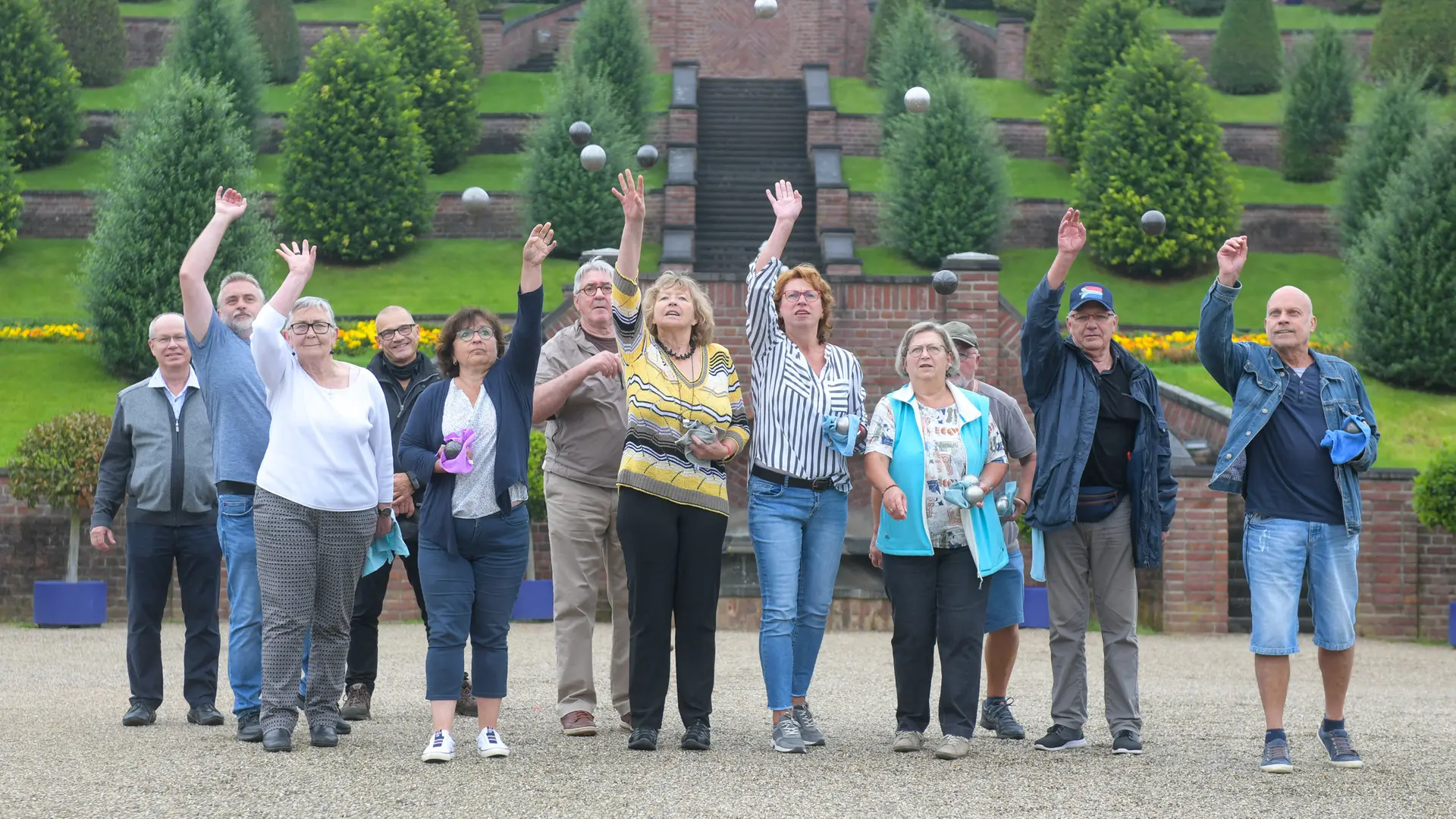
The results were striking: individuals who remained socially active consistently outperformed their isolated peers in memory and executive function tests. The benefits were cumulative. While even a single form of social participation showed positive effects, the benefits intensified with each additional commitment. Those involved in three or more types of social activities demonstrated the most significant improvements in cognitive performance over time.
"The more, the merrier" appears to be more than just a social platitude; it is a biological strategy for brain maintenance. The study found that engaging in diverse activities—ranging from volunteer work to sports clubs—stimulates the brain in ways that sedentary, isolated lifestyles do not.
Chronology of the Research
The study represents a massive synthesis of global data, reflecting a multi-year effort to understand the mechanics of the aging brain.
- Initial Data Collection: The study integrated longitudinal datasets, allowing researchers to observe changes in cognitive health over several years. By focusing on 57,793 participants, the researchers gained a high degree of statistical power.
- The Testing Phase: Participants underwent rigorous cognitive assessments, including memory recall, numeracy, and executive function tests—such as the ability to categorize objects (e.g., naming animal species) or solve complex, multi-step logical problems.
- Analysis of Social Variables: Researchers categorized social engagement into distinct buckets: formal volunteering, membership in clubs (specifically sports), participation in educational courses, and caregiving roles.
- Correlation Mapping: The team mapped these activities against the decline (or lack thereof) in cognitive scores, adjusting for baseline health and demographic variables to ensure the findings were robust.
- Publication: The findings were finalized and published in the Journal of Epidemiology and Community Health, providing a definitive look at how social connectivity acts as a "cognitive reserve."
Supporting Data: Why Some Activities Matter More
The study highlights that not all social activities are created equal. While many forms of human interaction are pleasant, the activities that demand sustained focus and social coordination proved most beneficial.

The Power of Structured Engagement
- Volunteerism and Sport Clubs: These areas showed the strongest positive associations with cognitive health. Both require consistent commitment, physical movement (in the case of sports), and high-level social coordination.
- Continuing Education: Enrolling in courses and workshops provided a significant "cognitive workout," requiring participants to process new information and maintain mental flexibility.
- Childcare: Surprisingly, the responsibility of caring for children was linked to better cognitive outcomes, likely due to the high level of mental alertness and multitasking required in the role.
Conversely, the data for political or religious participation was less clear. While these activities foster community, they did not show a universally significant, direct impact on the cognitive test scores of the participants in this specific study. This suggests that the type of mental stimulation provided by an activity—such as the strategic planning required in a sports club or the organizational tasks of volunteering—may be the true driver of cognitive protection.
The Biological and Psychological Mechanisms
Why does talking to a neighbor or joining a hiking group protect the brain? The researchers point to several overlapping theories.
1. The "Use It or Lose It" Hypothesis
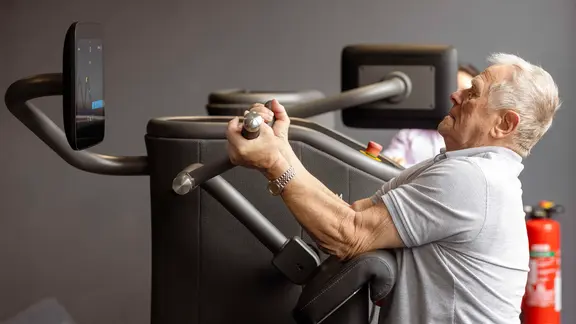
The brain is a dynamic organ. When we engage in complex social interactions—organizing a meeting, navigating a disagreement, or learning the rules of a new sport—we force our brains to process, retrieve, and synthesize information. This constant, moderate-to-high-level stimulation strengthens neural pathways, essentially acting as a "gym for the brain."
2. The Antidote to Stress and Loneliness
Social isolation and chronic loneliness are now recognized as major risk factors for cognitive decline and neurodegenerative diseases. Isolation triggers a physiological stress response that can lead to inflammation, which in turn damages brain tissue. Conversely, active social participation fosters a sense of belonging, purpose, and self-worth. These positive emotional states reduce cortisol levels, allowing the brain to function in a more stable, protected environment.
3. Cognitive Reserve
Higher levels of social engagement build "cognitive reserve." This is the brain’s ability to improvise and find alternative ways of getting a job done. Even if parts of the brain are affected by aging, a high cognitive reserve allows an individual to maintain function by relying on alternative neural networks forged through years of active, social life.
Implications for Central Germany and Beyond
For regions such as Saxony, Saxony-Anhalt, and Thuringia, these findings are of urgent importance. Central Germany is currently grappling with a significant demographic shift: as the "Baby Boomer" generation enters the retirement phase, the proportion of elderly residents is rising rapidly.
The challenge is twofold: how to maintain the quality of life for the elderly and how to keep these individuals independent for as long as possible. The study suggests that policy interventions should focus on the "social infrastructure" of rural areas.
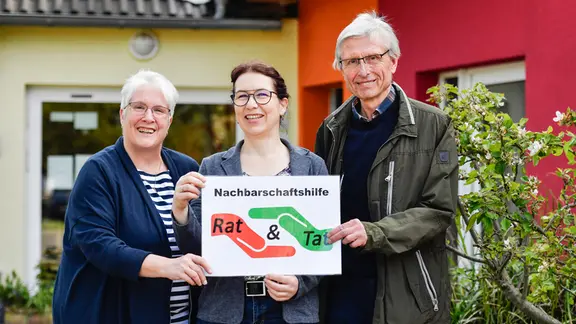
- Investing in Community Hubs: Rather than just focusing on medical care, municipalities should invest in community centers, sports clubs, and neighborhood networks. These are, in effect, preventative health measures.
- Generation-Bridging Projects: The study highlights that the benefits are particularly pronounced in rural, potentially isolated areas. By creating spaces where different generations interact, we can foster the social environments necessary to preserve cognitive health.
- Targeting the Vulnerable: The study found that the benefits were most pronounced in women, people living alone, and those in rural areas. Tailored programs for these specific demographics could provide the highest "return on investment" for public health.
Limitations and Future Outlook
While the findings are compelling, the researchers are careful to note that they do not definitively prove "causality." That is, it is difficult to determine with 100% certainty whether social activity prevents decline, or whether people who are already more cognitively sharp are simply more likely to seek out social opportunities.
Furthermore, much of the data relies on self-reported activity levels. Despite these limitations, the strength of the sample size and the consistency of the findings across 24 countries make this a landmark piece of research.
Final Conclusion
The message for the aging population is clear: the most effective way to keep your mind sharp is to keep your life full. Whether it is through an amateur sports club, a local volunteer group, or a neighborhood book club, the act of staying connected is a vital component of medical health.
As the population of Central Germany continues to age, the integration of these social activities into the fabric of daily life will become a cornerstone of public health policy. By fostering a culture that encourages older adults to remain active, involved, and connected, we do not just support their social well-being—we actively protect the most vital asset they have: their minds.
The evidence is in: to keep the brain young, keep the person social.