By International Correspondent
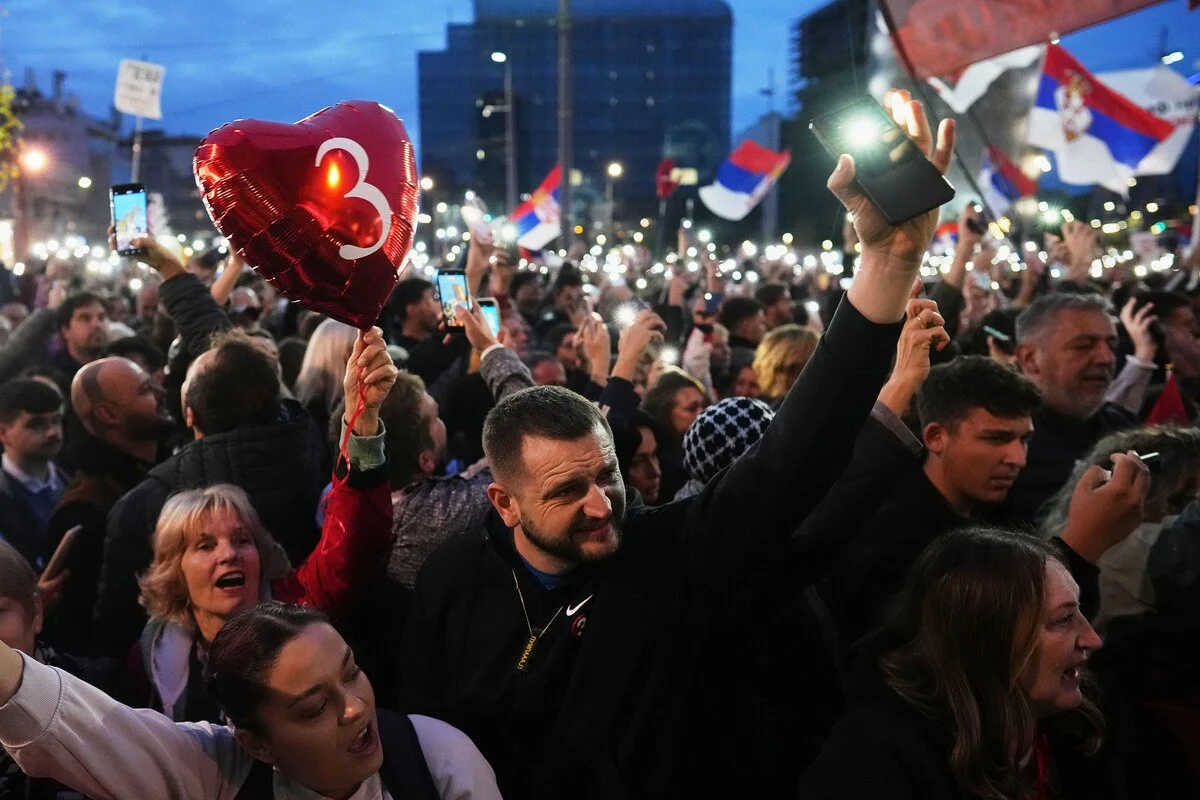
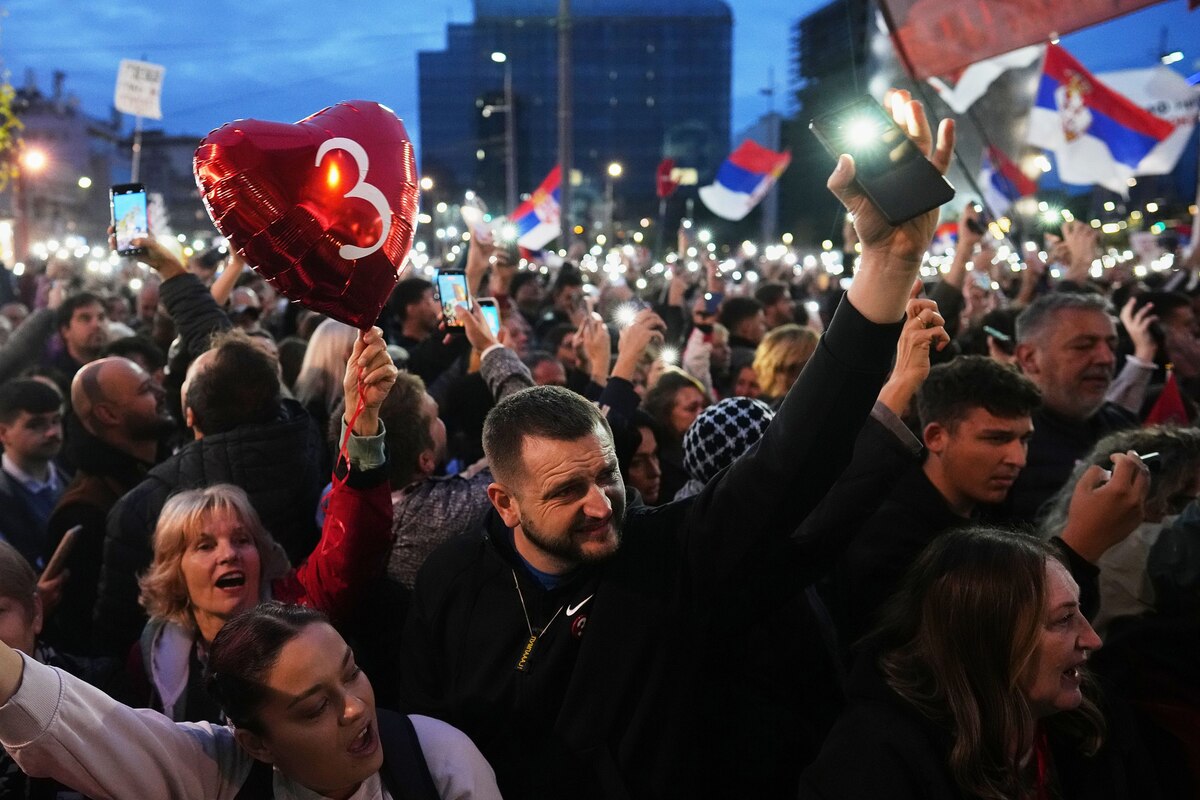
In an atmosphere charged with anticipation and simmering unrest, the political landscape of Serbia is bracing for a seismic shift. Just days before the nation heads to the polls for a high-stakes parliamentary election, the streets of Belgrade have become the epicenter of a massive grassroots movement. On Thursday evening, an estimated 150,000 demonstrators—led largely by the youth-driven "Student List"—marched through the capital to demand an end to the long-standing rule of President Aleksandar Vučić and his Serbian Progressive Party (SNS).
The massive turnout on the Slavija Square serves as a stark barometer of public sentiment, signaling that the status quo, which has held firm for over 14 years, is under unprecedented pressure. As the country approaches the ballot box, the conflict between an entrenched populist establishment and a nascent, hope-filled opposition has turned the election into a referendum on the future of Serbian democracy.
Main Facts: The Anatomy of a Movement
The current political volatility was not born overnight. It emerged from the wreckage of a national tragedy: the November 2024 collapse of a station roof in Novi Sad, which claimed the lives of 16 people. What began as a localized demand for accountability and justice regarding the structural failure quickly metastasized into a broader societal indictment of the ruling elite.
The "Student List," a coalition movement propelled by university students, has successfully tapped into deep-seated frustrations regarding systemic corruption, the degradation of the rule of law, and a sense of stagnation that many citizens feel has gripped the nation for over a decade. For supporters like 47-year-old Marija Nedeljkovic Radic, the movement represents more than just a political shift; it represents a psychological reclamation of the country. "I am here because these young people have finally given me hope that it is possible to live in a normal country," she told reporters. "For the first time in my life, I truly believe change is within reach."
The electoral stakes are uniquely complicated by the tactical maneuvers of Aleksandar Vučić. Having resigned from his post as President in September after nine years in the office, he is now campaigning to return to the role of Prime Minister—a position he held previously. This strategic pivot, aimed at consolidating executive power, has become a central point of contention for his opponents, who view it as a calculated attempt to circumvent democratic norms.
Chronology: From Tragedy to Political Uprising
The trajectory of this election cycle can be traced through several critical junctures:
- November 2024: The collapse of the railway station canopy in Novi Sad acts as a catalyst for public outrage. The perceived negligence in maintenance and the subsequent lack of accountability from government officials ignite the first wave of protests.
- Late 2024: The protests, initially focused on the tragedy, evolve. Demands for local accountability expand into a national movement targeting the SNS government’s long-term governance, accusations of state-sponsored media control, and the erosion of independent institutions.
- September 2025: Aleksandar Vučić formally resigns as President, triggering the constitutional necessity for snap parliamentary elections. The move is widely interpreted as a bid to secure a fresh mandate as Prime Minister and reassert control over the legislative agenda.
- December 2025 (Present): The final days of the campaign reach a fever pitch. The "Student List" mobilizes tens of thousands in Belgrade, marking the largest organized demonstration against the government in recent memory.
Supporting Data and Political Context
The optimism of the opposition is backed by emerging, albeit speculative, polling trends. Political scientist Dušan Vučićević of the University of Belgrade suggests that the Student List could capture more than 40 percent of the vote. If realized, this would represent the most significant electoral success for an opposition bloc since the SNS ascended to power in 2012.
However, the path to the ballot box has been far from transparent. Civil society organizations have issued repeated warnings regarding the integrity of the campaign process. Reports of systematic intimidation of voters, the detention of political activists, and the illicit use of public funds to bolster the incumbent party’s campaign have clouded the pre-election period. These irregularities have drawn sharp criticism from domestic watchdogs and international observers alike, who fear that the "playing field" is heavily tilted in favor of the incumbent.
The economic and diplomatic backdrop remains equally complex. Despite Vučić’s rebranding from a radical nationalist—a former associate of the late Slobodan Milošević—to a pro-European reformer, the reality of Serbia’s EU integration remains stagnant. The European Commission has highlighted persistent failures in meeting the Copenhagen criteria, specifically regarding judicial independence, human rights, and the prevalence of graft. Furthermore, Serbia’s precarious balancing act—maintaining strong ties with Moscow despite the ongoing war in Ukraine—continues to complicate its diplomatic standing and its prospects for EU membership.

Official Responses: The Rhetoric of Polarization
President Vučić has responded to the growing unrest with a narrative of defensive nationalism. Speaking at a rally in a Belgrade sports hall on Thursday, he characterized the student-led movement not as a legitimate democratic expression, but as a "coup attempt" financed by shadowy foreign interests.
"Let us never forget how they tried to topple our state," Vučić declared to a crowd of supporters. "Let us always protect and defend it. Let us go out and defeat them!"
This framing serves a dual purpose: it seeks to delegitimize the opposition by painting them as puppets of external actors while simultaneously mobilizing the core base of the SNS through fear. By positioning himself as the sole guarantor of Serbian stability and sovereignty, Vučić is attempting to turn the election into a binary choice between the current order and what he describes as "chaos."
Implications: What is at Stake?
The outcome of Sunday’s vote carries profound implications for the future of the Western Balkans. A victory for the opposition would signal a generational shift in Serbian politics, potentially opening the door for genuine institutional reform, a move toward greater media freedom, and a more decisive pivot toward the European Union.
Conversely, a win for the SNS would likely cement the party’s hold on the state apparatus for years to come, potentially leading to further democratic backsliding and a deepening of the divide between Serbia and the Western democratic bloc. The persistent issue of corruption remains the "elephant in the room"; without a change in governance, the structural problems that led to the Novi Sad tragedy may remain unaddressed, fueling future cycles of instability.

As voters prepare to cast their ballots, the eyes of the international community are fixed on Belgrade. The election is not merely a contest for seats in parliament; it is a test of whether a deeply entrenched system can withstand the pressure of a populace demanding accountability. The high turnout at the protest suggests that the people of Serbia are no longer content with the promise of "stability" at the cost of liberty. Whether this energy will translate into electoral success, however, remains the great unknown.
In the final hours before the quiet of the pre-election day, the city of Belgrade stands on a knife’s edge. The events of this weekend will determine not just the political fate of Aleksandar Vučić, but the fundamental trajectory of Serbia’s role in the 21st-century European order. The message from the streets is clear: the youth are demanding a seat at the table, and for the first time in over a decade, the ruling party finds itself in the unfamiliar position of fighting for its political life.