


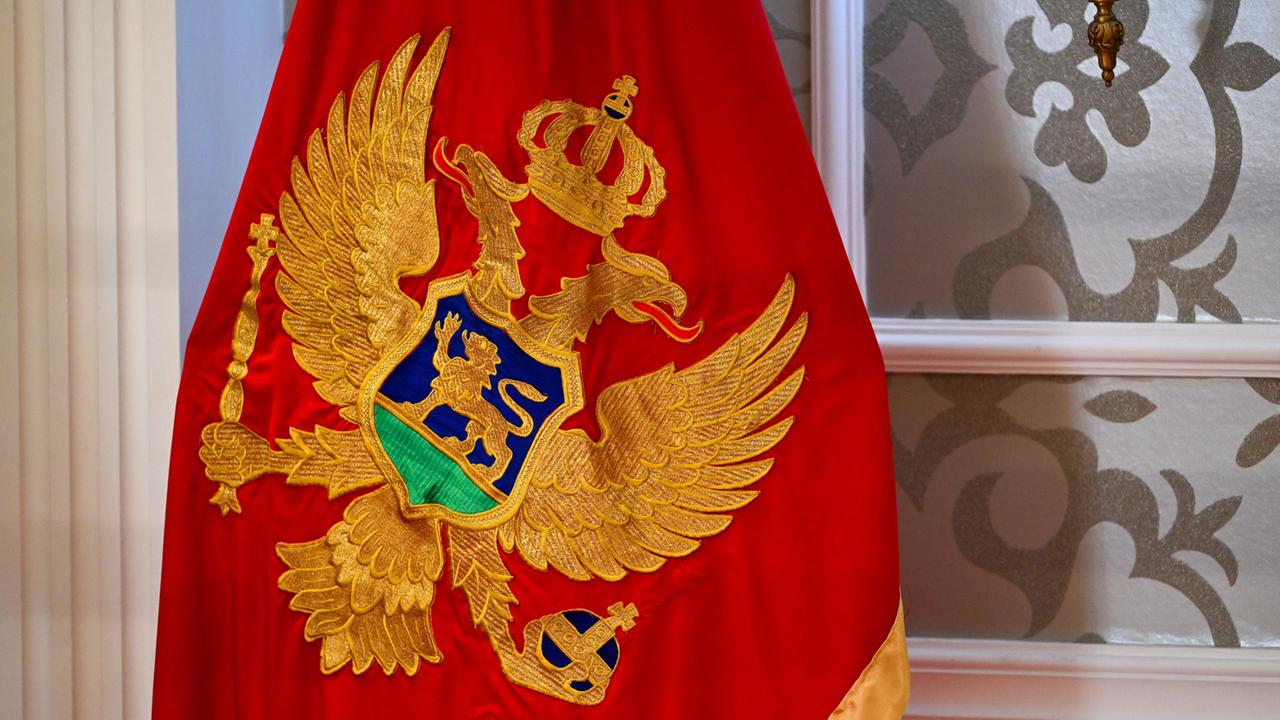
Brussels, Belgium – November 4, 2026 – In a significant development for European integration, the European Commission has indicated that Montenegro could become the 28th member state of the European Union as early as 2028. This optimistic projection, detailed in a recent analysis by the Commission, signals a potential breakthrough for the small Balkan nation and a renewed impetus for EU enlargement. While Montenegro is positioned to be the frontrunner, the analysis also sheds light on the progress and challenges faced by other aspirant countries, including Albania, Moldova, and Ukraine.
The prospect of Montenegro joining the EU is seen by the Commission as a crucial step in fostering peace, stability, and prosperity across the continent. The nation, strategically located on the Adriatic coast, has reportedly made substantial progress in its accession negotiations, with the possibility of concluding these talks by the end of the current year. This would pave the way for a potential accession treaty signing in June 2027, followed by the complex ratification process by all existing member states.
A Glimpse into the Future: Montenegro’s Accelerated Path to Membership
The European Commission’s latest assessment highlights Montenegro’s strong performance in meeting the stringent criteria for EU membership. The analysis suggests that if Montenegro can consistently implement its agreed-upon reforms in the coming weeks, the trajectory towards accession will remain on track. This emphasis on sustained reform implementation underscores the commitment required from candidate countries to align with the EU’s democratic, economic, and legal standards.
The potential timeline, with accession envisioned for 2028, represents a relatively swift integration compared to previous enlargement rounds. This speed is attributed to Montenegro’s dedicated efforts and the EU’s strategic interest in solidifying its presence in the Western Balkans. The Commission’s assessment, while optimistic, also serves as a clear signal that continued diligence and commitment from Montenegro are paramount.
Montenegro, with a population of approximately 620,000 people – comparable to the German city of Düsseldorf – is a relatively small nation. However, its strategic location and its commitment to European integration have positioned it favorably in the current geopolitical landscape. The EU’s enlargement strategy is not merely about expanding its borders; it is fundamentally about projecting its values and ensuring a stable and prosperous future for the entire European continent.
Broader Horizons: Albania and Moldova’s Promising Prospects
The European Commission’s analysis extends beyond Montenegro, offering encouraging outlooks for Albania and Moldova as well. Both nations are also seen as having the potential to join the EU in the coming years. For Albania, the conclusion of accession negotiations is anticipated by the end of 2027, mirroring Montenegro’s potential timeline for treaty signing. Moldova’s accession talks are projected to conclude in early 2028.
While these timelines are ambitious, the Commission reiterates that the period between concluding negotiations and actual membership will still involve significant procedural steps. This includes the meticulous negotiation and signing of an accession treaty, followed by the crucial ratification by all member states and the candidate country itself. This process, though lengthy, is designed to ensure that all parties are fully prepared for the responsibilities and commitments of EU membership.
The Commission has emphasized that for all aspiring countries, the realization of their membership goals hinges on their ability to fully meet all accession conditions. This includes robust progress in areas such as the rule of law, judicial independence, and the fight against corruption. The successful integration of these nations is viewed as a testament to the EU’s enduring appeal and its capacity to act as a catalyst for positive transformation in its neighborhood.
Ukraine’s Ambitious Goals and Lingering Challenges
The European Commission also addressed Ukraine’s aspirations for EU membership, acknowledging its ambitious goal of concluding accession negotiations by the end of 2028. While the Commission supports this objective, it has also stressed the need for an accelerated pace of reform implementation within Ukraine.
The ongoing Russian aggression presents a formidable challenge to Ukraine’s reform efforts, particularly in critical areas like the rule of law and anti-corruption measures. Implementing deep-seated reforms while simultaneously defending its sovereignty and territorial integrity is an unprecedented undertaking. The Commission’s analysis acknowledges the extraordinary circumstances under which Ukraine is operating.
A significant hurdle identified for Ukraine’s potential accession is the integration of its vast agricultural sector. The sheer scale of Ukrainian agriculture presents complexities that require careful consideration. In response, the EU Commission has proposed transitional arrangements for Ukraine. These could involve limitations on financial support and access to the European market for certain agricultural products during an initial period. This pragmatic approach aims to facilitate a smoother integration process while mitigating potential disruptions to the EU’s internal market.
The prospect of EU membership holds profound significance for Ukraine. Beyond economic and political alignment with the West, it offers a crucial security dimension through the EU’s mutual defense clause enshrined in its treaties. However, accession during the ongoing conflict is widely considered politically unfeasible.
Ukraine is by far the largest of the four candidate countries currently engaged in the accession process. With an estimated population of around 39 million, it is less than half the size of Germany in terms of population but nearly 1.7 times larger in landmass, spanning approximately 604,000 square kilometers. The integration of such a large and complex nation into the EU would undoubtedly be a transformative event for both Ukraine and the Union.
Geopolitical Imperatives: Strengthening the EU’s Influence
The renewed momentum in the EU enlargement process is undeniably driven by geopolitical considerations. The inclusion of new member states is viewed as a strategic imperative to bolster the EU’s global influence and to counter the growing sway of external powers like Russia and China. By offering a clear and attractive path to integration, the EU aims to prevent aspirant countries from drifting towards closer partnerships with these geopolitical rivals, particularly in regions of strategic importance.
The Western Balkans, in particular, are recognized as a region of paramount importance for European security, energy supply, and migration management. Strengthening ties and fostering stability in this area through enlargement is seen as crucial for the broader European project.
A Stalled Process: Progress Eludes Several Aspirants
Despite the positive developments for Montenegro, Albania, and Moldova, the report highlights that several other countries seeking EU membership have made little to no progress. This includes Serbia, Bosnia and Herzegovina, North Macedonia, Kosovo, Turkey, and Georgia. For these nations, the path to accession remains fraught with obstacles.
In the case of Turkey and Georgia, the accession process has been effectively put on hold due to significant democratic and rule-of-law deficits. For the other countries mentioned, the lack of sufficient progress in meeting the required reforms has stalled their membership aspirations. This stark contrast underscores the critical importance of consistent and tangible efforts in reform implementation for any country aspiring to join the European Union.
The last country to join the EU was Croatia, which became the 28th member state on July 1, 2013. The subsequent departure of the United Kingdom in 2020 reduced the Union’s membership to 27. The current wave of potential new members represents a significant opportunity to reshape the European landscape and reinforce the Union’s commitment to its founding principles of peace, democracy, and prosperity. The coming years will be pivotal in determining whether these aspirations translate into tangible enlargement and a more cohesive and influential European Union.


