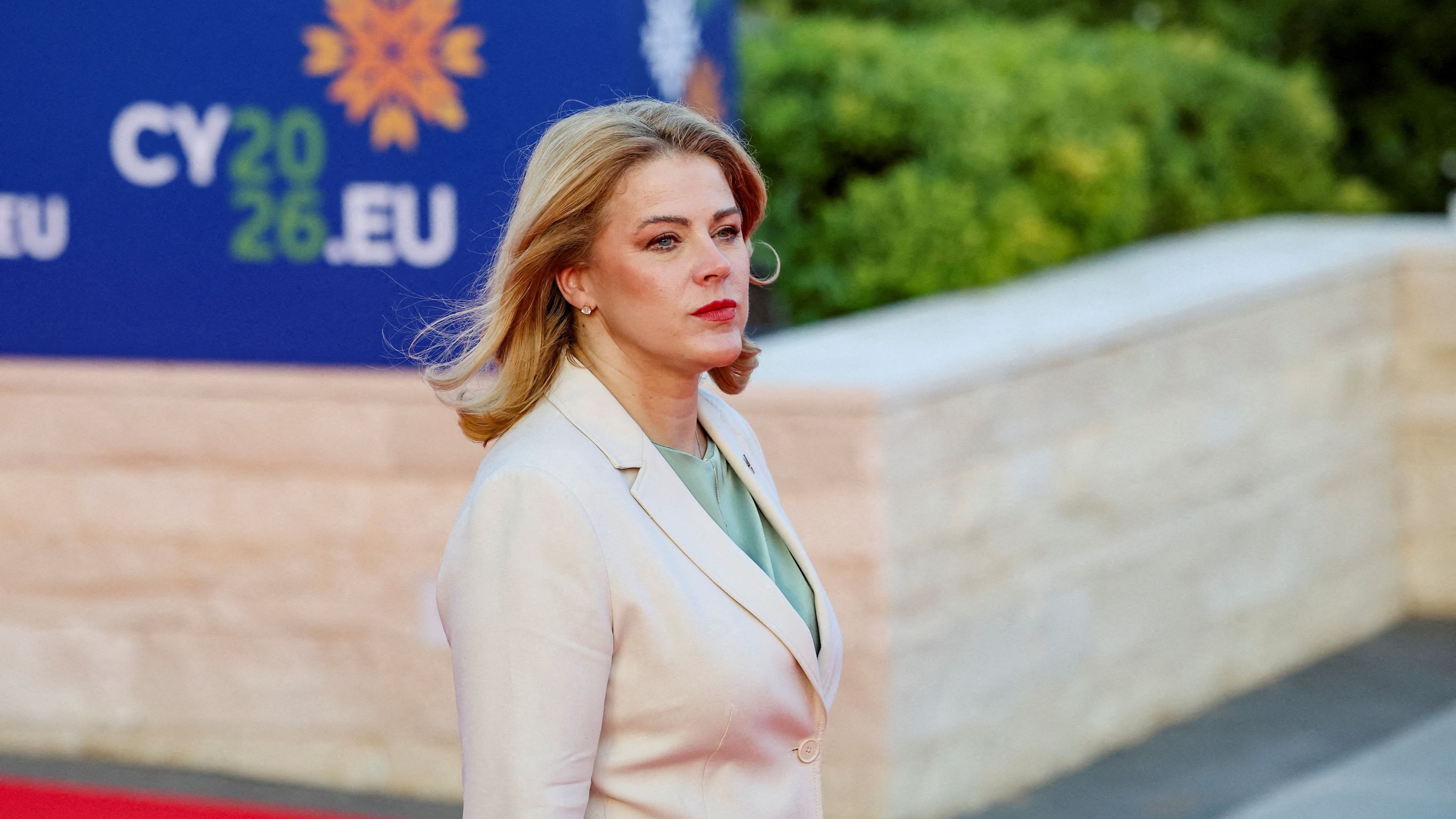
Riga, Latvia – May 13, 2026 – Latvia’s fragile three-party governing coalition, led by Prime Minister Evika Silina, has spectacularly collapsed, barely five months ahead of scheduled parliamentary elections. The immediate trigger for this political upheaval was the forced resignation of Defense Minister Andris Spruds, a member of the left-leaning "Progressives" party, following a series of alarming drone incursions into the Baltic nation’s airspace. The subsequent withdrawal of support by the Progressives has stripped Silina’s government of its parliamentary majority, plunging the strategically vital NATO and EU member state into a deep political crisis at a time of heightened regional instability.
The decision by the Progressives to abandon the coalition, announced just days after Spruds’ departure, leaves Prime Minister Silina’s liberal-conservative "Jauna Vienotiba" (New Unity) party and its remaining partner, the "Alliance of Farmers and Greens," in a precarious minority position. With the next general election slated for October 3rd, the country now faces a period of intense political uncertainty, with potential implications for its domestic policy and its robust stance on the eastern flank of NATO.
"The current Prime Minister does not have the nine votes of the Progressives," declared Andris Suvajevs, leader of the Progressives, following a critical meeting with Prime Minister Silina in Riga. Suvajevs further urged President Edgars Rinkevics to promptly initiate consultations for the formation of a new government. Despite the formal withdrawal of support, the Progressives indicated that their ministers would not immediately resign from their posts, suggesting a temporary, albeit unstable, caretaker arrangement. Prime Minister Silina, for her part, has already signaled her intent to replace the outgoing Defense Minister Spruds with military colonel Raivis Melnis, bypassing another candidate from the now-departed coalition partner.
This crisis underscores the delicate balance of power within Latvia’s multi-party democracy and highlights the profound impact of geopolitical realities on national governance, particularly for states bordering Russia and Belarus.
Main Facts: A Government in Disarray
The core of Latvia’s political crisis revolves around the disintegration of the ruling coalition and the contentious circumstances surrounding the exit of Defense Minister Andris Spruds. Here are the salient points:
- Coalition Breakdown: The three-party government, comprising Prime Minister Evika Silina’s "Jauna Vienotiba," the "Progressives," and the "Alliance of Farmers and Greens," has fractured. The Progressives’ decision to withdraw its nine parliamentary votes has eliminated the government’s majority.
- Forced Resignation of Defense Minister: Andris Spruds, a Progressive politician, was compelled to resign from his position as Defense Minister. This move was reportedly at the insistence of Prime Minister Silina.
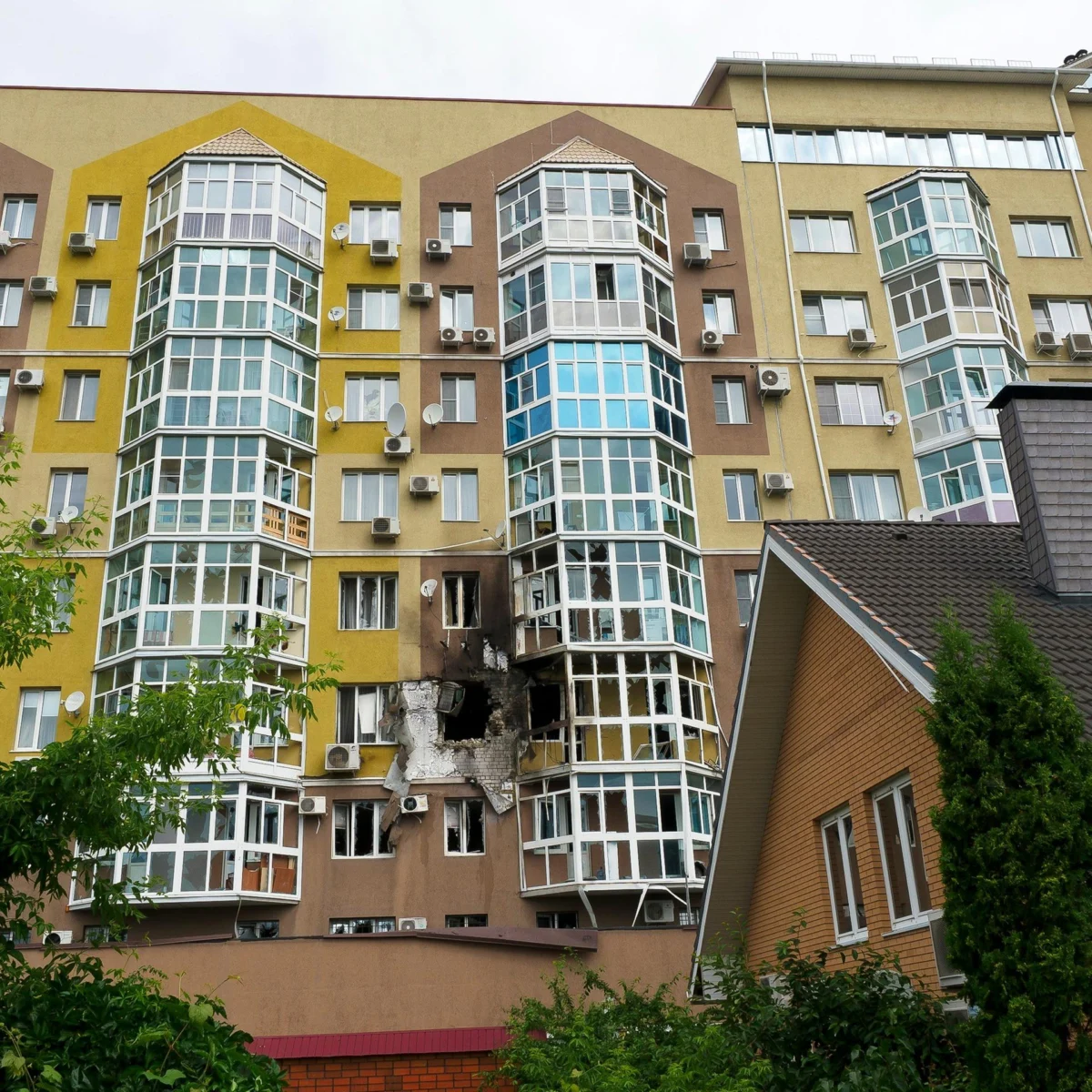
- Catalyst: Drone Incidents: Spruds’ resignation directly followed a series of drone incidents within Latvian airspace. These events, occurring in a country sharing borders with Russia and Belarus, are perceived as a significant security threat.
- Loss of Parliamentary Majority: With the Progressives’ departure, the remaining two parties (Jauna Vienotiba and the Alliance of Farmers and Greens) no longer command a sufficient number of seats to pass legislation or maintain confidence in the Saeima (Latvian Parliament).
- Call for New Government Consultations: Progressives leader Andris Suvajevs has formally requested President Edgars Rinkevics to commence discussions for the formation of a new government.
- Interim Ministerial Status: Despite withdrawing support, the Progressives have stated their ministers will not be immediately recalled, suggesting a period of transitional governance.
- Prime Minister’s Succession Plan: Evika Silina intends to appoint military colonel Raivis Melnis as the new Defense Minister, a decision that further cements the split with the Progressives, who had expected to retain the portfolio.
- Impending Elections: The political turmoil unfolds just under five months before the next parliamentary elections scheduled for October 3rd, 2026, adding another layer of complexity to the current crisis.
Chronology of Events: From Alliance to Rupture
The events leading to the government’s collapse have unfolded rapidly, driven by escalating security concerns and underlying political disagreements.
Early 2026: Coalition Under Strain
The three-party coalition, formed after the previous election, had always been a diverse alliance, bringing together Silina’s center-right "Jauna Vienotiba," the agrarian "Alliance of Farmers and Greens," and the more left-leaning "Progressives." While initially stable, ideological differences and strategic priorities, particularly concerning defense and foreign policy, began to surface more frequently as regional tensions intensified. Latvia, as a frontline state, has been acutely sensitive to security developments, especially following Russia’s full-scale invasion of Ukraine.
Late April – Early May 2026: The Drone Enigma
A series of unidentified drone incursions into Latvian airspace began to dominate national headlines. While the precise nature and origin of these drones remain officially undisclosed, sources within the Latvian defense establishment indicated a sophisticated level of operation, raising concerns about potential espionage or provocative actions from neighboring adversaries, primarily Russia or Belarus. These incidents were not isolated; they occurred repeatedly over several days, prompting public alarm and intense scrutiny of the government’s response. The incidents primarily targeted sensitive areas near Latvia’s eastern border and critical infrastructure, though no direct attacks or significant damage were reported. However, the sheer frequency and audacious nature of the overflights highlighted perceived vulnerabilities in national air defense.

May 9-11, 2026: Mounting Pressure on Defense Minister Spruds
As public and political pressure mounted, Defense Minister Andris Spruds, a Progressive, found himself at the center of a storm. Critics from within and outside the coalition questioned the effectiveness of his ministry’s response to the drone incidents. There were calls for greater transparency, more decisive action, and a clearer explanation of how such incursions could occur in NATO airspace. Prime Minister Silina’s office reportedly expressed dissatisfaction with Spruds’ handling of the crisis, leading to internal discussions and increasing demands for his accountability. The perceived lack of a robust, unified government narrative further fueled discontent.
Sunday, May 11, 2026: Spruds’ Forced Resignation
Under what was widely reported as intense pressure from Prime Minister Silina, Andris Spruds submitted his resignation. While the official statement cited a desire to prevent further political instability, it was clear that his departure was not voluntary. The Prime Minister’s office underscored the necessity for a unified and decisive leadership in the defense portfolio, particularly given the ongoing security challenges. Spruds’ resignation was a significant blow to the Progressives, who viewed it as a direct challenge to their influence within the coalition.
Monday, May 12, 2026: Coalition Consultations and Deterioration
Following Spruds’ resignation, emergency consultations were held between the coalition partners. The Progressives voiced strong objections to Silina’s demand for Spruds’ removal and her subsequent plan to appoint a non-Progressive, military colonel Raivis Melnis, to the defense portfolio. They argued that this undermined the spirit of coalition governance and their party’s legitimate claim to key ministerial positions. The discussions were reportedly tense and ultimately failed to bridge the growing chasm between Silina’s bloc and the Progressives.
Tuesday, May 13, 2026: Progressives Withdraw Support, Government Collapses
In a decisive move, the Progressives officially announced their withdrawal of support from Prime Minister Silina’s government. Speaking in Riga, Progressives leader Andris Suvajevs explicitly stated that the Prime Minister no longer commanded their nine votes in parliament, effectively signaling the collapse of the majority coalition. Suvajevs publicly called upon President Edgars Rinkevics to begin consultations for a new government. Despite this, the Progressives indicated that their serving ministers would temporarily remain in their posts to ensure continuity, emphasizing a commitment to responsible transition, even amidst the political breakdown. This announcement solidified the government’s minority status, setting the stage for a period of political uncertainty and intense negotiation.
Supporting Data: Geopolitical Context and Political Landscape
Latvia’s political crisis is inextricably linked to its geopolitical position and its internal political dynamics. Understanding these elements is crucial for grasping the full scope of the situation.
Latvia’s Strategic Geopolitical Position:
Latvia is one of the three Baltic states, all of which are members of both the European Union and NATO. Its geographical location is of immense strategic importance, sharing a 214-kilometer land border with Russia and a 173-kilometer border with Belarus. This position places it on the very eastern flank of the NATO alliance, making it a critical buffer zone and a key player in regional security architecture.
Since Russia’s annexation of Crimea in 2014 and especially since the full-scale invasion of Ukraine in February 2022, security concerns in the Baltic region have escalated dramatically. Latvia, along with its neighbors Estonia and Lithuania, has consistently advocated for a robust NATO presence and has been a staunch supporter of Ukraine. The country has significantly increased its defense spending, aiming to meet and exceed NATO’s 2% GDP target. The presence of NATO enhanced Forward Presence (eFP) battlegroups in the Baltics, including one in Latvia led by Canada, underscores the alliance’s commitment to collective defense in the region.
The Nature of the Drone Incidents:
The recent drone incursions are not isolated events but rather part of a broader pattern of provocative actions observed in the Baltic Sea region. While details are scarce, the incidents are widely believed to originate from Russia or Belarus, serving multiple potential objectives:

- Reconnaissance: Gathering intelligence on Latvian military installations, critical infrastructure, or NATO deployments.
- Provocation: Testing Latvia’s air defense capabilities and response times, as well as NATO’s resolve.
- Psychological Warfare: Creating a sense of insecurity and unease among the Latvian populace.
- Hybrid Warfare Tactics: These drone overflights fit into a broader spectrum of hybrid warfare, which combines conventional military tactics with cyberattacks, disinformation campaigns, and political interference, aimed at destabilizing an adversary without triggering a full military response.
Past incidents have included Russian military aircraft violating airspace, cyberattacks on government institutions, and disinformation campaigns. The drones in question were reportedly small, difficult-to-detect unmanned aerial vehicles (UAVs), suggesting a tactic designed to probe defenses discreetly but persistently. Their repeated appearance indicates a deliberate and sustained effort rather than accidental overflights.
Latvia’s Political Landscape:
Latvia operates under a parliamentary system, where the government requires the confidence of the Saeima (parliament). The political spectrum is diverse, with several parties often needing to form coalitions to govern.
- Jauna Vienotiba (New Unity): A center-right, liberal-conservative party, it is the party of Prime Minister Evika Silina. It is generally pro-European, pro-NATO, and emphasizes economic stability and national security.
- Progressives: A relatively new, left-leaning party advocating for social justice, environmental protection, and a more progressive approach to economic and social policy. Their inclusion in the previous coalition represented a broadening of the government’s ideological base.
- Alliance of Farmers and Greens (ZZS): A centrist to center-right agrarian party with a focus on rural development, environmental issues, and traditional values. It often plays a kingmaker role in Latvian coalition politics.
The outgoing coalition commanded a slim but workable majority in the 100-seat Saeima. The Progressives, with their nine seats, were a crucial component. Their withdrawal means the remaining two parties are significantly short of the 51 seats needed for a majority, forcing them into a minority government or necessitating new coalition negotiations. The political climate is highly fragmented, making stable coalition formation a perennial challenge. The upcoming elections in October further complicate matters, as parties are likely to prioritize their electoral prospects over long-term governmental stability.
Official Responses: Navigating the Crisis
The immediate aftermath of the government’s collapse has seen various key political figures and institutions respond, attempting to manage the crisis and outline the path forward.

Prime Minister Evika Silina’s Stance:
Prime Minister Silina, representing Jauna Vienotiba, has publicly expressed regret over the breakdown of the coalition but has maintained a firm stance on the necessity of a decisive defense posture. Her insistence on Defense Minister Spruds’ resignation, despite the political fallout, highlights her prioritization of national security and a strong, unified response to external threats. Her intention to appoint military colonel Raivis Melnis, an individual with a professional military background rather than a political one, as the new Defense Minister, signals a desire for a more technocratic and less politically influenced leadership in the defense portfolio. This move can be interpreted as an attempt to project strength and competence in security matters, possibly to reassure both the Latvian public and international partners. Silina’s immediate challenge is to stabilize her minority government, potentially by seeking ad-hoc support from other parties or by navigating a caretaker period until the October elections.
Progressives’ Leader Andris Suvajevs’ Position:
Andris Suvajevs, leader of the Progressives, has articulated his party’s disappointment and frustration. While the immediate catalyst was Spruds’ forced resignation, Suvajevs’ statements suggest a deeper discontent within the Progressives regarding the government’s overall direction and their party’s influence. The demand for President Rinkevics to initiate consultations for a new government indicates a desire for a broader political realignment rather than merely a reshuffling of ministerial portfolios. The Progressives’ decision to keep their ministers in place temporarily suggests a strategic move to maintain some leverage and ensure orderly governance during the transition, while still holding the government accountable for its loss of majority. They are likely positioning themselves for future coalition talks, either before or after the October elections.
President Edgars Rinkevics’ Role:
As the head of state, President Edgars Rinkevics holds a crucial constitutional role in initiating consultations for government formation. His office will be responsible for engaging with all parliamentary parties to gauge their willingness and capacity to form a new, stable majority coalition. Given the impending elections, Rinkevics faces a delicate task. He must balance the need for immediate governmental stability with the reality of a short legislative window before voters head to the polls. The President’s actions will be closely watched, as he is expected to act as an impartial mediator, guiding the political process in accordance with the constitution. Any statements from his office are likely to emphasize stability, national unity, and adherence to democratic procedures.
Opposition Parties and International Reactions:
Opposition parties in Latvia have naturally seized upon the government’s collapse, with some calling for immediate snap elections, arguing that a minority government lacks the mandate to effectively govern. Others may seek to position themselves as potential coalition partners in a new configuration.
Internationally, particularly within NATO and the EU, the situation in Latvia will be monitored with concern. While the internal political processes of member states are respected, stability in frontline states is paramount, especially when dealing with security threats. No direct official statements from NATO or EU officials have been reported yet, but diplomatic channels are likely active, seeking assurances of continued governmental functionality and commitment to shared defense policies. The timing of the crisis, amidst heightened regional tensions, adds to international anxieties.

Implications: A Path Forward Fraught with Challenges
The collapse of the Latvian government carries significant implications, not only for domestic politics but also for the nation’s security posture and its standing within international alliances.
Political Instability and the Road to Elections:
The most immediate consequence is a period of political instability. With a minority government in place, Prime Minister Silina will struggle to pass legislation, implement new policies, or even make critical decisions without ad-hoc support from opposition parties, which will be difficult to secure consistently. This could lead to policy paralysis, particularly on complex issues. The call for new government consultations by President Rinkevics could potentially lead to a new, albeit likely temporary, coalition before the October elections. However, given the short timeframe and the current political fragmentation, forming a stable new majority government is a formidable challenge. More likely, Latvia will enter the election period with a caretaker government, limiting its capacity for long-term strategic planning. This uncertainty could lead to voter disillusionment and potentially impact the turnout and results of the October 3rd parliamentary elections, possibly benefiting populist or anti-establishment parties if the crisis is perceived as a failure of traditional politics.
Impact on Security and Defense Policy:
The political turmoil directly stems from a critical security issue – the drone incidents. A change in defense leadership and political instability within the government could, in the short term, create a perception of weakness or disunity in Latvia’s defense policy. While military operations and intelligence gathering would continue under existing protocols, the ability to formulate and implement new strategic responses or defense investments might be hampered by a divided parliament or a caretaker government. The appointment of a military colonel as Defense Minister might project a sense of professionalism, but a lack of consistent political backing could limit his effectiveness. For NATO, a politically unstable Latvia on its eastern flank is a concern, as it relies on its member states to maintain robust and cohesive defense capabilities, especially in sensitive regions bordering potential adversaries. Any perceived vulnerability could be exploited by hostile actors.
Regional and International Standing:
Latvia has been a strong voice within the EU and NATO, particularly regarding Russia’s aggression and the need for robust collective defense. Political instability at home could temporarily diminish its influence on the international stage, as its leaders become preoccupied with domestic issues. Other Baltic states and Nordic partners will be watching closely, as the stability of one frontline state can have ripple effects across the region. Any delay in critical defense decisions or a perceived softening of stance could be viewed negatively by allies. Conversely, a swift and decisive resolution, or a clear commitment to national security despite political shifts, could reinforce Latvia’s credibility.

Economic Outlook:
While the immediate economic impact might be limited, prolonged political uncertainty can deter foreign investment and impact economic growth. Businesses prefer predictable political environments, and a period of governmental instability, especially one leading up to an election, can create caution among investors. Key economic reforms or budget decisions might be postponed, affecting various sectors. However, Latvia’s strong integration into the EU economy and its generally robust financial institutions provide some resilience against severe economic fallout.
In conclusion, Latvia finds itself at a critical juncture. The collapse of its government, triggered by internal political strife over national security, underscores the complex challenges faced by frontline states in the current geopolitical climate. As the country navigates this period of uncertainty towards its October elections, the world will be watching to see how it upholds its democratic institutions and safeguards its security on NATO’s vital eastern flank. The ability of Latvia’s political class to forge a new path, whether through a revised coalition or a clear electoral mandate, will be crucial in determining its future stability and influence.