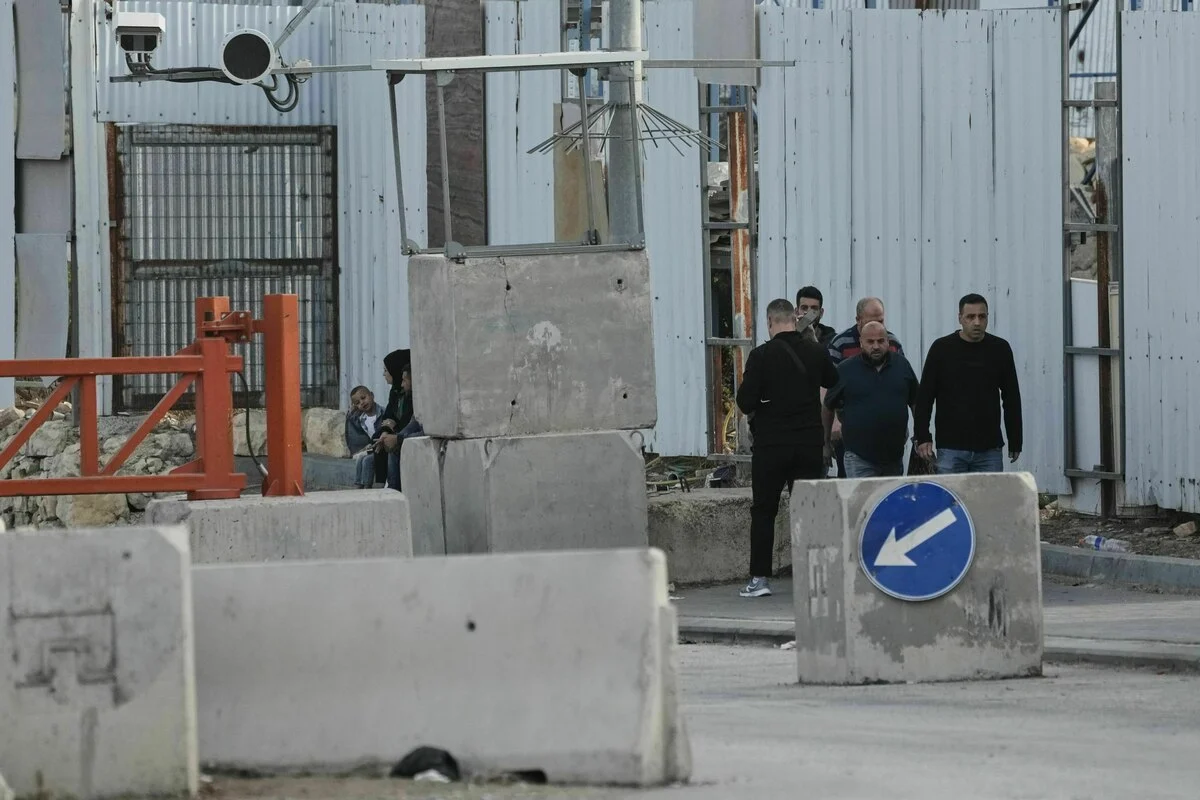
Jerusalem, [Current Date] – Israel has initiated a significant military offensive across the occupied West Bank, marking a dramatic escalation in the long-standing conflict. The operation follows cryptic remarks from Prime Minister Benjamin Netanyahu, who hinted at a "very big surprise" for the Palestinian Authority (PA) and claimed Israel had "reshaped the Middle East." While the premier has refrained from confirming whether the goal is to dismantle Palestinian self-governance, his statements have fueled intense speculation and concern regarding the future of the region.
The large-scale operation, described by Israeli officials as "anti-terror operations," was ordered in the wake of an attack on Friday morning that resulted in the deaths of two Israeli soldiers. Netanyahu swiftly announced a "complete lockdown" of the West Bank and vowed a military response of a scale not seen since the 1967 Six-Day War. The timing of this offensive is particularly critical, coming just days before Israel’s parliamentary elections on Tuesday, where Netanyahu is seeking another term in office.
Escalation in the West Bank: A New Offensive Unfolds
The Immediate Trigger and Netanyahu’s Response
The catalyst for the current offensive was a deadly attack by armed Palestinians on Friday morning, which claimed the lives of two Israeli soldiers. Details surrounding the incident remain scarce, but it prompted an immediate and decisive response from the Israeli leadership. Prime Minister Benjamin Netanyahu, facing a challenging electoral landscape, quickly declared a "complete lockdown" of the West Bank, effectively sealing off the territory from Israel and restricting movement within it.
In a forceful statement, Netanyahu signaled a significant military undertaking, suggesting an operation unprecedented in its scale since the 1967 conflict. This declaration set the stage for the rapid deployment of Israeli forces and the commencement of what the Israel Defense Forces (IDF) and the Shin Bet (Israel’s domestic security agency) termed "anti-terror operations." These operations were reported to be underway in dozens of locations across the Palestinian territory, signaling a broad and coordinated effort to target suspected militant infrastructure.
"Surprise" and "Reshaping the Middle East": Unpacking Netanyahu’s Cryptic Remarks
Adding a layer of geopolitical intrigue to the unfolding events, Prime Minister Netanyahu delivered a series of enigmatic statements during an interview with Israeli broadcaster i24News on Friday. He proclaimed, "We have reshaped the Middle East," a declaration that, while bold, lacked specific details. More pointedly, he added, "There is also a very big surprise for the Palestinian Authority."
When pressed directly on whether his intentions involved dismantling the Palestinian Authority, Netanyahu strategically evaded a direct answer. Instead, he chose to emphasize his reliance on "cunning and surprise." These remarks have ignited widespread speculation among analysts and observers. Interpretations range from a fundamental restructuring of the PA’s powers, an attempt to sideline its leadership, or even a more drastic move towards its complete dissolution. Such a development would have profound implications for the governance of Palestinian areas, potentially leading to a security vacuum or a direct reassertion of Israeli administrative control.
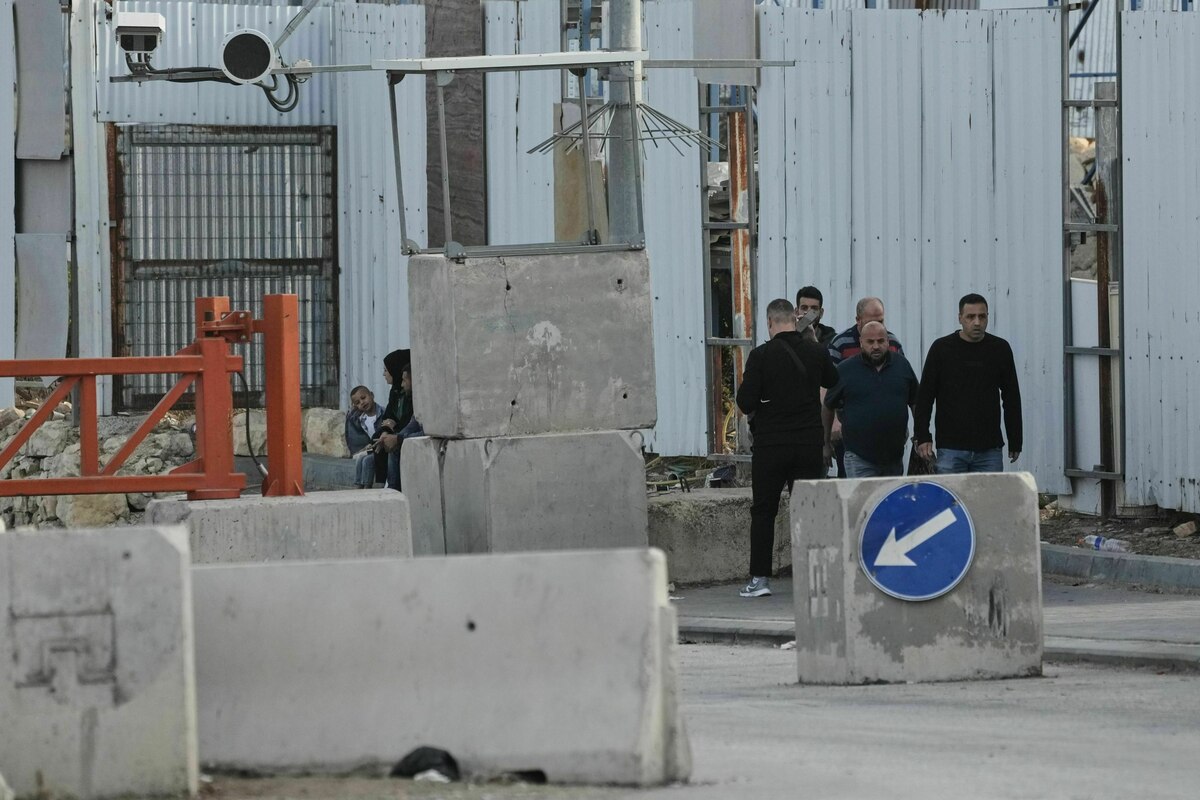
Netanyahu’s history of skepticism towards Palestinian statehood and his consistent emphasis on Israeli security concerns provide a backdrop to these statements. His rhetoric often resonates with a significant portion of his right-wing political base, for whom a strong stance against Palestinian governance is a key electoral issue. The "surprise" could thus be a calculated political maneuver, designed to project strength and decisive leadership ahead of the crucial elections.
A Chronology of Intensification
Days Leading to the Offensive
The recent escalation did not emerge in a vacuum. The occupied West Bank has been a flashpoint of violence and tension for months, particularly since the Hamas large-scale attack on Israel on October 7, 2023. Prior to the current offensive, Israeli forces had been conducting frequent raids and arrest operations in Palestinian towns and refugee camps, often leading to clashes with local residents and armed groups. These operations were routinely justified by Israel as necessary to counter militant activity and maintain security. Conversely, Palestinians view them as part of an ongoing occupation, infringing on their sovereignty and exacerbating daily life under military rule. The presence and expansion of Israeli settlements, deemed illegal under international law, also consistently fuel resentment and contribute to the volatile environment.
The Friday Attack and Retaliation
The specific chain of events leading to the current major offensive began on Friday morning with the deadly attack on two Israeli soldiers. While the identity of the perpetrators and the precise location of the attack were not immediately detailed in the initial reports, the incident was quickly attributed to armed Palestinians. This act of violence served as the immediate trigger for Netanyahu’s announcement of the West Bank lockdown and the promise of a robust military response.
Following the Prime Minister’s directive, the Israeli army swiftly launched its large-scale offensive. A joint statement from the IDF and Shin Bet confirmed that "anti-terror operations" were actively being conducted in "dozens of locations" across the Palestinian territory. These operations were described as comprehensive, involving searches of targets in areas like Hebron, questioning of suspects, and concerted efforts to "locate and dismantle terrorist infrastructure." Furthermore, Israeli security forces reportedly demolished "illegal structures that could pose a security threat," a practice often seen by Palestinians as collective punishment and a violation of property rights. The IDF indicated that the offensive was "expected to last several days," suggesting a sustained and deliberate campaign rather than a brief punitive action.
Context and Supporting Data
The Occupied Territories: A Historical Overview
The West Bank, alongside the Gaza Strip, has been under Israeli occupation since the 1967 Six-Day War. This occupation fundamentally shapes the lives of approximately three million Palestinians residing there. Under international law, the territories are considered occupied, and Israel, as the occupying power, has specific obligations regarding the welfare of the civilian population. However, Israel disputes the term "occupation" for parts of the West Bank, preferring "disputed territories."

A significant and contentious aspect of the occupation is the presence of over 500,000 Israeli settlers living in more than 130 official settlements and numerous unauthorized outposts. These settlements are widely considered illegal under international law, including by the United Nations and the International Court of Justice, as they involve the transfer of an occupying power’s population into occupied territory. Their continued expansion fragments Palestinian land, restricts Palestinian development, and is often cited as a major impediment to a two-state solution. The daily reality for Palestinians involves navigating a complex system of checkpoints, movement restrictions, and military oversight, which severely impacts their economy, education, and access to basic services.
The Role and Challenges of the Palestinian Authority
The Palestinian Authority (PA) was established in 1994 as a result of the Oslo Accords, intended as an interim self-governing body in parts of the West Bank and Gaza Strip, with the eventual goal of leading to an independent Palestinian state. Its mandate includes civil administration and security control in designated areas (Areas A and B). However, its authority has always been limited and is often challenged by both Israeli military actions and internal Palestinian divisions, particularly with Hamas, which controls the Gaza Strip.
The PA faces significant challenges, including a chronic financial crisis, a perceived lack of democratic legitimacy among many Palestinians (due to delayed elections), and its controversial security coordination with Israel. A move by Israel to "dismantle" or severely weaken the PA would throw the West Bank into even greater uncertainty. Such an action could lead to a complete breakdown of civil order, potentially forcing Israel to assume direct administrative and security responsibilities over millions of Palestinians, a scenario that many Israeli security officials have historically sought to avoid. The "surprise" Netanyahu alludes to could therefore be a fundamental re-evaluation of the PA’s role, potentially leading to its marginalization or replacement with alternative administrative structures.
Human Cost of the Conflict
The period since the Hamas attack on October 7, 2023, has witnessed a dramatic surge in violence and casualties across the Palestinian territories, including the West Bank. According to an AFP tally based on Palestinian health data, at least 1,113 Palestinians have been killed in the West Bank since October 7, 2023. The vast majority of these deaths have been at the hands of Israeli soldiers, while United Nations figures indicate that at least 37 were killed by Israeli settlers. These numbers reflect a deeply disproportionate toll, highlighting the severe risks faced by Palestinians during clashes, raids, and confrontations.
On the Israeli side, at least 49 Israelis have lost their lives in the West Bank during the same period. This includes soldiers killed in attacks, as well as civilians in various incidents. The casualty figures underscore the intense and often lethal nature of the ongoing conflict, where both sides experience loss and suffering. The data from Palestinian health ministries, while not always distinguishing between combatants and civilians, is generally considered reliable by UN organizations and independent experts, providing a grim testament to the human cost of the occupation and the current escalation.
Official Responses and Political Maneuvering
Israeli Government’s Stance

The official line from the Israeli government and military consistently frames its operations in the West Bank as essential "anti-terror measures" aimed at ensuring the security of its citizens. The current offensive is presented as a direct response to the attack that killed two soldiers, asserting Israel’s right to self-defense and its commitment to dismantling what it describes as "terrorist infrastructure." Statements from the IDF and Shin Bet emphasize targeting specific objectives, such as militant cells, weapons caches, and illegal structures deemed a security threat. This narrative is crucial for maintaining domestic support and justifying actions on the international stage, where Israel often faces scrutiny over its conduct in the occupied territories.
Electoral Dynamics
The timing of this large-scale offensive, just days before Israel’s parliamentary elections on Tuesday, cannot be overlooked. Prime Minister Benjamin Netanyahu, a veteran politician known for his strategic acumen, is seeking another term amidst a deeply polarized political landscape. Security is perennially a top concern for Israeli voters, and a decisive military operation in the West Bank allows Netanyahu to project an image of strength, resolve, and effective leadership in times of crisis.
By ordering a significant offensive and making bold statements about "reshaping the Middle East" and a "surprise" for the PA, Netanyahu appeals directly to his conservative and right-wing base, who prioritize national security and a firm hand against Palestinian aspirations. This strategy often mobilizes his supporters and can potentially sway undecided voters who seek stability and protection. The offensive serves as a powerful demonstration of his commitment to these principles, positioning him as the indispensable leader capable of safeguarding Israel’s interests. The elections will determine the composition of the Knesset and, ultimately, who forms the next government, making every action in the preceding days highly scrutinized for its political implications.
Palestinian Reactions
While the original article does not provide direct quotes from Palestinian officials, such a large-scale Israeli military operation and the accompanying lockdown invariably draw strong condemnations from the Palestinian Authority and other Palestinian factions. The PA typically decries such actions as collective punishment, violations of international law, and an escalation of the occupation. Palestinian political leaders and civil society organizations often call for international intervention and protection for the Palestinian people. The demolition of structures, arrests, and restrictions on movement are routinely highlighted as examples of human rights abuses. These events also often lead to widespread protests in Palestinian communities, further fueling the cycle of confrontation and violence. The rhetoric from Palestinian groups like Hamas and Islamic Jihad often calls for continued resistance against the occupation.
Broader Implications and Gaza’s Shadow
Impact on Regional Stability
The escalation in the West Bank carries significant implications for regional stability. Any major shift in the status of the Palestinian Authority, or a prolonged period of intense military operations, could destabilize an already volatile region. It risks undermining any lingering prospects for a two-state solution, a framework still supported by much of the international community as the viable path to peace. Further, increased tensions in the West Bank could strain nascent normalization efforts between Israel and some Arab states, as public opinion in the Arab world remains deeply sensitive to the plight of Palestinians. Regional actors often weigh their geopolitical interests against the strong sentiments of their populations regarding the Israeli-Palestinian conflict.

International Scrutiny
The international community is likely to react with concern to the unfolding events. International bodies, human rights organizations, and various governments routinely monitor the situation in the occupied Palestinian territories. Questions regarding adherence to international humanitarian law, the protection of civilians, and the legality of settlements and demolitions are often raised. A major offensive, particularly one coupled with cryptic statements about the future of Palestinian self-governance, will undoubtedly draw increased scrutiny and calls for restraint and de-escalation from global powers. The potential for a further deterioration of the humanitarian situation will also be a key concern for international aid organizations.
The Gaza Front
The events in the West Bank cannot be viewed in isolation from the ongoing crisis in the Gaza Strip. The original article mistakenly cites a ceasefire date of "October 10, 2025," which is clearly a typographical error given the context of the October 7, 2023, Hamas attack. Assuming the intended date was October 10, 2023, a "ceasefire" was indeed declared following the initial intense hostilities. However, as the article correctly notes, Israel has continued to strike targets in the Palestinian territory on an almost daily basis since this nominal ceasefire.
According to the Hamas-controlled Health Ministry in Gaza, more than 1,500 Palestinians have been killed since the beginning of this ceasefire. While the ministry’s statistics do not differentiate between combatants and civilians, UN organizations and independent experts generally consider these figures to be reliable. The continued attacks, coupled with the devastating humanitarian crisis in Gaza following months of intense bombardment and blockade, underscore the pervasive nature of the conflict across all Palestinian territories. The interconnectedness of the West Bank and Gaza means that an escalation in one area often has reverberations in the other, further complicating an already dire situation and deepening the sense of despair among Palestinians.
In conclusion, Israel’s current large-scale offensive in the West Bank, framed by Prime Minister Netanyahu’s enigmatic declarations, marks a critical juncture in the Israeli-Palestinian conflict. Driven by security concerns and influenced by upcoming elections, the operation carries profound implications for the Palestinian Authority, the residents of the occupied territories, and the broader prospects for peace and stability in the Middle East. The international community watches closely as the situation unfolds, with calls for restraint and adherence to international law likely to intensify amidst the escalating violence and uncertainty.