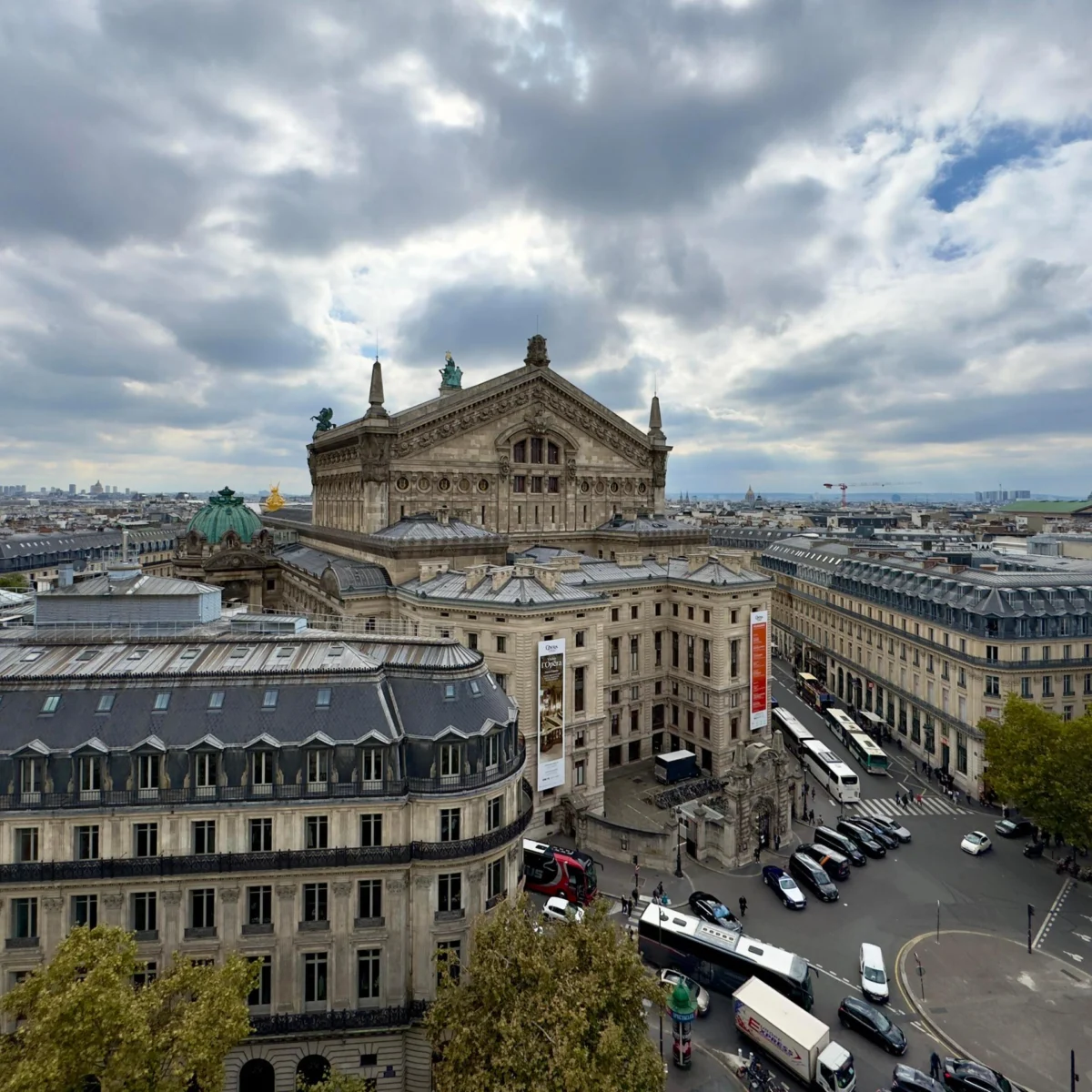
PARIS, France – October 24, 2026 – The vibrant heart of France’s capital, Paris, found itself under an unprecedented shroud of apprehension today as authorities dramatically escalated security measures in anticipation of fresh outbreaks of urban violence. Fearing a repeat of the widespread destruction that ravaged major French cities just last weekend, police have reinforced their presence across the nation, leading to the closure of many of Paris’s most treasured cultural landmarks, including the Louvre Museum, the Musée d’Orsay, and the historic Opéra Garnier.
The extraordinary pre-emptive actions underscore the gravity of the situation gripping France, as a wave of social unrest threatens to destabilize the nation’s fragile peace. Beyond the cultural closures, a significant portion of the Parisian public transport network has been shut down, with over 20 Métro stations ceasing operations. Luxury retailers, still reeling from the extensive looting and vandalism of recent days, have taken drastic steps to fortify their premises, transforming upscale shopping districts into fortified zones in a desperate bid to protect their assets. The measures paint a stark picture of a city bracing for conflict, where the pursuit of culture and commerce has yielded to the imperative of public safety and order.
Chronology of Escalation: From Local Grievances to National Crisis
The current atmosphere of fear and heightened security is not an isolated incident but the culmination of a rapidly escalating series of events that began to unfold with alarming intensity over the past week. While the precise catalyst for the initial wave of unrest remains a subject of ongoing investigation and debate, reports suggest that a highly publicized incident involving alleged police misconduct during a routine stop in a Parisian suburb ignited deep-seated frustrations within marginalized communities. This incident, occurring just over a week ago, rapidly spiraled into localized protests that quickly mutated into widespread riots.
The Preceding Weekend’s Fury (October 18-20, 2026):
The initial spark quickly ignited a tinderbox of socio-economic grievances that have long simmered beneath France’s surface. By Friday evening, October 18, what began as a protest in the Paris region had spread like wildfire. Major urban centers, including Marseille in the south and Bordeaux in the southwest, witnessed scenes of chaos. Hundreds of shops, businesses, and public infrastructure were targeted by looters and vandals. Eyewitness accounts described coordinated attacks on commercial establishments, particularly luxury boutiques, electronics stores, and supermarkets. In Paris, the iconic Champs-Élysées, usually a symbol of Parisian elegance, became a battleground, with reports of smashed windows, torched vehicles, and pitched battles between rioters and security forces.
The scale of destruction from that weekend was staggering. Initial estimates from business associations suggested damages running into hundreds of millions of euros. Beyond the financial cost, the psychological toll on residents and business owners was immense. Cities known globally for their beauty and cultural heritage found themselves grappling with images more commonly associated with war zones. The government’s initial response, while deploying thousands of police and gendarmes, was criticized by some as being too slow or insufficient to contain the rapid spread and intensity of the violence.
The Week of Tense Calm (October 21-23, 2026):
Following the chaotic weekend, a fragile calm descended upon the affected cities. However, underlying tensions remained palpable. The government convened emergency meetings, with President Emmanuel Macron issuing a televised address appealing for national unity and a return to republican order, while simultaneously promising a swift and firm response to those responsible for the violence. Discussions focused on addressing the root causes of the unrest, including socio-economic disparities, youth unemployment, and concerns regarding police accountability.
Despite these overtures, intelligence reports over the past 48 hours indicated a strong probability of renewed demonstrations and potential violence, particularly scheduled for Saturday, October 25. These reports, combined with the lingering resentment and the ease with which previous unrest had spread through social media, prompted authorities to act decisively and preemptively. The decision to implement the current stringent security measures was announced late on Friday, October 24, just hours before the expected resurgence of activity.
Today’s Pre-emptive Lockdown (October 24, 2026):
Today’s extensive closures and security deployments represent an unprecedented pre-emptive strike by the French government, aiming to neutralize potential flashpoints before they can ignite. The strategic decision to close major cultural institutions like the Louvre, Musée d’Orsay, and Opéra Garnier is not merely about protecting priceless art; it is a symbolic act, acknowledging the vulnerability of even France’s most cherished symbols in the face of widespread unrest. The closure of over 20 Métro stations further aims to disrupt the mobility of potential rioters and prevent the rapid congregation of large, unauthorized groups. The fortified luxury shops, from the Place Vendôme to the Champs-Élysées, stand as stark monuments to the economic anxiety gripping the retail sector.
Supporting Data and Context: A Nation Under Strain
The current crisis is deeply rooted in a complex interplay of socio-economic factors, political polarization, and a historical legacy of social unrest in France. While specific triggers vary, underlying themes often revolve around perceived injustice, economic marginalization, and a sense of alienation among certain segments of the population.
Economic Disparities and Youth Unemployment:
Analysts point to persistently high youth unemployment rates, particularly in the banlieues (suburban areas) surrounding major cities, as a significant contributing factor. Despite government initiatives, economic opportunities remain scarce for many young people from diverse backgrounds, fostering a sense of hopelessness and frustration. "The economic promises made to these communities often feel empty," observes Dr. Sylvie Dubois, a sociologist at Sciences Po Paris. "When you combine this with a perception of systemic discrimination, it creates a fertile ground for anger to boil over." The recent surge in inflation and cost of living pressures, exacerbated by global economic instability, has only intensified these financial strains, making everyday life harder for many families.
The Symbolism of Targeted Institutions:
The closure of institutions like the Louvre, home to the Mona Lisa and countless masterpieces, or the Opéra Garnier, an architectural marvel, carries immense symbolic weight. These sites are not just tourist attractions; they are embodiments of French culture, history, and national pride. Their closure signifies a deep national crisis, suggesting that even the most sacred aspects of French identity are under threat. "When the Louvre closes its doors, it’s not just a museum shutting; it’s a statement about the state of the nation," commented historian Pierre Laval. "It underscores the profound challenges to public order and the government’s perceived inability to guarantee safety."
The Plight of Luxury Retail:
The targeted nature of the looting against luxury stores like Rolex, De Beers, Lacoste, Adidas, and Hugo Boss is also highly symbolic. These brands represent wealth, exclusivity, and a globalized economy that many disaffected youths feel excluded from. The damage inflicted on hundreds of stores last weekend, estimated by the French Retail Federation at over €350 million, is not just a financial blow but a significant challenge to France’s image as a stable and attractive destination for high-end commerce and tourism. The images of shattered storefronts and fortified shops have already begun to circulate internationally, raising concerns among investors and potential visitors. The extreme measure of completely cladding a Lacoste store in metal grilles after "massive damage" last week illustrates the extent of the fear gripping retailers.
Precedent of Past Unrest:
France has a history of intense social unrest, notably the 2005 riots that engulfed numerous suburbs and lasted for weeks, and more recent protests linked to pension reforms or specific incidents of police violence. This history provides a worrying precedent, suggesting that once ignited, such movements can be difficult to contain and can quickly spread beyond initial control. The current crisis, however, appears to combine the spontaneous fury of the 2005 events with a more explicit targeting of economic symbols, indicating an evolution in the nature of the protest and violence.
Security Mobilization:
The police response today involves the deployment of thousands of additional officers, including specialized riot control units (CRS and Gendarmerie Mobile). Reports indicate the use of armored vehicles in sensitive areas and heightened surveillance, including drone technology, to monitor potential gatherings. While the exact number of personnel deployed has not been officially released, sources within the Interior Ministry suggest it is one of the largest pre-emptive security operations in recent memory outside of major national emergencies or terror threats.
Official Responses: Calls for Calm, Promises of Firmness
The French government has been quick to react to the escalating situation, albeit with a dual message of firm resolve against violence and a commitment to understanding the underlying causes.
President Emmanuel Macron’s Stance:
President Macron, whose administration has faced increasing challenges from social movements throughout his tenure, has reiterated his commitment to maintaining public order. In a brief statement issued from the Élysée Palace, he called for "calm and responsibility from all citizens," emphasizing that "the Republic will not tolerate chaos or violence on its streets." He also stressed the importance of protecting cultural heritage and public spaces, stating that "these closures are painful but necessary to safeguard our shared patrimony and ensure the safety of our communities." While acknowledging the "legitimate grievances" that may exist, he unequivocally condemned the "unacceptable acts of vandalism and looting."
Interior Minister’s Directives:
Gerald Darmanin, the Minister of the Interior, has been at the forefront of the security response. In a press conference held earlier today, he outlined the extensive security measures, stating: "We are deploying every available resource to ensure the safety of our citizens and to prevent any further outbreaks of violence. Those who seek to sow disorder will face the full force of the law." He confirmed that intelligence services had indicated a high risk of renewed unrest and justified the preventative closures as essential to "de-escalate tensions and protect vulnerable sites." Darmanin also appealed to parents to ensure their children were not involved in any illegal activities, noting that many of those arrested last weekend were minors.
Cultural Sector’s Regret:
The management of the affected cultural institutions expressed profound regret at the necessity of closing their doors. A joint statement from the Louvre, Musée d’Orsay, and Opéra Garnier emphasized their commitment to public safety and the preservation of their collections. "It is with a heavy heart that we take this decision," read the statement, "but the safety of our visitors and staff, and the protection of these irreplaceable treasures, must be our absolute priority." They expressed hope for a swift return to normalcy and reaffirmed their role as symbols of French culture and openness.
Business Associations’ Demands:
The French Retail Federation (Fédération du Commerce Français) has urged the government to provide stronger protection for businesses. Its president, Marie Dubois, stated, "Our members are still counting the cost of last weekend’s devastation. We need concrete action and robust security measures to prevent a repeat. The ongoing uncertainty is crippling for our sector, especially as we approach the crucial holiday season." Many smaller business owners echoed these sentiments, expressing a mix of fear and frustration.
Implications and Outlook: A Test of National Resilience
The current crisis carries profound implications for France, touching upon its economic stability, social cohesion, and international standing. The immediate outlook remains tense, with authorities and citizens alike waiting to see whether the enhanced security measures will successfully deter further violence or merely postpone it.
Economic Fallout:
The immediate economic impact is substantial. The closures of cultural sites and metro stations will undoubtedly deter tourists, dealing a fresh blow to France’s vital tourism industry, which was only just recovering from the global pandemic. Retail sales, already under pressure, will suffer further from reduced footfall and ongoing security concerns. The cost of repairs from last weekend’s damage, coupled with increased insurance premiums and lost revenue, poses a significant threat to many businesses, particularly small and medium-sized enterprises. The fear is that if the unrest persists or recurs, it could lead to long-term damage to France’s economic reputation.
Social Cohesion and Political Stability:
Beyond the economic costs, the crisis exposes deep fissures within French society. The underlying grievances, whether economic, social, or identity-based, are not easily resolved. The government faces the delicate task of asserting authority and restoring order while simultaneously addressing the root causes of the anger. Failure to do so could lead to a cycle of unrest, further eroding trust between citizens and the state, and potentially fueling political extremism on both ends of the spectrum. "This is a critical moment for French democracy," stated political analyst Jean-Luc Moreau. "The government must demonstrate both firmness and a genuine willingness to listen and engage with the marginalized communities whose frustration is boiling over."
International Perception:
Images of Paris’s iconic landmarks under lockdown and luxury shops fortified against looters send a concerning message to the international community. France’s reputation as a stable, welcoming, and culturally rich nation could be tarnished, potentially impacting foreign investment, international events, and global tourism for months or even years to come. Allies and partners are watching closely, concerned about the stability of a key European power.
Uncertain Future:
As the evening of October 24, 2026, descends upon a heavily policed Paris, the city holds its breath. The coming days will be a crucial test of the government’s strategy and the nation’s resilience. Will the preventative measures succeed in quelling the storm, or will they merely push the boiling tensions to new, unforeseen flashpoints? The answer will shape not only the immediate future of France but also its long-term trajectory in an increasingly volatile global landscape. The closure of the Louvre and Opéra Garnier today is a somber reminder that even in a nation celebrated for its enduring culture, the challenges of social order and justice remain ever-present.