AMMAN, Jordan – A tranquil Friday afternoon in Jordan was shattered by an act of brutal violence as suspected terrorists opened fire on mourners gathered at a church near the city of Karak. The attack, which left eight people dead and dozens injured, has plunged the Hashemite Kingdom into a state of shock and heightened alert, challenging its long-held reputation as an oasis of stability in a volatile region.
The horrific incident, captured in part by unsettling video footage, exposed the vulnerability of a nation grappling with the insidious spread of extremist ideologies and the profound economic and social pressures exacerbated by regional conflicts. As authorities launch a massive manhunt for the perpetrators, Jordan confronts a stark new reality, forcing it to reckon with the escalating threat posed by radical elements seeking to destabilize its delicate interfaith harmony and undermine its pro-Western alliances.
The Anatomy of an Attack: A Chronology of Terror
The events of that fateful Friday unfolded with chilling precision, as depicted in harrowing video recordings that quickly circulated, offering a glimpse into the terror unleashed upon the unsuspecting community.

A Gathering Turns to Chaos: The initial footage shows several dozen men, dressed in shirts and suits, gathered under a modest awning, engaged in somber conversation typical of a funeral reception. The atmosphere, though mournful, conveyed a sense of peace and community. Suddenly, this fragile calm was shattered. A wave of panic ripped through the gathering as men scrambled, turning back towards the church building, some instinctively dropping to the ground, their faces contorted with fear as they stared towards the parking lot before them. This marked the terrifying commencement of a deadly assault on mourners in a rural church on the outskirts of Karak.
The Attackers Emerge: From a different vantage point, another video segment captured the chilling emergence of the attackers. Behind a cluster of olive trees and a low wall separating the church complex from the parking area, three figures materialized. In their hands, they clutched pistols and a menacing machine gun, ready to unleash their deadly payload. One individual was seen with a black backpack, while another wore a red Jordanian Kufiya – a traditional headscarf – on his head, perhaps an attempt to blend in or send a symbolic message. Their faces, chillingly clear, were aimed directly at the church building. They briefly ducked for cover, then surged forward, weapons extended, firing indiscriminately. At least two men were already lying motionless on the ground. In a grim testament to the premeditated nature of the assault, one of the attackers calmly exchanged the magazine of his rifle, indicating a sustained and brutal intent. The sounds of gunfire reverberated through the air, transforming a solemn farewell into a scene of unimaginable horror.
Devastating Aftermath and Official Condemnation
By the time the assault concluded, the rural church grounds had been turned into a scene of carnage. Eight innocent lives were extinguished, and approximately 40 individuals lay wounded, now receiving urgent medical care in Karak’s hospitals. The perpetrators, having executed their heinous act, vanished into the rugged terrain, leaving behind a community in mourning and a nation on edge.

A Nation on High Alert: In the immediate wake of the attack, Jordan’s security apparatus was mobilized, and the entire country was placed on high alert. The urgency of the situation was underscored by a press conference convened by Communications Minister Mohammad Momani. He unequivocally stated that the attack was driven by a "Takfiri ideology," an Arabic term deeply associated with radical Islamism and the condemnation of those deemed "unbelievers." This classification points towards extremist groups that often target fellow Muslims they deem apostates, as well as non-Muslims, in their warped interpretation of religious doctrine.
Royal Resolve and Government Pledges: The Hashemite Kingdom’s leadership responded swiftly and with a strong show of defiance. King Abdullah II, known for his hands-on approach to national security, donned military camouflage as he visited the survivors, offering words of solace and a powerful pledge of "harshest retaliation" against those responsible. His presence, particularly in military attire, symbolized the monarch’s commitment to defending his people and the nation’s sovereignty.
Prime Minister Jafar Hassan echoed the King’s resolve, announcing a comprehensive security response designed to track down the attackers and prevent future incidents. He further promised strict legal measures against extremism, signaling a renewed and intensified crackdown on radical elements within Jordanian society. These measures are expected to include enhanced surveillance, preemptive arrests, and potentially new legislation aimed at curbing extremist propaganda and recruitment.

Minister Momani articulated the sentiment of national unity, stating, "Any attack on a Jordanian, regardless of religion or worldview, is an attack on Jordanian society as a whole." This statement underscored the deep-seated commitment to religious coexistence that has long been a hallmark of Jordanian society.
Jordan’s Precarious Position: An Oasis Under Threat
For decades, Jordan has cultivated an image as a beacon of peace and stability in a region perpetually engulfed in conflict. Nestled amidst a "ring of fire" – bordering war-torn Syria and Iraq, the Palestinian territories, Israel, and Saudi Arabia – the Hashemite Kingdom has often been lauded as a sanctuary. Its strategic location and generally moderate policies have made it a vital ally for Western nations and a regional hub for numerous international NGOs, which have established their regional headquarters in Amman.
Economic and Geopolitical Strain: However, this perceived tranquility has been increasingly tested. The relentless regional wars have had a profound and detrimental impact on Jordan’s economy. A significant influx of refugees, particularly from Syria, has strained public services and resources. Compounding this, cuts in international aid have exacerbated existing financial difficulties. The tourism sector, a crucial pillar of Jordan’s economy, has suffered significantly, with visitor numbers dwindling amidst fears of regional instability. This economic malaise has, in turn, fueled rising unemployment, particularly among the youth, creating fertile ground for disillusionment and potential radicalization.

Militant groups operating in neighboring countries have consistently sought to exploit these vulnerabilities. They actively attempt to incite the Jordanian population against its leadership, leveraging grievances related to the government’s peace agreements with Israel and its close strategic alliance with the United States. These narratives often resonate with segments of the population who feel marginalized or who hold strong anti-Western sentiments.
A Historic First: The attack on the church near Karak represents a disturbing escalation. Arab Christians have been an integral part of Jordanian society since the time of Jesus, living for centuries in relative harmony with their Muslim compatriots. While police vehicles are a common sight outside churches during major holidays like Christmas, a targeted attack with fatalities against a Christian place of worship has been unprecedented. Until now. This act directly challenges the core tenets of Jordan’s social fabric and religious tolerance.
Expert Analysis and Regional Context
Jordanian political expert Amer al-Sabaileh offered a sobering assessment, describing the Karak attack as "clearly a well-planned assault." He expressed little surprise, however, pointing to what he characterized as "years of neglect of this area, which was left to Salafists."

The Neglect of Karak: Karak province, a predominantly rural and tribal region, has historically been somewhat isolated from the country’s larger urban centers. This geographical and socio-economic marginalization, according to al-Sabaileh, has created a vacuum that Salafist and other extremist groups have exploited. Without adequate government presence, investment in infrastructure, education, and economic opportunities, these areas become susceptible to the influence of radical preachers and recruiters who offer alternative social structures and a sense of belonging, often at the expense of national cohesion.
Echoes of 2016: This isn’t Karak’s first encounter with extremist violence. In 2016, the region experienced another attack, which was later attributed to ISIS cells. That incident, while tragic, primarily targeted security forces and a few tourists. The latest attack, however, marked a significant shift by directly targeting a civilian religious gathering, indicating a deliberate strategy to sow discord and maximize civilian casualties. The choice of a remote location, al-Sabaileh noted, likely served a dual purpose: it offered the attackers greater freedom of movement and simultaneously guaranteed the kind of national and international attention they sought to achieve through such a high-impact act of terror.
Information Control and Public Solidarity
In the immediate aftermath of the attack, the Jordanian government moved to implement a news blackout, restricting media reporting solely to official channels. While this measure is often enacted to prevent the spread of misinformation and avoid panic, it also creates an information vacuum, which can fuel rumors and erode public trust. Attempts by independent journalists to obtain information from authorities were met with silence, highlighting the government’s tight control over the narrative during a crisis.

A Nation on Edge: The tension across Jordan was palpable. Even in the capital city of Amman, police vehicles with flashing blue lights were stationed outside numerous churches on Friday evening, a visible symbol of heightened security. In the bustling tourist district of Jabal Amman, a police officer politely but firmly waved away journalists, preventing them from taking photographs, underscoring the sensitivity and gravity of the situation.
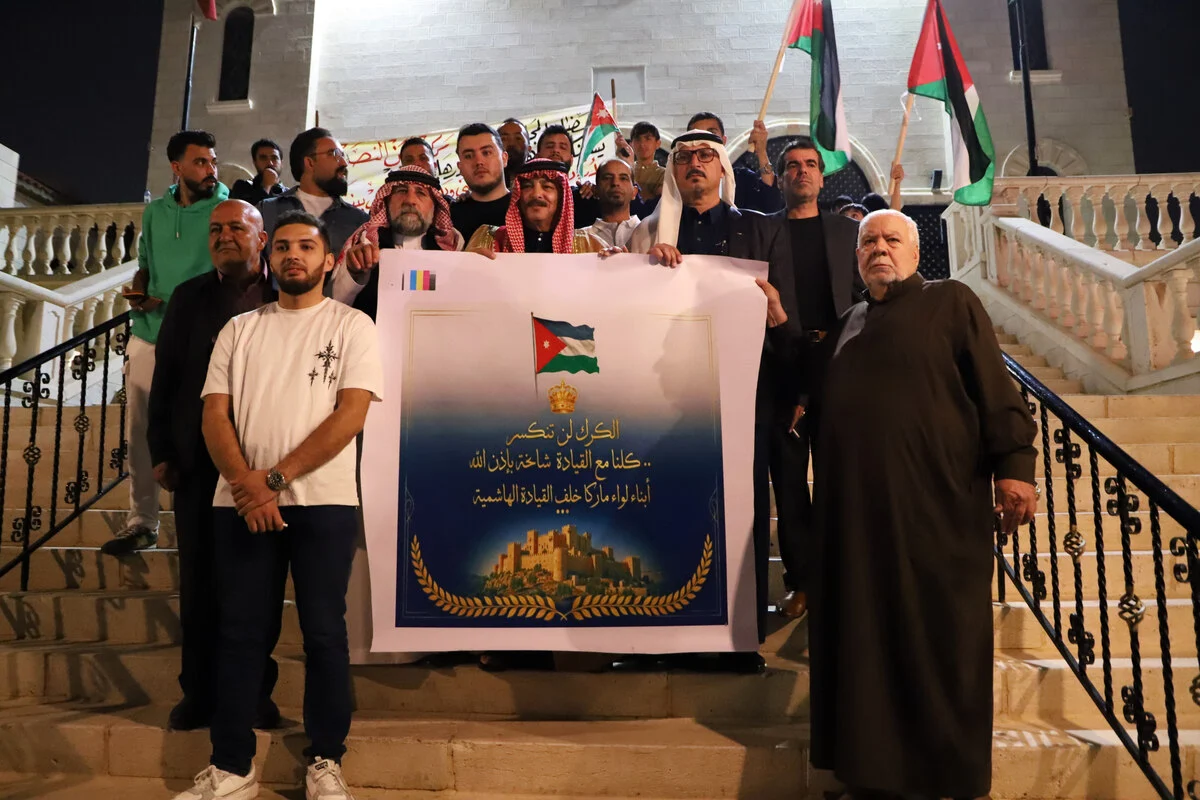
United in Grief and Defiance: Despite the efforts to control information, the public mood was one of profound grief mixed with resolute defiance. In the affluent Sweifieh district of Amman, a powerful demonstration of national unity unfolded outside the Greek Orthodox Church. Christian representatives, respected tribal leaders, and dozens of ordinary citizens gathered, many holding flickering candles, in a spontaneous act of solidarity.
Among them was Hind Hamed, a well-known Jordanian singer and actress, a Muslim woman standing alongside her Christian friend. "I am Muslim and I am here with my Christian friend," she stated, gesturing to the woman beside her. "It was terrible when we heard about it. We are like one single family here." Their words resonated with the deeply ingrained culture of coexistence in Jordan, where religious identity often takes a backseat to national identity and shared humanity.

Both Hamed and her friend emphasized that they were unaware of any particular problems or animosity within their community, especially in Karak, where the solidarity between Muslims and Christians boasts historical roots. Bassem Farraj, the president of the Orthodox Association, articulated the collective sorrow, stating simply, "It is a dark day for Jordan."
Implications for Jordan’s Future
The attack near Karak marks a significant turning point for Jordan. It underscores the kingdom’s increasing vulnerability to the spillover effects of regional instability and the internal challenge of extremist ideologies. The government’s response will be critical, not only in apprehending the perpetrators but also in addressing the underlying socio-economic grievances that extremist groups exploit.
Maintaining Jordan’s delicate balance of interfaith harmony, tribal allegiances, and its strategic partnerships will require robust security measures, sustained economic development, and a renewed commitment to inclusive governance. The attack serves as a stark reminder that even a perceived "oasis of peace" is not immune to the rising tides of terror, forcing Jordan to confront difficult questions about its future stability and its enduring struggle against the forces of extremism. The international community, recognizing Jordan’s crucial role in regional stability, will undoubtedly watch closely as the kingdom navigates this perilous new chapter.