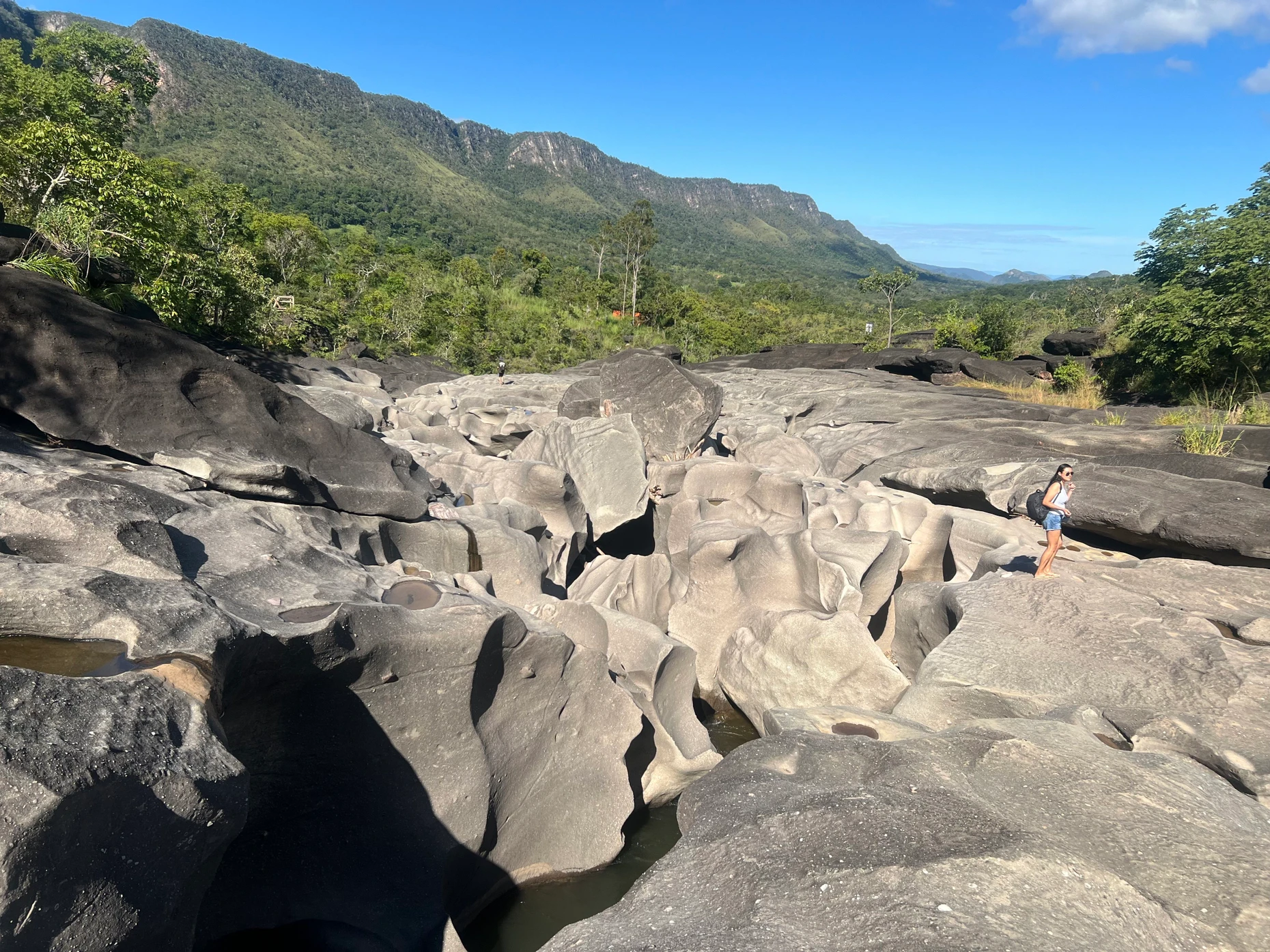
In the heart of Brazil, a few hours’ drive from the bustling federal capital of Brasília, lies a sanctuary that serves as both a testament to history and a battleground for the future. The Kalunga, descendants of enslaved people who fled to the rugged, inaccessible terrain of the Chapada dos Veadeiros, inhabit the country’s largest Quilombo. Once defined by their isolation, the Kalunga have recently found themselves at the center of a complex intersection: the global hunger for ecotourism and the urgent need to protect one of the planet’s most biodiverse, yet fragile, ecosystems—the Cerrado savanna.
Main Facts: The Resilience of the Quilombo
The term Quilombo refers to settlements founded by escaped enslaved people. Since the 1988 Brazilian Constitution, these territories have been legally recognized, granting the communities rights to their ancestral lands. Today, there are more than 7,000 such recognized areas across Brazil.
The Kalunga territory is vast, spanning 162,000 hectares—roughly double the size of the German island of Rügen. Within this expanse, 8,500 people live across 39 distinct villages. The name "Kalunga" itself is derived from the Bantu language, meaning "protected, sacred place." For nearly two centuries, this geography provided a natural fortress, allowing the community to preserve unique cultural traditions, agricultural practices, and a deep, symbiotic relationship with the land.
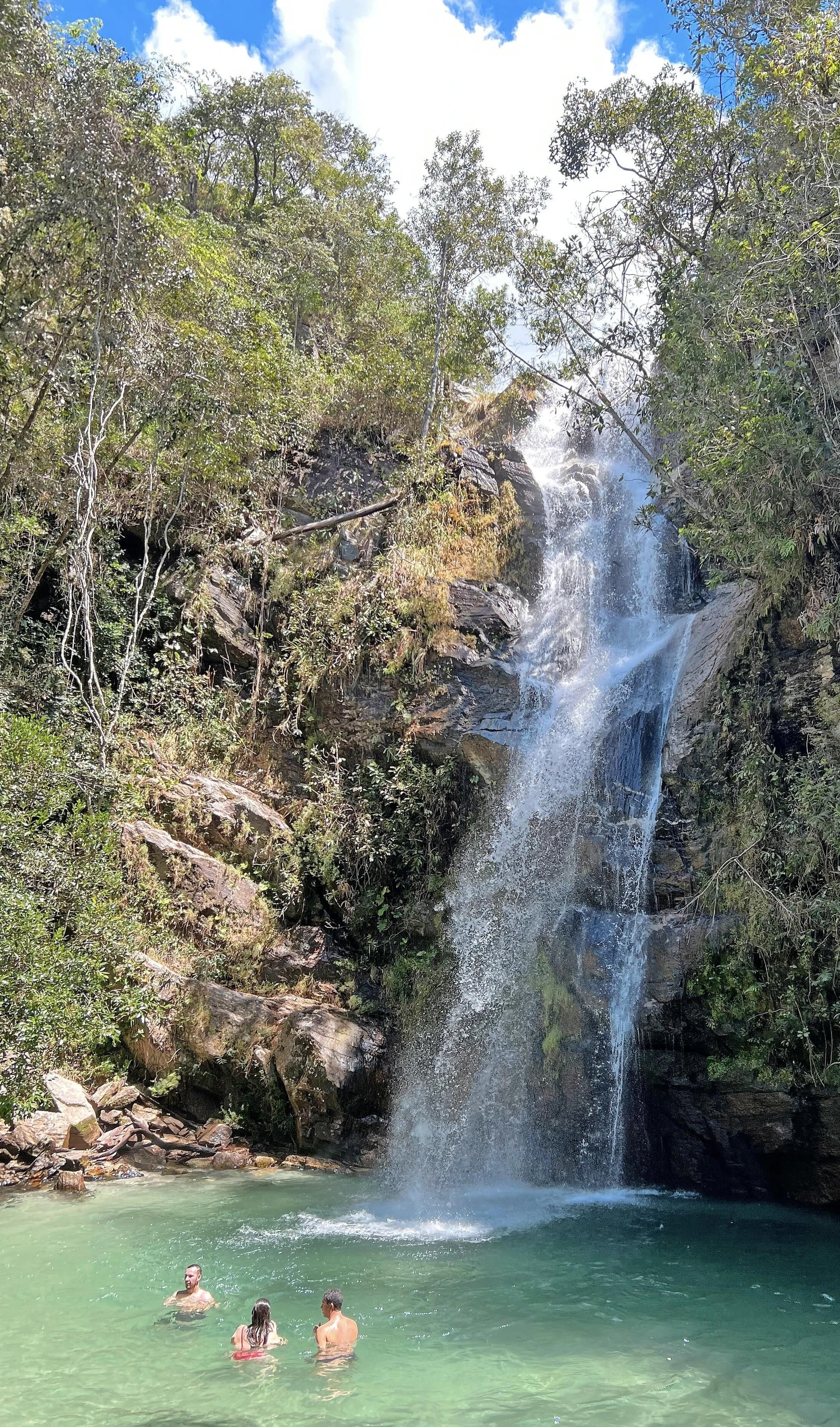
However, the 1990s brought an influx of trekking enthusiasts seeking the breathtaking Santa Barbara Waterfall. The pristine turquoise pools, once a private resource for the community, were suddenly flooded with tourists. The resulting environmental degradation—litter, trampled flora, and disruption of local life—forced the Kalunga to pivot from isolation to a strategy of managed, community-led sustainable development.
A Chronology of Transformation: From Crisis to Control
The turning point for the Kalunga was not a strategic plan, but a legal necessity. In the late 1990s, the degradation of the Santa Barbara area reached such a critical state that members of the community filed a formal complaint with the public prosecutor’s office. This act of civil assertion marked the beginning of a new era.
- 1990s: Trekking tourism spikes; environmental damage to the Santa Barbara region becomes severe.
- Late 1990s/Early 2000s: The Kalunga initiate a formal complaint, seeking to reclaim control over their land.
- Early 2000s: Partnerships are formed with Sebrae, a Brazilian organization supporting small businesses, to professionalize local tourism.
- 2021: The Kalunga register their territory as a TICCA (Territories and Areas Conserved by Indigenous Peoples and Local Communities), a prestigious international recognition of their conservation efforts.
- Present Day: The community operates a highly regulated tourism model, balancing economic independence with the preservation of their heritage and the fragile Cerrado ecosystem.
Supporting Data: The Economics of Stewardship
The Kalunga model is a masterclass in local governance. By partnering with organizations like Sebrae, the community trained hundreds of residents to serve as professional guides. The rules are strict: no more than 300 visitors are permitted at the Santa Barbara waterfall per day, organized in groups of 50, with a one-hour time limit per group. Crucially, the site closes at 4:00 PM, allowing the local wildlife—including jaguars, wolves, and various snakes—to reclaim the water source.
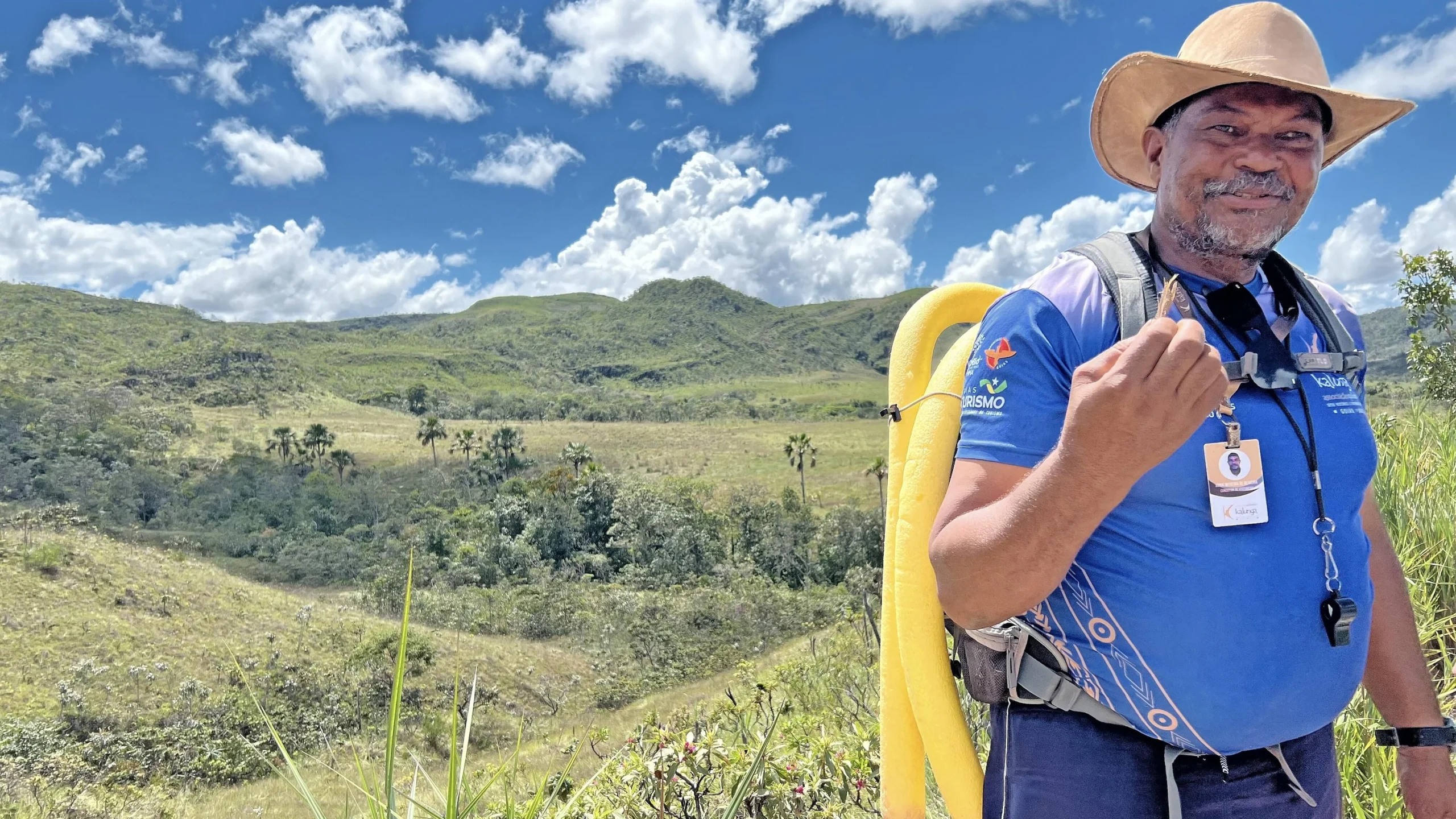
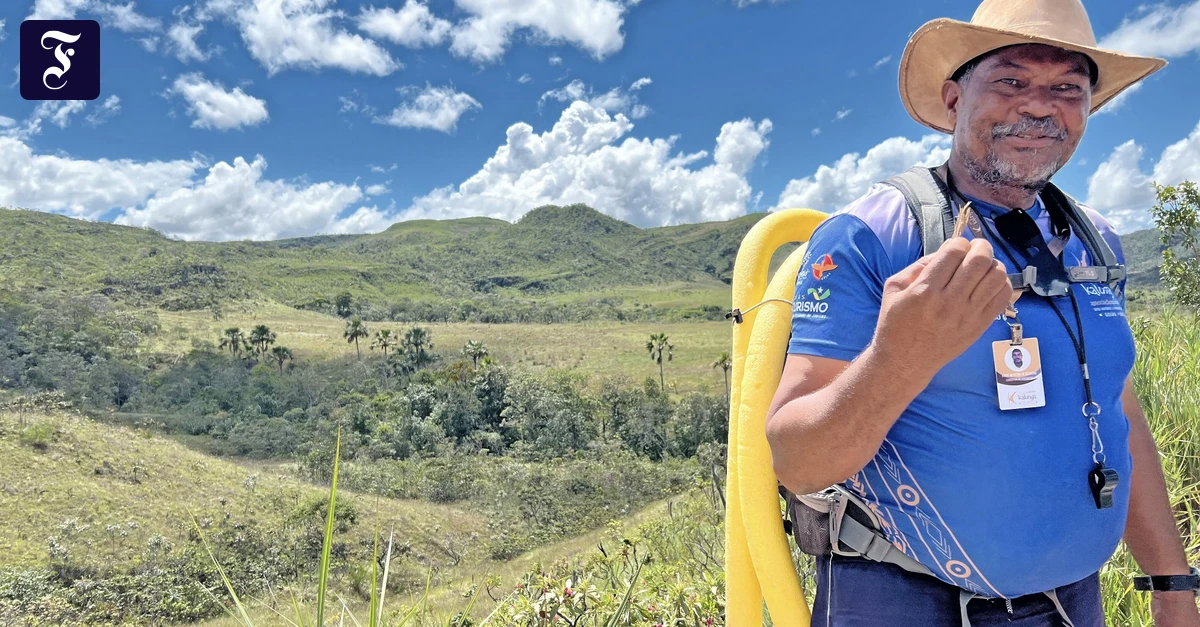
The economic benefits are kept within the community. Fifteen percent of all tourism revenue is funneled into a collective fund, which has been utilized for essential surgeries, community festivals, and sports programs. Jorge Moreira de Oliveira, a 58-year-old resident and father of eight, illustrates the impact of this transition: "I only saw the inside of a school at age 14. Today, we have many young people graduating from universities. Some who left for the cities are coming back; they realize that without our land, we are nothing."
The agricultural output remains a backbone of their existence. Despite the soil of the Chapada dos Veadeiros being nutrient-poor, the Kalunga have mastered the cultivation of a specific fertile vein of land, producing crops like okra, maxixe (a cucumber-like vegetable), and pumpkin, often cooked in traditional, wood-fired, palm-leaf-covered communal restaurants.
Official Responses and Political Friction
The struggle for the Kalunga is far from over. Their home, the Cerrado, is a vital "water tower" for Brazil, yet it is significantly more threatened than the Amazon rainforest. Industrial pressures, including massive soy and corn monocultures, hydroelectric dams, and cattle ranching, are encroaching on the savanna.
Furthermore, the threat of mineral extraction looms large. Over 130 requests for mining rights, including the search for "rare earth" elements, have been filed for the region. The political climate remains volatile; while the Lula administration has made strides in expropriating land from illegal large-scale farmers and compensating them to return the territory to the Kalunga, the budget for these land-restitution processes fluctuates wildly depending on the governing coalition.
The recent acquisition of the Brazilian mining firm Serra Verde by the American company Rare Earth has heightened anxieties. While nearly half of the Quilombo is now registered as collective property, the legal process to secure the remainder is hindered by the complexity of compensating illegal settlers, a process that is often used as a political bargaining chip.
The Implications: A Model for the Future?
The Kalunga have effectively proven that indigenous and traditional communities are the most effective stewards of the environment. By transforming tourism from an external threat into a self-governed economic tool, they have created a buffer against the encroachment of industrial mining and agribusiness.
The implications of their success extend far beyond the state of Goiás. As the global community looks for ways to meet climate goals, the Kalunga approach offers a blueprint for "conservation through autonomy." By allowing the community to manage their own resources, the state ensures that the environment is not only protected but also that the human rights of its inhabitants are upheld.
However, the threat to the Cerrado remains a systemic issue. If the Brazilian state continues to prioritize short-term economic gains—such as mineral extraction—over the long-term ecological and cultural preservation of Quilombolas, the Kalunga could find themselves in a losing battle. The request for recognition as a World Heritage site, filed with the national heritage agency IPHAN, is currently the community’s primary hope for a permanent, international layer of protection.
Conclusion: A Legacy to Preserve
As Jorge Moreira de Oliveira walks the rugged paths of his ancestors, identifying medicinal plants like the Chapadinha tree (used for cough syrup) and the Sassafras (for incense), it is clear that his connection to the land is not merely economic—it is existential. For the Kalunga, the land is not a commodity to be exploited for rare minerals or tourist dollars, but a home to be passed down through generations.
The story of the Santa Barbara waterfall is, ultimately, a story of reclamation. By taking charge of their destiny, the Kalunga have ensured that their history, their language, and their sacred spaces remain intact. Whether this model can withstand the relentless pressure of global industrial demand remains the defining question of the region’s future. For now, the Kalunga stand as a defiant, vibrant, and essential guard over one of the most important ecosystems on Earth.
Travel Notes for the Conscious Visitor
For those wishing to support the Kalunga directly, the journey requires commitment and respect.
- Getting there: International travelers typically fly into Brasília. From there, the most practical route is a rental car for the drive to the town of Cavalcante.
- The Visit: Entrance fees range from €12 to €20, with a mandatory guide (costing between €35 and €50 per day). This fee structure is designed to minimize environmental impact while maximizing local income.
- Staying there: Simple, community-run accommodations are available from €15 per night. Prospective visitors are encouraged to coordinate through the official portal at akceatrativos.sgtour.com.br.
- Expert Insight: For those seeking deeper context, organizations like Maitreya Eco offer guided tours that emphasize the ecological and historical significance of the region.
The Kalunga welcome those who are willing to walk softly, eat locally, and honor the sacredness of the land they have protected for two hundred years.