The international medical community and global health authorities are on high alert following a rare and concerning outbreak of Hantavirus linked to the cruise ship MV Hondius. As health officials scramble to contain the pathogen, the World Health Organization (WHO) has issued a stern warning that the window for potential new cases remains open, with the incubation period stretching up to six weeks.
The situation has triggered a logistical and medical operation spanning multiple continents, as approximately 150 passengers and crew members from 23 different nations return home, many under strict medical surveillance. While the primary cluster appears to be confined to the vessel, the medical community remains cautious, citing the unusual nature of this specific transmission.
The Genesis of the Crisis: A Chronology of Infection
The investigation into the Hondius cluster suggests that the outbreak may have originated with a Dutch couple who boarded the vessel on April 1. According to epidemiological reports, the husband—now identified as the suspected index case—began exhibiting symptoms on April 6, including high fever, severe abdominal pain, and gastrointestinal distress. Despite initial efforts to treat him, his condition deteriorated rapidly, and he tragically passed away on April 11.
For weeks, the severity of the situation was obscured by the nature of the symptoms, which closely mirror those of more common seasonal respiratory infections or gastrointestinal bugs. This diagnostic overlap caused a critical delay in testing for the Hantavirus, a pathogen typically associated with rodent droppings rather than direct human-to-human transmission. It was only after subsequent cases emerged that the potential for a larger, ship-wide cluster was realized, prompting the implementation of rigorous quarantine and isolation protocols.

The Anatomy of the Outbreak
Current data from the WHO confirms eleven documented cases linked to the Hondius cluster. Of these, nine have been confirmed via laboratory testing, and tragically, three individuals have lost their lives.
The virus identified in these cases is the "Andes" type of Hantavirus. Unlike many other strains of the virus, which are typically contracted through contact with rodent excreta, the Andes strain is known for its alarming, albeit rare, capacity for human-to-human transmission. This realization has fundamentally shifted the containment strategy from simple environmental hygiene to intensive contact tracing and monitoring of all individuals who were aboard the ship.
WHO Director-General Tedros Adhanom Ghebreyesus has emphasized that all confirmed cases and suspected contacts have been isolated and are under medical observation, effectively reducing the risk of further community spread. However, the surveillance period remains active until June 21 to account for the maximum incubation period of the virus.
Official Responses and Global Containment
The return of the passengers from the Hondius has necessitated a coordinated response from health ministries across Europe and beyond. In Germany, four passengers were repatriated under stringent safety protocols. Officials from the Federal Ministry of Health have confirmed that, while none showed immediate symptoms upon arrival, these individuals will undergo continuous, close-monitored observation. Should any individual develop symptoms, they are prepared to be treated in specialized high-containment medical centers equipped to manage such viral pathologies.

The reach of the outbreak has also extended into Italy, where a 25-year-old man from Calabria was placed under quarantine in Rome. His case is particularly noteworthy as it highlights the risks of transit; the man had been in contact with a passenger who later died of the virus while traveling on the same flight. This secondary connection has prompted health authorities to trace and contact others who may have shared proximity with the deceased, illustrating the complex web of exposure created by modern international travel.
In the Netherlands, the situation has strained hospital resources. Twelve medical staff members at the Radboudumc hospital in Nijmegen have been placed under a six-week quarantine. These healthcare workers had handled blood and urine samples from an infected patient without adhering to the highest tier of biosafety regulations. While the hospital has stated that the risk of transmission to these staff members is "very low," the quarantine is a mandatory precautionary measure to ensure that no secondary infections occur.
Implications for the Cruise Industry and Public Health
The Hondius incident serves as a stark reminder of the unique vulnerabilities of the cruise industry to infectious disease outbreaks. The combination of international passengers, shared living spaces, and rapid transit between borders makes cruise ships potential hubs for the rapid dissemination of pathogens.
Public health experts are now calling for a re-evaluation of diagnostic protocols for passengers presenting with respiratory or flu-like symptoms while at sea. The delay in identifying the Hondius outbreak was largely due to the clinicians’ initial focus on more common illnesses, a mistake that allowed the virus to circulate among passengers for a longer period than if early, aggressive testing had been performed.

Furthermore, the incident has highlighted the importance of global cooperation in data sharing. The rapid response from the WHO, which involved cross-referencing cases across 23 countries, proved vital in tracing the chain of transmission back to the index case.
Looking Ahead: The Path to June 21
As the world watches the calendar, the focus remains on the surveillance period. The fact that all eleven known cases can be traced back to the Hondius provides a measure of optimism that the virus has not "jumped" into the general public outside of the ship’s network. However, the medical community remains vigilant.
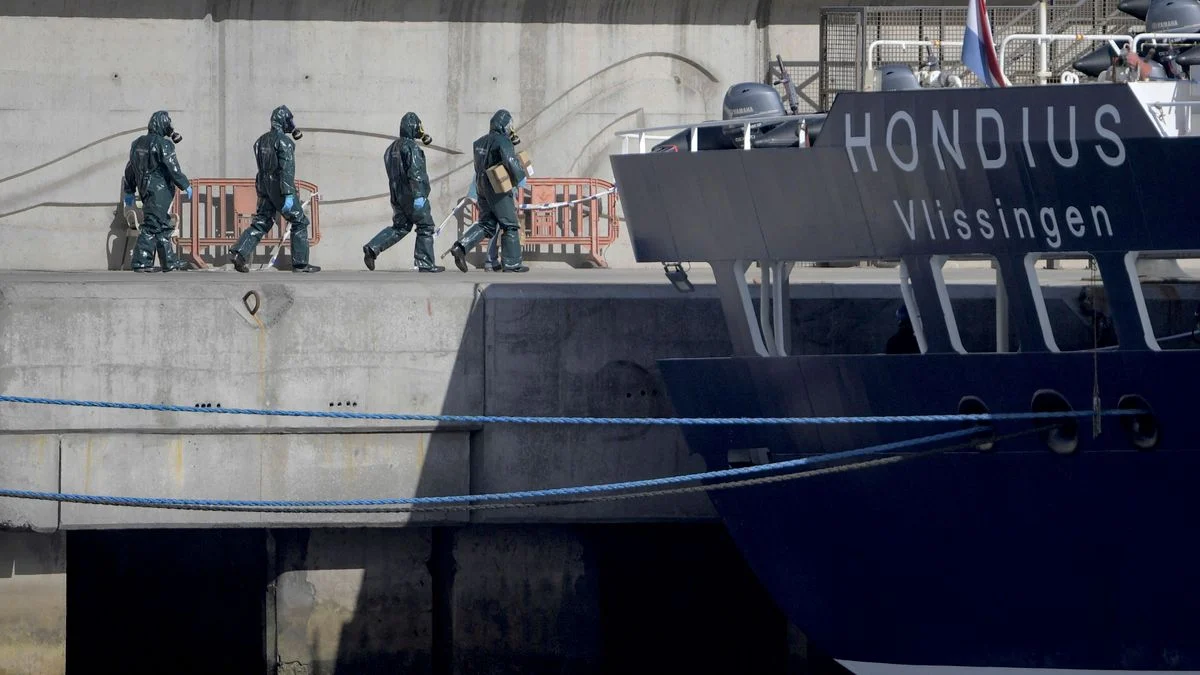
The Hondius itself, after offloading passengers in the port of Granadilla, Tenerife, has continued its journey with a reduced crew, having undergone thorough sanitation. The ship’s return to the Netherlands marks the end of a logistical operation that involved specialized bio-containment procedures and international air corridors.
While the immediate threat appears contained, the scientific community is likely to conduct a deep analysis of this outbreak. The Andes Hantavirus is a formidable adversary, and the lessons learned from this incident—ranging from the speed of clinical diagnostics to the rigor of bio-safety handling in hospitals—will undoubtedly shape the protocols for future outbreaks.

For the families of the victims and the survivors still under observation, the coming weeks represent a period of uncertainty. For global health authorities, it is a period of relentless vigilance, ensuring that what started on a single vessel does not become a broader public health challenge. As June 21 approaches, the world waits for the final word on the containment of this unusual and tragic viral cluster.