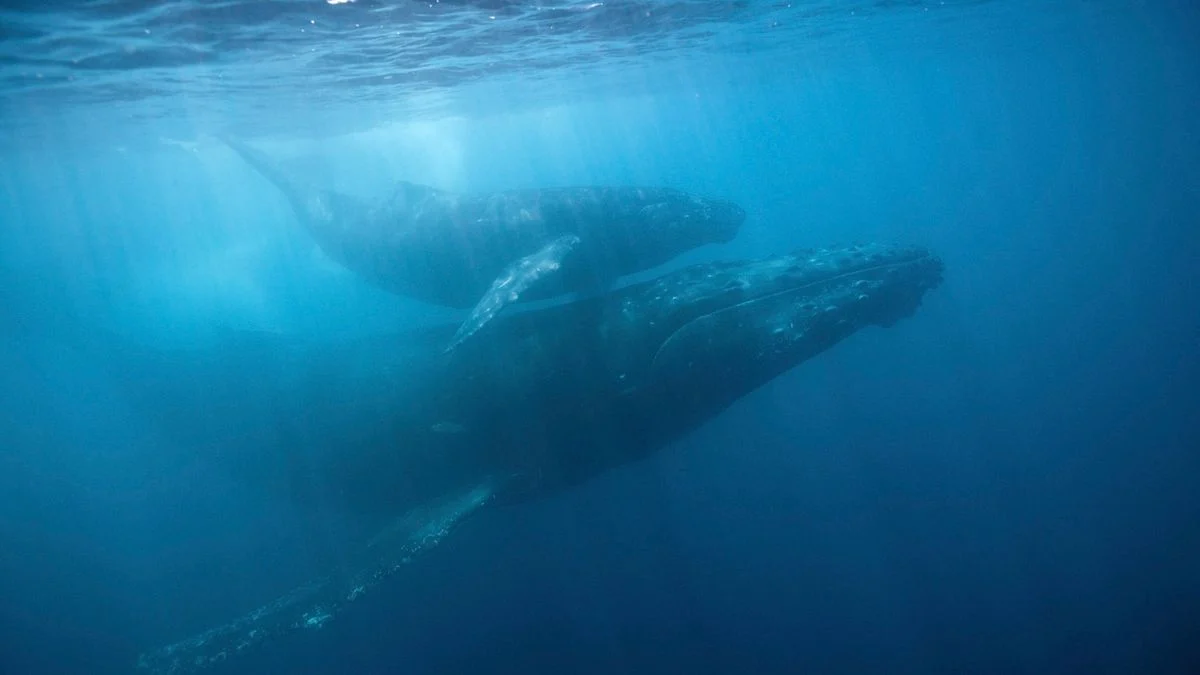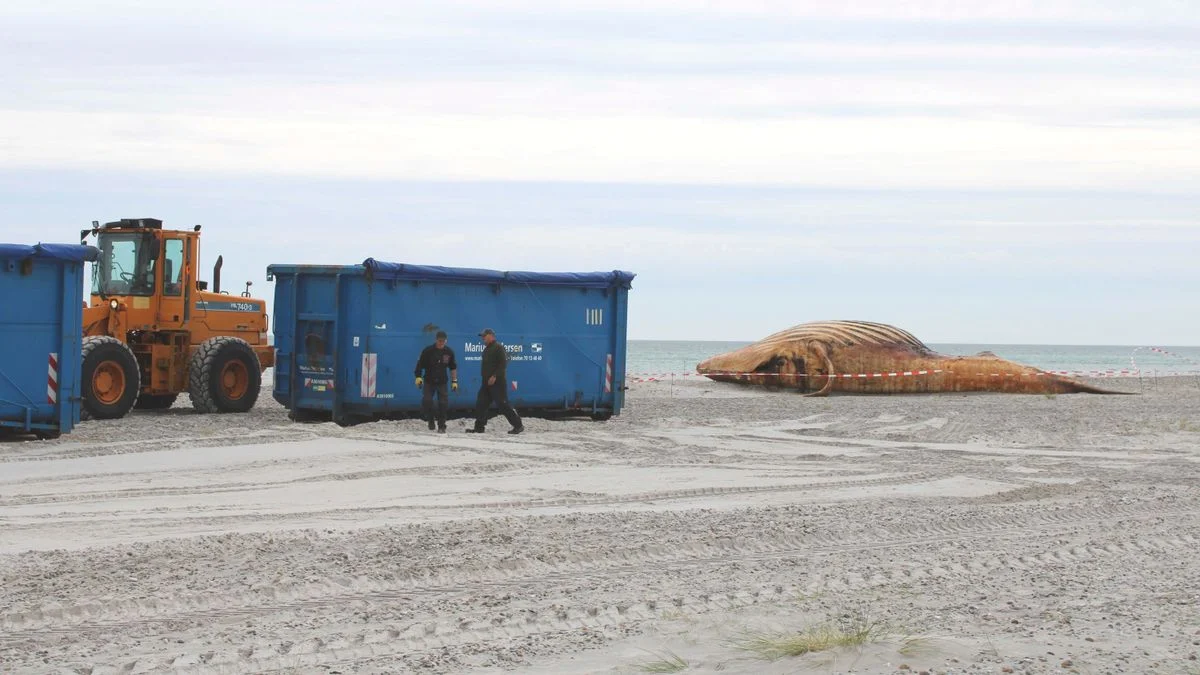
The recent discovery and subsequent disposal of a humpback whale carcass on the Danish island of Anholt has provided a rare, albeit somber, opportunity for marine biologists and environmental officials to study one of the ocean’s most majestic mammals. After being stranded, autopsied, and meticulously transported to the mainland, the whale’s remains are now undergoing a sophisticated industrial repurposing process. This transition from a marine spectacle to a source of renewable energy and scientific data underscores the logistical challenges and scientific imperatives involved in managing large-scale marine strandings.
The Final Journey: From Beach to Industrial Facility
The saga of the humpback whale began several weeks ago when its carcass washed ashore on the remote Danish island of Anholt, situated in the Kattegat strait between Denmark and Sweden. Following a period of assessment by local authorities, the decision was made to perform an on-site autopsy to determine the cause of death and gather biological samples.
The operation was a feat of logistical precision. Last week, experts conducted a multi-hour examination, during which the carcass was opened and segmented. Utilizing heavy machinery, specifically a wheel loader, workers transferred the massive portions of the whale into secure containers. By last Friday, the remains had been cleared from the beach, and on Monday, the transport to the mainland was completed.
The final destination for the remains is the Daka Denmark facility in Randers. Daka, a company specializing in the recycling and repurposing of biological materials, has taken on the task of managing the carcass. A company spokesperson confirmed that the whale is currently being processed through a systematic separation method designed to maximize the utility of the animal’s biomass.
The Industrial Recycling Process: Turning Biology into Energy
The processing of such a large marine mammal involves a high degree of industrial efficiency. According to the Daka facility, the whale is systematically separated into three distinct streams to minimize waste and generate secondary value:
- Water Purification: The fluids extracted from the carcass undergo a rigorous cleaning process. Once purified to meet environmental standards, the water is safely discharged into the local fjord, ensuring that no harmful organic pollutants enter the ecosystem.
- Biofuel Production: The thick layers of blubber and fat—a defining characteristic of the humpback whale—are being harvested and processed into high-grade biodiesel. This transformation turns biological waste into a sustainable fuel source, aligning with broader European efforts to transition toward circular economic models.
- Biomass and Cement Manufacturing: The remaining structural components of the animal, including the dense skeletal system, tendons, and skin, are reduced to a fine meal. This protein-rich biomass is subsequently utilized as a fuel additive in cement factories, where it is incinerated to generate the intense heat required for the production of building materials.
While the majority of the carcass is destined for industrial use, not all of it will be lost to the furnaces. Key skeletal specimens have been preserved and transferred to the Natural History Museum of Denmark in Copenhagen. These bones will serve as a permanent educational and research resource, allowing future generations of scientists to study the morphology and health of this specific individual.
Chronology of the Stranding and Recovery
The timeline of the event highlights the complexity of managing large marine carcasses in sensitive coastal environments:
- Initial Discovery: Several weeks ago, the humpback whale is found dead on the coast of Anholt.
- Biological Assessment: An autopsy is performed on the beach, identifying the whale as a female. Despite the detailed examination, the primary cause of death remains inconclusive.
- Segmentation and Clearing: Over the course of several days, the carcass is dissected and loaded into containers.
- Transport: The containers are moved from the island to the mainland.
- Arrival at Daka: The remains reach the Randers facility to begin the conversion process.
- Data Integration: Authorities move to analyze the tracking data recovered from the animal.
Official Responses and the Mystery of the Tracker
One of the most intriguing aspects of this case is the presence of a tracking device found on the whale. The discovery of this tag has provided a vital link to research initiatives that may hold the key to understanding the whale’s movements prior to its death.
The Ministry of Environment in Mecklenburg-Vorpommern, Germany, has taken an active role in coordinating the data analysis. According to a ministry spokesperson, the data from the tracker has been successfully retrieved. "The data is currently in the full possession of the research initiative and partially available to the ministry," the spokesperson stated.
There is significant anticipation regarding the insights this data might yield. The ministry has expressed a commitment to transparency, noting that the data is undergoing a rapid, comprehensive evaluation. "The data is to be analyzed as quickly as possible," the ministry explained. "As soon as this has been completed, the public will be informed about the findings derived from it."
Scientific Implications: Why This Matters
The death of a humpback whale in the Baltic region is a rare event that demands scrutiny. Humpbacks are typically migratory, following seasonal routes between high-latitude feeding grounds and tropical breeding areas. Finding one in the Baltic suggests either an accidental diversion—possibly due to changes in prey availability or navigational errors—or a wider environmental signal regarding the health of the North Atlantic whale populations.
The Role of Citizen Science and Professional Monitoring
The fact that a tracker was found on the animal suggests it was part of an ongoing longitudinal study. These studies are essential for understanding how climate change, shipping traffic, and acoustic pollution affect whale migration patterns. By comparing the tracker’s telemetry data with environmental records, researchers hope to determine if the whale showed signs of distress or abnormal behavior before its stranding.
Environmental Ethics and Waste Management
The decision to recycle the carcass into biodiesel and cement kiln fuel is a pragmatic one. In the past, large stranded whales were often towed back out to sea or buried, both of which pose significant logistical and environmental risks, including water contamination or methane release. By integrating the whale into an industrial waste management stream, Danish authorities have opted for a solution that respects the physical remains while contributing to the circular economy.
Conclusion: A Legacy Beyond the Beach
While the death of the humpback whale is a loss to the marine ecosystem, the systematic approach taken by Danish authorities ensures that the animal’s legacy is preserved in both scientific and practical terms. From the skeletal samples that will sit in the hallowed halls of the Copenhagen museum to the biodiesel that will eventually power vehicles, the whale continues to serve a purpose long after its life has ended.
As the Ministry of Environment in Mecklenburg-Vorpommern prepares to release the final analysis of the tracker data, the public awaits answers. Whether this whale fell victim to natural causes, human-induced environmental stressors, or simple biological misfortune, its story serves as a reminder of the complex and often invisible lives of the giants that inhabit our oceans. The transparency of this process, from the beach to the laboratory, represents a gold standard in how modern nations manage the intersection of wildlife conservation, scientific research, and environmental sustainability.