As the French Republic faces a convergence of economic despair, educational frustration, and extremist agitation, the government has deployed 70,000 police officers to secure the streets. With shops being boarded up and the specter of civil disorder looming, President Emmanuel Macron’s administration is fighting a battle on multiple fronts to preserve public order and economic stability.
The Current Situation: A State of High Alert
France is currently navigating one of its most precarious social periods in recent memory. The atmosphere across the country, particularly in major urban centers like Paris, is heavy with tension. Following a weekend of significant violence and property damage that resulted in millions of euros in destruction, the government has taken the unprecedented step of mobilizing a massive security force.
Interior Minister Laurent Nuñez announced that 70,000 law enforcement officers will be on duty across the country to suppress potential looting and violent rioting. This move comes in response to credible intelligence suggesting that organized groups are utilizing online platforms to incite further unrest. Prime Minister Sébastien Lecornu, speaking from Limoges—a city recently scarred by the burning of its town hall—characterized the current threat level as "extremely high," signaling that the government views the situation not merely as civil protest, but as an existential challenge to the Republic’s stability.
Chronology of the Escalation
The roots of the current unrest are multifaceted. What began as a series of legitimate protests by students demanding better funding and infrastructure for schools has rapidly expanded into a broader movement against the rising cost of living and systemic economic inequality.
- Initial Mobilizations: For weeks, students have organized demonstrations to voice concerns over educational funding and the controversial "Parcoursup" university admission platform.
- The Weekend of Chaos: Last Saturday (October 17), the peaceful intent of many protesters was overshadowed by violent elements. Large-scale riots broke out, causing millions in damages.
- The Government’s Response: President Macron publicly condemned the actions, characterizing the agitators as "ultraleftist" groups attempting to topple the Republic.
- The Friday Incident: The volatility was further stoked by a separate, chilling event on Friday, where a gunman opened fire from a vehicle in communities near Paris. While initial investigations suggest this may have been a targeted act rather than a direct outcome of the social protests, President Macron classified the shooting as a "racist terrorist attack," further ratcheting up the national anxiety.
The Battle Over Public Space
The tension has spilled over into a legal and logistical conflict regarding the right to protest. Interior Minister Nuñez has confirmed that the state has banned a number of planned demonstrations, allowing only those that can guarantee order through professional security services and that steer clear of high-risk areas.
In Paris, the government’s decision to forcibly alter the routes of union-led demonstrations has triggered outrage. Trade unions have indicated their intent to challenge these restrictions before administrative courts, arguing that the government is infringing upon the democratic right to protest. Meanwhile, in city centers, the visual evidence of the crisis is mounting; shopkeepers are preemptively boarding up their windows with plywood, and municipal authorities have issued warnings for citizens to clear the streets of any debris or items that could be repurposed as barricades or projectiles.

Official Responses and Political Maneuvering
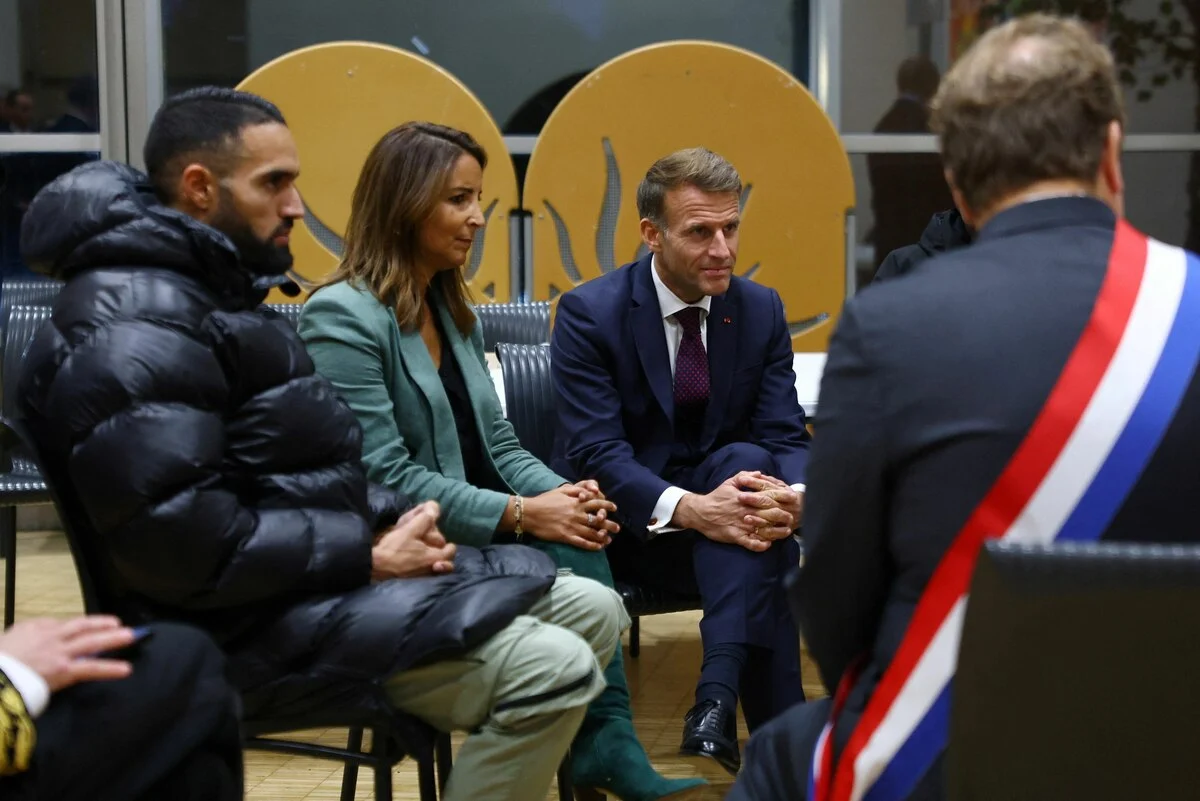
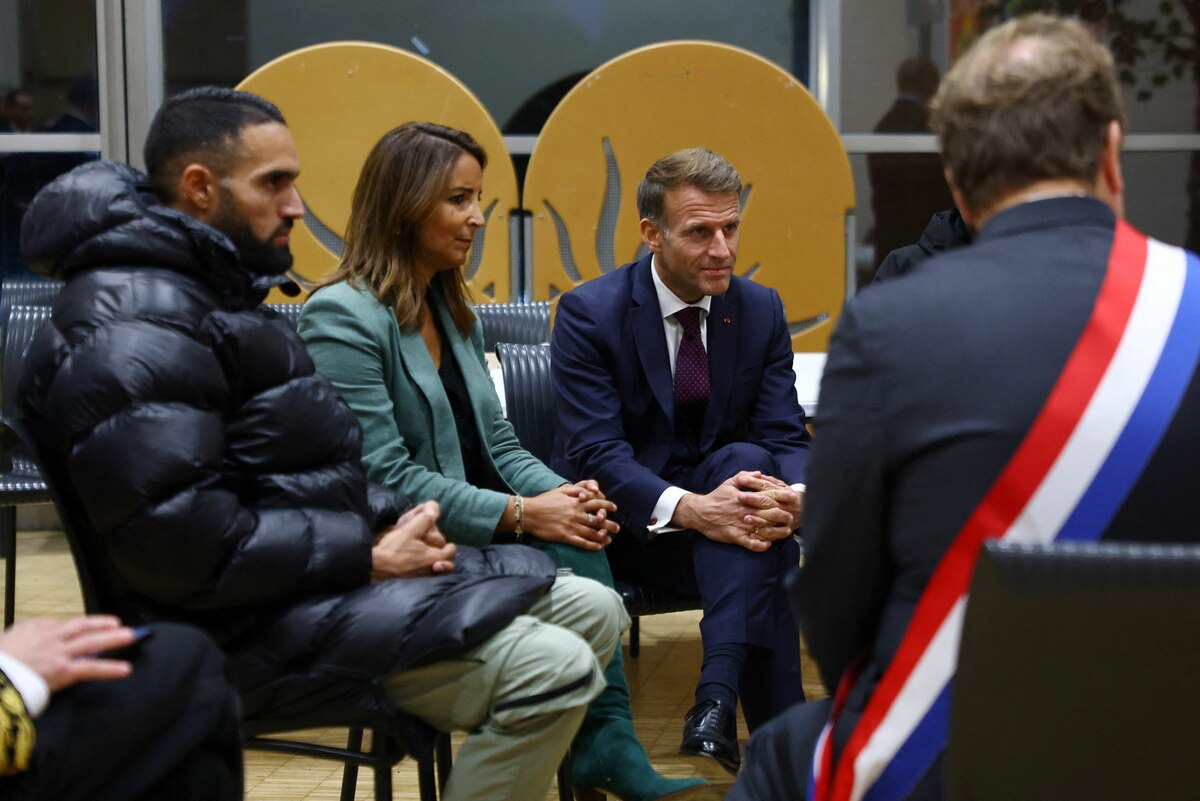
President Macron is attempting a delicate balancing act. On Friday, he held his first direct meeting with student representatives at the Élysée Palace—a three-hour session intended to address their grievances. While some students welcomed the gesture, the reception was largely skeptical. Louis Letoublon, a student representative, explicitly stated, "We remain very suspicious, because Emmanuel Macron has pursued a policy of destroying the public education system."
To alleviate the pressure, the government is reportedly considering moving forward a planned minimum wage increase to January. However, these concessions may be insufficient to quell the anger of a populace struggling with historic levels of public debt. The French state is currently facing a debt burden of 121.7 percent of its GDP, with annual interest payments nearing 80 billion euros. Prime Minister Lecornu is currently struggling to secure a parliamentary majority for a budget that includes 43 billion euros in spending cuts—a task made significantly harder by the ongoing unrest.
Economic Implications: The View from the Markets
Amidst the social turmoil, the international financial community is watching closely. In a surprising turn of events, the rating agency Moody’s decided to maintain France’s credit rating at "Aa3" with a negative outlook, refraining from the downgrade that many investors had anticipated.

Moody’s noted that this decision rests on the assumption that a 2027 budget will be successfully passed that effectively reduces the national deficit, alongside an expectation that social tensions will subside in the coming months. Prime Minister Lecornu expressed relief at the news, claiming it disproves the "pessimistic forecasts" of the government’s critics. However, the underlying structural issues remain: with a deficit still hovering at five percent of economic output—well above the EU’s three-percent limit—France’s fiscal path remains fraught with peril.
The Wider Context: A Society Divided
The unrest is not confined to one sector. It is a confluence of factors:
- The Crisis of the Youth: Students feel neglected by a state that they perceive as prioritizing corporate interests over public education.
- Economic Precarity: The cost-of-living crisis is biting hard, with inflation eroding the purchasing power of the middle and working classes.
- Political Polarization: The government’s framing of the riots as a direct assault on the Republic by "ultraleftist" forces has polarized the electorate, making reconciliation difficult.
- Security Concerns: The recent shooting incident has added a layer of fear, leading to an increased presence of security forces, including the military in some regions, which further escalates the visual militarization of daily life.
Conclusion: A Precarious Future
As the weekend progresses, all eyes remain on the streets of Paris and other major cities. The government’s strategy of massive police deployment combined with targeted concessions is a high-stakes gamble. If the demonstrations remain peaceful, the Macron administration may buy itself the time necessary to push through its budgetary reforms. If, however, the violence witnessed last week repeats itself, the political consequences for the government could be severe.

France finds itself at a crossroads. The challenge for President Macron is to restore faith in the democratic process while managing a fiscal crisis that limits his ability to satisfy the protesters’ demands. The coming days will be critical in determining whether the Republic can navigate this period of "blank nerves" or if it will be forced into a deeper period of instability and systemic reform. For now, the shutters remain drawn, the police lines are set, and the nation waits to see what the next chapter of this social upheaval will bring.