


Paris, France – October 9, 2026 – In a significant move to quell escalating nationwide student demonstrations, the French government has pledged to deploy over 3,000 substitute teachers to address critical staff shortages in secondary schools. The announcement comes as tens of thousands of students have taken to the streets, demanding improved educational conditions, increased funding, and greater investment in the nation’s schools. The initiative, spearheaded by Education Minister Édouard Geffray, aims to provide immediate relief to the 114 high schools identified as facing the most acute teacher deficits.
The government’s commitment, revealed by Prime Minister Sébastien Lecornu, signals a potential shift in its approach to the growing unrest. The additional teaching staff are expected to begin their assignments between Friday, October 9th, and Tuesday, October 14th. This rapid deployment is part of a broader action plan designed to tackle the systemic issues plaguing the French education system, which have been amplified by recent student activism.
A Nation on the Move: The Growing Wave of Protests
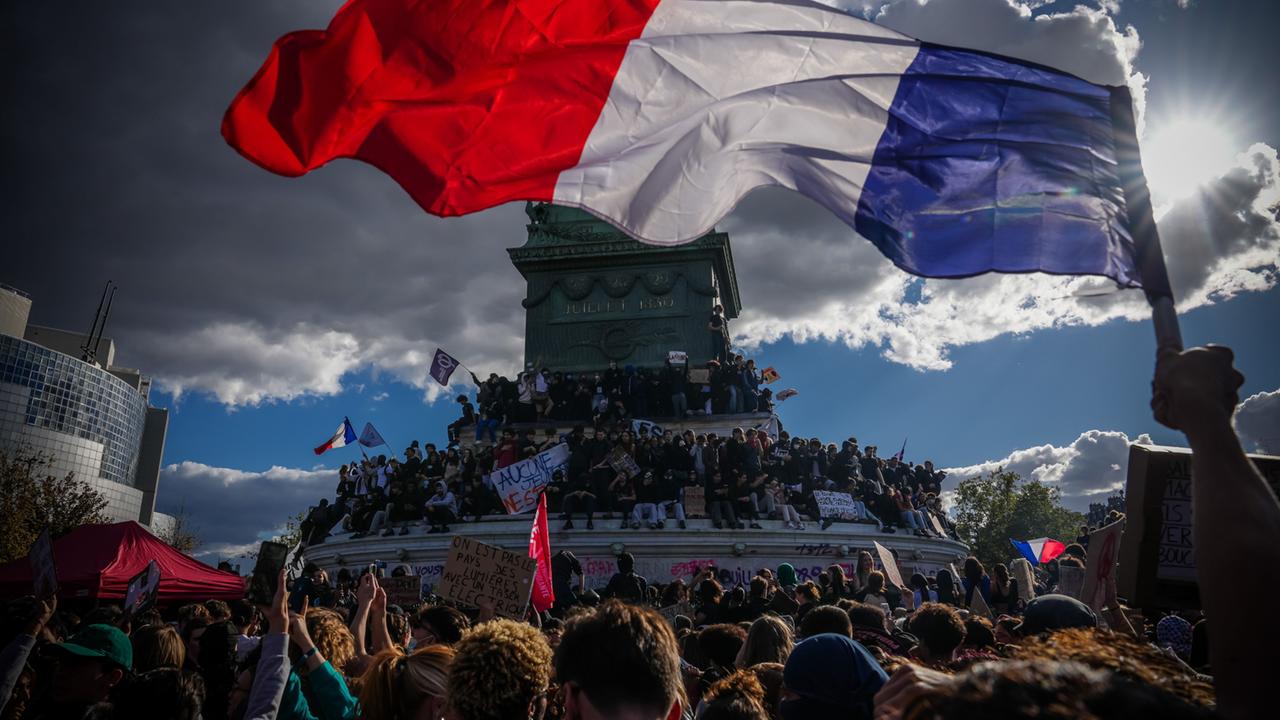
The past two weeks have witnessed an unprecedented surge in student mobilization across France. What began as localized grievances has rapidly coalesced into a national movement, with students of all ages demanding fundamental reforms. The core of their demands centers on a more robust and equitable education system, characterized by better school infrastructure, a consistent supply of qualified substitute teachers, and substantial increases in educational spending. The movement has seen significant solidarity, with university students joining the high school pupils in their calls for change.
The scale of these demonstrations is substantial. In Paris alone, the Ministry of the Interior reported that 24,500 people participated in protests on Thursday. Nationwide, the figures are even more striking, with over 71,500 individuals taking to the streets. While the majority of these gatherings and associated blockades have remained peaceful, the situation has not been without its challenges. The Ministry of the Interior also reported 504 arrests and confirmed that 48 police officers sustained injuries during the protests. Concerns have been raised regarding the use of forceful tactics by law enforcement against predominantly underage demonstrators, leading to public outcry and calls for accountability. The Ministry, however, has also acknowledged an increase in rioting on the fringes of otherwise peaceful demonstrations.
Government’s Response: A Multi-pronged Strategy
Prime Minister Lecornu’s announcement of the 3,000 substitute teachers is the most tangible response from the government to date. However, this initiative is part of a larger strategy aimed at long-term improvement. Beyond the immediate deployment of substitute educators, the government plans to recruit several hundred additional support staff to further alleviate the strain on schools. Furthermore, the government has indicated that following the upcoming autumn break, measures will be implemented to facilitate more short-term teaching cover by existing school staff.
Crucially, the government has also signaled a willingness to allocate additional financial resources. Prime Minister Lecornu announced that the government will introduce budget amendment proposals for 2027. These amendments are intended to translate specific student proposals into concrete policy measures, with a particular focus on enhancing the substitute teacher system. This move suggests an acknowledgment by the administration that financial investment is a critical component of addressing the educational crisis.
Education Minister Édouard Geffray further elaborated on the government’s technical approach, explaining that a new software system will be utilized to identify schools facing the most challenging situations regarding teacher shortages. This data-driven approach aims to ensure that resources are directed effectively to where they are most needed, providing a more targeted response to the crisis.
A Timeline of Escalation and Response
The current wave of protests is not an isolated incident but rather the culmination of growing dissatisfaction with the state of the French education system. While the exact origins of the current intensity can be difficult to pinpoint, the demands articulated by students have been consistent for a considerable period.
- Early September 2026: Initial localized protests begin to emerge in various regions, focusing on specific school-level issues such as inadequate facilities and a lack of consistent teaching staff.
- Late September 2026: The protests begin to gain momentum, with larger gatherings and more coordinated actions. Student unions and activist groups play an increasing role in organizing and amplifying the message.
- Early October 2026: The movement expands significantly, drawing in students from a wider range of educational institutions, including universities. National media coverage increases, highlighting the scale and urgency of the student demands.
- October 7-8, 2026: Major nationwide demonstrations take place, with tens of thousands of students participating in Paris and other major cities. Reports of police interventions and arrests begin to surface.
- October 9, 2026: In response to the mounting pressure and widespread demonstrations, the French government announces its plan to deploy over 3,000 substitute teachers and commits to budget amendments for increased educational funding.
This timeline illustrates a rapid escalation from localized grievances to a national crisis, prompting a significant governmental response.
Underlying Data and Systemic Challenges
The student protests are rooted in observable and quantifiable challenges within the French education system. While precise, up-to-the-minute data is often proprietary and subject to ongoing reporting, several key areas consistently emerge as points of concern:
- Teacher Vacancy Rates: France, like many other developed nations, faces challenges in attracting and retaining teachers, particularly in certain subjects and geographical areas. The Ministry of Education has previously acknowledged significant numbers of unfilled teaching positions. The current crisis highlights that these vacancies are directly impacting the quality of education students receive.
- Substitute Teacher Shortages: The reliance on substitute teachers to cover for absent permanent staff is a critical indicator of systemic strain. When the pool of available substitutes is insufficient, classes are either left unsupervised or merged, disrupting the learning process. The demand for over 3,000 substitutes points to a profound deficit in this crucial area.
- School Infrastructure and Funding: Reports from educational bodies and teacher unions frequently highlight issues with aging infrastructure, insufficient resources for classroom materials, and a general underfunding of the education sector compared to other European counterparts. The students’ demands for increased investment directly reflect these persistent issues.
- Student-Teacher Ratios: While not explicitly detailed in the article, high student-teacher ratios can exacerbate the impact of teacher shortages, making it more difficult for educators to provide individual attention and support.
- Centralized Education System: The mention of "central and, in their view, opaque allocation of university places" suggests ongoing debates about the structure and fairness of the national education framework, which can contribute to student frustration.
The government’s proposed budget amendments for 2027, though still in the proposal stage, indicate a potential recognition of the need for increased financial commitment to address these deep-seated issues.
The Road Ahead: Will the Government’s Measures Suffice?
The French government’s announcement represents a significant attempt to de-escalate the situation and address the immediate concerns of the protesting students. The deployment of 3,000 substitute teachers is a substantial number and, if effectively implemented, could provide tangible relief to many schools. The commitment to future budget increases, while not immediate, offers a glimmer of hope for long-term systemic change.
However, the question remains whether these measures will be sufficient to satisfy the demands of the students and end the protests. The core grievances extend beyond just teacher shortages. The calls for significantly higher education spending, a more transparent university admissions process, and overall improved school resources are deeply ingrained. The student movement has demonstrated remarkable resilience and unity, and it is likely they will continue to push for more comprehensive reforms.
The government’s conciliatory tone and concrete actions are a departure from previous responses, suggesting a recognition of the political and social imperative to address the students’ concerns. The coming days and weeks will be crucial in determining whether this dual approach of immediate intervention and future investment can effectively bridge the gap between the government’s commitments and the students’ aspirations for a revitalized French education system. The involvement of organizations like the ARD Studio Paris, as noted by reporter Julia Borutta, underscores the significant media attention and public interest surrounding this developing situation.




