


Paris, France – October 8, 2026 – A wave of student-led protests is sweeping across France, raising concerns of broader social unrest just seven months ahead of pivotal presidential elections. While Prime Minister Sébastien Lecornu has acknowledged the grievances and pledged to improve learning conditions, he has firmly ruled out any significant new financial injections into the education sector, a stance that has done little to quell the mounting anger. The demonstrations, which began over a week ago, have intensified, with students demanding better resources, more teachers, and improved infrastructure within their educational institutions.
The current unrest highlights deep-seated frustrations within the French student body, exacerbated by a confluence of factors including the lingering impact of the COVID-19 pandemic, global geopolitical instability, and a perceived lack of governmental responsiveness. As protests escalate and new demonstrations are being called, the government faces a delicate balancing act: addressing student concerns without jeopardizing its fiscal objectives and potentially igniting a wider social movement.
The Escalation of Discontent: A Chronology of Student Action
The student protests have gained significant momentum in recent days, evolving from localized actions to a nationwide movement. What began as isolated incidents of civil disobedience has transformed into a coordinated effort by students across various levels of education.
October 1st – 4th: Initial Stirrings and Growing Momentum
Early in the week, scattered reports emerged of student walkouts and demonstrations at several lycées (high schools) and universities. These initial actions, often organized through social media channels, focused on specific local grievances such as dilapidated school buildings and a shortage of substitute teachers.
October 5th: A United Front Emerges
By Monday, the movement had coalesced. Students across France began organizing more significant protests, citing a shared set of demands. The hashtag #EcolesEnCrise (SchoolsInCrisis) began trending on social media platforms, amplifying the students’ voices and coordinating their actions. The government, initially appearing to underestimate the scale of the discontent, was forced to take notice.
October 6th: Widespread Demonstrations and Government Response
Tuesday marked a significant escalation. Large-scale demonstrations took place in major cities, including Paris, Lyon, and Marseille. Students organized blockades at educational institutions, disrupting classes and drawing wider public attention. In response, Prime Minister Lecornu held a series of meetings with education officials and student representatives, signaling a nascent attempt at dialogue.
October 7th: Prime Minister’s Address and Continued Protests
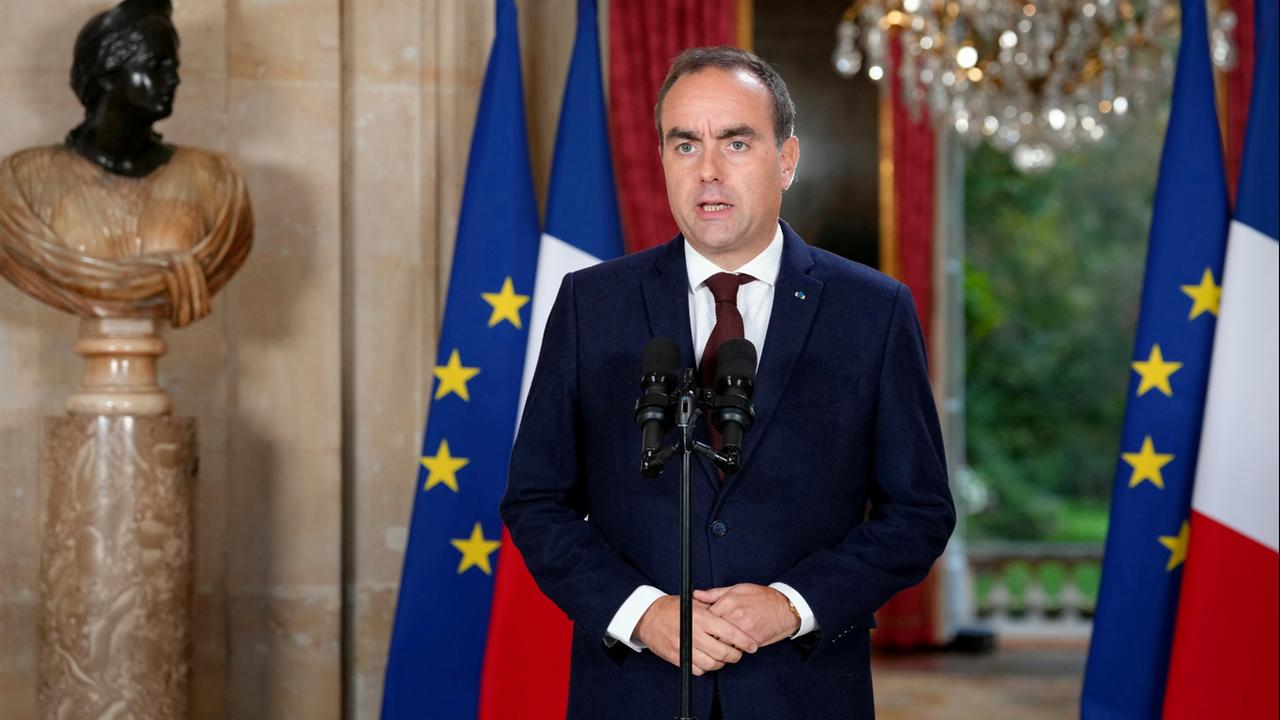
On Wednesday evening, Prime Minister Lecornu delivered a televised address aimed at de-escalating the situation. He acknowledged the validity of student concerns and outlined a series of proposed measures to improve learning conditions. However, his explicit refusal to commit additional funding proved a major disappointment for many. Despite his assurances, new protest actions were announced for Thursday, indicating that the students felt their core demands remained unmet.
October 8th: Ongoing Demonstrations and Union Calls to Action
As of Thursday, protests continue across the country. Educational unions have joined the fray, calling for renewed demonstrations. A major rally has been organized by the high school union USL on the Place de la Bastille in Paris for this afternoon, underscoring the sustained nature of the student movement and the growing solidarity with their cause.
The Students’ Grievances: A Call for Better Education
The demands of the protesting students are multifaceted, reflecting a deep dissatisfaction with the current state of the French education system. At the heart of their movement lies a desire for a learning environment that is conducive to academic success and personal well-being.
- Infrastructure and Resources: A recurring complaint is the dilapidated state of many school buildings. Students report issues ranging from broken windows and crumbling ceilings to inadequate heating and cooling systems. This lack of basic maintenance creates an unpleasant and, at times, unsafe learning environment.
- Teacher Shortages: The lack of sufficient teachers, particularly substitute teachers, is another significant concern. When teachers are absent, classes are often left unsupervised or merged, leading to disruptions in the curriculum and a reduced quality of instruction.
- Overcrowded Curricula and Stress: Students feel that their timetables are excessively packed, leaving little room for breaks, extracurricular activities, or the necessary time for in-depth study. This contributes to high levels of stress and burnout.
- University Admissions Process (Parcoursup): The "Parcoursup" system, designed to streamline university admissions, has been a particular point of contention. Students report a lack of transparency, fairness, and adequate guidance within the platform, leading to anxiety and uncertainty about their future academic paths.
- Lack of Voice and Recognition: Many students, especially those from disadvantaged backgrounds, feel that their concerns are not being heard or taken seriously by the authorities. They are seeking greater student representation and a more inclusive approach to educational policy-making.
Official Responses and Financial Realities
Prime Minister Lecornu’s address to the nation attempted to address these concerns, but his proposals were met with a mixture of cautious acknowledgment and outright skepticism.
Pledges for Improvement, Not Additional Funds:
Lecornu assured students that the government was committed to improving their learning conditions. He highlighted planned measures such as increasing the number of substitute teachers, undertaking building renovations, revising school schedules, and reforming the Parcoursup system. He also pointed to an online platform launched for students to share their problems and demands, which had reportedly received 40,000 responses.
Budgetary Constraints:
However, the central point of contention remains funding. Lecornu stated that the upcoming budget includes an additional €1.2 billion for the education sector, emphasizing that it is one of the few departments with a growing budget. This figure falls significantly short of the €10 billion demanded by educational unions. The government is currently grappling with a substantial national debt and is prioritizing fiscal responsibility, making large-scale increases in education spending a difficult proposition.
Acknowledging Student Anxiety:
In a notable moment, Lecornu expressed understanding for the students’ anger, attributing it to the anxieties they have experienced. He referenced their formative years during the COVID-19 pandemic, witnessing global conflicts, and the ongoing climate crisis, acknowledging the profound impact these events have had on their generation.
Previous Government Actions:
This address followed previous attempts by the government to address the crisis. Last Sunday, ministers were tasked with developing concrete measures to improve the situation in schools. On Tuesday, Lecornu announced that classes would be suspended from Wednesday to Friday to allow for discussions about the problems, a move that backfired as many students opted to protest instead of engaging in internal school debates.
Broader Implications and Strategic Maneuvers
The student protests are not occurring in a vacuum. Seven months before the presidential elections, the government is acutely aware of the potential for these demonstrations to morph into a wider social movement that could destabilize the political landscape.
Preventing a Wider Social Uprising:
The government’s response to the fuel price crisis, by releasing strategic reserves of oil and diesel, appears to be a calculated attempt to address immediate economic anxieties and prevent the student protests from spilling over into broader social discontent. The release of 10 million barrels of diesel and crude oil is expected to lower fuel prices by 12 to 18 cents per liter. This action, coordinated with other G7 nations, is seen as a measure to stabilize the cost of living and potentially diffuse public anger.
Furthermore, the instruction to the state-owned energy company EDF to maximize its production capacity to stabilize electricity prices over the winter is another indicator of the government’s effort to preempt widespread social unrest.
The Political Undercurrent:
The timing of these protests, so close to a presidential election, adds a significant political dimension. Opposition parties are likely to capitalize on the government’s handling of the crisis, potentially using the student grievances as a platform to gain electoral advantage. The government’s ability to effectively manage this situation will undoubtedly be a key factor in shaping public opinion and the electoral outcome.
Student Reactions:
Despite the Prime Minister’s pronouncements, the immediate reaction from students interviewed on radio indicated continued dissatisfaction. Many felt that while their concerns were mentioned, concrete and substantial solutions were lacking. The sentiment among many students appears to be one of continued resolve to protest until their demands are met.
The coming days will be crucial in determining whether Prime Minister Lecornu’s conciliatory approach, coupled with his firm stance on fiscal discipline, will be enough to de-escalate the situation or if France is indeed on the cusp of a broader wave of social unrest. The nation watches with bated breath as the student movement continues to shape the political discourse in the run-up to the presidential elections.




