In the landscape of modern digital infrastructure, the ability to bridge the gap between local workstations and remote cloud storage is not just a convenience—it is a necessity. Cyberduck, a long-standing titan in the file transfer utility sector, continues to serve as an essential tool for developers, system administrators, and casual users alike. By seamlessly integrating traditional protocols with modern cloud-based storage solutions, Cyberduck has established itself as a Swiss Army knife for data management.
Main Facts: More Than Just an FTP Client
While many users initially encounter Cyberduck as a standard FTP/SFTP client, its true strength lies in its extensive protocol support. Cyberduck is not limited to the legacy of file transfer protocols; it acts as a comprehensive gateway to the modern cloud.
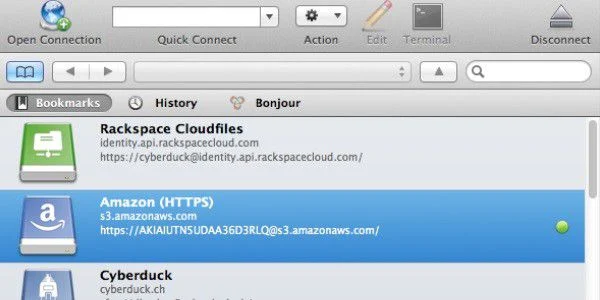
Beyond standard connections like FTP, SFTP, and WebDAV, Cyberduck provides native support for major cloud storage services, including Amazon S3, Microsoft Azure, and Rackspace Cloud Files. Furthermore, it bridges the gap to document management and collaboration platforms like Google Docs. This versatility allows users to manage disparate storage environments from a single, unified interface, effectively removing the friction of switching between multiple web browsers or proprietary cloud applications.
One of the most notable features is its approach to integration. For services that require specific configurations, such as Dropbox, Cyberduck utilizes a robust "Connection Profile" system. Users can download these profiles directly from the official website and, by generating an API key pair via the service’s developer portal, gain seamless access to their cloud files as if they were mounted on a local drive.
Chronology: The Evolution of a Connectivity Tool
The rise of Cyberduck parallels the evolution of the internet from simple server-to-client file transfers to the complex, distributed cloud computing ecosystem we rely on today.
- Early Days: Initially conceived as a streamlined, user-friendly alternative to the cumbersome and often cryptic FTP clients of the early 2000s, Cyberduck gained popularity for its minimalist design and intuitive "Duck" branding.
- Expansion Phase: As web-based collaboration tools began to dominate, the developers shifted focus toward API integration. The introduction of support for Amazon S3 was a watershed moment, marking the shift from a simple utility to an enterprise-ready management tool.
- The Modern Era: In recent years, Cyberduck has focused on security and cross-platform consistency. With regular updates ensuring compatibility with the latest versions of Windows and macOS, the software has maintained its relevance despite the rise of integrated cloud-syncing apps.
- Current State: Today, the software is characterized by its "Bookmark" management system, which allows for sophisticated sorting, filtering, and importing of connection data from legacy tools like FileZilla or FlashFXP.
Supporting Data: Why Efficiency Matters
The utility of a software tool is often measured by the reduction of "context switching"—the cognitive load required to move between different applications. According to industry workflow analyses, professionals lose significant time when juggling multiple interfaces for data management.

Cyberduck addresses this through its refined interface design. By avoiding the clutter of a local file pane—relying instead on the native OS capabilities of the Windows Explorer or the macOS Finder—Cyberduck stays lightweight. This design choice forces the user to interact with the software as a bridge rather than a siloed file manager.
Key performance indicators for users of the platform include:
- Reduced Latency: Through its "Quick Connect" feature, users can establish ephemeral connections without the need to permanently save credentials, ideal for one-off troubleshooting.
- Import Capability: The ability to import bookmarks from competitors like FileZilla ensures that migrating to Cyberduck is a zero-friction process, allowing users to retain their established workflows.
- Automated Maintenance: While the software includes an automatic update mechanism, its design ensures that the background process remains unobtrusive, maintaining a stable environment for long-running file transfers.
Official Perspectives: The Philosophy of the Interface
The developers behind Cyberduck have long maintained a philosophy that software should be "unobtrusive but powerful." In various discussions regarding the tool’s development, the focus has consistently been on the "context menu" as the primary driver of interaction.
Unlike monolithic software suites that attempt to manage every aspect of a file’s lifecycle within a single window, Cyberduck is designed to be an extension of the operating system. By integrating with the system’s native file handling, the developers argue that users are more productive because they are utilizing the interface they are already most comfortable with.
The software’s handling of credentials is also a point of professional pride. By allowing users to switch between anonymous login attempts and manual authentication seamlessly, the tool respects the varied security postures of different server environments. This flexibility is a direct response to the needs of IT professionals who must balance ease of access with stringent security requirements.
Implications: The Future of Cloud Management
As data continues to migrate to the cloud, the role of tools like Cyberduck becomes increasingly critical. The implications of using such a versatile client are significant for both individual power users and enterprise teams.
1. Security and Privacy
By centralizing connections, Cyberduck provides a singular point of audit for where and how data is being moved. Users who rely on the software can manage their API keys and credentials in one location, reducing the risk of "credential sprawl"—a situation where sensitive login details are scattered across dozens of different browser sessions or insecure text files.
2. Workflow Integration
For those who rely on external storage for backups or large-scale project sharing, the ability to use Drag-and-Drop functionality to move files between a local machine and a remote server (such as an S3 bucket) is a major time-saver. It effectively flattens the learning curve for team members who may not be familiar with command-line interface (CLI) tools.
3. The Competitive Landscape
While alternatives such as FileZilla remain popular due to their open-source nature and familiar two-pane interface, Cyberduck occupies a distinct niche. It appeals to users who prefer a modern, cleaner interface that respects the design language of their host operating system. As cloud services continue to evolve, the competition between these tools will likely drive further innovation in encryption, speed, and cloud-native integration.
Conclusion: A Tool for the Modern Era
Cyberduck is far more than a "file transfer" utility; it is a sophisticated interface for the cloud. By successfully balancing a user-friendly design with high-level protocol support, it remains a staple for anyone who needs to manage remote data with precision and efficiency.
For those currently using outdated FTP clients or cumbersome web interfaces to manage their cloud storage, Cyberduck offers a compelling path forward. Its ability to import existing bookmarks, its support for a vast array of cloud services, and its dedication to an intuitive user experience make it an indispensable asset in the digital toolkit. Whether you are a web developer deploying code to a server or a creative professional backing up assets to the cloud, Cyberduck provides the reliability and versatility required to navigate today’s complex digital landscape.
While the market is crowded with alternatives, Cyberduck’s longevity is a testament to its core mission: to provide a stable, clean, and highly capable bridge to the world of remote data. As we move further into a future defined by decentralized storage, the importance of such tools will only grow, solidifying Cyberduck’s position as a foundational element of the modern computing stack.