By Science Editorial, MDR WISSEN
Updated: October 20, 2026
In a medical landscape where time is often the most precious commodity, the diagnosis of leukemia strikes with terrifying frequency. Every twelve minutes, a person in Germany receives the life-altering news that they are battling blood cancer. For many, the road to recovery hinges on a single, fragile possibility: a stem cell transplant. However, the current model of relying on a genetic "match" from a volunteer donor is fraught with systemic limitations. Now, a groundbreaking initiative led by researchers at the Hannover Medical School (MHH) and the Ludwig-Maximilians-University (LMU) Munich is poised to transform this reality by moving the source of life-saving cells from the donor registry to the laboratory.
The project, titled "smartiBONE," represents a paradigm shift in regenerative medicine. Scheduled to commence in November 2026, the research aims to achieve what was once considered science fiction: the mass production of fully functional human blood stem cells.
The Core Challenge: Why We Need a New Source
For patients suffering from leukemia, severe immunodeficiencies, or specific autoimmune disorders, a hematopoietic stem cell transplantation (HSCT) is frequently the only curative option. The procedure replaces the patient’s diseased or non-functional bone marrow with healthy stem cells, which then rebuild the immune system and blood-forming capacity.
Historically, this process has relied on the kindness of strangers. Databases, such as those maintained by the Uniklinik Leipzig or the Magdeburg Bone Marrow Donation Association, are essential lifelines. Yet, the search for a perfect human leukocyte antigen (HLA) match—the genetic "fingerprint" that prevents the body from rejecting the transplant—is often a race against time that many patients lose. Even with millions of registered donors worldwide, the statistical probability of finding a compatible donor for every patient remains stubbornly low.
The logistical burden is equally significant. As noted by clinicians at the Uniklinik Leipzig, donors must be healthy enough to undergo a procedure that involves the extraction of roughly 1.5 liters of bone marrow—a physically demanding process that acts as a barrier to entry for many potential volunteers.
The "smartiBONE" Strategy: A Technological Leap
The team at MHH, led by Professor Dr. Nico Lachmann and Dr. Mark Klassen, is shifting the focus toward induced pluripotent stem cells (iPS-cells). The technology behind iPS-cells is a cornerstone of modern Nobel-winning science: researchers take mature, specialized cells (such as skin cells) and "reprogram" them back into an embryonic-like state. From this pluripotent state, they can be coaxed to develop into almost any cell type in the body—including blood stem cells.
Creating the Artificial Niche
The primary hurdle researchers have faced in the past is that lab-grown stem cells often lose their "potency" or their ability to self-renew once outside the human body. They might produce blood cells for a short time, but they fail to establish the long-term, sustainable marrow environment necessary for a permanent cure.
To overcome this, the "smartiBONE" project is pioneering the use of "bone-marrow-like organoids." These are sophisticated, three-dimensional mini-organs engineered in the laboratory to mimic the precise physical and chemical environment of the human bone marrow. By providing these cells with the correct "niche," researchers believe they can ensure that the lab-grown stem cells retain their critical function: the ability to mature into all necessary blood cell lineages while simultaneously maintaining a self-renewing reserve.
Chronology of the Scientific Pursuit
The path to this project has been decades in the making:
- 2006: Shinya Yamanaka’s discovery of iPS-cells creates the theoretical foundation for reprogramming mature cells.
- 2015–2022: Initial laboratory studies confirm that blood cells can be produced from iPS-cells, though clinical-grade, large-scale production remains elusive.
- 2024: Pilot experiments in Hannover demonstrate that organoid models can support the survival of these sensitive cells better than traditional petri dishes.
- October 2026: Federal funding is confirmed, and the "smartiBONE" project is formally launched.
- November 2026: Commencement of the primary research phase, focusing on scaling production to meet clinical standards.
Supporting Data: The Magnitude of the Crisis
The urgency of this research is underscored by sobering statistics from the German cancer registries. In Saxony alone, the most recent reports track 373 new cases of acute leukemia annually, alongside a mounting volume of chronic and other malignant blood-system disorders.
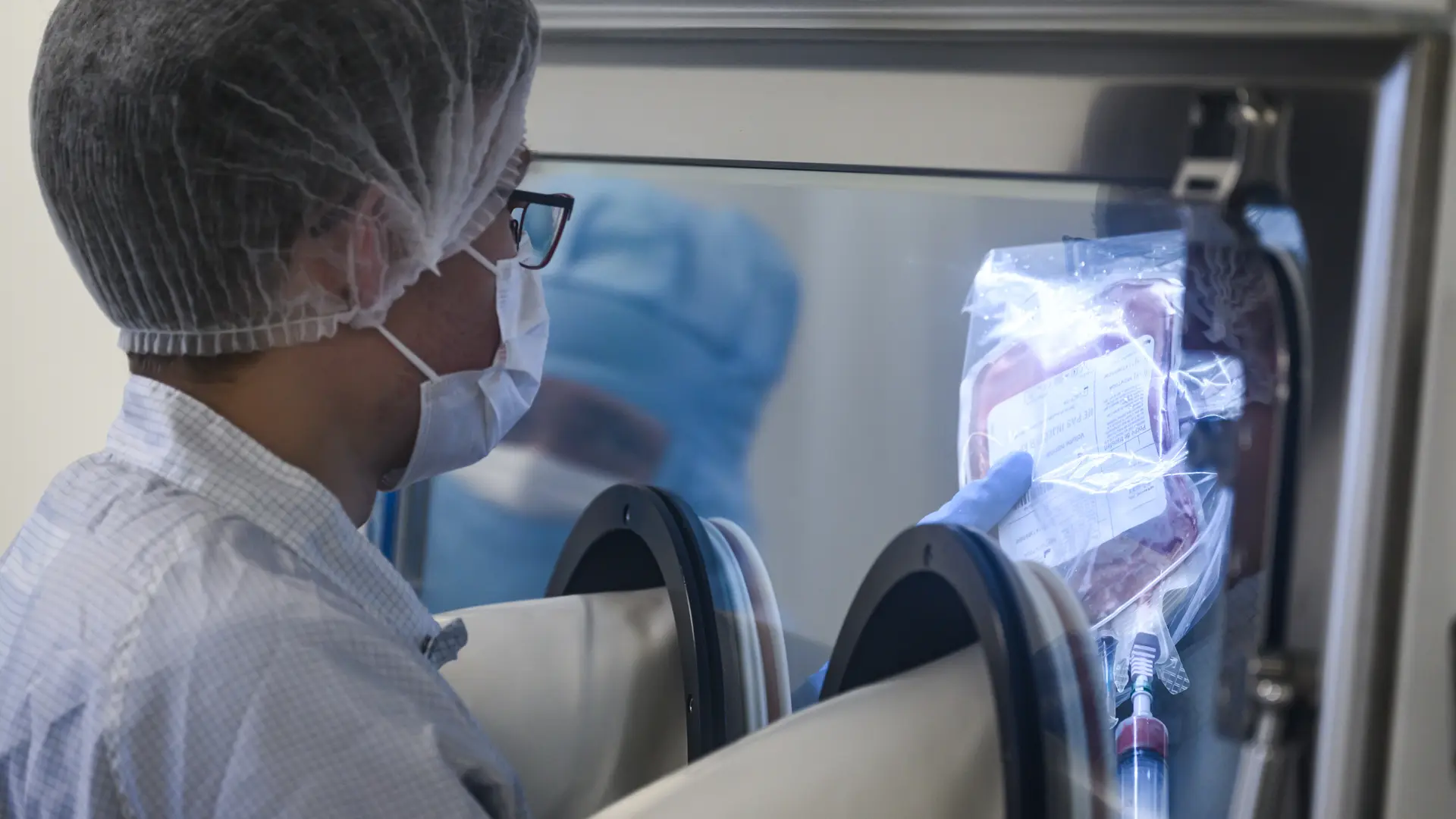
Unlike organ transplants, where there is a defined waiting list based on priority and urgency, the search for a stem cell donor is a global, parallel hunt. When a patient is diagnosed, physicians initiate an international search. If no match is found, the window for effective intervention may close. By producing these cells in the lab, the medical community could move away from the "search and wait" model toward an "off-the-shelf" or "patient-specific" model, potentially saving thousands of lives that currently fall through the cracks of the global donor registry.
Official Perspectives and Funding
The project has received a significant vote of confidence from the federal government, which has allocated one million euros to support the endeavor. This funding is strategically placed, with the project being integrated into the MHH’s Center for Cell and Gene Therapies.
"This is not just about creating cells; it is about creating a reliable, high-quality supply chain for regenerative medicine," says an official close to the project. The research is further supported by the RESIST Cluster of Excellence and the German Center for Lung Research (DZL), reflecting the interdisciplinary nature of the work. By integrating expertise from immunology, hematology, and bioengineering, the team aims to bridge the gap between basic laboratory research and the bedside.
Clinical and Societal Implications
If the "smartiBONE" project succeeds, the implications for modern medicine are vast.
1. Independence from Donor Availability
The most immediate benefit would be the reduction of dependency on volunteer registries. While registries remain vital for the foreseeable future, the ability to generate customized stem cells could provide a "plan B" for patients who are currently considered "untransplantable" due to rare genetic markers.
2. Tailored Immunotherapies
Beyond leukemia, the ability to manufacture hematopoietic stem cells opens the door for advanced gene editing. Researchers could, in theory, correct genetic mutations within the iPS-cells before they are transplanted into the patient. This would allow for the treatment of hereditary blood diseases—such as sickle cell anemia or thalassemia—with the patient’s own corrected cells, eliminating the risk of graft-versus-host disease (GvHD), a dangerous complication where the donor’s immune cells attack the recipient’s body.
3. Scaling for Global Access
Currently, cell therapies are notoriously expensive and labor-intensive. By developing protocols for large-scale, automated production within these organoid systems, the MHH team hopes to lower the cost of production. Making these therapies accessible is as much a social goal as it is a scientific one.
The Road Ahead
Despite the optimism, the research team remains cautious. Scaling up from a lab dish to a clinical-grade bioreactor involves immense challenges in quality control, sterility, and regulatory approval. The cells must be rigorously tested to ensure they do not carry any risk of malignancy, such as the uncontrolled growth that can sometimes occur with stem cell-derived products.
However, the mood in the Hannover laboratory is one of focused determination. The "smartiBONE" project is not merely an academic exercise; it is an attempt to rewrite the rules of hematology. For the thousands of patients diagnosed with blood cancer every year, the work being done in these laboratories offers a glimmer of hope that one day, a cure might not depend on finding a stranger in a database, but on the power of human ingenuity to regenerate life from within.
As the project enters its active phase this November, the global medical community will be watching. If successful, the laboratory-grown stem cell could become the cornerstone of 21st-century medicine, proving that when biology reaches its limits, science can provide the next chapter.