Berlin, Germany – A significant political breakthrough has been achieved in Berlin, paving the way for formal exploratory talks between the Left Party (Die Linke), the Greens (Bündnis 90/Die Grünen), and the Social Democratic Party (SPD) to form a new governing coalition. After intense preliminary discussions spanning two and a half weeks since the city-state’s parliamentary elections, the three parties have reportedly reached a crucial agreement on a robust "action package" designed to unequivocally address and combat antisemitic incidents. This consensus, a pivotal hurdle in the formation of a potential "Red-Green-Red" alliance, clears the path for deeper negotiations to shape Berlin’s future.
The development, initially reported by the Tagesspiegel, marks a critical juncture in the post-election political maneuvering. The agreement underscores a shared commitment to a foundational principle of German society and politics: an unwavering stance against antisemitism. This common ground was deemed indispensable by the prospective partners, particularly in light of past controversies surrounding elements within Die Linke.
Main Facts: A New Chapter for Berlin Governance
The capital city of Germany, a vibrant metropolis often at the forefront of progressive policies and social debates, is on the cusp of potentially ushering in a new era of left-leaning governance. The core facts are as follows:
- Exploratory Talks Approved: Die Linke, Bündnis 90/Die Grünen, and the SPD have formally agreed to commence exploratory talks, the first step towards negotiating a comprehensive coalition agreement.
- Anti-Antisemitism Agreement: A key "action package" against antisemitism has been settled upon, removing a significant obstacle that had threatened to derail the coalition discussions. This package is understood to outline concrete measures and a unified stance in the event of antisemitic incidents, ensuring a clear and consistent response from the governing body.
- Election Outcome: The Left Party emerged as the clear winner of the September 20th election for the Berlin House of Representatives, securing 25.7 percent of the vote. The Greens followed with 14.3 percent, and the SPD garnered 12.1 percent. This distribution of seats necessitates a three-party alliance to form a stable majority.
- Leadership Intent: Elif Eralp, the Left Party’s lead candidate, immediately after the election, signaled her strong intention to form a government with the Greens and SPD. Werner Graf, the Greens’ top candidate, had also expressed a preference for this specific constellation during the election campaign, indicating a degree of pre-alignment between two of the parties.
- Shift from Previous Government: The impending coalition would succeed the previous administration, which saw the Christian Democratic Union (CDU) and the SPD governing together. This signals a notable shift in Berlin’s political direction, potentially towards more progressive social and environmental policies.
This initial agreement on such a sensitive and fundamental issue demonstrates a serious commitment from all three parties to overcome differences and forge a viable governing alliance. The focus now shifts to the specifics of policy and the intricate process of hammering out a shared agenda for the next legislative period.
Chronology of Events: From Ballot Boxes to the Negotiation Table
The journey towards this "Red-Green-Red" agreement has unfolded rapidly since the September 20th election, which saw a diverse array of political forces vying for control of the Berlin Abgeordnetenhaus.
September 20th: Election Day and Initial Results
The citizens of Berlin cast their votes, and the results quickly pointed to a fractured political landscape requiring complex coalition negotiations. Die Linke, defying some expectations, secured a decisive victory with 25.7% of the vote. This put them in a strong position to lead coalition talks. The Greens, traditionally strong in urban centers like Berlin, secured 14.3%, while the SPD, a long-standing fixture in Berlin politics, finished with 12.1%. The CDU, the previous senior partner in the grand coalition, saw its support diminish, as did other parties.
September 21st – 25th: Initial Soundings and Statements of Intent
In the immediate aftermath of the election, political leaders began to assess their options. Elif Eralp, for Die Linke, wasted no time in publicly stating her party’s preference for a coalition with the Greens and SPD. This was a clear signal, indicating a strategic preference for a progressive alliance over other theoretical possibilities. Werner Graf of the Greens echoed this sentiment, reinforcing the notion that a left-leaning government was the most desirable outcome for his party. The SPD, traditionally a party that has governed in various constellations, entered the post-election period with a more cautious tone, recognizing the complexities and potential internal disagreements that such a partnership might entail, particularly concerning the Left Party’s more radical elements.
Late September – Early October: Identifying Hurdles and Preliminary Discussions
As informal discussions began, two significant obstacles quickly emerged, casting a shadow over the potential Red-Green-Red alliance. The first, and most prominent, was the issue of antisemitism. Certain statements and positions taken by individual members or factions within Die Linke concerning Israel, Palestine, and broader definitions of antisemitism had drawn considerable criticism during the election campaign and in previous legislative periods. For the Greens and especially the SPD, a party with a strong commitment to democratic values and historical responsibility, a clear and unambiguous stance on antisemitism was non-negotiable.
The second, though less detailed in public discourse, involved allegations of proximity of "individual politicians" within the Left Party to "organized criminality." While specific instances were not widely publicized, the very existence of such accusations would naturally raise concerns about integrity and governance, presenting a further challenge to coalition partners seeking to uphold public trust.
Early October: Intensive Negotiations on the "Action Package"
Recognizing the gravity of the antisemitism issue, the three parties engaged in focused preliminary discussions specifically aimed at addressing this sensitive topic. It became clear that without a satisfactory resolution, no formal exploratory talks could commence. These were not general policy talks, but rather concentrated efforts to craft a binding framework to manage future situations and articulate a shared, uncompromising position. The discussions were intense, reflecting the high stakes and the deep historical sensitivities involved in German political discourse around antisemitism.
Today’s Announcement: The Breakthrough
The diligent work behind the scenes culminated in today’s announcement: an agreement has been reached on the "action package" against antisemitism. This pact effectively removes the most significant political and moral obstacle. With this foundational understanding in place, the path is now clear for Die Linke, the Greens, and the SPD to move from preliminary soundings to formal exploratory talks, where they will begin to delve into substantive policy areas.
Supporting Data: Election Context and Party Dynamics
To fully understand the significance of this impending coalition, it’s crucial to examine the broader context of the Berlin election results and the political dynamics within each party.
The Berlin Electorate’s Message:
The September 20th election saw a clear shift towards the left, with Die Linke securing a plurality of votes. This outcome can be interpreted as a mandate for change, particularly in areas like housing, social welfare, and climate policy, which were prominent issues during the campaign. Berlin, as a city-state, faces unique challenges, including a rapidly growing population, an acute housing crisis, increasing gentrification, and the imperative to meet ambitious climate targets. Voters likely gravitated towards parties offering more radical or direct solutions to these issues. The overall voter turnout, though not specified in the original snippet, is typically a factor in interpreting the strength of such a mandate. A higher turnout often lends more weight to the results, while lower participation might indicate voter apathy or disillusionment.
Die Linke’s Ascendancy and Internal Nuances:
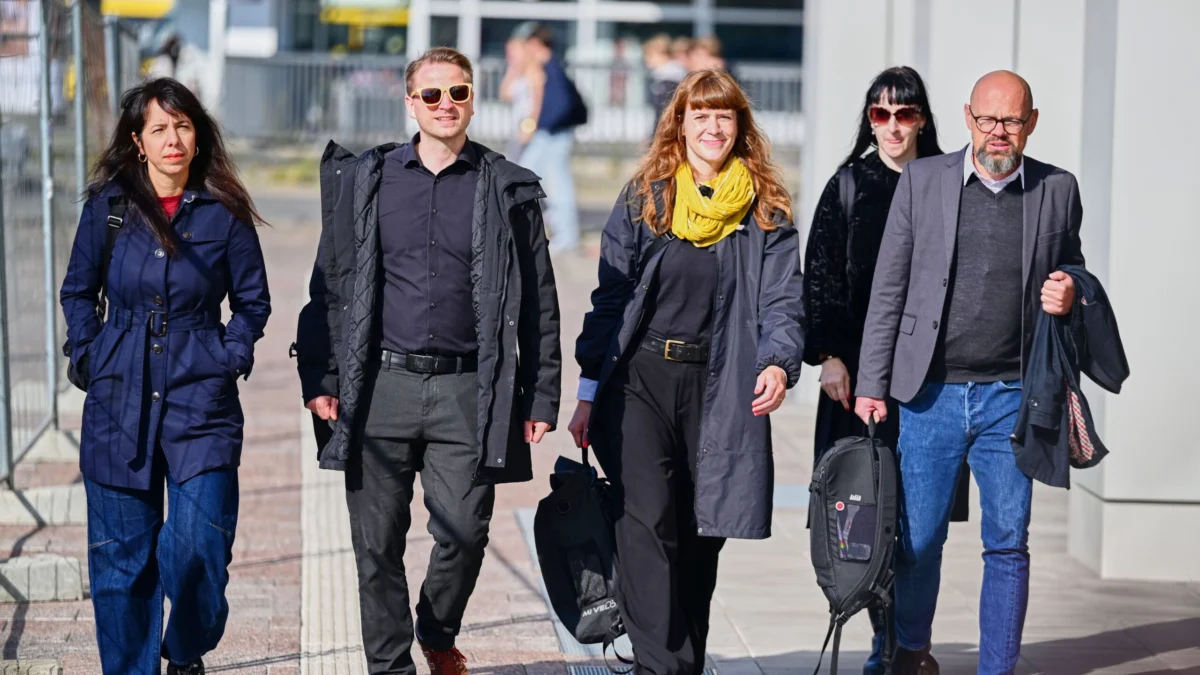
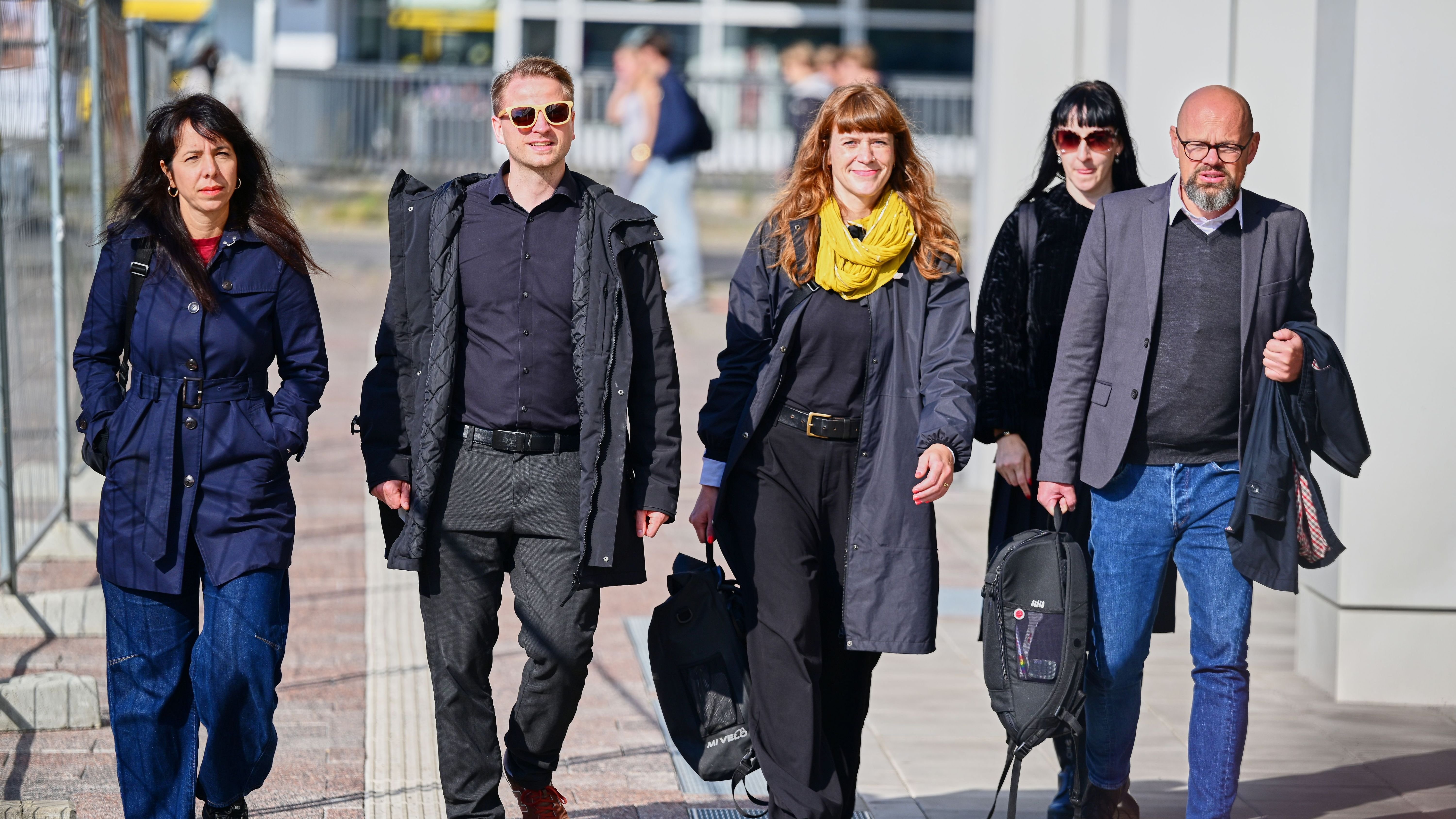
Die Linke’s victory with 25.7% places them in the leading role for government formation, a powerful position they have not consistently held in Berlin’s post-reunification history. Led by Elif Eralp, a figure who has emphasized a more pragmatic approach while upholding core socialist principles, the party’s platform resonates with a significant portion of Berliners concerned about social inequality, rising rents, and public services. However, Die Linke is a broad church, encompassing various factions ranging from reform-oriented socialists to more radical elements. It is these more radical voices, particularly concerning foreign policy, Israel, and historical narratives, that have historically fueled the antisemitism accusations. The "action package" agreement will likely require internal consensus-building within Die Linke to ensure all factions adhere to the agreed-upon common line. The image showing Elif Eralp alongside other Linke leaders like Maximilian Schirmer, Kerstin Wolter, and Tobias Schulze underscores the collective effort required to navigate these complex internal and external challenges.
The Greens’ Strategic Alignment (14.3%):
Bündnis 90/Die Grünen, with 14.3% of the vote, positioned themselves early on as natural partners for a left-led government. Their core agenda of climate protection, sustainable urban development, and social justice aligns well with many of Die Linke’s and the SPD’s progressive goals. Werner Graf’s vocal support for a Red-Green-Red coalition during the campaign highlighted this strategic preference. For the Greens, entering government in Berlin provides an opportunity to implement their policies in a major European capital, potentially setting precedents for other cities and even federal politics. Their emphasis on human rights and anti-discrimination made their demand for a clear stance against antisemitism particularly strong.
The SPD’s Pivotal Role (12.1%):
The Social Democrats, despite finishing third, hold a crucial swing vote. With 12.1% of the vote, they are essential for forming a stable majority with Die Linke and the Greens. Having just concluded a coalition with the CDU, the SPD faced a choice between continuing a grand coalition (if mathematically possible and politically desirable for the CDU) or pivoting left. The SPD’s traditional focus on social justice, labor rights, and public services provides a bridge between the more radical elements of Die Linke and the environmental focus of the Greens. Their historical commitment to fighting extremism and upholding democratic values made the anti-antisemitism agreement a non-negotiable prerequisite. For the SPD, this coalition represents a chance to reassert its influence on progressive urban policy and potentially revitalize its electoral appeal.

The Antisemitism Controversy: A Recurring Challenge:
The allegations of antisemitism against parts of the Berlin Left are not new. They stem from complex debates surrounding the party’s stance on the Israeli-Palestinian conflict, its relationship with certain activist groups, and occasional controversial statements by individual politicians. In Germany, due to its historical responsibility, the fight against antisemitism is a cornerstone of political consensus. Any party seeking to govern, especially in a prominent state like Berlin, must demonstrate an unequivocal commitment to this principle. The "action package" is therefore not merely a formality but a fundamental political statement and a commitment to future action, designed to reassure both the coalition partners and the wider public that such concerns are being addressed seriously and proactively. The allegations of proximity to organized crime, while less elaborated upon, similarly underscore the need for transparency and integrity in governance, issues that would be scrutinized in any coalition talks.
Official Responses and Statements
While the initial news report from Tagesspiegel and subsequent information from "party circles" provided the bare bones of the agreement, the implications of such a pact typically elicit carefully worded statements from the involved parties.
Elif Eralp (Die Linke), Lead Candidate:
Following the agreement, Eralp would likely emphasize the constructive nature of the preliminary talks and the shared responsibility felt by all parties for Berlin’s future. Her statement would probably highlight the importance of the agreement on antisemitism as a "foundational consensus" that allows for moving forward. She might articulate the Left’s commitment to creating a city that is socially just, inclusive, and unequivocally opposed to all forms of discrimination. The narrative would be one of unity and a collective desire to serve the diverse population of Berlin.
Werner Graf (Bündnis 90/Die Grünen), Lead Candidate:
Graf would likely express satisfaction with the outcome of the preliminary talks, particularly praising the clear stance taken on antisemitism. For the Greens, this issue is not only a moral imperative but also a reflection of their party’s core values. He would probably stress that the agreement demonstrates the seriousness and reliability of all prospective partners. His statements would likely pivot quickly to the next phase, emphasizing the urgent need to address climate change, improve public transport, and ensure affordable housing in Berlin, signalling the Greens’ readiness to dive into policy negotiations.

SPD Representatives (e.g., Party Leader, Lead Negotiator):
The SPD’s response would likely be more measured, underscoring the diligence and thoroughness with which they approached the preliminary discussions. They would highlight their steadfast commitment to democratic principles and the fight against antisemitism as non-negotiable elements for any coalition. Their statement would probably frame the "action package" as a vital safeguard, essential for building trust and ensuring a stable, principled government. While acknowledging the challenges, the SPD would express optimism about the potential to forge a progressive alliance that can deliver tangible improvements for Berliners, particularly in areas of social equity and urban development. They would likely reassure any skeptical voters or internal party members about the robustness of the agreement.
Opposition Reactions:
The opposition parties, particularly the CDU, would likely voice concerns about the potential "Red-Green-Red" alliance. They might criticize the perceived ideological common ground as insufficient to address Berlin’s complex issues or question the long-term stability of such a diverse coalition. The CDU might reiterate their own strong stance against antisemitism, potentially implying that the agreement merely papered over fundamental differences within the Left Party. They would likely position themselves as a responsible opposition, ready to scrutinize the new government’s actions and policies.
Implications: Shaping Berlin’s Future
The formation of a Red-Green-Red coalition in Berlin carries significant implications, not only for the capital city but potentially for the wider German political landscape.
1. Policy Shift and Urban Development:
A Red-Green-Red alliance is expected to usher in a pronounced shift in policy direction compared to the previous CDU-SPD government. Key areas of focus will likely include:

- Housing: Expect more aggressive measures to combat the housing crisis, potentially including stricter rent control, increased public housing construction, and potentially even expropriation debates (a Left Party demand).
- Climate & Environment: Ambitious climate targets, expansion of public transport, promotion of cycling and pedestrian infrastructure, and greening of urban spaces will be high on the agenda. Berlin could become a model for sustainable urban living.
- Social Justice: Policies aimed at reducing poverty, strengthening public services (education, healthcare), and promoting diversity and inclusion are anticipated. This aligns with the core platforms of all three parties.
- Economic Policy: While all three parties advocate for social market principles, there might be debates over the role of the state in the economy, particularly concerning public ownership and regulation. Die Linke’s more interventionist stance might be tempered by the Greens and SPD.
- Security and Integration: The parties will need to find common ground on public safety, policing, and integration policies for Berlin’s diverse population, especially given the sensitivity around organized crime allegations.
2. National Political Resonance:
The success or failure of a Red-Green-Red coalition in Berlin could have ripple effects on federal politics. Germany has seen "traffic light" (SPD-Green-FDP) coalitions at the federal level, but a "Red-Green-Red" alliance remains a more ideologically pronounced constellation. If successful in Berlin, it could provide a template or at least a psychological boost for similar progressive alliances in other German states or even influence future federal coalition discussions, particularly if the SPD and Greens seek to govern with Die Linke in a future national scenario. Conversely, significant internal strife or policy failures could serve as a cautionary tale.
3. Challenges and Potential Sticking Points:
While the antisemitism hurdle has been cleared, the path to a stable coalition is fraught with potential difficulties.
- Fiscal Policy: Balancing ambitious social and environmental projects with fiscal responsibility will be a major challenge, especially for a city-state with a complex budget.
- Compromise on Core Issues: Each party has distinct priorities. Die Linke’s calls for more radical social reforms, the Greens’ unwavering climate demands, and the SPD’s focus on practical governance will require significant compromise.
- Internal Party Cohesion: Maintaining unity within each party, especially Die Linke with its diverse factions, will be crucial. Dissenting voices could undermine the coalition’s stability.
- Public Expectations: Berliners have high expectations for tangible improvements in areas like housing and transport. Delivering on these promises will be critical for the coalition’s legitimacy.
- International Relations (Berlin-specific): While foreign policy is a federal matter, Berlin’s status as a capital means its symbolic actions and statements on international issues, particularly those related to human rights and Israel, will be watched closely. The anti-antisemitism agreement sets a firm baseline here.
4. The Future of Berlin as a Progressive Hub:
Should this coalition successfully form and govern effectively, Berlin could solidify its reputation as a leading European city for progressive policies. Its innovative approaches to climate action, social welfare, and urban planning under a left-leaning government could inspire other cities and regions. The ability of such ideologically diverse parties to govern cohesively will be a testament to German political pragmatism and the willingness to find common ground on critical societal issues.
In conclusion, the agreement to hold exploratory talks between Die Linke, the Greens, and the SPD, underpinned by a clear commitment against antisemitism, marks a pivotal moment in Berlin’s political evolution. It signals a readiness to navigate complex ideological differences for the sake of governance and a shared vision for the city. The coming weeks and months will determine if this preliminary understanding can translate into a robust and lasting government that effectively addresses the multifaceted challenges facing Germany’s capital.