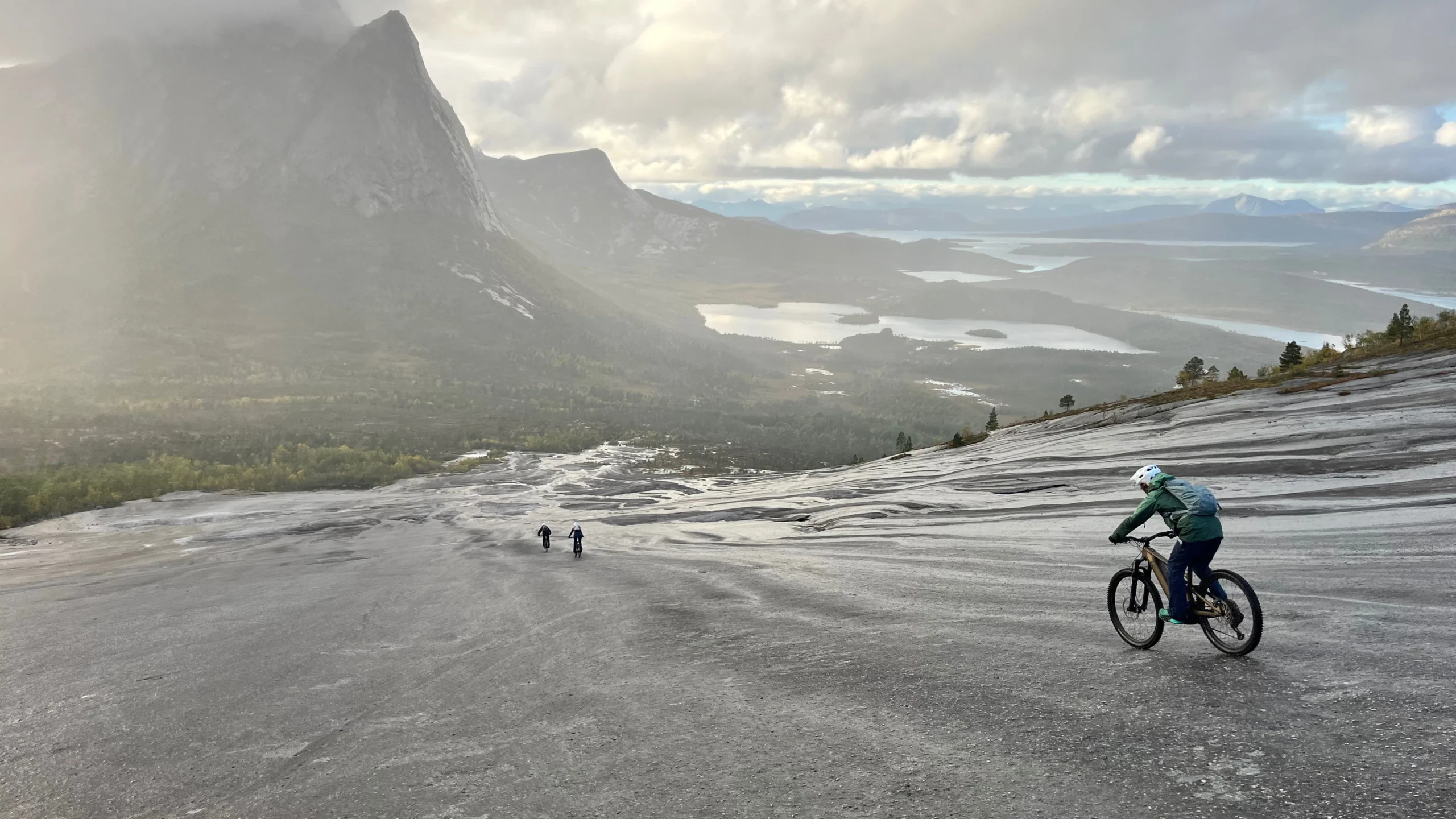
The Lofoten Islands have long been a siren song for explorers, a jagged, dramatic fortress of granite rising abruptly from the freezing currents of the Norwegian Sea. But experiencing this wild, sub-arctic frontier from the deck of a high-end expedition yacht while utilizing state-of-the-art E-mountain bikes to conquer terrain previously deemed inaccessible is a new paradigm in adventure travel. This is the experience offered by Norrøna Adventure aboard the Varg, an obsidian-black vessel that blurs the line between rugged maritime exploration and high-gastronomy comfort.
Main Facts: The Intersection of Luxury and Wilderness
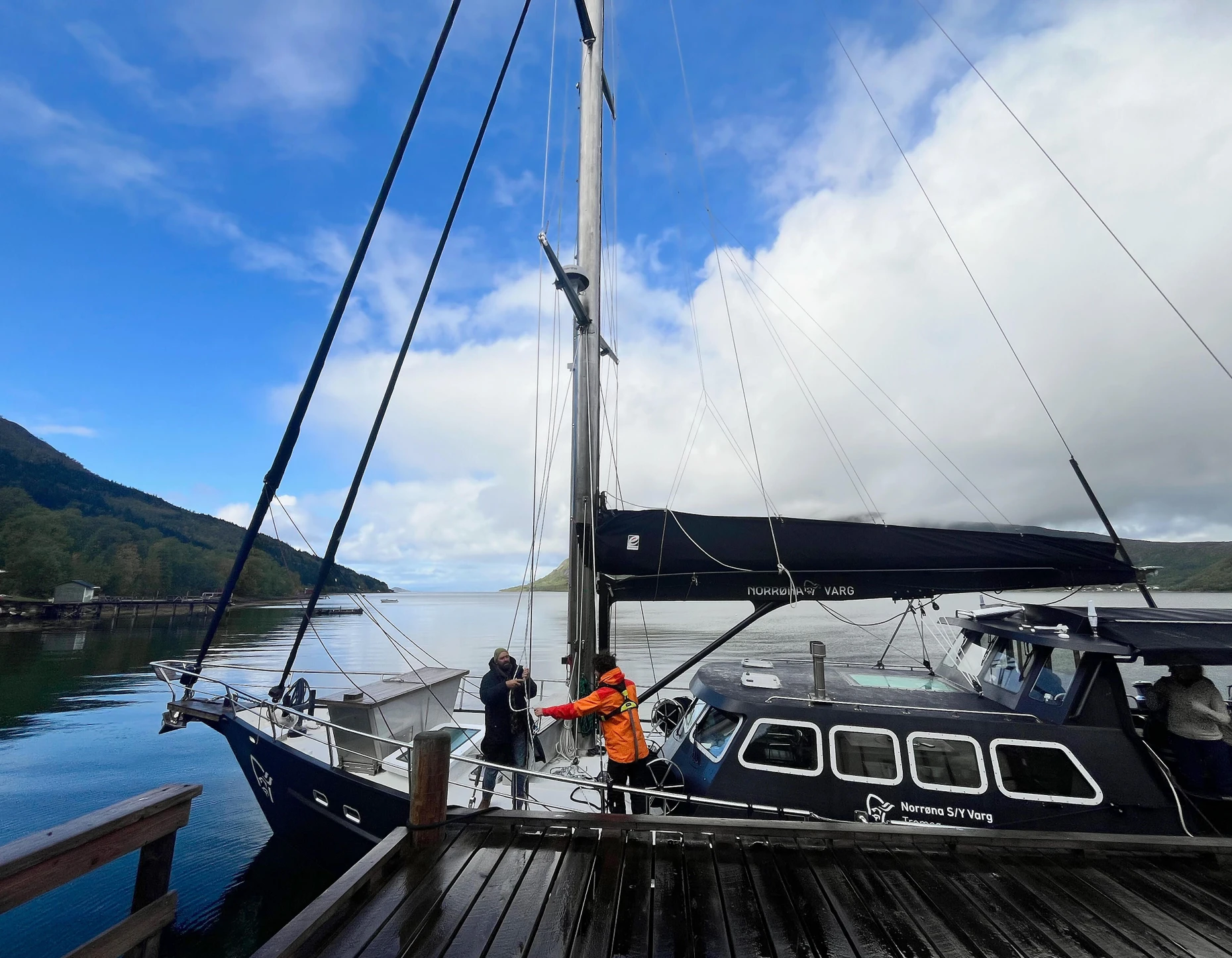
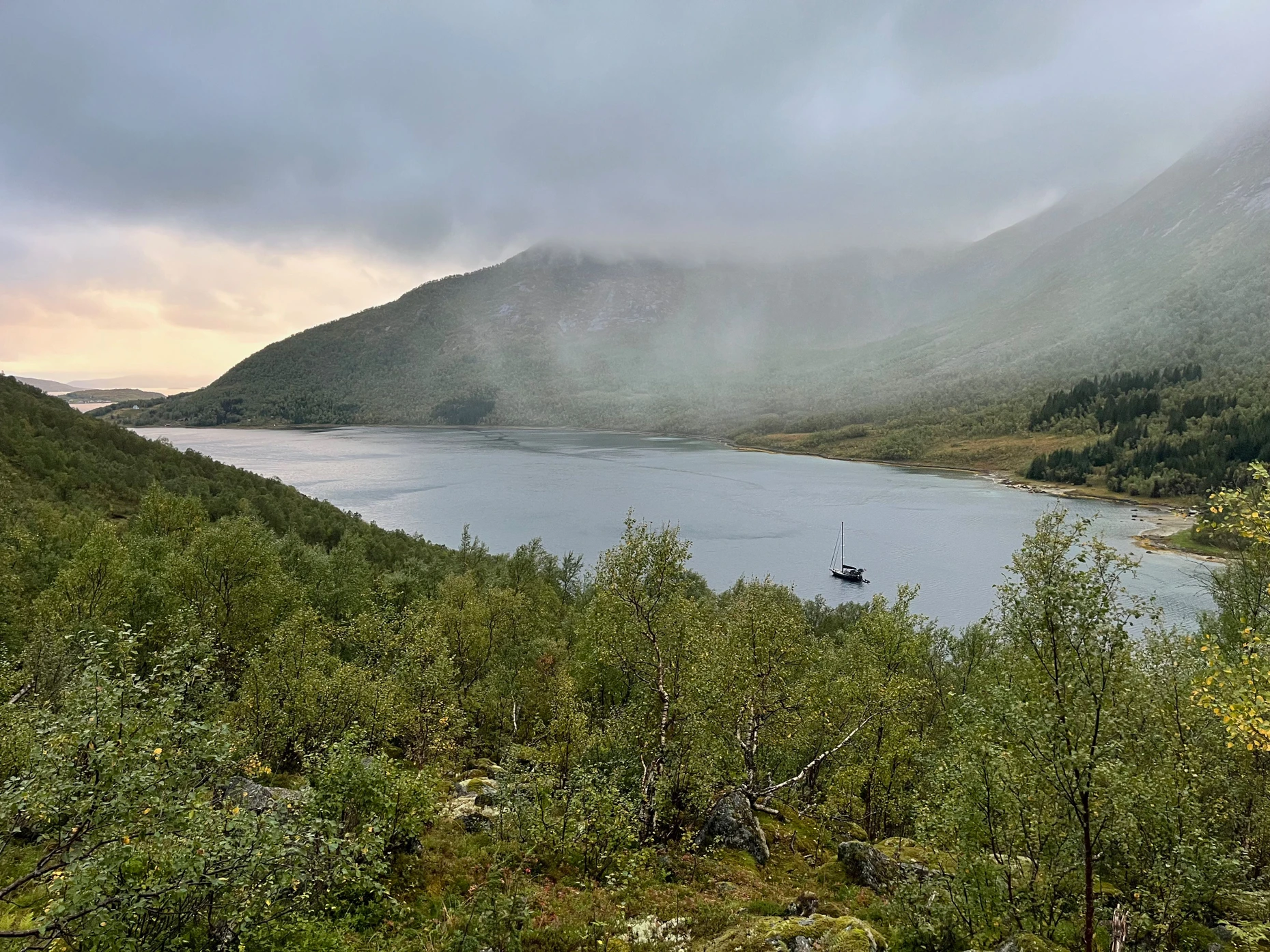
The Varg is a 20-meter expedition yacht that serves as a mobile base camp for those seeking to traverse the Lofoten region. Unlike traditional cruise ships, the Varg offers an intimate, boutique experience with five stylishly appointed cabins, a sauna built into the bow, and a unique outdoor bathing facility—a wooden hot tub on the sun deck.
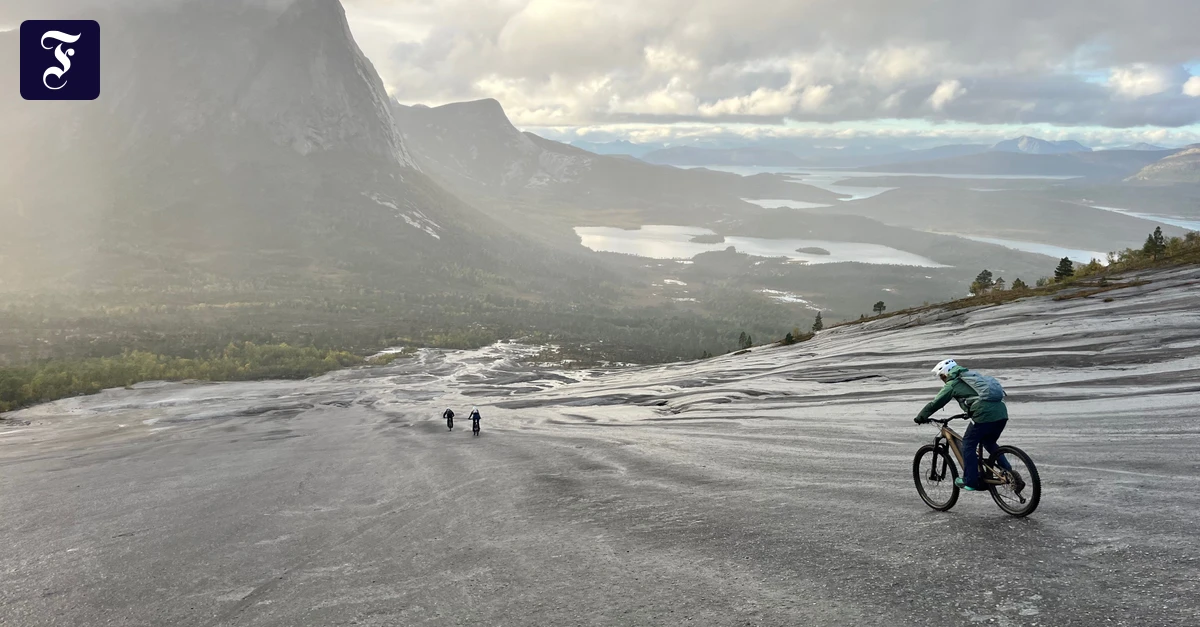
The vessel is the crown jewel of Norrøna Adventure, a subsidiary of the venerable Norwegian outdoor brand. The philosophy behind the project is simple yet ambitious: providing enthusiasts with the opportunity to test high-performance equipment in the world’s most challenging environments without sacrificing the comfort required for a true "expedition" experience. Whether navigating the fjord labyrinths or charging up the sheer face of the Verdenssvaet rock ramp, the Varg acts as a logistical marvel, enabling guests to push physical boundaries by day and retreat into luxury by night.
Chronology: A Journey Through the Fjord Labyrinth
The journey begins in the historic fishing village of Kabelvåg, where guests are introduced to the vessel and its trio of formidable crew members. Captain Jan Fasting, a 61-year-old Norwegian with the weathered wisdom and mischievous spirit of a maritime veteran, commands the ship. He is supported by the Argentine chef Demian Ufer, whose culinary precision—honed at the world-renowned Noma in Copenhagen—transforms the galley into a high-end restaurant. Rounding out the team is Petter Westgaard, an outdoor guide whose calm demeanor and infectious, calculated motivation push guests toward feats they once thought impossible.
Days 1-2: Skrova and the Art of Navigation
The first leg of the voyage navigates from Kabelvåg to the small island of Skrova. Here, the crew establishes the tone of the trip: an effortless blend of intense physical activity and refined relaxation. As the ship anchors in the quiet harbour, the deck becomes a stage for culinary experimentation. Chef Ufer utilizes the open grill to serve dishes that marry Arctic ingredients with Italian and Japanese techniques—from carpaccio with toasted almonds and sun-dried tomatoes to fresh, local langustines.
Day 3: The Ascent of the Wilderness
As the Varg moves deeper into the fjord network—passing the dramatic Trollfjord and the towering heights of the Kuglhornet mountain—the itinerary shifts toward land-based exploration. The crew utilizes a Zodiac boat to ferry passengers to remote shorelines. The hiking here is raw; there are no manicured trails. One must navigate through dense moss, blueberry patches, and treacherous lichen-covered rock. It is a lesson in body coordination and presence, stripping away the distractions of modern life.
Day 4: The Verdenssvaet Challenge
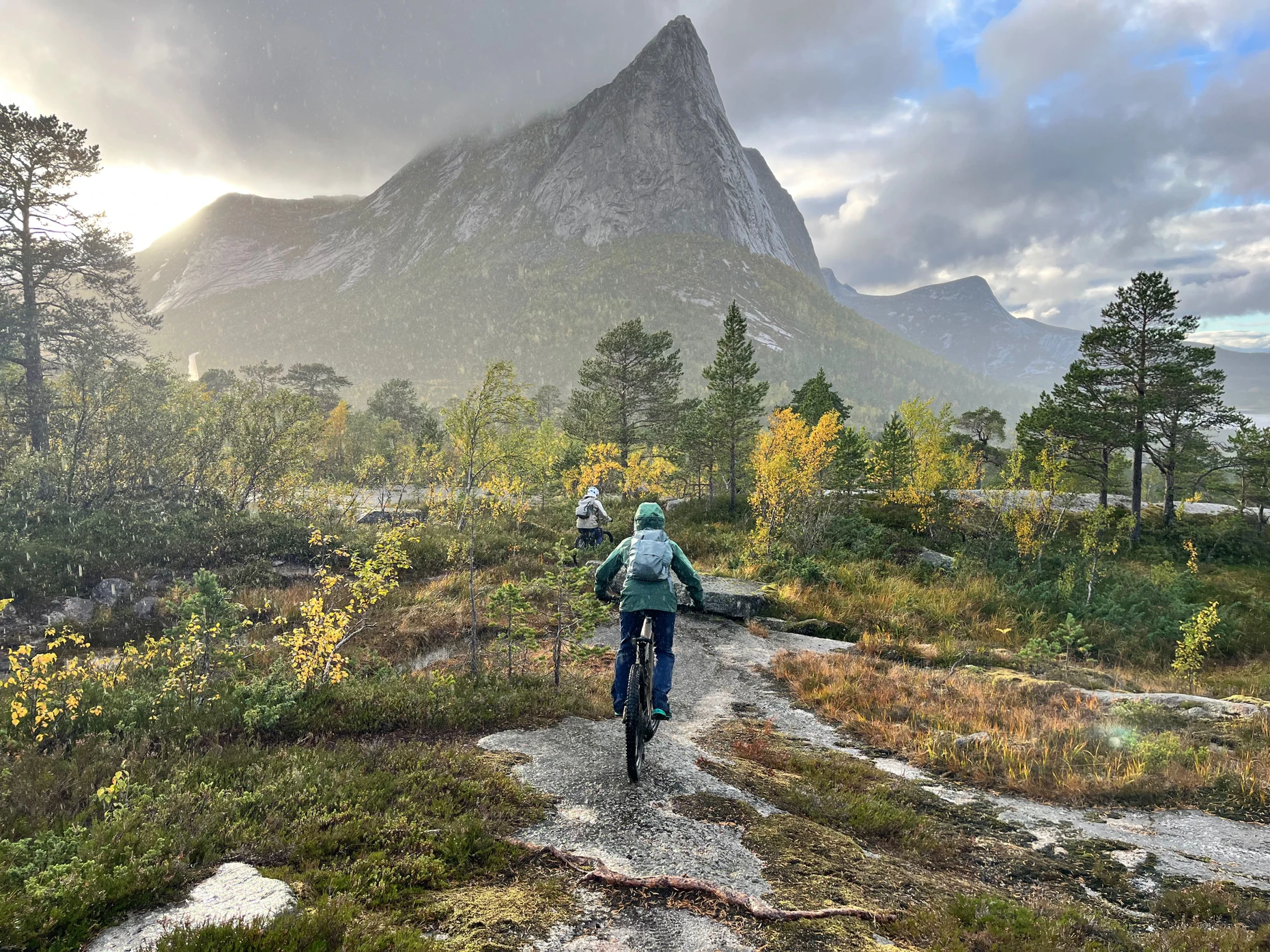
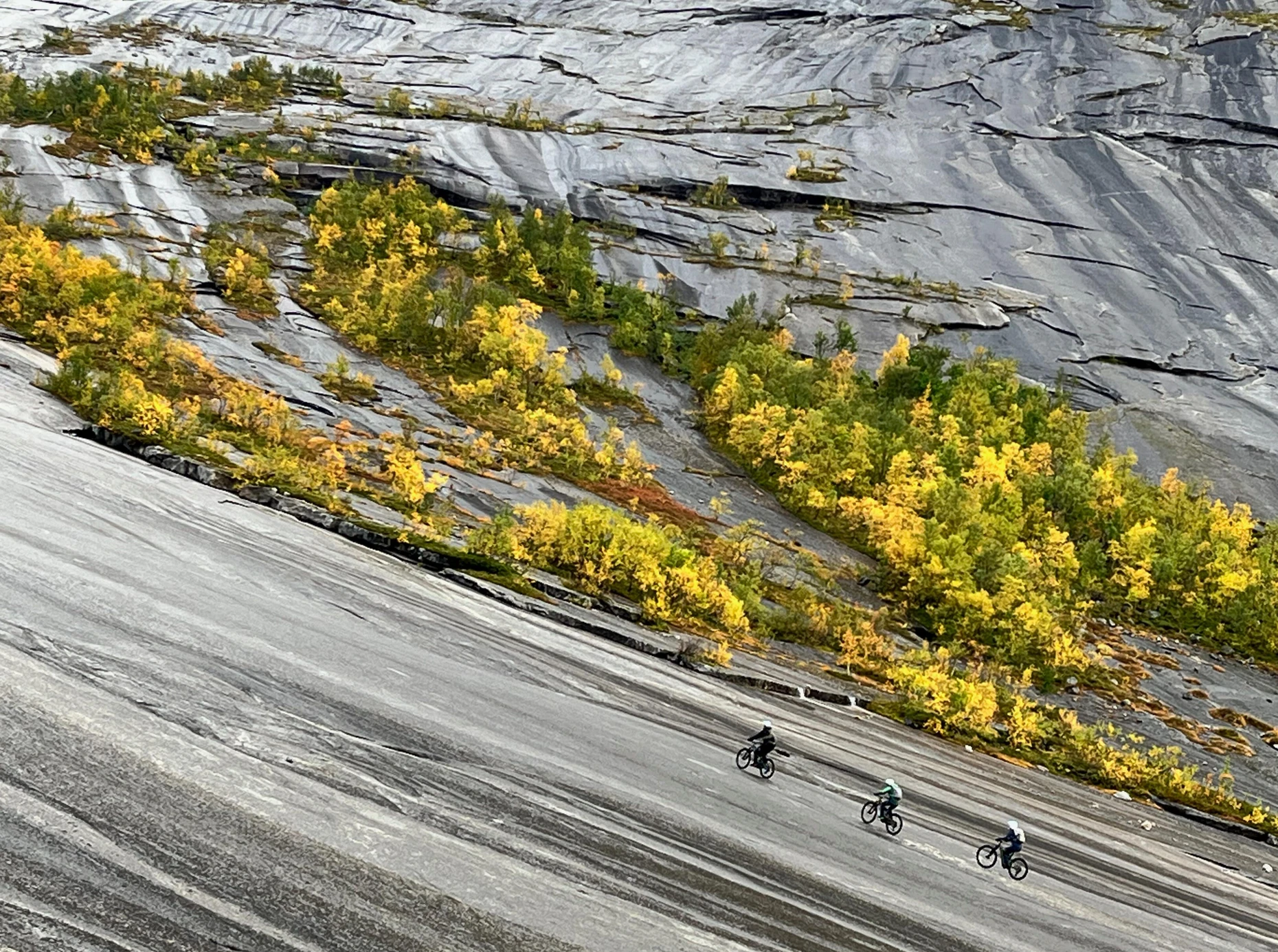
The climax of the trip involves the E-mountain bikes—fully suspended, powerful machines capable of navigating vertical rock slabs. The target is the Verdenssvaet, a massive, pale-grey granite ramp that climbs steeply into the sky. While initially appearing to be a Herculean task, the bikes provide an electric assist that turns a near-impossible climb into a surreal, lift-like experience.
Descending the ramp requires nerves of steel and trust in the equipment. As the bikes bite into the granite and the brakes hold firm, riders experience a sensation similar to carving down a freshly groomed black-diamond ski slope. The descent brings the group back to the water’s edge, where the Varg waits, steam rising from the hot tub, signaling the transition from adrenaline-fueled exertion to total sensory recovery.
Supporting Data and Operational Logistics
The Varg underwent a year-long transformation before its launch, receiving a new engine and a reinforced hull capable of navigating icy polar waters. The ship’s interior features ash and teak flooring, a cozy salon equipped with a fireplace and draft beer, and a modular grill system integrated into the deck seating—an engineering feat that ensures high-quality meals regardless of the weather conditions.
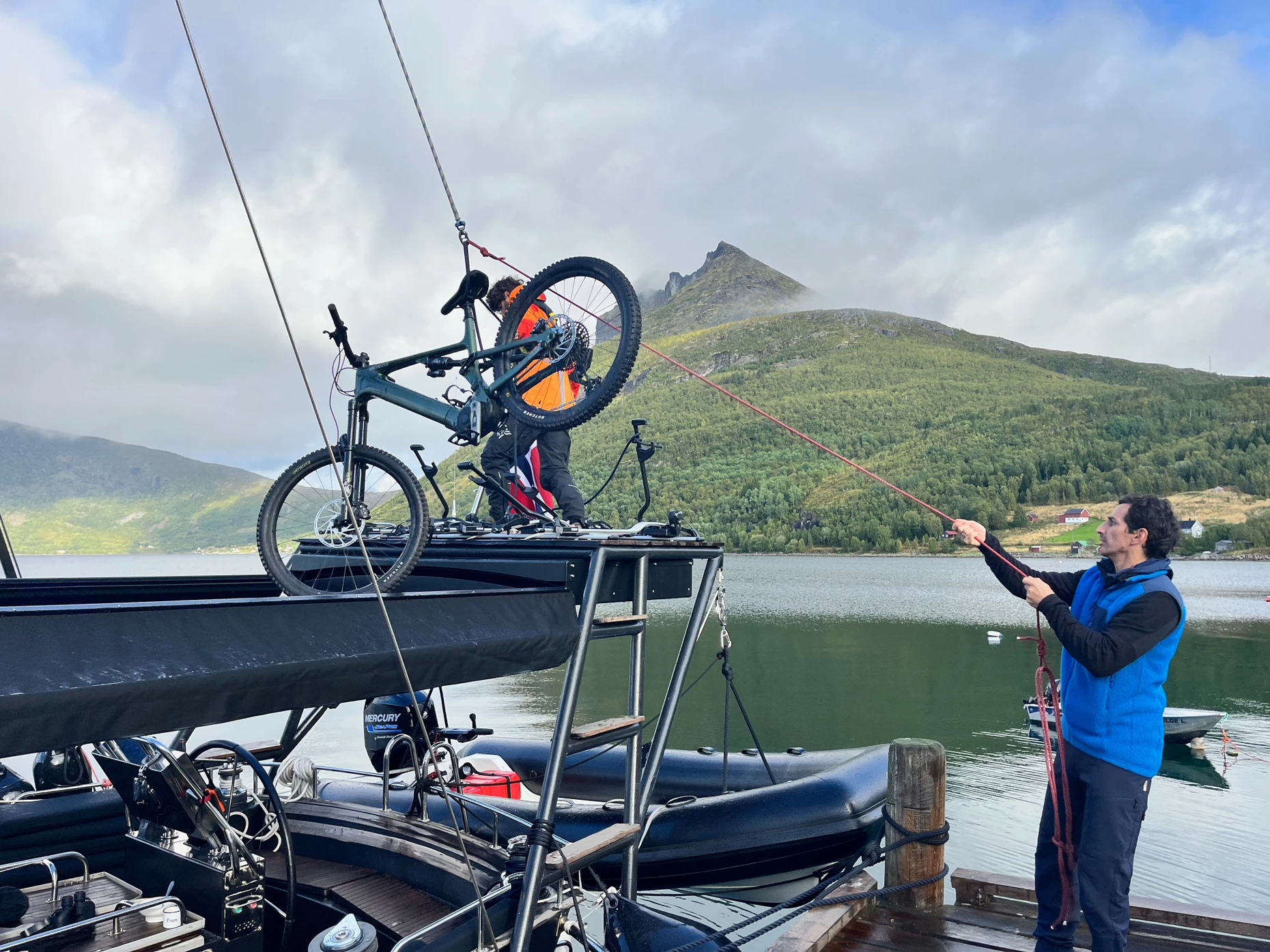
The E-bikes are central to the operational success of the "Bike and Sail" packages. By utilizing high-torque, long-range battery technology, the crew can facilitate deep-wilderness access that would take days of hiking to achieve by foot. The equipment is sourced directly from the Norrøna supply chain, allowing guests to put the gear through rigorous, real-world stress tests.
Official Perspectives: The Philosophy of Adventure
Captain Jan Fasting, who spent years in elite military units and on the Norwegian national kayak team, views the Varg not just as a boat, but as a realization of a long-standing vision. "In 2016, we sat around a campfire and asked, ‘What do we need for the future?’" Fasting recalls. The answer was a synthesis of travel, high-quality gear, and remote architecture.
Chef Demian Ufer emphasizes the technical difficulty of his role. "I had tried cooking on sailing boats before, but everything would slide off the stove," he notes. His transition from the world’s top kitchens to a compact galley on the Varg required a mastery of precision and balance. His menus are a testament to the versatility of the ship, showcasing everything from Mink-whale steak to delicate ceviche, all prepared while the boat is in motion.
Guide Petter Westgaard serves as the emotional anchor of the expeditions. His philosophy on the "daily practice" of physical struggle—whether through hiking or cycling—is rooted in the belief that the modern human has lost touch with the necessity of concentration. By forcing guests into high-focus situations on the rocks, he helps them reclaim a sense of mindfulness that is often lost in urban environments.
Implications: The Future of Expedition Tourism
The success of the Varg and its recognition by Time Magazine as one of the "World’s Greatest Places of 2026" signals a shifting trend in luxury tourism. Modern travelers are moving away from passive, cruise-ship-based sightseeing toward "participatory expeditions."
The implications for the industry are significant:
- Sustainability and Infrastructure: By building small-scale, high-end lodges and utilizing mobile expedition vessels, companies like Norrøna are creating a model that avoids the mass-tourism overcrowding often associated with larger cruise ships.
- Technological Integration: The use of high-performance E-bikes changes the demographics of who can explore the Arctic, allowing a wider range of physical capabilities to access terrain that was previously the exclusive domain of extreme athletes.
- Culinary Tourism in the Wild: The integration of high-gastronomy into wilderness expeditions proves that extreme travel and fine dining are not mutually exclusive, creating a premium market niche for wealthy, adventure-seeking professionals.
As the Varg continues its routes through the Lofoten archipelago, it stands as a prototype for how human curiosity can be satisfied through a combination of engineering, athleticism, and local expertise. For those on board, the experience is more than just a vacation—it is an immersion into a landscape that demands, and rewards, total presence. Whether it is the biting cold of the Arctic air or the warmth of the wood-fired hot tub, the moments captured on these trips are designed to endure long after the anchor is raised and the ship heads back to the open sea.