

By [Your Name/Journalistic Desk]
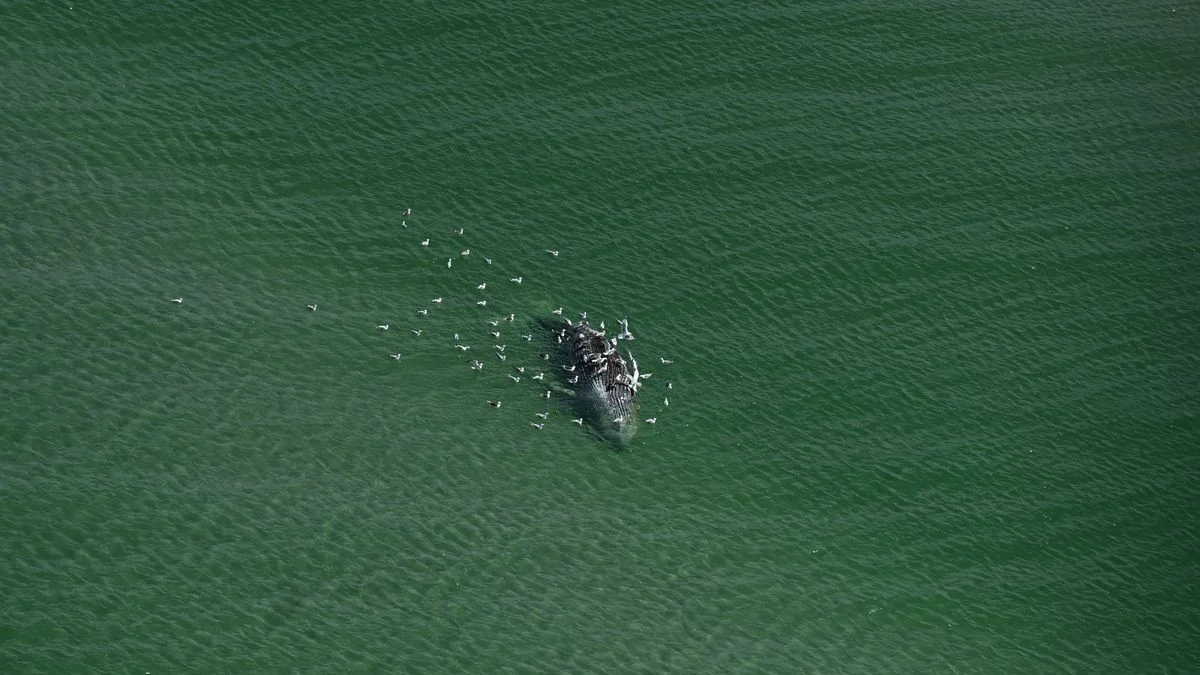
The quiet, serene coastline of Anholt, a remote Danish island nestled in the Kattegat, became the site of a grim discovery this past Thursday. Simon Seebach, a 44-year-old resident of Aarhus who has spent his summers on the island since childhood, was taking a routine morning walk when he spotted a dark, massive silhouette bobbing in the water, roughly 75 meters offshore.
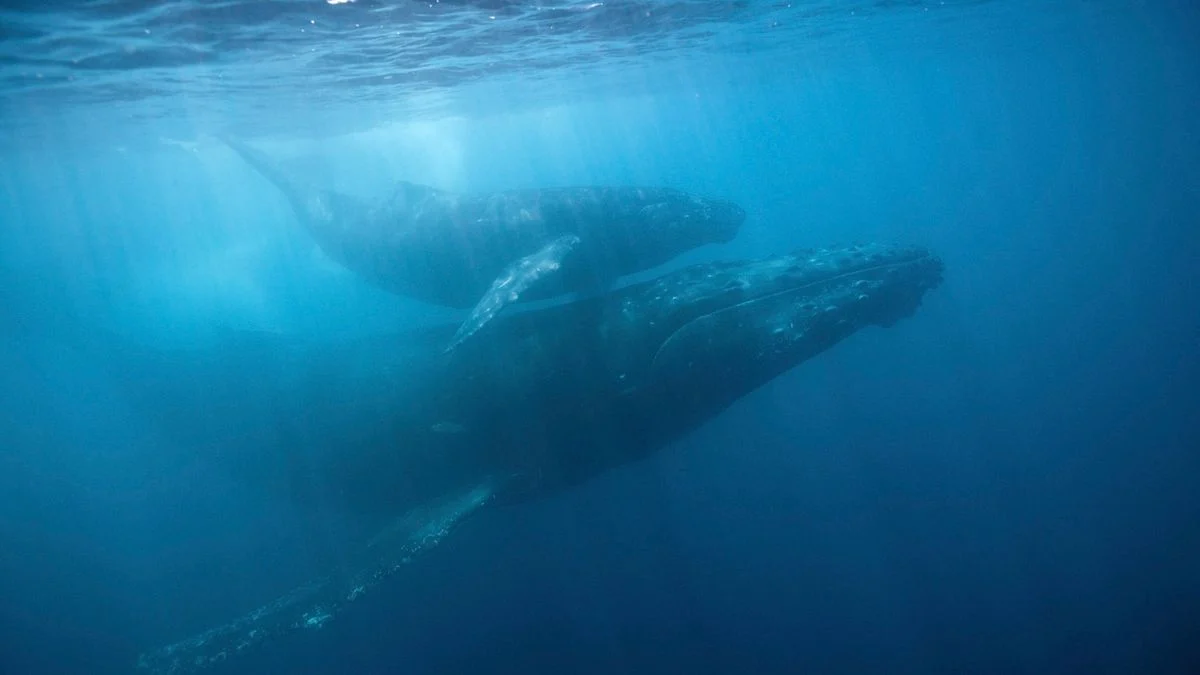
What initially appeared to be a piece of debris turned out to be a tragic biological marker: the carcass of a large humpback whale. The discovery has sent shockwaves through marine conservation circles in both Denmark and Germany, reigniting a frantic investigation into the fate of a specific, high-profile marine visitor known to the public as "Timmy" or "Hope."
The Main Facts: A Grisly Discovery
For a man who knows the rhythms of the Anholt coast by heart, the sighting was profoundly out of place. Seebach, who keeps his mobile home on the island’s campsite year-round, described the moment he climbed onto a stone breakwater to get a better view.
"I saw something drifting in the water," Seebach recounted. "It was huge and black." The whale, estimated to be between 10 and 15 meters in length, appeared to have been deceased for several days. The state of the carcass suggests that it had been at the mercy of the currents for some time before reaching the shallows of Anholt.

The local authorities were immediately notified, and a diver was dispatched to perform a preliminary examination. Crucially, a tissue sample was extracted from the creature’s fluke—the whale’s powerful tail—in an attempt to use genetic analysis to confirm the animal’s identity. The samples are now slated for transport to a laboratory in Germany, where researchers hope to solve the riddle of whether this is the same humpback that dominated headlines across the Baltic region earlier this spring.
Chronology of a Displaced Giant
To understand why a dead whale off the coast of a small Danish island is causing such international concern, one must look back at the erratic journey of the humpback nicknamed "Timmy."
- Late April: A humpback whale appeared off the German Baltic coast, causing a public spectacle as it navigated the shallow, inland waters of the Mecklenburg-Vorpommern region.
- Early May: The whale, increasingly referred to as "Timmy" or "Hope" by local enthusiasts and media, became a symbol of wonder. However, its presence in the Baltic was highly unusual and dangerous for an animal of its size.
- Mid-May: A private initiative, operating with the intent to "rescue" the animal, organized an ambitious operation to transport the whale out of the Baltic. The creature was loaded onto a large barge—a move that was met with significant skepticism from professional marine biologists and government agencies.
- Late May: The whale was reportedly released into the North Sea under conditions that remain, to this day, opaque.
- Early June: Communication with the animal ceased. The initiative claimed to have attached a tracking device, but no data was received.
- June (Present): The discovery at Anholt provides the first concrete, albeit tragic, update on the whale’s potential location.
Supporting Data and Scientific Uncertainty
The identification process is fraught with complications. While both Danish and German authorities lean toward the theory that the Anholt carcass is indeed "Timmy," definitive proof remains elusive.
Morten Abildstrøm of the Danish Environmental Protection Agency confirmed to the Danish broadcaster DR that the timeline and the whale’s size align with the individual lost in the North Sea. However, the lack of a functional tracking device remains a major point of contention. The private initiative behind the relocation had claimed to tag the whale, yet no signal was ever picked up.
There are three prevailing theories among experts:

- The Tag Failed: The device fell off shortly after the whale was released.
- The Tag Never Existed: The claims made by the private group were exaggerated, or the device was never successfully deployed.
- Identity Mismatch: The carcass belongs to a different humpback whale entirely, and "Timmy" remains at large—or perished elsewhere in the vast, deep waters of the North Sea.
The logistical confusion has also hindered the investigation. Initially, reports suggested that the Institute for Terrestrial and Aquatic Wildlife Research (ITAW) at the University of Veterinary Medicine Hannover would lead the necropsy. However, the institution quickly clarified that they were not involved in the rescue operation and, as of now, have no formal involvement in the analysis of the tissue samples. This gap in institutional oversight highlights the chaotic nature of the original rescue attempt.
Official Responses: A Lesson in Governance
The incident has sparked a heated debate regarding the ethics of private wildlife intervention. While the initiative that moved the whale likely acted with good intentions, the lack of coordination with established marine mammal research centers has been heavily criticized.
"When you take it upon yourself to move an animal of that magnitude, you are assuming a responsibility that requires international protocols, expert veterinarian oversight, and long-term monitoring," noted a spokesperson from a major European marine conservation group. "The fact that we are now waiting for a tissue sample to identify a dead animal, while the ‘rescue’ team is silent on the tracking device, is a failure of the process."
Danish officials are currently weighing their options for the disposal of the carcass. Given the location and the decomposition state, removing a 15-meter whale from a remote coastal area is an immense logistical challenge that may involve heavy machinery or, in some cases, leaving the animal to decompose if it does not pose a health hazard to the public.
The Broader Implications
The tragedy of the Anholt whale is more than just the loss of a single magnificent creature; it is a case study in the intersection of public sentiment and scientific management. The "Timmy" phenomenon showed how quickly a wild animal can be anthropomorphized, turning a natural occurrence—the straying of a whale into the Baltic—into a narrative-driven rescue mission.

Key Implications:
- The "Rescue" Paradox: The case highlights the dangers of well-meaning private interventions. Without specialized knowledge, "rescue" efforts can inadvertently cause more stress or lead to the death of the animal.
- Need for Clear Protocols: There is an urgent need for standardized European protocols for dealing with large marine mammals in distress, particularly in inland waters.
- Data Gaps: The failure of the tracking device serves as a reminder that without robust, transparent scientific data, we are effectively "flying blind" when it comes to the movements of migratory megafauna.
As the tissue samples make their way to a lab, the world waits for a final answer. For the people of Anholt, the beach is a place of peace, and the presence of the leviathan is a sobering reminder of the power and fragility of the ocean. Whether this whale is the infamous "Timmy" or a different traveler, the incident stands as a somber epitaph for a season of uncertainty.
The investigation continues, but for the whale, the journey that began in the Baltic and ended in the Kattegat has reached its final, silent conclusion. The questions that remain—about the accountability of the rescue group and the true cause of the whale’s death—will likely echo in the scientific community long after the tide has washed the beach clean.















Leave a Reply