

Introduction: A Narrow Path to Power
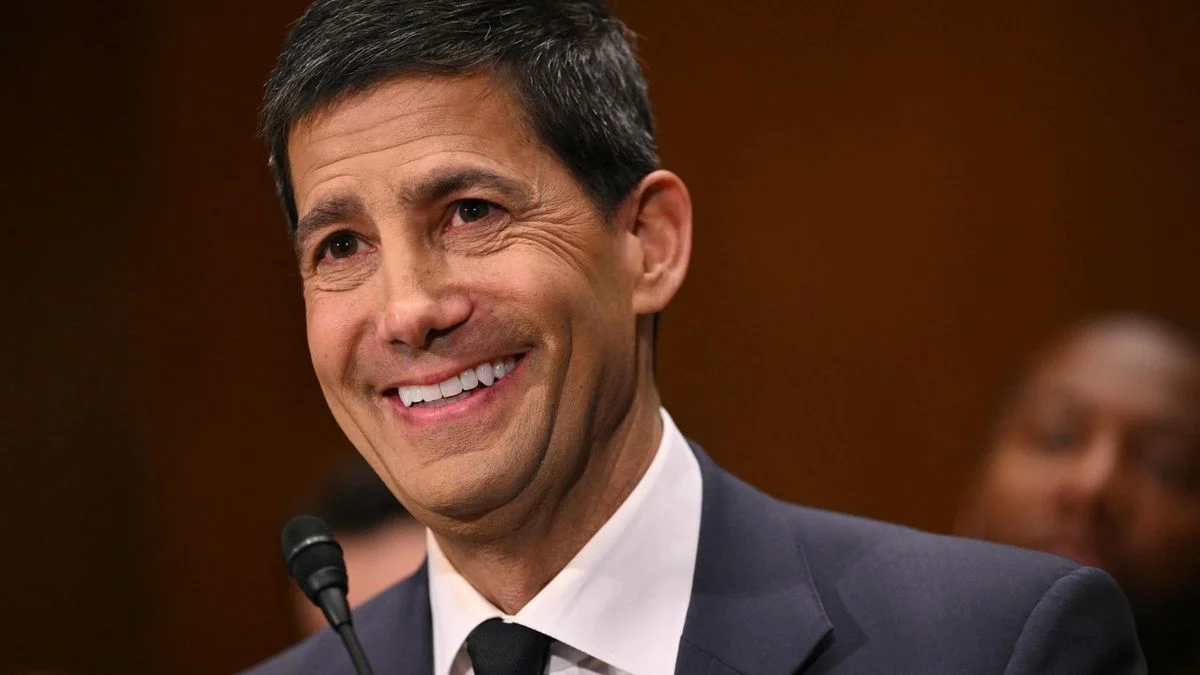
In a political development that marks a significant shift for the world’s most influential financial institution, the United States Senate has confirmed Kevin Warsh as the new Chairman of the Federal Reserve. The vote, which concluded with a tally of 54 to 45, represents a watershed moment for the central bank. Not only does it formalize President Donald Trump’s vision for a new direction in monetary policy, but it also establishes a historical precedent: according to Bloomberg, this is the narrowest confirmation margin in the history of the Federal Reserve’s leadership.
Warsh, a former Fed governor and investment banking veteran, inherits an institution currently navigating the complexities of post-pandemic inflation, labor market volatility, and a geopolitical landscape that continues to exert pressure on the U.S. dollar. His confirmation signals an end to the era of Jerome Powell’s chairmanship and promises a potential departure from the unconventional monetary strategies that have defined the Fed since the 2008 financial crisis.
Chronology of the Transition
The Powell Era and Trump’s Opposition
The transition began in earnest when President Trump signaled his intention to replace the incumbent, Jerome Powell, whose term was set to expire in mid-May. Throughout his campaign and early administration, Trump made no secret of his dissatisfaction with the Fed’s trajectory under Powell, particularly regarding interest rate decisions and what the President characterized as overly bureaucratic communication styles.
Despite his removal from the top post, Powell—a long-standing fixture at the Fed—announced his intention to remain as a member of the Board of Governors. This decision sets the stage for an unusual dynamic, where the former Chairman will retain a vote on the Federal Open Market Committee (FOMC), potentially serving as a counterweight to the new leadership.
The Legislative Hurdles
The confirmation process for Warsh was far from a foregone conclusion. The road to the Senate floor was complicated by internal friction within the Republican party. Senator Thom Tillis, a key player in the confirmation process, initially threatened to block Warsh’s nomination. The standoff was rooted in an ongoing investigation into Powell’s conduct during his tenure.
The political impasse was only resolved when the Department of Justice officially concluded its investigation into Powell, finding no wrongdoing. With the cloud of litigation lifted, Senator Tillis withdrew his opposition, allowing the nomination to proceed to the floor. This brief but intense period of instability highlighted the deep ideological fractures regarding the Fed’s autonomy and its accountability to the legislative branch.
Supporting Data and Policy Stance
Warsh’s Vision: Stability and Data-Driven Policy
During his confirmation hearings, Kevin Warsh faced intense scrutiny regarding his independence from the Executive Branch. Critics expressed concern that his proximity to the Trump administration might compromise the Fed’s mandate to remain politically neutral. Warsh addressed these concerns head-on, asserting that he had not made any specific commitments to the President regarding interest rate trajectories, nor had the President explicitly demanded any.
"My allegiance is to the mandate of the Federal Reserve," Warsh told the committee. "The integrity of the institution rests on our ability to act based on economic data, not political convenience."
Proposed Reforms: Communication and Monetary Strategy
Warsh has outlined a clear vision for institutional change, which he claims will bring greater transparency to the central bank. His proposed reforms focus on three key areas:
- Data-Driven Decision Making: Warsh advocates for a more rigid adherence to real-time economic indicators. He has criticized what he calls "predictive forecasting" that relies too heavily on models, arguing instead for a framework that reacts more nimbly to current labor and inflation data.
- Normalization of the Balance Sheet: Perhaps the most significant shift is Warsh’s skepticism regarding the "expansive" monetary policy of the last decade. He has explicitly stated his desire to wind down the Fed’s massive bond-buying programs, which were designed to keep long-term interest rates low.
- Refined Communication: Warsh believes the Fed’s "forward guidance" has become overly complex and confusing to market participants. He intends to streamline the FOMC’s communication strategy to ensure that the public and Wall Street have a clearer understanding of the Fed’s underlying objectives.
Official Responses and Market Reaction
The View from Wall Street
Market analysts have expressed a mix of optimism and caution. On the one hand, Wall Street welcomes the potential end of the "easy money" era, which many believe has fueled asset bubbles and distorted market signals. On the other hand, there is significant fear that a rapid contraction of the Fed’s balance sheet could trigger volatility in the equity markets and increase borrowing costs for businesses and homeowners.
Institutional investors are particularly focused on how Warsh will balance the "dual mandate"—the Fed’s legal responsibility to promote maximum employment and stable prices. With inflation remaining a persistent concern, the pressure to maintain higher interest rates for longer will be the first major test of Warsh’s resolve.
Legislative Sentiment
The narrow vote margin reflects the polarized state of the Senate. Supporters of the nomination, largely from the Republican caucus, view Warsh as a "return to sanity" who will prioritize the long-term health of the dollar over short-term stimulus. Conversely, the 45 senators who voted against him—a coalition of Democrats and wary independents—warn that Warsh’s ideological leanings could lead to an overly aggressive tightening of monetary policy, potentially risking a recession.
Implications for the U.S. Economy
The Independence Question
The most profound implication of this transition is the potential shift in the Fed’s relationship with the White House. While Warsh maintains he is independent, the fact that he was chosen specifically to replace a chairman who fell out of favor with the President suggests a new, more collaborative—or perhaps more subordinate—era for the Fed. Should Warsh follow the President’s preferences too closely, the central bank risks losing the credibility it has built over decades of non-partisan decision-making.
Monetary Policy and Global Markets
Internationally, the Fed’s shift is being watched with bated breath. As the U.S. dollar is the world’s primary reserve currency, any decision by the Fed to drastically alter interest rates or liquidity has immediate repercussions for emerging markets and global trade. If Warsh successfully pivots toward a more hawkish stance, it will likely strengthen the dollar, creating challenges for nations with significant dollar-denominated debt.
Long-term Economic Structural Changes
Warsh’s appointment could signal a move away from the "Keynesian-adjacent" policies that dominated the COVID-19 and post-COVID recovery periods. By centering his platform on price stability, he is effectively signaling that the era of prioritizing full employment above all else may be shifting. This "back to basics" approach will likely lead to a period of economic adjustment, where the reliance on cheap credit is replaced by a focus on productivity and capital discipline.
Conclusion: A Delicate Balance
The confirmation of Kevin Warsh is a landmark event that will define the American economic landscape for years to come. By winning the most contested confirmation in Fed history, he enters the office with a mandate for change but also with a significant political burden.
The coming months will be a crucible for the new Chairman. He must manage the delicate task of controlling inflation without stifling economic growth, all while navigating a political environment that is increasingly skeptical of technocratic institutions. Whether Warsh can truly maintain the independence of the Federal Reserve—and whether his proposed reforms can stabilize a volatile global economy—remains to be seen. What is certain, however, is that the era of Jerome Powell has ended, and the "Warsh Doctrine" is about to be put to the test.
As the financial world awaits the first FOMC meeting under the new leadership, one thing is clear: the Federal Reserve is no longer the predictable institution it was a year ago. The market, the government, and the American people are all watching to see if this historic appointment leads to a period of renewed stability or a new era of economic turbulence.

















Leave a Reply