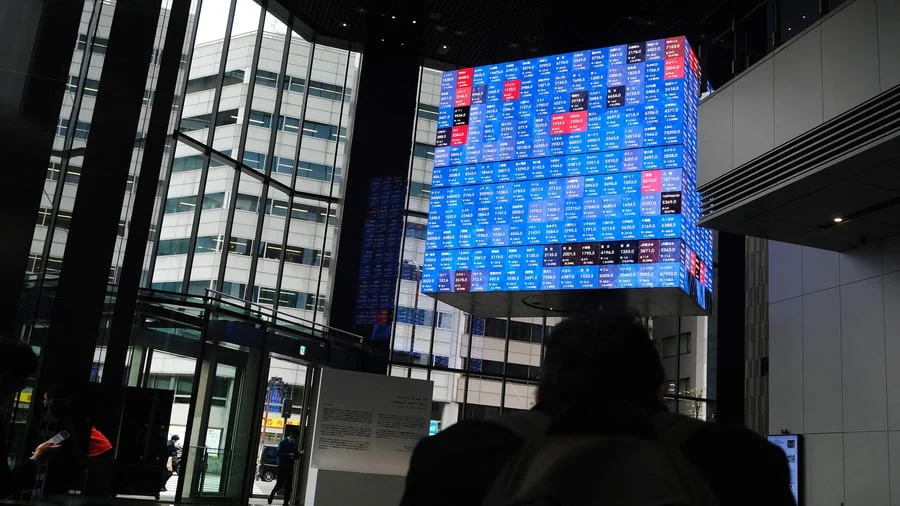
SINGAPORE – Asian stock markets demonstrated a resilient performance on Tuesday, buoyed by a wave of cautious optimism regarding the potential for de-escalation in the volatile Middle East. As geopolitical anxieties, which had previously kept investors on the defensive, showed signs of easing, regional indices experienced a notable lift. Simultaneously, global markets are bracing for a critical period as investors turn their attention to the upcoming earnings reports from Wall Street’s technology titans, which are expected to serve as a litmus test for the sustainability of the current Artificial Intelligence (AI) investment frenzy.
1. Main Facts: A Shift in Market Sentiment
The primary catalyst for Tuesday’s market movement was a cooling of tensions in the Middle East. Energy markets, particularly oil, saw prices retreat from one-month highs following reports that international mediators had proposed a ten-day ceasefire to Iran. The prospect of a temporary halt to hostilities provided much-needed relief to commodity traders, who had been pricing in a significant risk premium due to the potential for regional supply chain disruptions.

However, the situation remains fluid. Despite the diplomatic overtures in the oil sector, underlying regional tensions persist. Market analysts pointed to aggressive rhetoric from the Houthi movement in Yemen, which has issued fresh threats regarding a potential sea blockade against Saudi Arabia. This duality—hope for diplomatic breakthroughs versus the persistent threat of supply chain disruption—continues to dictate the rhythm of trading across Asian exchanges.
2. Chronology of Events
To understand the current market volatility, it is essential to trace the developments that have shaped the trading environment over the past several weeks:

- Mid-October Escalation: A sharp rise in regional military activity led to a spike in Brent and WTI crude prices, pushing them to one-month highs as markets factored in a worst-case scenario for energy production and transit.
- The Mediation Push: Over the weekend, diplomatic channels intensified efforts to prevent a wider conflict. News of a proposed ten-day ceasefire gained traction on Monday evening, creating the "calm before the opening bell" that allowed Asian markets to trade higher on Tuesday.
- The Houthi Variable: Concurrent with the ceasefire talk, the Houthis released statements warning of intensified maritime disruptions. This kept the energy sector in a state of high alert, preventing a total collapse in oil prices despite the diplomatic optimism.
- Earnings Pre-game: As the trading week progresses, focus is shifting from the geopolitical arena to the corporate boardrooms of Silicon Valley. Investors are preparing for the release of Q3 earnings reports from major tech players, which will dictate market momentum for the remainder of the quarter.
3. Supporting Data: The Tech Sector and the AI Litmus Test
Beyond the headlines of geopolitical tension, the real engine of current market sentiment is the anticipation surrounding the "Magnificent Seven" and other major technology firms. Investors are currently hyper-focused on the balance sheets of companies like Alphabet and Intel.
The AI Capex Question
The central question for the market is whether the massive capital expenditure (capex) directed toward artificial intelligence infrastructure is beginning to translate into tangible, bottom-line revenue growth.
- Intel’s Challenge: As the company attempts to pivot its foundry business, investors are looking for signs that its manufacturing strategy is stabilizing.
- Alphabet’s Growth: With cloud computing becoming the primary battleground for AI dominance, Alphabet’s ability to monetize its Gemini AI suite through its cloud division is seen as a key performance indicator (KPI) for the broader tech sector.
Analysts warn that if these companies fail to meet aggressive revenue expectations, the "AI premium" that has supported stock valuations for the better part of 2023 and 2024 could face a sharp, painful correction.
4. Official Responses and Analyst Outlooks
Market strategists remain divided on the long-term outlook. While the current rally is driven by the relief of a potential ceasefire, there is a lingering fear that this optimism is premature.

"The markets are trading on hope rather than certainty," says a lead strategist at a major regional investment bank. "While a ten-day ceasefire is a positive development, it does not address the structural issues driving the conflict. Furthermore, the volatility in oil prices suggests that traders remain unconvinced that the supply risk has been neutralized."
On the corporate side, official guidance from major US firms has been notoriously guarded. CEOs are balancing the need to reassure investors of AI-driven productivity gains with the reality of a slowing global consumer spending environment. The consensus among analysts is that this week’s earnings will provide the definitive answer on whether the tech sector can maintain its leadership position in the face of macroeconomic headwinds.

5. Implications for Global Investors
The interplay between Middle Eastern geopolitics and US tech earnings creates a complex environment for institutional and retail investors alike.
Geopolitical Hedging
The primary implication for investors is the need for continued hedging. While the price of oil has retreated from its peak, the structural risk to energy prices remains elevated. Investors are advised to maintain exposure to energy-linked assets while simultaneously rotating into defensive sectors that are less sensitive to geopolitical shocks.

The Earnings "Crucible"
The upcoming earnings reports serve as a "crucible" for the market. If Alphabet and Intel report strong guidance, it could trigger a "risk-on" phase that pushes indices to new highs, effectively decoupling tech stocks from geopolitical anxieties. Conversely, a string of disappointing results could exacerbate the existing fear, leading to a broader sell-off that would be amplified by the current geopolitical uncertainty.
Currency and Interest Rate Dynamics
Finally, the strength of the US Dollar remains a crucial factor. Should the geopolitical situation escalate again, the "safe-haven" status of the dollar is likely to be reaffirmed, putting pressure on emerging market currencies across Asia. Conversely, a period of sustained calm would likely see capital flow back into higher-growth, emerging market equities.

Conclusion: A Delicate Balancing Act
As of Tuesday’s close, the mood in Asian markets is one of cautious relief. The immediate fear of a broader regional war has been mitigated by the prospect of a ceasefire, allowing investors to breathe a sigh of relief and focus on the fundamentals of the tech sector.
However, the volatility inherent in both energy markets and the high-valuation tech sector suggests that this stability is fragile. Investors should prepare for a period of heightened sensitivity, where any single headline from the Middle East or any missed earnings beat from a major technology company could trigger significant market swings.

Ultimately, the trajectory of the markets in the coming weeks will be determined by the confluence of two very different forces: the unpredictable nature of global diplomacy and the cold, hard numbers of corporate performance. For now, the market is betting on the best-case scenario, but prudence suggests that the risks are far from resolved.
Disclaimer: This report is based on current market data and geopolitical assessments. Market conditions are subject to rapid change, and investors are encouraged to conduct their own due diligence before making significant financial decisions.