Introduction: A Long-Awaited Promise
After nearly three years of governing and navigating a deeply polarized political landscape, Polish Prime Minister Donald Tusk and his center-left coalition have finally achieved a significant, albeit partial, victory. The Sejm, the lower house of the Polish parliament, has successfully passed legislation aimed at the partial decriminalization of abortion. This move fulfills one of the most prominent campaign promises made by Tusk’s coalition during the pivotal 2023 general election, which saw the ousting of the nationalist Law and Justice (PiS) party.
However, the path to legislative reform remains fraught with obstacles. While the vote in the Sejm marks a historic shift in tone, the legislation faces an immediate and formidable barrier: the office of the President. With the current president, the right-wing nationalist Karol Nawrocki, signaling an intent to block the bill, the struggle for reproductive autonomy in Poland is far from over. For many, this progress feels like a "too little, too late" moment—a small, necessary step in a nation where abortion access has been virtually non-existent for years.
The Legislative Landscape: What Has Changed?
The newly passed legislation focuses on two core pillars of reproductive rights that were severely eroded under the previous administration:
- Partial Decriminalization: The bill seeks to remove criminal penalties for those who assist in the procurement of a safe abortion. This is a critical development, as current laws have historically targeted not only the medical professionals involved but also friends, family members, or activists who provide information or support to women seeking care.
- Health-Based Exceptions: The legislation attempts to reinstate grounds for legal abortion in cases where the fetus has severe, irreversible malformations. This directly challenges the 2020 ruling by Poland’s Constitutional Tribunal—a body heavily influenced by the PiS—which effectively banned abortion in cases of fetal defects, forcing thousands of women to carry pregnancies to term against their will or to seek dangerous, clandestine alternatives.
Despite these changes, critics argue that the bill does not go far enough to ensure comprehensive reproductive freedom. Even with these modifications, the procedure remains heavily regulated compared to Western European standards. Nevertheless, for reproductive rights advocates, it represents the first meaningful attempt to dismantle the "chilling effect" that has paralyzed the Polish healthcare system for years.
Chronology: From Total Ban to Marginal Reform
The current state of affairs is the result of a long, painful trajectory in Polish politics:
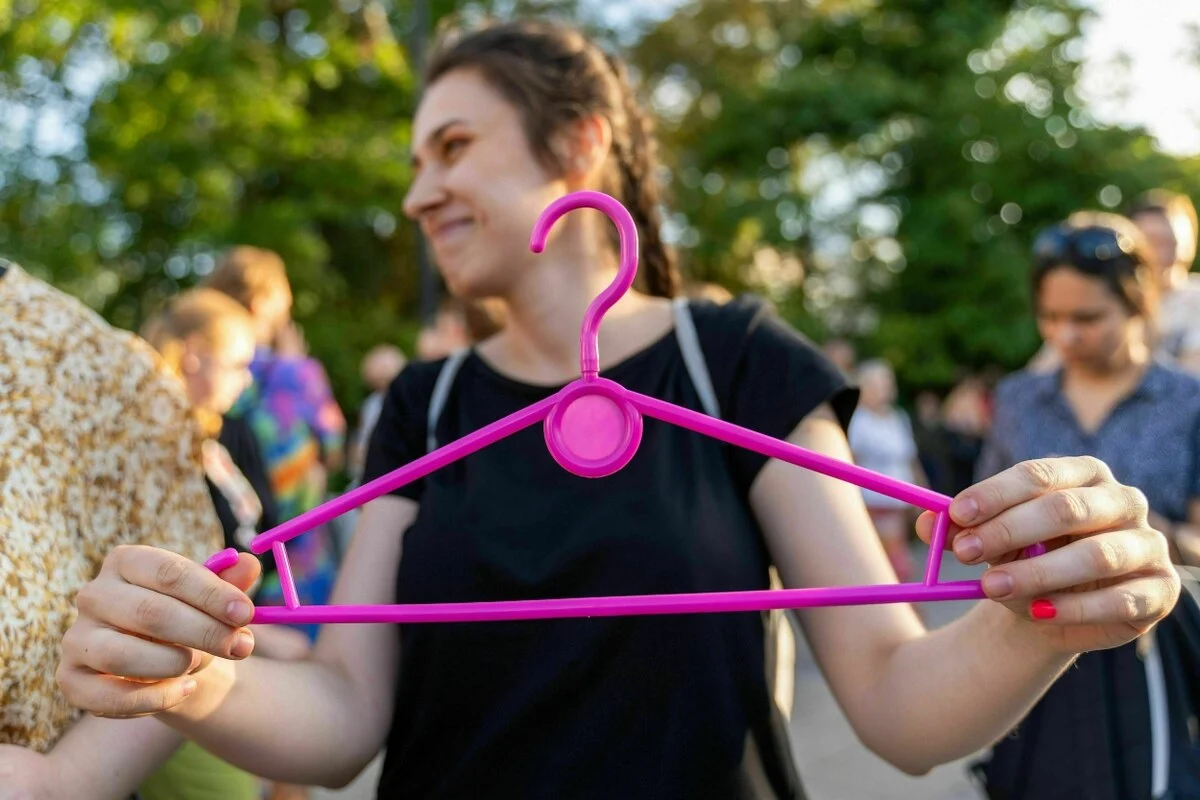
- 2020: The Constitutional Crisis: In October 2020, the Polish Constitutional Tribunal issued a ruling that further restricted abortion, permitting the procedure only in cases of rape, incest, or a direct threat to the pregnant person’s life. This sparked the "Black Protests," where hundreds of thousands of citizens—primarily women—took to the streets in defiance of the government.
- 2023: The Election Pivot: The October 2023 parliamentary elections became a referendum on the conservative agenda. Donald Tusk’s coalition centered much of its platform on the restoration of human rights and the rule of law, with abortion access acting as a symbolic and practical rallying cry for voters.
- 2023-2024: The Road to the Sejm: Following the election, the new government spent months navigating internal ideological divisions within the coalition regarding the extent of the reforms.
- 2025: The Current Breakthrough: The recent vote in the Sejm signifies that the legislative process has finally matured, moving from abstract campaign promises to formal parliamentary action.
The Human Cost: Data and Realities
The statistics behind the legislation are sobering. Poland’s restrictive laws have not prevented abortions; they have simply moved them into the shadows or across borders. According to various human rights organizations, thousands of Polish women travel abroad annually—to countries like Germany, the Czech Republic, or Slovakia—to access services that are denied to them at home.

The risk is not merely bureaucratic; it is life-threatening. There have been documented cases where doctors, fearing the legal repercussions of performing an abortion, waited until a patient’s condition became life-threatening before intervening. In some tragic instances, this delay has resulted in the death of the patient. The European Court of Human Rights (ECHR) in Strasbourg, recognizing the severity of this crisis, declared in 2023 that Poland’s existing legal framework violated fundamental human rights, placing the country under international scrutiny.
The Presidential Veto: A Blockade of Progress
The most significant hurdle remains President Karol Nawrocki. Following in the footsteps of his predecessor, Andrzej Duda, who frequently utilized his veto power to stifle the current government’s legislative agenda, Nawrocki has made his opposition clear.
The use of the presidential veto in this context is viewed by legal scholars as a misuse of executive power, designed to prioritize ideological dogma over the democratic will of the parliament. If Nawrocki proceeds with his threat, the legislation will return to the Sejm, where the government would need a three-fifths majority to override the veto—a threshold that is mathematically difficult to achieve given the current parliamentary makeup. This potential gridlock highlights the fragility of the democratic restoration process in Poland, where the remnants of the previous regime’s influence continue to act as a "dead hand" on contemporary governance.

Implications: Political and Societal Consequences
The standoff over abortion is indicative of a broader cultural war within Poland.
Political Implications:
For the Tusk administration, the inability to pass this bill in its entirety could lead to disillusionment among its younger, progressive voter base. Conversely, pushing too hard risks alienating more conservative elements of the electorate. The government is caught in a delicate balancing act, attempting to satisfy the demands of the "Black Protest" movement while maintaining a stable coalition.
Societal Implications:
The protests have created a new generation of activists who are highly organized and tech-savvy. The "My Voice, My Choice" initiative, which works to support women across borders, serves as a testament to the resilience of civil society. Should the bill be blocked by the President, it is highly probable that the streets of Warsaw and other major cities will see a resurgence of massive, organized dissent. The collective memory of the 2020 protests remains a potent force that the government cannot ignore.

Expert Perspectives and International Pressure
International observers and human rights bodies have consistently pressured Warsaw to align its laws with international human rights standards. The consensus among international health organizations is clear: restrictive laws do not lower abortion rates; they only increase maternal morbidity and mortality.
Within Poland, the debate remains polarized. The Catholic Church and conservative lobby groups maintain that life begins at conception and that any move toward liberalization is an affront to traditional Polish values. However, recent polling suggests that a growing majority of the Polish public supports the liberalization of abortion laws, particularly in cases involving the health or life of the mother. This disconnect between the public’s will and the executive’s legislative interference is a defining feature of modern Polish political life.
Conclusion: The Long Road Ahead
The recent vote in the Sejm is an undeniable victory for those who have fought for years to reclaim bodily autonomy in Poland. It acknowledges that the status quo is not only unsustainable but deeply immoral. However, the shadow of the presidential veto serves as a stark reminder that in a democracy, the legislative process is only one part of the equation.

If the government fails to overcome the obstacles placed by the presidency, the struggle will likely transition from the halls of parliament back to the courts, the streets, and the international stage. As Poland continues its transition toward a more open, rights-focused society, the issue of abortion will remain a primary battleground. Whether this current reform succeeds or is stalled by political obstruction, it has definitively moved the needle. The conversation in Poland has shifted from "if" reform should happen to "how" it can be implemented despite the forces of opposition.
For the women of Poland, the fight is far from over, but the progress made thus far provides a glimmer of hope that a more just and equitable future is attainable. The resilience shown by activists, the persistence of the current government, and the watchful eye of the international community will be the deciding factors in this ongoing human rights struggle.