New research reveals that the economic value of bees, bumblebees, and other insects extends far beyond immediate harvests. By securing the future of our seed supply, these "ecosystem engineers" provide a massive, yet previously undervalued, contribution to the global economy—estimated at 3.1 billion euros in Germany alone.
In the quiet hum of a rapeseed field, a silent economic engine is running. While financial markets obsess over quarterly reports and industrial outputs, the most critical infrastructure for human survival is maintained by wings no larger than a fingernail. Recent findings from a comprehensive review involving the University of Hohenheim highlight that the agricultural sector has drastically underestimated the true worth of pollinators. Beyond the fruit and vegetables we see on our dinner plates today, these insects are the architects of tomorrow’s harvest by ensuring the production of high-quality seeds.
Main Facts: A 3.1 Billion Euro Contribution
For years, the "pollination service" was primarily calculated based on the immediate yield of agricultural crops. However, a new study, co-authored by researcher Falk Krumbe, shifts this perspective. When researchers included the essential role of pollination in seed production for the German agricultural sector, the estimated value jumped from 2.3 billion euros to 3.1 billion euros—an increase of roughly 33 percent.
This 3.1 billion euro figure represents more than just a number; it is a wake-up call. It quantifies the "hidden" value of biodiversity in our food chain. Without the cross-pollination facilitated by bees, butterflies, and hoverflies, the genetic propagation of many crops would simply cease, leading to a catastrophic decline in food diversity and security.
Chronology of Awareness: From Field to Policy
The realization that pollination is an economic asset rather than a "free gift of nature" has evolved over the past two decades:
- Early 2000s: Initial studies focus on "direct yield"—the immediate increase in weight or volume of crops like apples or strawberries due to bee visits.
- 2010–2015: Conservationists begin sounding the alarm regarding "Colony Collapse Disorder" and the decline of wild bee populations, linking these trends to pesticide use and habitat loss.
- 2018–2020: A crucial period for the recent data collection. Researchers analyzed agricultural output in Germany, establishing the baseline model for the 2.3-billion-euro estimate before accounting for seed production.
- October 2026: The publication of the latest synthesis report highlights the critical distinction between "harvest pollination" and "seed production pollination." This shift marks a paradigm change: pollinators are no longer seen just as harvesters, but as the guardians of the agricultural genetic bank.
The Seed Connection: Why Vegetables Depend on Insects
The impact of pollinators is particularly pronounced in vegetable cultivation. Unlike wind-pollinated grains such as wheat or rye, high-value vegetables—tomatoes, cucumbers, zucchini, carrots, and various brassicas—rely heavily on insect-mediated fertilization.
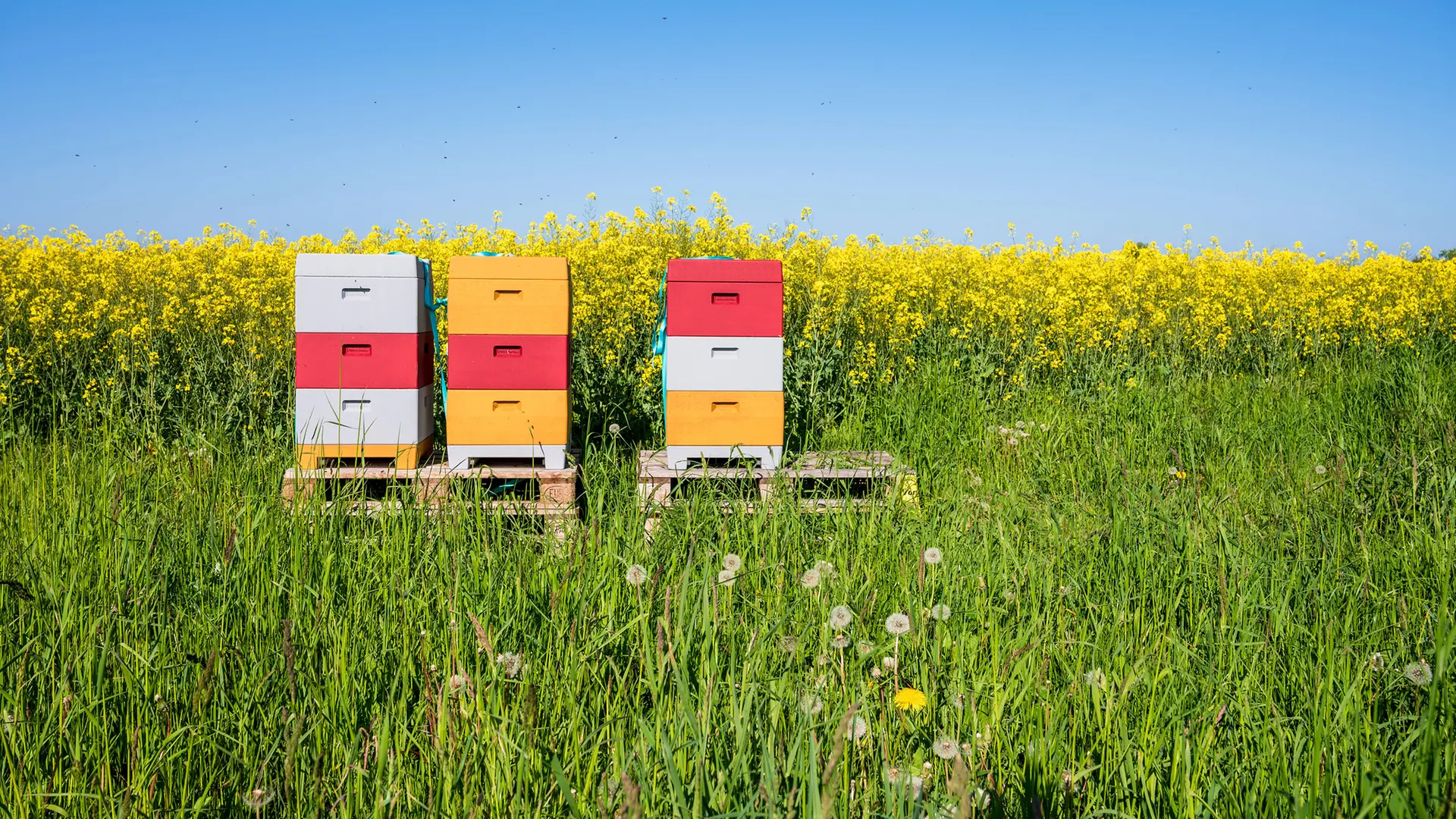
This is not merely a domestic issue; it is a global economic pillar. In countries that lead the world in seed exports—most notably the Netherlands, France, and the United States—the pollination of vegetable seeds alone is estimated to be worth approximately 3 billion US dollars globally. When pollinators struggle, seed quality and quantity drop, which in turn leads to lower-quality produce in subsequent years. This creates a "multi-year penalty" for the agricultural sector, where a bad year for insects results in a chain reaction of reduced agricultural output.
Supporting Data: The Hidden Costs of Decline
The data suggests that the decline of insect populations is not just an ecological concern but a looming economic liability.
- The 33% Valuation Gap: By incorporating seed production, the perceived value of pollinator services rose by one-third. This confirms that previous models were fundamentally incomplete.
- The Hand-Pollination Paradox: In intensive agriculture, where natural pollinators are absent due to pesticide use, human labor is often used to pollinate by hand. This is an inefficient, costly, and labor-intensive substitute that artificially inflates the cost of food production.
- Global Inequality: The impact is not distributed equally. While wealthy nations can invest in human-led pollination or specialized managed bee colonies, smallholder farmers in the Global South rely entirely on wild, free-roaming pollinators. For these farmers, the collapse of insect populations threatens their very ability to save seeds, trapping them in a cycle of poverty and food insecurity.
Official Perspectives: Experts Speak Out
"The global decline of insects and other pollinators could have more far-reaching consequences than previously assumed," says Falk Krumbe, lead author of the review. Krumbe emphasizes that while modern technology can mitigate some immediate shocks, it cannot replace the complexity of natural pollination systems.
Regarding the German market, Krumbe clarifies: "A decline of pollinators in Germany does not immediately threaten our seed supply, as much of it is produced internationally. However, pollination costs money. When we lose natural ecosystem services, we must pay for them through technical solutions, labor, or imported technology. These costs eventually trickle down, hidden in the price of every packet of seeds and every vegetable we buy at the supermarket."
The sentiment is echoed by broader scientific bodies, including the UFZ (Helmholtz Centre for Environmental Research), which consistently points to the "triple threat" of climate change, pesticide application, and intensive monoculture farming as the primary drivers of this crisis.
Implications: The Future of Global Food Security
The implications of these findings are profound and necessitate a fundamental shift in agricultural policy and land management.
1. Reforming Agricultural Policy
If pollination is a multi-billion euro asset, it should be treated as essential infrastructure. Governments must transition from incentivizing pure yield-per-hectare to incentivizing "pollinator-friendly" land use. This includes creating wildflower strips, reducing pesticide loads, and diversifying landscapes.
2. The Risk of Reliance on Managed Colonies
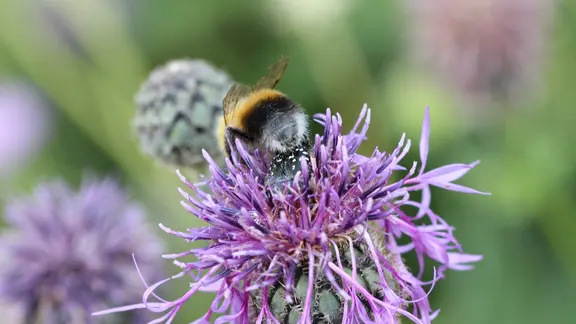
The industry often relies on "managed" pollinators—such as honeybee hives or commercial bumblebee boxes. However, scientists warn that these are not a panacea. Managed colonies are susceptible to diseases and are often introduced at the expense of local wild bee diversity. Relying on a single species is a dangerous strategy that mirrors the risks of monoculture farming.
3. Protecting the Global South
The most severe consequences will be felt by those least equipped to handle them. Development agencies must prioritize the protection of wild pollinators in the Global South. If smallholder farmers lose the ability to propagate their own seeds, the cost of food will rise globally, and the risk of localized famine increases.
4. Valuation as a Conservation Tool
Perhaps the most important implication is the use of these economic figures as a tool for political advocacy. By placing a 3.1-billion-euro price tag on these services, proponents of biodiversity have a new, compelling argument to present to policymakers and economic planners who may be indifferent to the ecological argument alone. It frames environmental protection not as a "cost," but as an "investment in fiscal stability."
Conclusion: A Call to Action
The data is clear: we are living on borrowed time. The 3.1 billion euros identified by researchers is not a static benefit; it is a fragile, dwindling resource. Every time we clear a hedgerow, spray a broad-spectrum insecticide, or favor monoculture over biodiversity, we are effectively taxing our future.
We are currently witnessing a silent, massive divestment from our most reliable economic partner. Protecting pollinators is no longer just a hobby for conservationists; it is a critical mandate for global economists and agricultural strategists. If we fail to act, the "price" of pollination will eventually be paid not in currency, but in the scarcity of the very crops that sustain us. The time has come to value the hum of the bee as highly as the roar of the market.