In the glittering world of London’s West End, a quiet, growing tension has begun to simmer behind the velvet curtains. As Hollywood’s biggest stars increasingly flock to the British capital to test their mettle in prestigious theatrical productions, a complex dynamic has emerged between the actors and their most devoted followers. At the heart of this friction is a fundamental question: when does admiration cross the line into professional interference?
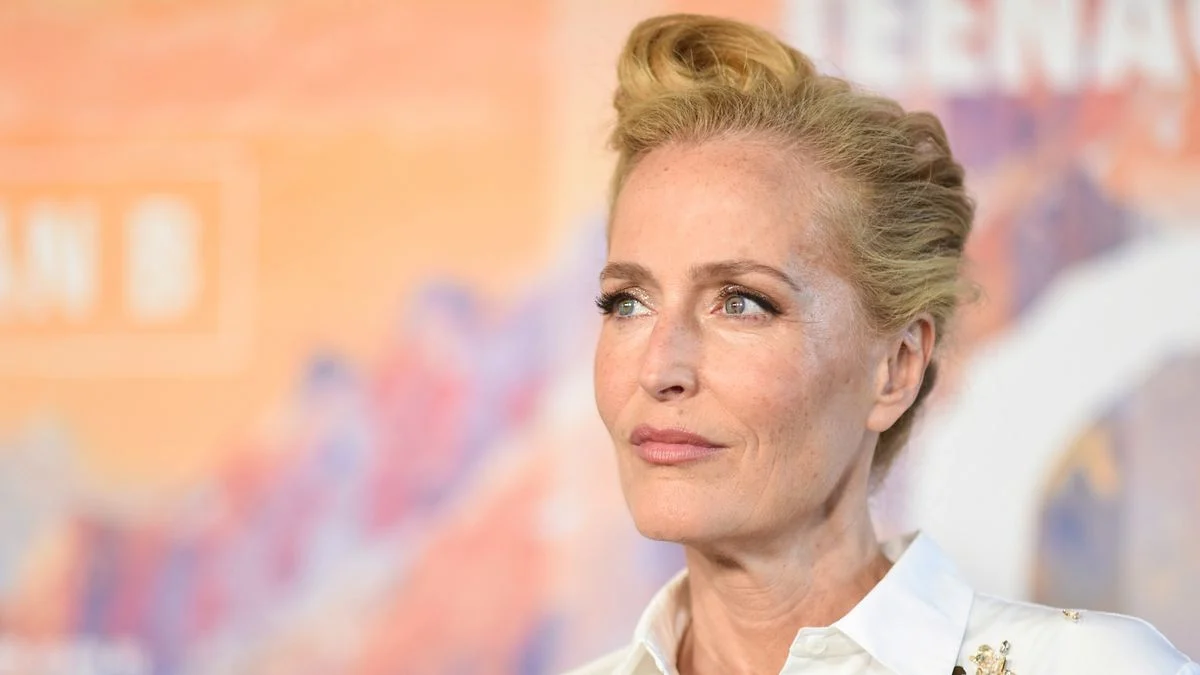
This delicate balance was shattered recently when Gillian Anderson, currently starring in a production of Edward Albee’s seminal drama Who’s Afraid of Virginia Woolf? at London’s Soho Place, was captured on video confronting fans who had attended the play multiple times. The incident has sparked a heated debate regarding the expectations of celebrity, the nature of live performance, and the ethics of "super-fandom" in the age of viral social media.
The New Trend: Hollywood’s West End Incursion
The presence of A-list stars in London theater is not a new phenomenon, but its frequency has reached a fever pitch in recent years. From Paul Mescal’s acclaimed performance in Tennessee Williams’ A Streetcar Named Desire at the Noël Coward Theatre to Tom Hiddleston’s turn in Shakespeare’s Much Ado About Nothing at the Theatre Royal Drury Lane, the West End has become a playground for screen icons.
For the actors, this "theatrical pilgrimage" serves a dual purpose. It allows them to strip away the artifice of blockbuster film sets and return to their dramatic roots, proving their range to critics and peers alike. For the theaters, the arrangement is a financial boon. By casting recognizable faces, venues can command premium ticket prices, knowing that a dedicated base of "hardcore" fans will go to extraordinary lengths to see their idols perform in the flesh. This creates a high-stakes ecosystem where the theater is no longer just a space for art, but a site of pilgrimage for the celebrity-obsessed.
Chronology of the Conflict
The incident involving Gillian Anderson, the 58-year-old star of The X-Files and Sex Education, took place outside the Soho Place theater. The situation unfolded as follows:

- The Recurring Attendance: A small group of fans, known for their serial attendance, had reportedly secured front-row seats for nearly 20 performances of Who’s Afraid of Virginia Woolf?.
- The Confrontation: Caught on video by onlookers, Anderson approached these fans outside the stage door. Her tone was firm, underscored by a visible, audible frustration. "You cannot come to the theater 20 times and sit in the front row," she told them directly. "It is completely distracting to me."
- The Social Media Backlash: Following the release of the video, the internet reacted with characteristic speed. Many fans felt slighted, arguing that their dedication—and the significant financial investment required to see so many shows—should be met with appreciation rather than rebuke.
- The Official Response: Recognizing the potential for a PR crisis, particularly for an actress widely regarded as accessible and down-to-earth, Anderson issued a public statement clarifying her stance. She emphasized the psychological requirement for "intimacy" during a theatrical performance, though she stopped short of explaining exactly how these specific fans were physically or mentally disrupting her performance.
The Psychology of Performance: Why Presence Matters
To understand Anderson’s reaction, one must look at the unique mechanics of live theater. Unlike cinema, where a performance is captured once and repeated on a screen, theater is a living, breathing organism that relies on the "fourth wall."
Actors, particularly those performing intense, emotionally taxing works like Albee’s Who’s Afraid of Virginia Woolf?, operate in a state of hyper-awareness. They feed off the energy of the audience, yet they also require a degree of detachment to inhabit their characters. When an actor recognizes the same faces in the front row night after night, the "illusion of character" is broken.
"When you see someone you recognize—someone you know is ‘watching you’ rather than ‘watching the character’—it shatters the immersion," explains theater critic Marcus Thorne. "For a performer, the front row is an extension of the stage. If that space is occupied by people whose primary goal is to signal their fandom, the actor can no longer feel safe in their vulnerability."
Supporting Data: The Economics of Fandom
The trend of "super-fandom" is supported by a growing economy. Data from ticketing platforms suggests that "repeat viewing" among younger fans has surged by 35% in the last five years, largely driven by social media influencers and fan communities dedicated to specific actors.
- The Premium Pricing Model: West End theaters now utilize dynamic pricing. When a star is announced, prices for front-row seats can triple. This creates an exclusive environment where only the most affluent or the most obsessed fans can gain access.
- The "Stalking" Culture: The rise of TikTok and Instagram has gamified the experience of "meeting" celebrities. Fans share tips on where to wait, what to say, and how to get the best photos, turning the theater experience into a content-creation opportunity.
- The Intimacy Paradox: While actors rely on audience engagement to fill seats, they simultaneously demand professional distance. This creates a "parasocial trap" where fans believe their purchase of a ticket buys them a social connection with the star.
Implications for the Future of Theater
The backlash against Anderson highlights a broader cultural shift. In an era where celebrities are expected to be "authentic" and "accessible" 24/7, the demand for boundaries is often interpreted as elitism. However, the incident raises important questions about the sustainability of the "Hollywood-in-the-West-End" model.

If theater professionals cannot maintain the psychological distance necessary to perform, we may see a decline in the quality of these crossover productions. Conversely, if fans feel alienated, the lucrative "star-power" revenue stream could suffer.
Furthermore, the incident forces a conversation about the ethics of the audience. Is it reasonable for a fan to expect a personal relationship with an actor because they have spent thousands of pounds on tickets? The general consensus among acting professionals is a resounding "no." Theater is a communal experience, not a private meet-and-greet.
Conclusion: A Need for New Etiquette
Gillian Anderson’s plea to her fans serves as a stark reminder that even in the age of global digital visibility, the theater remains a sacred space of work. Her frustration, while perhaps poorly received by those who felt slighted, speaks to a legitimate professional need for focus.
As the lines between private lives and public performances continue to blur, both the industry and the audience must negotiate a new etiquette. Fans must learn that true support for an artist involves respecting their professional space, and theaters must perhaps reconsider how they manage repeat attendance in the front rows.
The stage is, and always will be, a place for transformation. When that transformation is interrupted by the persistent gaze of the "super-fan," the magic is not just disturbed—it is extinguished. For the sake of the art form, it is perhaps time for the audience to take a step back, letting the actors do what they came to London to do: disappear into their roles.