By Agnes Bührig, NDR Kultur
Updated: October 2, 2026 | 16:06 CEST
Introduction: A Mirror to Modern Reality
In an era defined by the rapid consumption of ephemeral digital content, the 2026 German Youth Photo Prize (Deutscher Jugendfotopreis) has emerged as a profound counter-movement. This year, the competition received submissions from 1,236 children, teenagers, and young adults, showcasing a generation that is far from passive. Instead, these young photographers are wielding their cameras with a surgical blend of political courage and empathetic storytelling.
The jury, tasked with evaluating this diverse array of talent, noted a striking trend: the departure from superficial aesthetics toward raw, authentic, and deeply personal narratives. These young artists are not merely capturing images; they are crafting statements—powerful, resonant, and remarkably devoid of the "performative" nature often associated with modern social media culture.
Main Facts: The Competition Landscape
The German Youth Photo Prize, hosted by the German Children and Youth Film Centre (Deutsches Kinder- und Jugendfilmzentrum) and supported by the Federal Ministry for Family Affairs, has served as a pivotal stage for emerging photographic talent for over six decades. The 2026 edition highlights 40 distinct winners, whose works collectively map the anxieties, dreams, and political consciousness of youth today.
The current exhibition, which brings these winning works into the public sphere, is on display at the Düsseldorf gallery "KIT – Kunst im Tunnel" until November 15. The exhibition serves as a physical archive of contemporary youth identity, featuring everything from traditional reportage to experimental, non-linear storytelling.
Chronology and Evolution: From Reportage to Personal Expression
To understand the significance of this year’s submissions, one must look at the evolution of the competition. Professor Karen Fromm of the Hannover University of Applied Sciences, who has observed the trajectory of the competition since 2011, identifies a distinct shift in methodology.
"When I began my tenure in 2011, the core of the submission pool was rooted firmly in classic reportage," Fromm explains. "Today, that framework has expanded into a vast, complex ecosystem."
This evolution is characterized by a "great coexistence" of styles:
- 2011–2018: Dominated by objective documentary work and traditional photojournalistic tropes.
- 2019–2023: The rise of staged photography and the integration of digital, self-reflective artistic practices.
- 2024–2026: A convergence of technical diversity, ranging from analog, home-built pinhole cameras to advanced smartphone documentation, paired with an intense focus on ethics and the politics of representation.
Supporting Data: A Generational Shift in Technique
The technical diversity of the 2026 submissions is telling. Katharina Klapdor Ben Salem, the director of the competition, notes a significant shift in visual composition. "We are seeing a marked preference for vertical orientations over horizontal ones," she observes, attributing this directly to the dominance of Instagram and smartphone-based photography.
Yet, this digital saturation has triggered a fascinating backlash: a renewed hunger for the analog. The competition saw a surge in submissions utilizing film, chemical development, and hand-crafted optical devices. This trend suggests that for the digital native, the act of "slow photography"—where the process is tactile and time-consuming—is a deliberate rebellion against the instantaneity of the digital age.
Case Studies: Four Portraits of Reality
1. Anna Lotta Maria Schulze: The Ethics of Intimacy
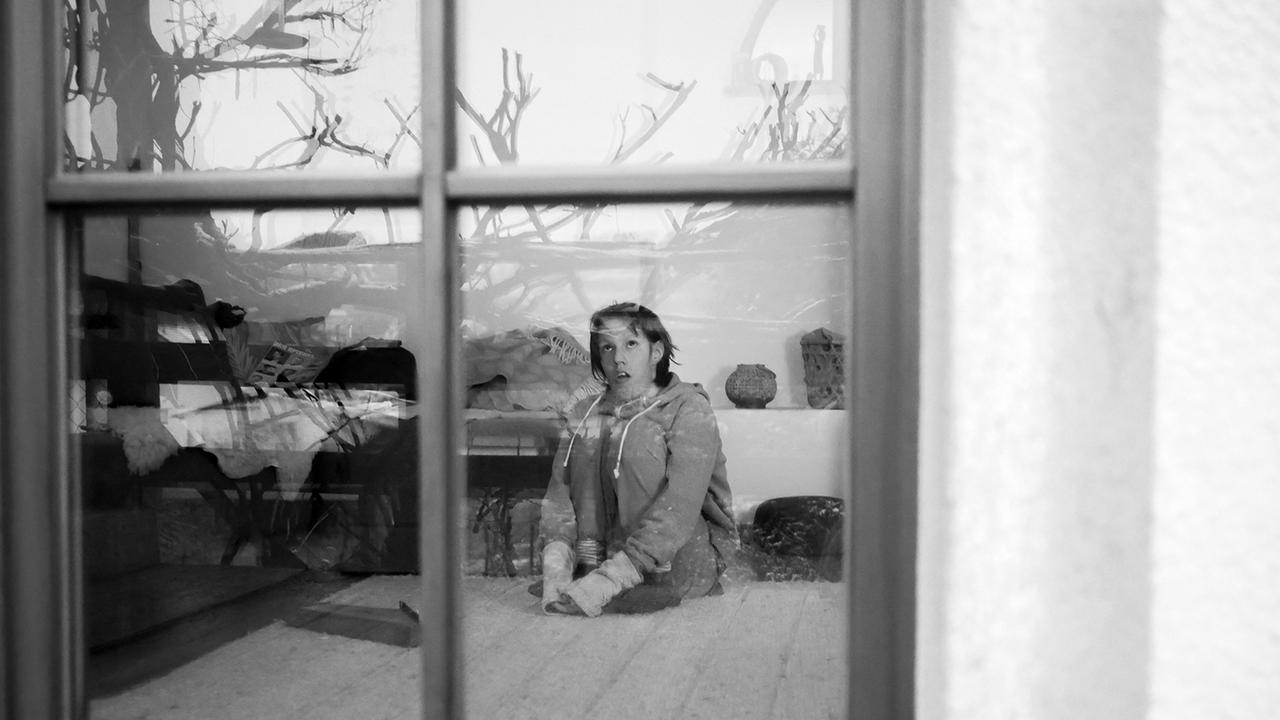
The 22-year-old Hannover student’s series, Lina, is a testament to trust. Photographing her younger sister, who lives with a severe disability, Schulze navigated the fine line between observation and exploitation. "Trust is the most important element of my work," Schulze says. The images—some taken through glass, others capturing quiet domestic moments—are not about the disability itself, but about the profound, unspoken bond of sisterhood. Her work challenges the viewer to look at vulnerability without pity, but with dignity.
2. Jasper Hill: Exploring the "White Mountains"
Jasper Hill, also a student in Hannover, took his camera into the industrial heartlands of Germany. His series, In the Land of the White Mountains, documents the potash mining industry across Thuringia and Lower Saxony. His work includes surreal shots of theater performances held against the backdrop of massive, artificial salt hills, and claustrophobic, high-contrast images taken 750 meters underground. For Hill, photography is a gateway to research and social exploration—a way to bridge the gap between his own experience and the lives of those in regions shaped by heavy industry.
3. Nele David: Dismantling the "Other"
In Start with Bismillah – In the Name of God, 22-year-old Nele David provides an intimate look into the lives of young Muslim women. A convert to Islam herself, David uses both analog and digital mediums to capture the mundanity and beauty of faith. One striking image depicts two women in full veils wearing modern sneakers, laughing as they walk through a store. Her work acts as a visual refutation of the stereotypes often found in mainstream political discourse, centering the lived experience over the political caricature.
4. Frieda Wagner: The Architecture of Chronic Illness
Perhaps the most visceral entry is that of 21-year-old Frieda Wagner. Living with ME/CFS, a debilitating chronic condition, Wagner has spent the last two years largely confined to her bed. Her series consists of over 150 smartphone self-portraits. "I wanted to document the reality," she notes. Her work is an act of reclaiming agency—she is both the subject and the photographer, deciding exactly how much of her pain and her isolation to reveal to the outside world.
Official Responses: The Jury’s Verdict
Katharina Klapdor Ben Salem is emphatic about the value of this year’s work. "We are impressed by how brave, engaged, and political these works are," she says. She highlights that the strength of these young photographers lies in their ability to present complex, subjective realities without feeling the need to make loud, preachy declarations.
"They are exploring the core questions of our time: Who has the right to show whom? What is the power dynamic between the lens and the subject? Why do we capture what we capture?" she adds.
Implications: The Future of Photographic Discourse
The 2026 German Youth Photo Prize reveals that the next generation of visual storytellers is fundamentally preoccupied with the "politics of the gaze." Whether it is through the lens of disability, industrial heritage, religious identity, or chronic illness, these young artists are interrogating the space between the observer and the observed.
As Professor Fromm notes, many students today arrive with an inherent awareness of their role as the "photographing person." They are moving away from the comfort zone of photographing those they identify with, and instead, are venturing into landscapes—both literal and metaphorical—that challenge their own perspectives.
The legacy of the 2026 competition is not found in the technical mastery of the images, but in the shift toward "reality over confession." By documenting the specific, the local, and the personal, these young photographers are building a mosaic of modern life that is more honest, nuanced, and structurally sophisticated than ever before. For the art world, and for society at large, these works serve as an essential reminder: photography remains the most potent tool we have for witnessing the world as it truly is, rather than as it is curated to appear.