The German rap scene is reeling as Aykut Anhan, better known by his stage name Haftbefehl, has officially canceled his highly anticipated upcoming concert dates. The artist, widely considered a pioneer of modern German street rap, is reportedly under medical supervision, prompting his family to step in and prioritize his well-being over his professional obligations.
1. Main Facts: A Sudden Halt to the Tour
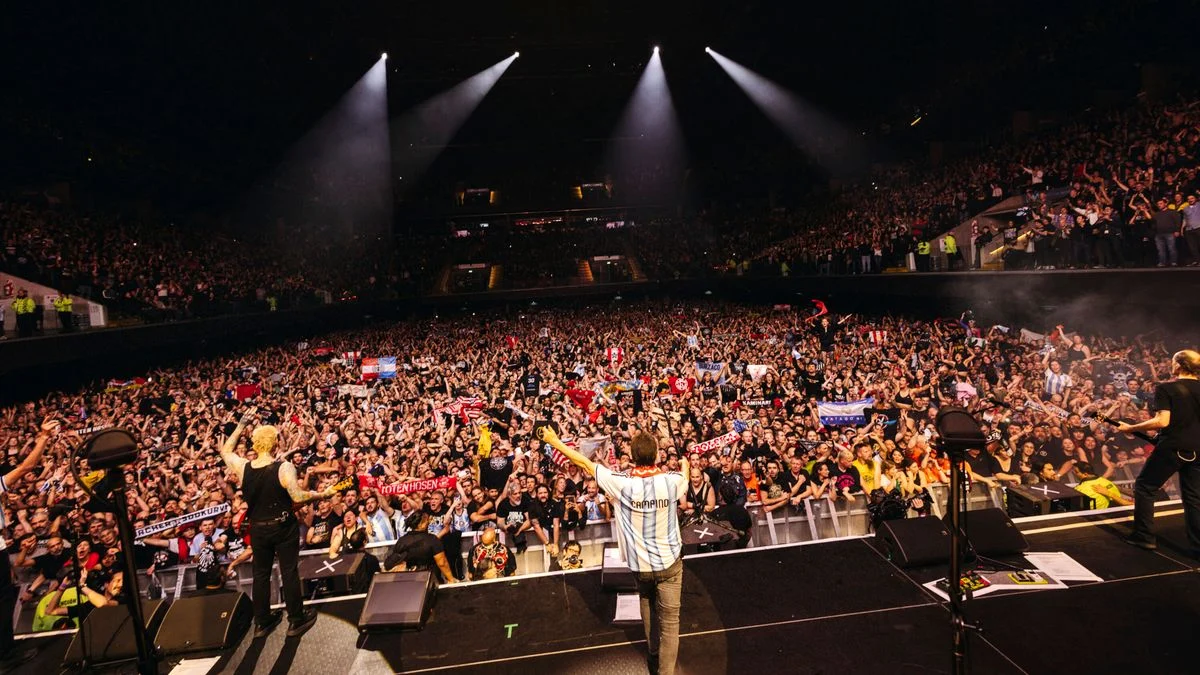
The announcement, which arrived via a brief but poignant statement released on social media platforms Instagram and TikTok, has left fans in disbelief. The rapper was scheduled to perform in Düsseldorf on October 15, 2026—a show that had been sold out for weeks—followed by a concert in Berlin just three days later.
Cem Anhan, the artist’s brother, addressed the public directly in the video statement, explaining that Aykut is currently unable to communicate with his audience personally. The primary reason for the abrupt cancellation is that the 40-year-old musician is currently "under medical supervision." The statement emphasized that, at this critical juncture, the priority is the artist’s health and his ability to focus on his recovery.
"We have decided as a family, together with him, that he must step back from these commitments," Cem Anhan stated. "We know how disappointed many of you are, and we are deeply sorry for the inconvenience. We ask that you respect his privacy and give him the space he needs right now."
2. Chronology of a Troubled Year
To understand the gravity of this situation, one must look at the trajectory of Haftbefehl’s career over the past several months. After a significant period of withdrawal from the public eye, the Offenbach-born rapper attempted a comeback in September 2026 with a performance in Frankfurt am Main. That show was widely seen as a sign of his return to form, yet it appears the pressures of touring and the public spotlight have proven too heavy to sustain.
The Summer of Cancellations
The current situation mirrors a series of events that began in June 2026. During that period, the rapper canceled multiple high-profile festival appearances on short notice. The official reasoning provided at the time was "health-related," but it was clear to industry insiders that the artist was struggling with the cumulative effects of long-term public exposure and personal battles.
Transparency and the Weight of Truth
The struggles facing Haftbefehl are not entirely hidden from his fanbase. A significant catalyst for the recent public scrutiny was the release of a Netflix documentary focused on the rapper’s life. In the production, Anhan spoke with raw, uncomfortable honesty about his history of drug addiction, specifically detailing the long-term consequences of cocaine abuse.
While the documentary was lauded for its artistic depth and vulnerability, the sheer volume of public discourse it generated appears to have had a detrimental impact on the rapper’s mental health. The constant revisiting of his darkest chapters, combined with the expectations of a grueling tour schedule, created a cycle of pressure that ultimately led to the current hiatus.
3. Supporting Data: The Physical and Mental Toll
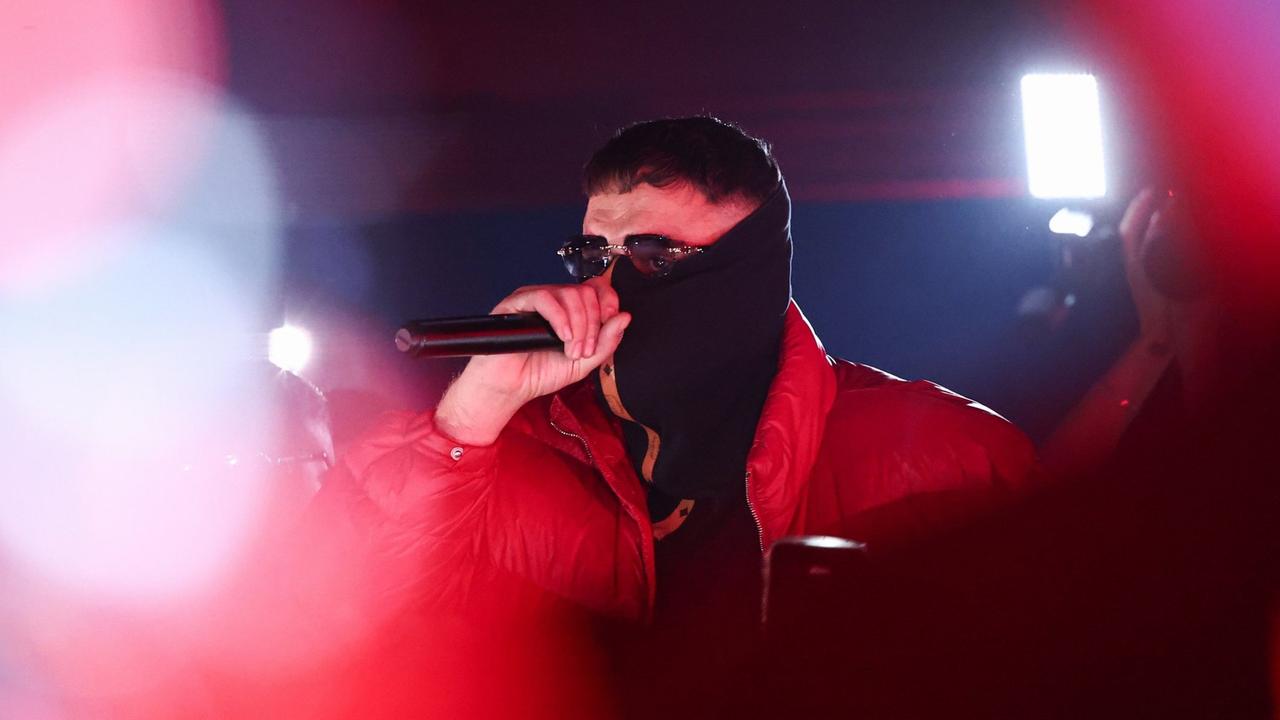
The physical toll of the artist’s past substance use has been a recurring theme in his public appearances. For some time, Haftbefehl has been seen wearing a mask in public and during performances. This is not merely an aesthetic choice; it serves to conceal damage to his nose, a direct medical consequence of long-term cocaine consumption that has necessitated multiple surgical interventions.
These physical challenges are intrinsically linked to the mental fatigue he is currently experiencing. Medical experts in addiction and recovery often point out that the transition from a period of intense crisis to the demands of a public-facing performance career is precarious. The "return to the stage" is often a mental hurdle as much as a physical one. By choosing to step away, Anhan is signaling a departure from the "show must go on" mentality that has historically plagued the music industry, particularly within the high-intensity world of hip-hop.
4. Official Responses and Industry Impact
As of the morning of October 12, the ticketing platforms—most notably Eventim—had not yet issued formal instructions regarding refunds for the canceled shows. This is typical in situations where cancellations occur with little warning, as organizers and legal teams must first align on the logistical requirements for processing thousands of tickets.
The cancellation of a sold-out show in a major city like Düsseldorf represents a significant financial and organizational undertaking. Venue operators, security firms, and event staff are all affected by the sudden void in the schedule. However, within the German music industry, the response has been one of overwhelming support for the artist’s decision to prioritize his health.
Prominent figures in the German rap community, many of whom have been influenced by Haftbefehl’s unique lyrical style and "Offenbach" flow, have taken to social media to express solidarity. The consensus among peers is clear: the music is secondary to the individual’s survival.
5. Implications: The "Price of Fame" in Hip-Hop
The situation surrounding Haftbefehl brings to the forefront a necessary conversation about the sustainability of mental health in the music industry.
The Stigma of Addiction
Haftbefehl’s openness about his addiction in his Netflix documentary was a watershed moment for German hip-hop. By refusing to hide his struggle, he dismantled the facade of the "invincible" rapper, a trope that has dominated the genre for decades. However, this radical transparency comes with a cost. By inviting the audience into his most private, painful struggles, the line between "Aykut the man" and "Haftbefehl the brand" has become blurred.
What Happens Next?
The current, indefinite pause suggests a deeper need for rehabilitation than what was perhaps attempted earlier this summer. The "medical supervision" mentioned by his family indicates a structured, clinical approach to his recovery.
For the industry, the implications are clear: the era of demanding constant accessibility from artists—regardless of their internal state—is increasingly viewed as exploitative. The "Haftbefehl case" is becoming a case study in how the digital age, with its 24/7 news cycle and social media demands, exacerbates the recovery process for artists with pre-existing vulnerabilities.
The Fan Perspective
Fans, while disappointed, have largely echoed the sentiments of the family. The parasocial relationship between a rapper and their audience is intense, yet the community’s reaction to this news has been one of protective empathy. The sentiment expressed on forums and social media threads is that they would rather wait years for a healthy artist than risk the loss of an icon to the pressures of the industry.
Conclusion
The cancellation of Haftbefehl’s tour is a somber reminder of the human cost of creative genius and the harsh realities of the entertainment business. Aykut Anhan is no longer just a performer; he is a man navigating a difficult path toward healing.
Whether he returns to the stage in the near future remains secondary to the broader lesson of this event. The music industry, the media, and the fans are currently witnessing a rare moment of restraint, where the human necessity of silence and healing is being placed above the commercial machine. As the family has requested, the public’s role now is to wait, to respect the privacy of the artist, and to acknowledge that some battles are won not on a stage, but in the quiet, necessary work of recovery.
As we look toward the coming months, the industry will undoubtedly continue to monitor the situation, but for now, the only news that matters is the health and eventual well-being of a man who has given so much of himself to his art.