In the corridors of global influence, where policy is forged and geopolitical destinies are shaped, the attire of the modern statesman is rarely accidental. While bespoke suits and silk ties remain the standard uniform of the establishment, a subtle shift has occurred in the sartorial choices of the world’s most powerful men. Recently, political observers and fashion historians alike have noted an intriguing juxtaposition: the pairing of high-end, luxury horology—specifically the Rolex—with the humble, colorful woven friendship bracelet.
This intersection of extreme wealth and the aesthetic of youthful camaraderie suggests a complex signaling strategy. It is a visual shorthand designed to bridge the gap between institutional authority and the perceived need for "relatability." But what does this combination truly communicate, and why is it appearing on the wrists of those who occupy the highest offices in the world?
The Main Facts: A Study in Contrast
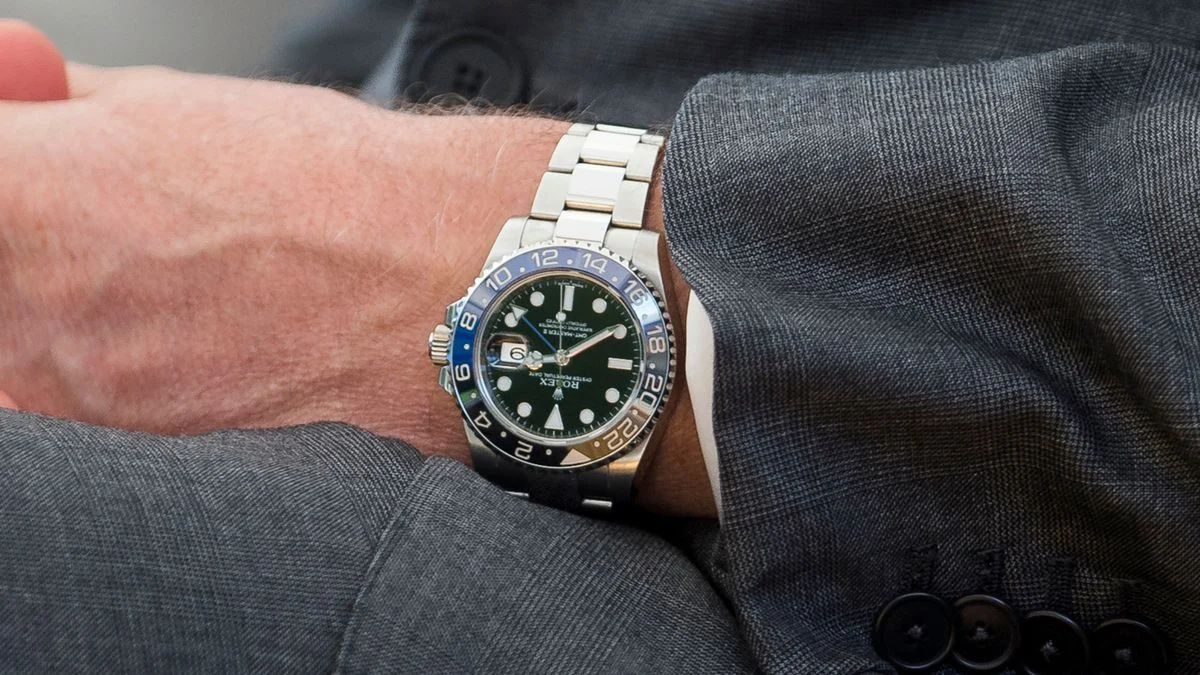
The Rolex, particularly the classic Oyster Perpetual or the Submariner, is the universal totem of success. It is a tool of precision, durability, and, above all, status. It speaks to a heritage of excellence and a commitment to tradition. In contrast, the friendship bracelet—often made of nylon, cotton, or simple beads—is a vestige of childhood play. It represents non-transactional bonds, the informality of a summer camp, and a lack of concern for material value.
When worn together, these two items create a semiotic "clash." The luxury watch provides the anchor of seriousness, while the friendship bracelet acts as a softening agent. For a politician, this combination is a calculated risk. It invites the public to look past the cold, hard machinery of governance and into the supposed "humanity" of the leader. It is an exercise in managed vulnerability.
Chronology: The Evolution of the "Man of the People" Look
The origins of this trend can be traced back to the mid-2010s, though it has reached a fever pitch in the 2020s.
- 2015–2018: The rise of the "Tech-Bro" aesthetic. Silicon Valley executives, who eschewed ties for hoodies, began normalizing the mix of ultra-luxury watches with "low-fi" accessories. This signaled that while they were masters of the universe, they were still "one of the guys."
- 2019–2021: The post-pandemic transition. As the world emerged from lockdown, the optics of extreme wealth became politically sensitive. Politicians and diplomats, eager to avoid the appearance of being out of touch, began incorporating subtle, personal items into their attire. The friendship bracelet, often gifted by children or grandchildren, became a convenient "prop" to humanize the political figurehead.
- 2022–Present: The mainstreaming of the aesthetic. We now see heads of state and high-level cabinet members wearing these items simultaneously in formal settings, such as summit meetings or G7 negotiations. The bracelet is no longer a hidden personal memento; it is a visible component of the political brand.
Supporting Data: The Psychology of Accessories
Fashion psychologists suggest that the "bracelet-watch" trend operates on the principle of discrepancy signaling. By wearing an item that is overtly inexpensive, the wearer signals a sense of self-confidence so robust that it does not require constant confirmation through expensive goods alone.
Data from political polling agencies suggests that voters—particularly younger demographics—respond more favorably to leaders who exhibit "authentic" traits. In a digital age where every public appearance is scrutinized for signs of artifice, the friendship bracelet serves as a "trust-marker." It is a subtle nod to the domestic life of the politician, implying that beneath the policy-making exterior lies a father, a grandfather, or a friend.
However, the efficacy of this strategy is debated. Critics argue that the contrast is jarring, bordering on the performative. When a Rolex worth thousands of dollars sits next to a five-dollar piece of braided string, the resulting aesthetic is inherently paradoxical. It creates a tension that leaves the viewer questioning the sincerity of the gesture. Is it a genuine reflection of character, or a focus-group-tested attempt to manipulate public perception?
Official Responses and Public Reception
The press offices of major political figures rarely comment on the specifics of their principals’ attire, dismissing it as "personal choice." However, behind the scenes, image consultants admit that the "wrists of power" are a focal point of their strategy.
"We look for ways to make the candidate feel accessible," says a former campaign strategist who requested anonymity. "The watch is a non-negotiable—it’s part of the professional armor. But the bracelet? That’s the emotional hook. It’s about creating a narrative of connection. If a world leader is wearing a bracelet made by their grandchild, they aren’t just a faceless bureaucrat; they are a human being with a stake in the future."
The public reception has been polarized. On social media platforms like X (formerly Twitter) and Instagram, the combination often sparks heated debate. While supporters praise the "down-to-earth" nature of the look, detractors often characterize it as "poverty cosplay," arguing that the disparity between the two items only serves to highlight the massive wealth gap between the ruling class and the average citizen.
Implications: What This Says About Our Leaders
The proliferation of this specific combination reveals a fundamental change in how power is projected in the 21st century. We have moved away from the "Stiff Upper Lip" era of cold, detached authority. Today’s leaders are expected to be empathetic, transparent, and relatable.
The Rolex represents the "hard power" that the public expects of its leaders: the ability to manage complex economies, military alliances, and international treaties. The friendship bracelet represents the "soft power" of the individual: the ability to relate to the common person, to love, and to maintain personal ties.
By wearing both, the modern leader is attempting to inhabit both worlds simultaneously. They are trying to tell the electorate: "I am competent enough to lead a nation, but I am still one of you."
The Danger of the Performative
The danger of this trend lies in its potential for backfiring. In an era of intense political skepticism, any accessory that looks like a "tactic" is treated as such. If the public perceives the friendship bracelet as a calculated attempt to gain favor, the effect is the exact opposite of what was intended. It breeds cynicism rather than trust.
Furthermore, there is the issue of the "Rolex" itself. In many political circles, wearing a luxury timepiece is increasingly seen as a liability. The shift toward the friendship bracelet may be an unconscious attempt to mitigate the "Rolex problem." By pairing the watch with a cheap bracelet, the politician is attempting to neutralize the negative connotations of the luxury item.
Conclusion: A Mirror of Modernity
The combination of a Rolex and a friendship bracelet is more than just a passing fashion trend; it is a mirror reflecting the anxieties and aspirations of the current political moment. We live in an age where the lines between the personal and the political have been permanently blurred.
As we look toward the future of political leadership, we should expect to see more of these carefully curated contrasts. Whether they represent a genuine shift toward more "human" governance or merely a new layer of sophisticated political marketing remains an open question. One thing, however, is certain: when you look at the wrists of the powerful, you are seeing exactly what they want you to see—a carefully balanced equation of authority and accessibility, precision and play, status and sentiment.
Ultimately, the friendship bracelet is a small, quiet accessory, but in the high-stakes theater of global politics, it carries the weight of a complex message. It is the visual equivalent of a stump speech: designed to be seen, meant to be felt, and curated to convince. Whether it succeeds or fails depends not on the quality of the watch or the craftsmanship of the bracelet, but on the public’s willingness to believe in the sincerity of the man wearing them.