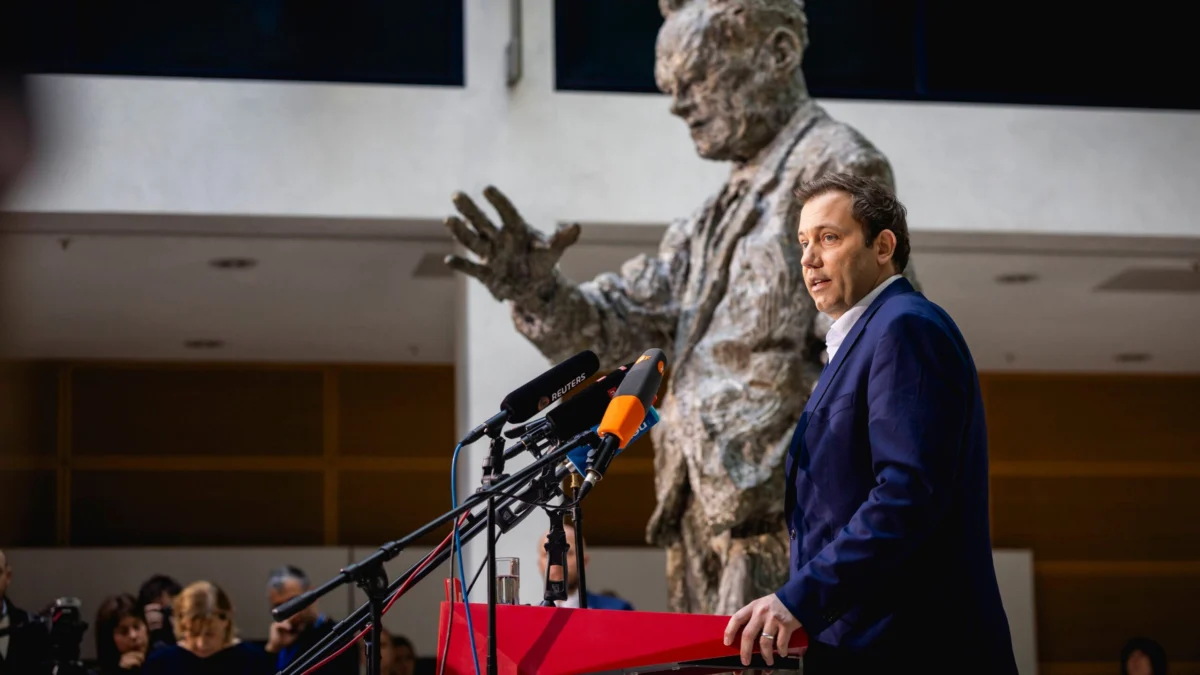
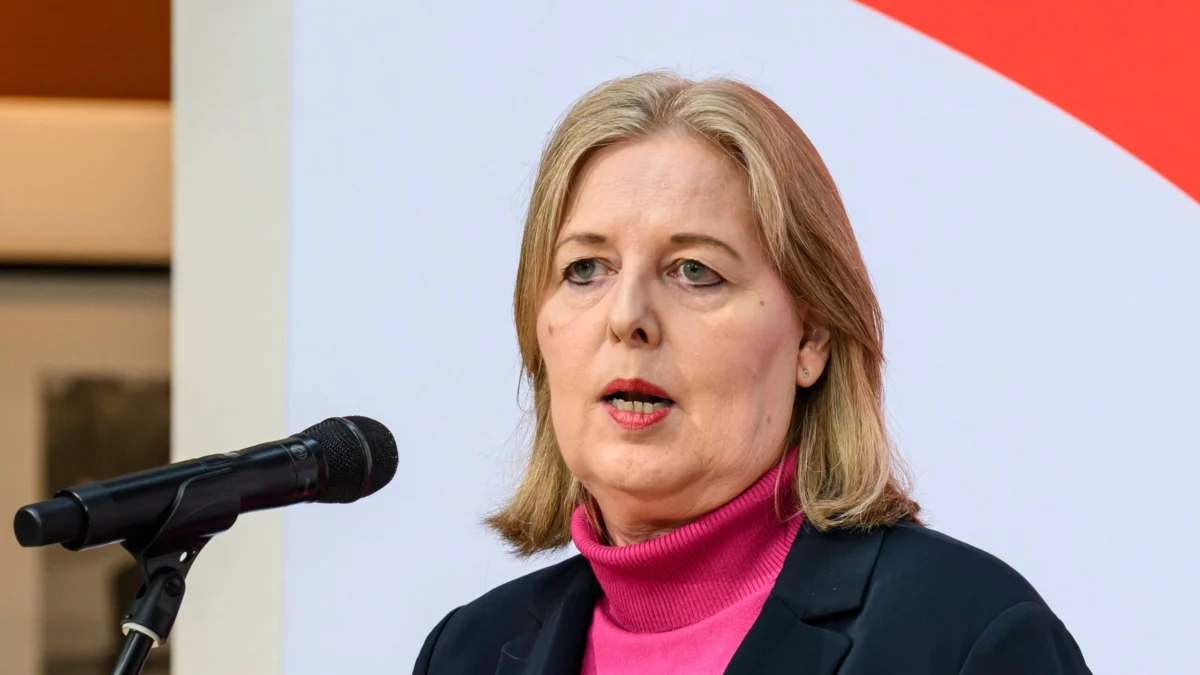
After a two-day closed-door retreat, the Christian Democratic Union (CDU) leadership emerged with a set of proposals aimed at addressing recent electoral setbacks. However, the much-anticipated session, designed to foster deep self-reflection and chart a new course, yielded few genuinely novel insights, primarily reiterating established party positions and introducing a renewed focus on tax cuts. The party’s top brass, including Secretary-General Franziska Hoppermann and party leader Friedrich Merz, consciously managed expectations from the outset, framing the gathering not as a "silver bullet" but rather as the initial phase of a long-term strategic process.
Main Facts: A Familiar Blueprint with New Packaging
The core output of the CDU Presidium’s deliberations was a five-page resolution boldly titled "What Must Happen Now." Despite the assertive declaration, the document largely repackaged long-standing conservative demands under more socially appealing headings: "Affordability," "Justice," and "Security." This strategy, articulated by Merz and Hoppermann, aimed to "better reach people and take their lived realities into account," attempting to cloak traditionally neoliberal content in a more palatable social veneer.
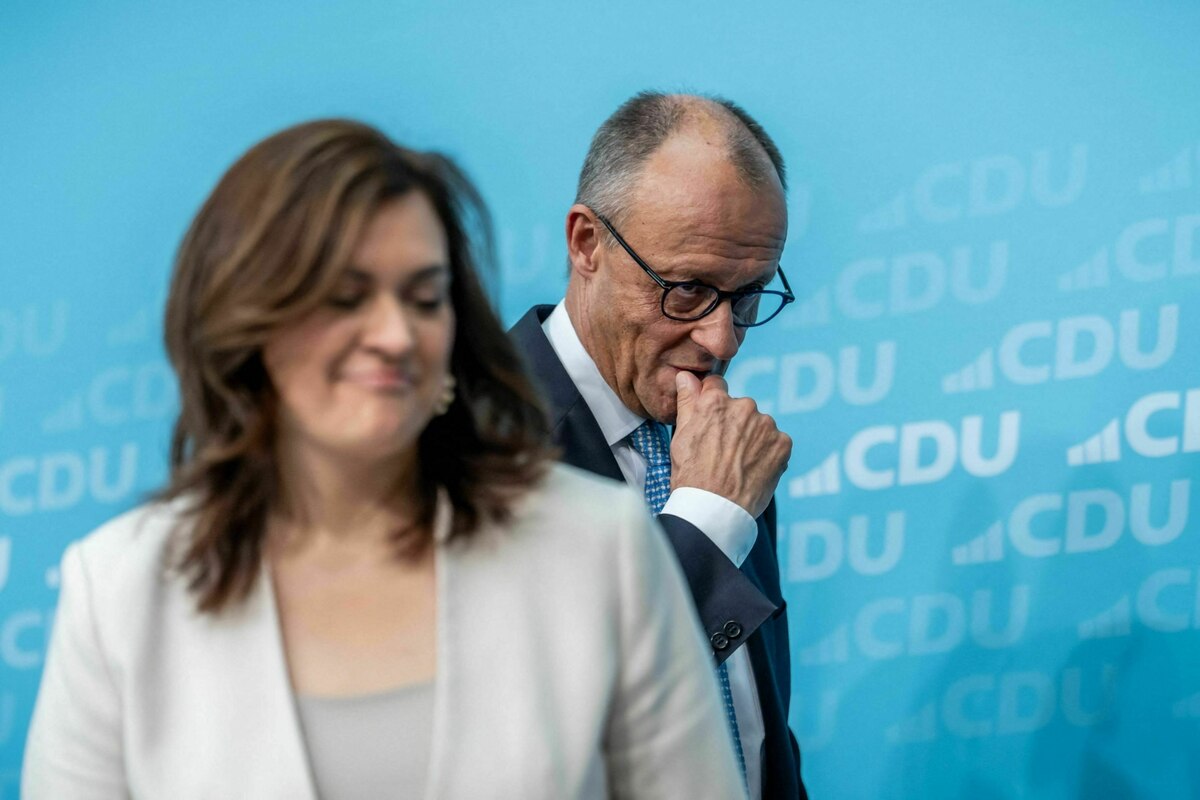
Central to the economic proposals was a commitment to alleviate burdens on businesses through tax reductions and simplified reporting requirements, framed as a measure for "affordable living." Housing costs were targeted for reduction by lowering building standards, a contentious approach that implicitly rejects more interventionist solutions like expropriation. Additionally, the party advocated for cheaper domestic flights by cutting associated fees and taxes, a move that raises questions about its alignment with contemporary climate goals.
Friedrich Merz further announced intentions to leverage projected budgetary "headroom" to reduce electricity taxes for consumers. This plan, however, hinges on optimistic economic forecasts, specifically a 1 percent growth for the coming year, which would hypothetically generate an additional 10 billion Euros in federal and state revenues. From this, the CDU envisions funding a 5-billion-Euro electricity tax cut.
On the "Justice" front, the CDU revived its long-standing critique of the welfare system, proposing that recipients of basic social security benefits ("Grundsicherung") be obligated to actively contribute to society and face sanctions for refusing job offers. This stance revisits a perennial debate, even though the current "Bürgergeld" (citizen’s income) law, enacted by the governing "traffic light" coalition, already includes provisions for sanctioning individuals who reject reasonable employment opportunities.
Regarding "Security," the party outlined a resolute approach against the "abuse of social benefits," the swift deportation of criminals and individuals deemed threats, and a comprehensive fight against "clan criminals, extremists, Islamists, and anti-Semites." Hoppermann emphasized the party’s intolerance for "no-go areas" in German cities. Notably, despite recent high-profile incidents, explicit mention of "right-wing extremism" was absent from the official security agenda.

Chronology: A Weekend of Deliberation and Measured Public Statements
The CDU Presidium’s retreat spanned two days, from Saturday to Monday, offering a concentrated period for introspection and policy formulation. The initial framing by Secretary-General Franziska Hoppermann underscored a cautious approach, preempting overly high expectations by labeling the gathering as merely the "opening of a process." This measured tone continued with Friedrich Merz’s post-meeting remarks, where he acknowledged the impossibility of "reinventing a party over a single weekend" and stressed the ongoing need to overcome a "crisis of trust."
Behind the closed doors, the discussions likely covered a wide array of topics, from economic strategy to social welfare, and crucially, the party’s stance on the rising far-right. The formal outcome, the five-page resolution, was then presented to the public, summarizing the party’s consensus on the aforementioned issues. The press conference following the retreat served as the primary platform for Merz and Hoppermann to communicate their findings and address journalistic inquiries, where the nuances and implicit criticisms within the document, as well as topics not explicitly mentioned, came to light.
The timing of this retreat is critical, coming in the wake of a series of disappointing electoral performances for the CDU at both federal and state levels. While the article doesn’t specify recent election dates, the context clearly indicates a party in need of strategic recalibration to regain public confidence and electoral momentum. The urgency for such a retreat underscores the leadership’s recognition of a shifting political landscape and the need to re-evaluate their appeal to a diverse electorate.

Supporting Data: Contextualizing the CDU’s Proposals
The CDU’s proposals must be understood within the broader context of Germany’s current political and economic climate.
- Economic Outlook and Fiscal Policy: The projection of 1 percent economic growth for the coming year, on which the proposed electricity tax cut relies, represents a hopeful scenario. Germany’s economy has faced headwinds, including high energy costs, inflation, and supply chain disruptions. While a 1% growth rate is modest, it signifies a potential rebound from stagnation. However, the current federal budget does not show existing "headroom," implying that the tax cut would necessitate either a significant economic upswing or cuts elsewhere, posing a challenge to fiscal stability. The call for tax relief for businesses and reduced reporting requirements echoes traditional CDU economic liberalism, aiming to stimulate investment and job creation. However, critics often argue such measures disproportionately benefit larger corporations without directly addressing the cost of living for average citizens.
- Housing Crisis: The proposal to lower building standards to reduce housing costs addresses a pressing issue in Germany, particularly in urban centers where rents and property prices have soared. However, this approach is often met with skepticism from urban planners and environmentalists, who fear it could compromise quality, energy efficiency, and livability. Alternative solutions, such as increased public housing construction, rent caps, or even limited expropriation of large housing portfolios (as debated in Berlin), are often championed by left-leaning parties but are anathema to the CDU’s market-oriented philosophy.
- Social Welfare and Labor Market: The "evergreen" debate surrounding basic social security recipients highlights a persistent ideological divide. While the CDU emphasizes the obligation to contribute and the need for sanctions against those refusing work, the current "Bürgergeld" system already incorporates these elements, albeit with a stronger focus on integration and training. The CDU’s re-emphasis suggests a desire to project an image of stricter social policy and responsibility, potentially appealing to segments of the electorate concerned about perceived "abuse" of the welfare state.
- Climate and Transport Policy: The proposal to lower taxes and fees on domestic flights stands in stark contrast to broader European and German efforts to decarbonize the transport sector. While intended to make travel more affordable, it could be perceived as undermining climate protection goals and favoring a mode of transport with a relatively high carbon footprint, especially when compared to rail alternatives. This stance could put the CDU at odds with younger voters and those prioritizing environmental issues.
- The AfD Conundrum and the "Brandmauer": The most sensitive and politically charged aspect of the retreat, though largely implicit in the official document, was the CDU’s struggle with the rise of the far-right Alternative for Germany (AfD). The incident in Magdeburg, where a far-right state parliament president was elected with suspected votes from CDU members, brought this internal tension to a head. The "Brandmauer" (firewall) – the CDU’s long-standing policy of non-cooperation with the AfD – has shown cracks. The AfD’s growing support, fueled by anxieties over immigration, economic pressures, and disillusionment with mainstream politics, presents a significant challenge to the CDU’s position as the dominant conservative force.
Official Responses and Internal Party Dynamics
Franziska Hoppermann’s initial downplaying of expectations ("no silver bullet") and Friedrich Merz’s post-retreat statement ("cannot reinvent a party over a weekend") served to manage the narrative, acknowledging the deep-seated challenges facing the CDU without promising instant solutions. These statements reflect an understanding that restoring trust and electoral success will be a gradual process requiring sustained effort.

Merz’s strong condemnation of CDU members potentially voting with the AfD in Magdeburg was a crucial official response. His declaration that "deputies who lend a hand for such an election have no place in the CDU" was an unequivocal reaffirmation of the "Brandmauer." This firm stance was essential to quell internal dissent and reassure voters that the party remains committed to democratic principles and against alignment with the far-right, despite recent incidents and internal debates. It underscores the leadership’s attempt to draw a clear line in the sand, even as the pressure from the AfD’s growing electoral strength continues to test the party’s resolve.
Beyond internal party discipline, Merz also used the platform to issue sharp criticisms externally. His attack on the "widespread anti-Semitism" within the Berlin Left and his demand for the SPD and Greens to cease talks with this "radical left party" reveals a tactical maneuver. By focusing on the perceived failings of the left, Merz attempts to paint the CDU as the responsible center-right alternative, drawing a contrast with potential left-wing coalitions and shifting public attention.
Furthermore, Merz’s unusually sharp critique of former U.S. President Donald Trump’s policy proposal to allow Russian diesel deliveries for the U.S. and global markets signaled a clear divergence from potential future American foreign policy under a Trump administration. Merz explicitly stated that such a step would be "out of the question" for Germany and the EU, emphasizing the need to "intensify pressure on Russia." This strong international posture, delivered by the leader of Germany’s largest opposition party, reaffirms Germany’s commitment to its current sanctions regime against Russia and its support for Ukraine, positioning the CDU as a reliable and principled actor on the global stage.
Implications: The Road Ahead for the CDU

The outcomes of the CDU Presidium’s retreat carry significant implications for the party’s future trajectory, the broader German political landscape, and its role in international affairs.
- CDU’s Identity and Direction: The retreat’s proposals indicate a continued reliance on core conservative and neoliberal tenets, albeit presented with a more socially sensitive vocabulary. This suggests that the CDU, under Merz, is doubling down on its traditional economic platform rather than undergoing a radical ideological shift. The emphasis on "affordability," "justice," and "security" through tax cuts, deregulation, and stricter social welfare policies aims to appeal to a broad base of middle-class voters and those concerned about economic stability and law and order. However, the lack of truly new ideas raises questions about the party’s ability to innovate and capture the imagination of younger generations or those seeking more progressive solutions to contemporary challenges like climate change and social inequality.
- Impact on German Politics: The CDU’s stance could intensify political debates with the ruling "traffic light" coalition (SPD, Greens, FDP). Proposals like lowering building standards, cutting domestic flight taxes, and stricter welfare policies are likely to face strong opposition from the Greens and parts of the SPD, leading to further polarization. Merz’s direct criticism of the Berlin Left also indicates a hardening of political lines, potentially making future coalition formations more difficult, especially in states where the CDU might consider alliances with other parties. The CDU’s efforts to position itself as the responsible opposition, ready to govern, will be scrutinized against the effectiveness and originality of its policy alternatives.
- Internal Party Cohesion and the AfD Challenge: Merz’s unequivocal statement on the AfD represents a crucial attempt to reinforce the "Brandmauer." However, the mere necessity of such a statement highlights ongoing internal tensions and the persistent pressure from the far-right. The CDU’s struggle to contain the AfD’s rise and prevent its own members from drifting towards populist narratives remains one of its most significant challenges. The success of Merz’s strategy will depend on his ability to unite the party behind a clear anti-AfD stance while simultaneously offering compelling solutions that address the root causes of voter disaffection that the AfD exploits.
- Economic and Social Consequences: Should the CDU’s proposals ever be implemented, they would have tangible effects. Tax cuts for businesses and consumers could stimulate economic activity but might also exacerbate wealth inequality or strain public finances if economic growth falters. Lowering building standards could make housing cheaper but potentially at the cost of environmental sustainability or quality of life. The re-emphasis on welfare sanctions, while appealing to some, could further marginalize vulnerable populations if not accompanied by robust integration and support measures.
- International Relations: Merz’s strong stance against Trump’s potential Russia policy signals a consistent German commitment to the current international order and sanctions regime, irrespective of changes in U.S. leadership. This position strengthens Germany’s credibility as a reliable partner within the EU and NATO, emphasizing a principled foreign policy, even when confronted with powerful allies’ shifting priorities. It underscores the CDU’s understanding of Germany’s significant role in European security and its continued support for Ukraine.
The CDU’s two-day retreat, while presented as the beginning of a renewal process, largely reaffirmed established party lines. The path forward for the CDU appears to involve a careful balance: reaffirming its conservative identity, confronting the rise of the far-right, and positioning itself as a credible alternative to the current government, all while navigating a complex domestic and international landscape. The real test will be whether these re-packaged ideas can genuinely resonate with voters and whether the party can demonstrate true adaptability beyond rhetorical shifts. The announced upcoming meetings, including those with district leaders and regional conferences, indicate that this process of self-assessment and strategic adjustment is far from over.