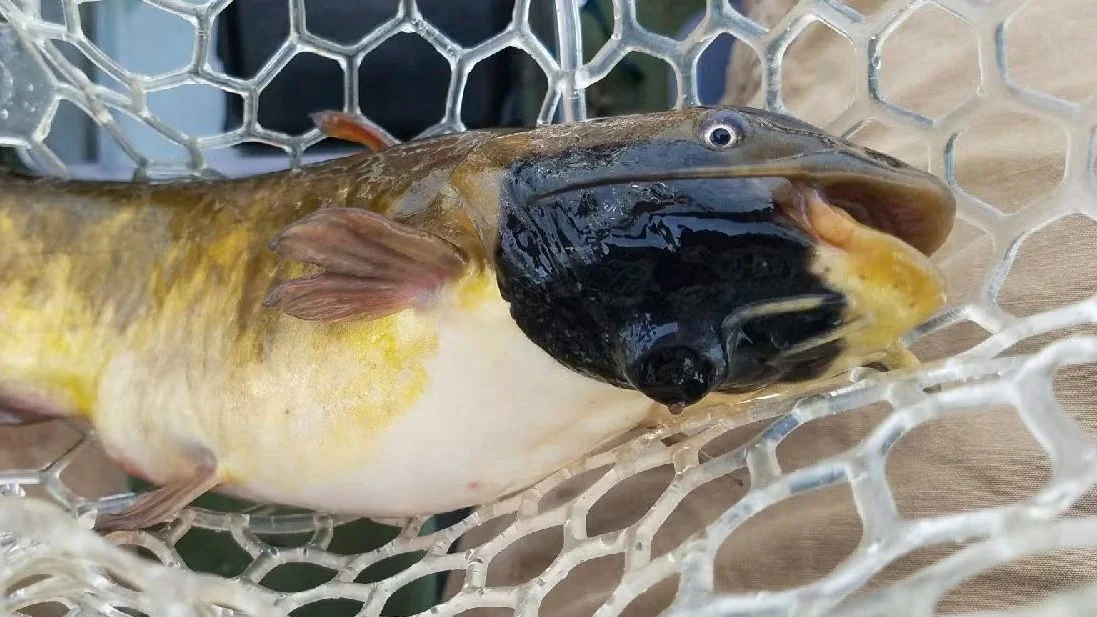
It began as a puzzling observation for local anglers. In 2012, those casting their lines into the cool, deep waters of Lake Memphremagog, straddling the border between the United States and Canada, began noticing something deeply unsettling. The brown bullhead catfish they pulled from the depths were not the healthy, sleek specimens of years past. Instead, nearly a third of the fish exhibited grotesque, visible lesions and severe skin abnormalities.
What initially appeared to be a localized ecological anomaly has evolved into a scientific discovery that challenges our fundamental understanding of oncology and evolutionary biology. A new study published in the prestigious journal Nature confirms what researchers have long suspected: the catfish are suffering from a transmissible cancer—a rare, contagious form of the disease that spreads from individual to individual, turning the fish into a biological vector for its own demise.
The Chronology of a Biological Mystery
The timeline of the Lake Memphremagog outbreak offers a sobering look at how quickly an environmental crisis can unfold. For years, the prevalence of these tumors among the catfish population remained a subject of anecdotal concern among local fishing communities. It was not until academic institutions began systematic sampling that the true scope of the crisis was understood.
By comparing genetic samples from various tumors across different fish, researchers from the University of Vermont (UVM) made a breakthrough that shifted the paradigm of the investigation. They discovered that the cancer cells within the tumors were genetically identical to one another, but distinct from the host fish themselves.
The evidence points to a "Patient Zero" scenario: a single fish likely developed an initial malignancy. Somehow, perhaps through the shedding of cancer cells into the water column, these cells became autonomous, living agents of disease. When these cells came into contact with other catfish—most likely through physical interaction during spawning seasons—they successfully grafted onto the new hosts, initiating a self-replicating, clonal lineage of cancer that has now swept through the population.
The Rarity of Transmissible Cancer in the Animal Kingdom
For decades, the medical community viewed cancer as a non-communicable disease, an internal failure of an individual’s own genetic machinery. While viruses (such as HPV) can trigger cancers in humans, the idea of the cancer cell itself being the infectious agent was considered an extreme biological outlier.
However, the Lake Memphremagog case places this phenomenon in a new light. Historically, only a handful of such transmissible cancers have been documented in the wild:
- Tasmanian Devil Facial Tumor Disease (DFTD): Perhaps the most infamous, this contagious cancer is transmitted through biting during social interactions, threatening the very survival of the species.
- Canine Transmissible Venereal Tumor (CTVT): A unique cancer that spreads among dogs during mating, essentially acting as an ancient cell line that has survived for centuries by jumping between hosts.
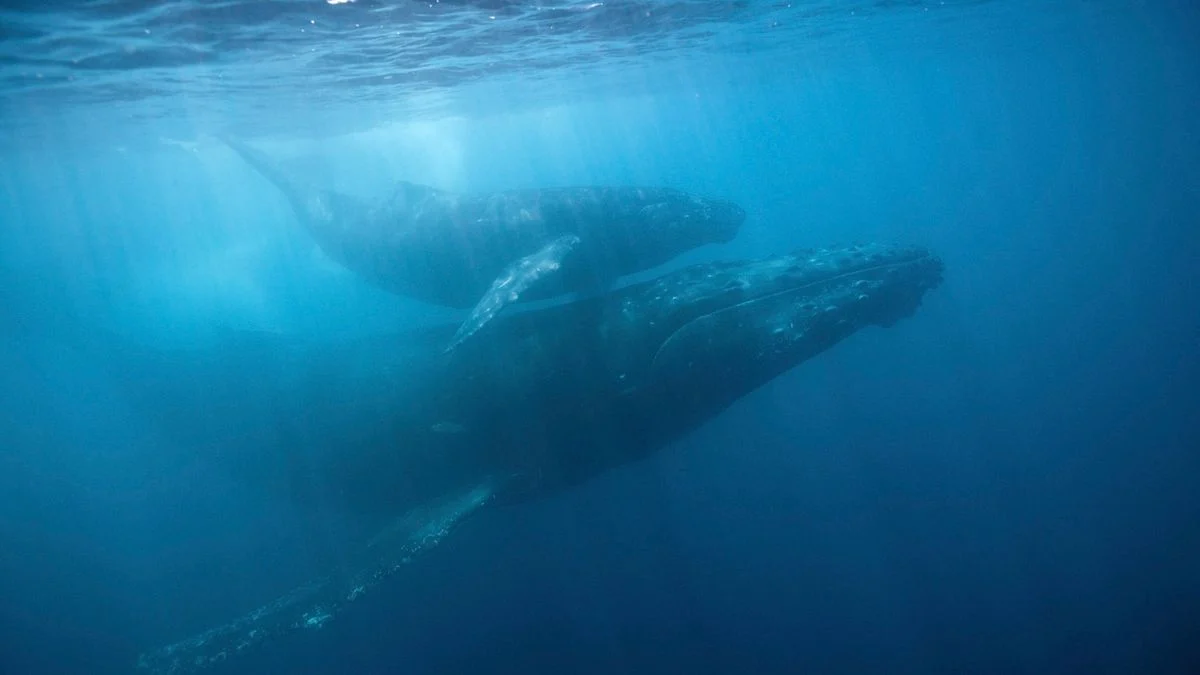
- Bivalve Leukemias: Certain species of clams and mussels have been found to harbor leukemia-like cells that drift through the ocean, infecting other shellfish across vast distances.
The discovery in Lake Memphremagog represents the first time this phenomenon has been confirmed in fish, suggesting that the "survival strategy" of contagious cancer might be far more pervasive in the natural world than previously estimated.
The Mechanics of Transmission: Why the Bullhead?
The UVM research team is now shifting its focus to the specific environmental and behavioral triggers that facilitate this transmission. A striking pattern has emerged: the cancer appears almost exclusively in adult fish of spawning age.
This is not a coincidence. During the spawning season, bullhead catfish engage in intense, localized activity in shallow, warm waters. They congregate in high densities, creating a perfect storm for physical contact. It is during these moments of proximity that the contagious cancer cells—which may be shed into the water—likely find new hosts. The researchers theorize that the fish’s immune systems, potentially stressed or weakened by the rigors of reproduction, are unable to mount a sufficient defense against the invasive, foreign tumor cells.
Implications for Human Health and Global Ecology
The existence of transmissible cancer raises a provocative, if uncomfortable, question: If fish, shellfish, and mammals can harbor these pathogens, is it possible for humans to be affected?
Currently, there is no evidence to suggest that human-to-human transmissible cancers are circulating in the general population. However, the scientific community is taking the threat seriously. Elizabeth Murchison, a preeminent expert in transmissible cancers at the University of Cambridge, noted in an interview with the New York Times that while such a scenario remains purely theoretical for humans, it is a risk that cannot be ignored.
The discovery in the catfish serves as a "canary in the coal mine." It forces a reassessment of cancer as an evolutionary entity. If cancer can evolve the ability to bypass the host-immune barrier and travel between organisms, it represents a potent, albeit rare, evolutionary path. Murchison’s research suggests that the findings in Lake Memphremagog bolster the understanding that transmissible cancers could theoretically emerge in any species, including our own, should the right conditions be met.
Official Responses and Public Safety
As the investigation continues, local authorities and wildlife agencies are navigating the delicate balance between scientific inquiry and public safety. Because the specific pathology of the Lake Memphremagog tumors is still being mapped, the precautionary principle is being applied.
Fischery biologist Peter Emerson, who has been instrumental in the field study, has advised anglers to avoid consuming any fish that show visible signs of skin lesions or abnormal growths.
"We have no concrete data proving that these specific fish pose a direct health risk to humans upon consumption," Emerson told the New York Times. "However, in the absence of absolute certainty, we are prioritizing caution. We are advising the public to avoid handling these fish with bare hands and to absolutely refrain from eating any specimen that appears diseased."
The Future of the Research
The study published in Nature is merely the beginning of a long-term research effort. Scientists are now looking to develop genomic markers to track the spread of the cancer more accurately. Furthermore, there is an urgent need to understand whether this is a localized mutation or if similar outbreaks are occurring in other bodies of water, unnoticed by the public.
For the ecological health of Lake Memphremagog, the outlook is uncertain. If the cancer is indeed clonal and highly transmissible, it could exert significant pressure on the catfish population. This, in turn, could ripple through the food web, impacting predator species and the overall biodiversity of the lake.
As we stand on the threshold of this new understanding of oncological evolution, the bullheads of Lake Memphremagog have become the unlikely protagonists of a major scientific shift. They remind us that nature is capable of extreme adaptation—and that even in the quiet corners of our lakes, the rules of biology are constantly being rewritten in ways we are only beginning to comprehend. The fight against cancer is no longer just about the individual patient; it is becoming a study of how disease survives, adapts, and travels in an interconnected world.