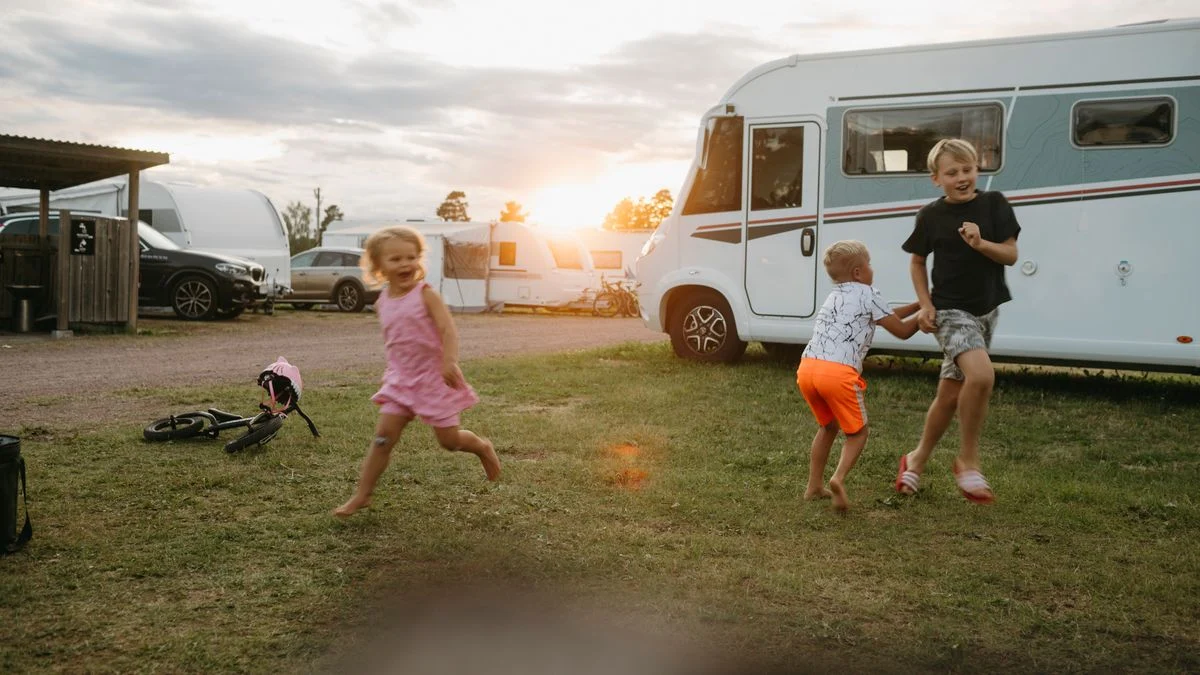
For millions of travelers, the allure of the open road, the crackle of a campfire, and the silence of a starlit night remain the ultimate antidote to the frenetic pace of modern professional life. However, as the camping sector experiences an unprecedented surge in popularity, the dream of an spontaneous getaway has increasingly collided with the reality of fully booked campgrounds and restrictive reservation systems.
Securing a pitch in the eleventh hour—once a simple matter of driving until you found a "Vacancy" sign—now requires a strategic, almost tactical approach. This guide examines the shifting landscape of outdoor hospitality and provides actionable intelligence for those looking to secure a spot at the last minute.
Main Facts: The New Reality of Camping
The camping industry has undergone a paradigm shift. What was once considered an affordable, entry-level form of tourism has become a highly competitive market segment. Data from recent travel reports indicates that campground occupancy rates during peak summer months consistently exceed 90% in popular regions across Europe and North America.
Several factors have converged to create this environment:
- The "Vanlife" Phenomenon: Social media platforms have romanticized nomadic lifestyles, drawing a younger, tech-savvy demographic into the market.
- Infrastructure Constraints: While demand has spiked, the development of new, high-quality campgrounds has remained stagnant due to zoning regulations and environmental protections.
- Digital Booking Platforms: The transition from walk-ins to centralized digital reservation systems has made it significantly easier to book months in advance, effectively locking out last-minute travelers.
For the spontaneous traveler, the primary challenge is no longer just finding a space, but navigating a digital ecosystem designed to reward early planners.
Chronology of the Camping Shift
To understand how we arrived at this state of scarcity, we must look at the timeline of the industry’s evolution over the last decade.
2015–2019: The Digital Transition
During this period, independent campgrounds began moving away from pen-and-paper ledgers toward centralized digital management software. This allowed for real-time inventory tracking, which inadvertently signaled the end of the "drive-up" era.
2020–2021: The Pandemic Catalyst
The global pandemic served as a massive accelerant. As international travel ground to a halt, domestic tourism—specifically nature-based tourism—exploded. "Staycations" became the norm, and campgrounds became the preferred destination for those seeking social distancing and open-air safety. This period established the current baseline of high demand.
2022–Present: The "Normalization" of Scarcity
Even as traditional travel resumed, the camping habit stuck. New market entrants who purchased recreational vehicles (RVs) during the pandemic continue to use them, keeping demand consistently high. Meanwhile, smaller, private campgrounds have been bought up by large investment groups, often leading to price increases and more aggressive reservation policies.
Supporting Data: Why Your Favorite Spot is Full
Analysis of current booking trends reveals a stark disparity between supply and demand. According to recent industry surveys:
- Lead Times: The average booking lead time for high-demand coastal or mountain campgrounds has increased from two weeks in 2018 to nearly four months in 2024.
- The Weekend Bottleneck: Occupancy on Friday and Saturday nights remains at near-capacity levels throughout the season, whereas mid-week occupancy sits at roughly 60%.
- Cancellation Rates: Interestingly, the rise of "speculative booking"—where travelers book multiple sites for the same dates and cancel late—has created a "ghost availability" effect. Sites appear booked, but often open up within 48 to 72 hours of the arrival date.
Official Responses and Industry Outlook
Industry associations and campground operators are currently caught in a balancing act. On one hand, they benefit from the record-high revenue; on the other, they face mounting criticism regarding accessibility.
"We are seeing a clear shift in the demographics of our guests," says a spokesperson for a leading European campground federation. "Our operators are investing heavily in digital infrastructure to manage the load, but the physical land available for camping is finite. We encourage travelers to consider ‘off-season’ or ‘shoulder-season’ trips, where the experience is often better and the pressure on infrastructure is significantly reduced."
Environmental agencies have also weighed in, noting that over-tourism in remote areas threatens the very ecosystems that attract campers. Some regions have begun implementing stricter permit systems for dispersed camping, further complicating the last-minute planning process.
Strategic Implications: How to Win the Last-Minute Game
If you are determined to find a spot despite the odds, you must adapt your strategy. Here are the most effective tactics for the modern camper:
1. Leverage Cancellation Alerts
Several third-party apps now scrape booking websites to monitor cancellations in real-time. By setting alerts for specific regions, you can receive a notification the moment a site becomes available. Speed is of the essence; these spots often disappear within minutes.
2. The Mid-Week Advantage
If your schedule allows, prioritize Sunday through Thursday. Not only is availability significantly higher, but the experience is often more serene. Many operators offer discounted rates for mid-week stays, which can help offset the cost of higher-end, well-serviced parks.
3. Seek the "Hidden" Inventory
The largest booking platforms often prioritize major chains. Smaller, municipal-run sites or private farm-stays often do not appear on these global aggregators. Digging deeper into local tourism board websites or using niche forums can uncover gems that have not yet been fully digitized.
4. Be Prepared for Dispersed Camping
Where legal and permitted, dispersed camping—or "wild camping"—offers an alternative to the crowded campground. However, this requires a higher degree of self-sufficiency and an absolute commitment to "Leave No Trace" principles. Always check local ordinances, as regulations regarding dispersed camping have tightened considerably in recent years.
The Future of Outdoor Tourism
The trend of "camping scarcity" is unlikely to reverse in the near term. As urban centers become more crowded and the desire for nature-based retreats intensifies, the premium on outdoor space will only increase.
For the industry, the challenge will be to balance profitability with inclusivity. If camping becomes an experience reserved only for those who can plan months in advance or afford the premium prices of high-end resorts, it risks losing its core identity as a democratic, accessible form of travel.
For the individual, the takeaway is clear: the era of the carefree, spontaneous road trip is not dead, but it has evolved. Success in the current climate rewards the informed, the flexible, and the persistent. By understanding the data, utilizing modern tools, and remaining open to alternative locations, travelers can still find the quiet, starry nights they seek—they just have to work a little harder to find them.
This article is intended for informational purposes. For ongoing updates on travel restrictions, local campground policies, and live availability tools, subscribers can access our specialized digital resources, including weekly updates on regional tourism trends and exclusive guides to lesser-known camping regions.