Introduction: Bridging Tradition and Modern Royalty
In the heart of Northern Italy, nestled between the culinary powerhouses of Reggio Emilia and Parma, lies a region often referred to as the "Essenstal" (Food Valley). It is a landscape defined by rolling hills, centuries-old traditions, and a dedication to the craft of fine gastronomy. Last Thursday, this serene backdrop became the stage for an unusual royal visit: Catherine, Princess of Wales, stepped into the kitchen to master the delicate art of Italian pasta-making.
The visit, which saw the Princess trading royal protocol for the flour-dusted reality of an authentic agriturismo kitchen, offered a rare, grounded glimpse into the life of one of the world’s most scrutinized public figures. While royal tours are typically defined by ribbon-cutting ceremonies, diplomatic handshakes, and formal galas, this particular excursion emphasized a more human-centric approach to royal engagement—one that resonates deeply with the "normal citizen."
The Chronology of a Royal Culinary Lesson
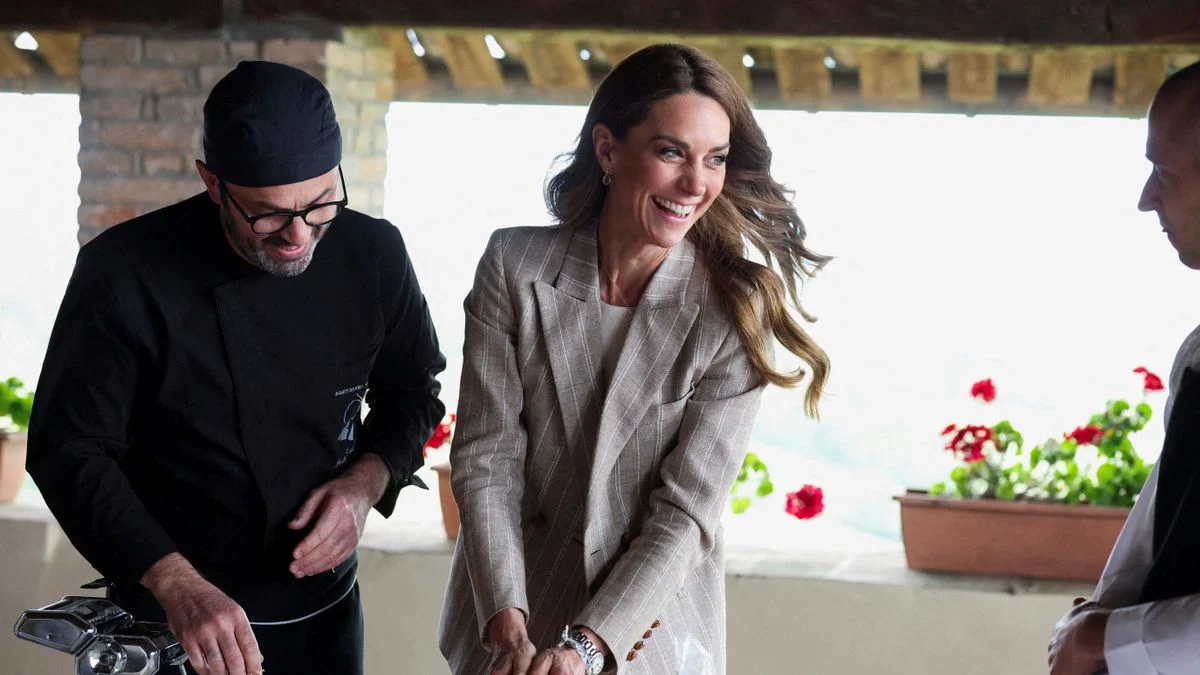
The event took place at the Al Vigneto estate, an establishment known for preserving the rustic traditions of the Emilia-Romagna region. Under the guidance of renowned local chef Ivan Lampredi, the Princess of Wales was given an intensive, hands-on masterclass in the preparation of tortelli.
The Morning Session: Kneading and Filling
The session began with the basics of dough preparation. Observers noted that the Princess, known for her composure during high-pressure diplomatic events, approached the dough with a quiet, focused determination. As she kneaded the mixture of flour and eggs, cameras captured a striking juxtaposition: the glittering sapphire-and-diamond engagement ring, once belonging to the late Diana, Princess of Wales, remained firmly on her finger.
While common kitchen safety advice suggests removing jewelry before handling raw food, the Princess opted to maintain her signature style. The images, which quickly circulated globally, showcased the ring—an heirloom of immense historical and personal significance—resisting the rigors of the kneading process without issue. This minor detail sparked a wave of social media commentary, with many admirers marveling at the endurance of the piece and the Princess’s steady, rhythmic technique.
The Afternoon: Crafting Tortelli
Following the dough preparation, the focus shifted to the art of filling. Chef Lampredi demonstrated the intricate fold-and-seal method required for tortelli. The traditional dish, often stuffed with a mixture of ricotta, spinach, and herbs, is a point of regional pride. The Princess’s attempt at folding the delicate parcels was described as "precise and methodical." By the early afternoon, the kitchen had transitioned from a site of instruction to one of collaborative effort, with the Princess successfully preparing a batch under the watchful eye of the chef.

Supporting Data: The Culinary Heritage of Emilia-Romagna
The choice of venue was far from arbitrary. The Emilia-Romagna region holds a prestigious status in the culinary world, often cited as the true gastronomic heart of Italy.
- UNESCO Recognition: The Italian culinary tradition, specifically the techniques passed down through generations in regions like this, was recognized by UNESCO as an "Intangible Cultural Heritage" last year. The focus is not merely on the end product, but on the preservation of the manual skills required to create it.
- Economic Accessibility: Despite its world-class reputation, the Al Vigneto and similar surrounding establishments maintain a level of accessibility that defies the "exclusive" nature often associated with high-end dining. A typical main course in this region averages approximately 20 euros, providing a high-quality experience that remains attainable for the average traveler.
- Ingredient Diversity: While ricotta and herbs remain the standard, the versatility of the tortelli was highlighted during the visit, with discussions covering variations including pumpkin (zucca) and artichoke, reflecting the seasonal nature of Italian agriculture.
Fashion and Diplomacy: The "Azur" Trend
The royal visit was not solely defined by the kitchen. The Princess’s choice of attire during her Italian tour also captured the attention of international fashion media. According to Vogue, Catherine made several appearances in various shades of "Azure Blue"—a color palette that has seen a surge in popularity, reportedly influenced by the aesthetic language of the film The Devil Wears Prada 2.
This sartorial choice serves as a masterclass in modern royal diplomacy. By aligning herself with contemporary fashion trends, the Princess effectively bridges the gap between the rigid expectations of the monarchy and the fast-paced, influential world of modern media. Her blue ensemble, featuring tailored blazers and wide-leg trousers, underscored a professional yet approachable aesthetic that mirrored her behavior in the kitchen.
Official Responses and Public Perception
The response from the local community was overwhelmingly positive. Chef Ivan Lampredi noted the Princess’s willingness to learn, stating that her commitment to the process was "genuine and earnest."
From a public relations perspective, the visit was a strategic success for the Kensington Palace communications team. By shifting the narrative away from formal state duties and toward early childhood development initiatives—which were also a key focus of the trip—and cultural engagement, the Princess continues to cement her role as a figure who is "close to the people."
The inclusion of a visit to a center for early childhood development alongside the cooking lesson was a deliberate move to highlight the intersection of family, health, and cultural tradition. The palace underscored that these engagements are part of a broader, long-term strategy to connect with grassroots organizations that align with the Princess’s philanthropic interests.

Implications: The Soft Power of Culinary Diplomacy
The broader implications of this visit extend beyond the kitchen floor. Culinary diplomacy is a subtle but powerful tool in the arsenal of the British Royal Family. By immersing herself in the local traditions of a foreign nation, the Princess of Wales successfully fosters goodwill and strengthens cultural ties.
1. Humanizing the Monarchy
In an era where the relevance of the monarchy is frequently debated, these moments of "normalcy"—kneading pasta, dressing in contemporary fashion, and engaging in lighthearted kitchen banter—act as a vital counterbalance. They project an image of a modern, adaptable institution that values cultural exchange.
2. Promoting Cultural Preservation
By shining a spotlight on the artisanal techniques of the Emilia-Romagna region, the Princess provides a global platform for local economies. The "Kate Effect" is well-documented in the fashion world, and it is likely that her interest in regional Italian gastronomy will translate into increased tourism and interest for the producers and chefs in the Reggio Emilia and Parma corridor.
3. A Legacy of Connection
The presence of the engagement ring during the pasta-making process is perhaps the most potent symbol of the visit. It connects the past (Diana’s legacy) with the present (Catherine’s evolving role) and the future (the preservation of tradition). It serves as a reminder that even within the most rigid structures, there is room for the simple, shared human experience of cooking and eating together.
Conclusion: A Lesson in Balance
Catherine’s visit to the "Essenstal" was more than just a photo opportunity; it was a demonstration of the delicate balance required of modern royalty. Whether navigating the complexities of diplomatic etiquette or the simple, sticky dough of a tortelli recipe, the Princess of Wales has shown a consistent ability to adapt.
As the world continues to watch, the lesson from this trip is clear: the strength of a modern institution lies not in its isolation, but in its ability to step out of the palace, roll up its sleeves, and engage directly with the traditions that define the global community. For those wishing to follow in her footsteps, the kitchens of Northern Italy remain open, offering a taste of tradition for the price of a modest meal—no royal title required.