Beneath the surface of the Earth lies a sprawling, intricate, and largely invisible infrastructure that sustains life as we know it. For centuries, humanity has focused its attention on the flora above ground—the towering oaks, the swaying grasslands, and the crops that feed our civilizations. However, a groundbreaking new study has finally illuminated the silent partner of the plant kingdom: the mycorrhizal fungi network.
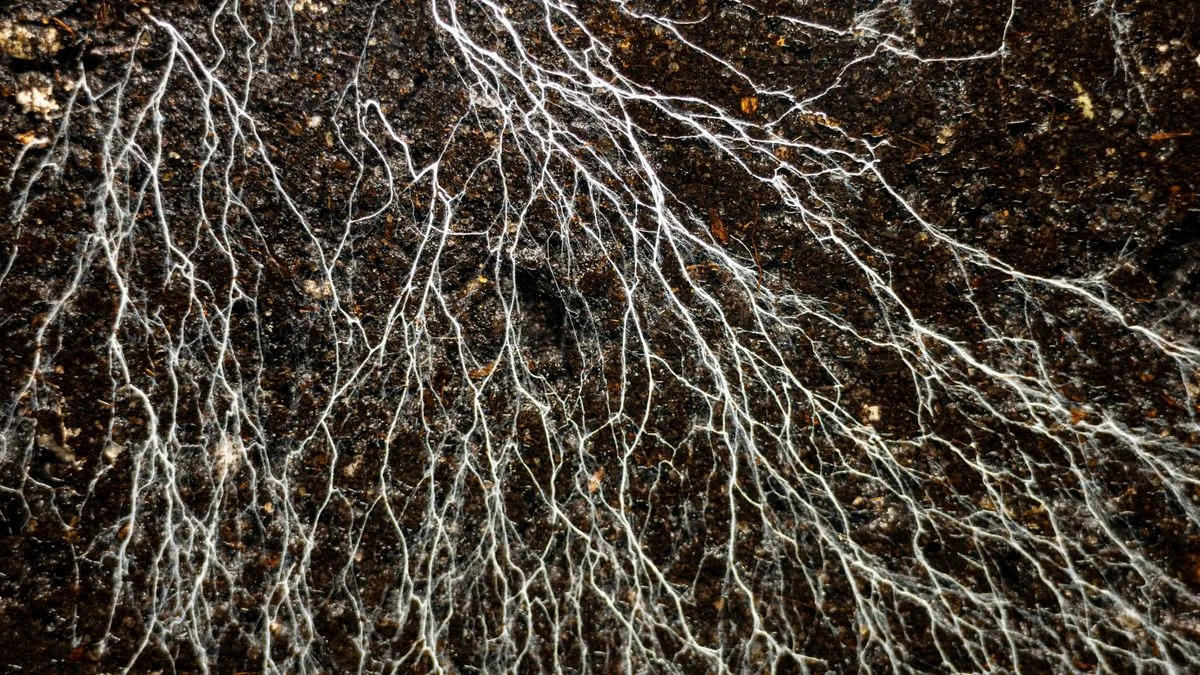
This vast, subterranean web of microscopic threads, known as hyphae, forms a critical biological link that has evolved alongside plants for nearly half a billion years. Recent research led by Justin Stewart of the Vrije Universiteit Amsterdam has provided the first global map of these networks, revealing that our planet is held together by a fungal superhighway of staggering proportions.
Main Facts: The Scope of the Subterranean Web
The scale of this discovery is difficult to grasp. By analyzing over 16,000 soil samples from across the globe and integrating the data with advanced artificial intelligence models, researchers have quantified the density of these fungal networks for the first time.
On average, every cubic centimeter of soil—roughly the size of a sugar cube—contains approximately four meters of fungal filaments. In more nutrient-rich environments, this figure can soar, with a single teaspoon of soil potentially housing up to ten meters of fungal networks. When extrapolated to a global scale, the total length of these threads is mind-boggling: if one were to stretch them end-to-end, they would bridge the distance between the Earth and the Sun 730 million times.
These networks are not merely a curiosity; they are a biological necessity. Roughly 70 percent of all plant species engage in a symbiotic relationship with mycorrhizal fungi. In this ancient partnership, the fungi act as an extension of the plant’s root system, significantly expanding its reach into the soil to access water and minerals that would otherwise remain out of reach.
Chronology of a 475-Million-Year Partnership
The relationship between plants and fungi is not a recent development. Evidence suggests that this symbiotic bond dates back approximately 475 million years, coinciding with the colonization of land by early plants.
- The Dawn of Symbiosis: As plants first transitioned from aquatic environments to the harsh, nutrient-poor landscapes of the primordial Earth, they faced significant survival challenges. Mycorrhizal fungi provided the essential interface to extract minerals from rock and soil, effectively acting as the digestive system for the nascent terrestrial flora.
- Evolutionary Co-dependency: Over the eons, this partnership became deeply entrenched. Plants developed the ability to share the carbon they fix from the atmosphere via photosynthesis, providing the fungi with the energy they need to grow and extend their reach.
- Modern Mapping: It was only in the 21st century that technology finally allowed scientists to quantify this relationship on a planetary scale. Using high-resolution satellite imagery, soil chemistry data, and machine learning, researchers have moved from anecdotal observations of root-fungi interactions to a comprehensive, data-driven understanding of global fungal density.
Supporting Data: Efficiency and Nutrient Cycling
The efficiency of these networks is a marvel of biological engineering. According to the research, these underground conduits increase the effective surface area of plant root systems by up to a hundredfold.
The physiological impact on the host plants is profound. Mycorrhizal fungi are responsible for supplying up to 80 percent of a plant’s necessary phosphorus and approximately 20 percent of its nitrogen. By outsourcing the search for these critical nutrients to the fungi, plants can dedicate more energy to vertical growth, reproduction, and defense against pathogens.
Furthermore, the study highlights the role of these networks in climate regulation. Estimates suggest that these subterranean strands bind roughly one billion metric tons of carbon annually. By sequestering carbon in the soil, these fungi serve as an essential, yet largely unacknowledged, buffer against the impacts of anthropogenic climate change.
The Geography of Fungal Hotspots
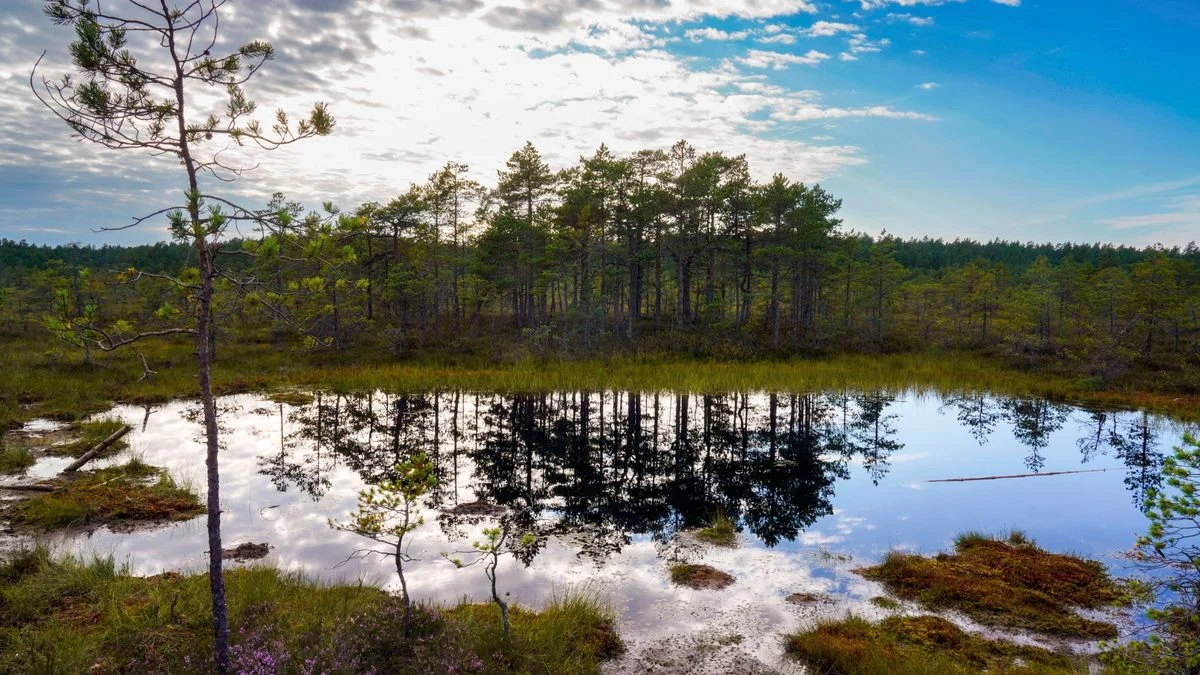
One of the most counterintuitive findings of the study is the distribution of these networks. While many might assume that the most dense fungal activity occurs in old-growth forests, the researchers discovered that the true "hotspots" are actually found in grassland and wetland ecosystems.
Locations such as the high-altitude mountain meadows, the Florida Everglades, and the vast Sudd wetlands of South Sudan exhibit exceptionally dense fungal networks. This is attributed to two primary factors:
- Root Architecture: Grasses and herbaceous plants often possess dense, fibrous root systems that are highly conducive to fungal colonization.
- Evolutionary Affinity: Almost all grass species have evolved an obligate or highly favorable relationship with mycorrhizal fungi.
These ecosystems are currently among the most vulnerable on the planet. Unlike forests, which are often protected for their timber or conservation value, grasslands and wetlands are frequently overlooked and are currently facing severe threats from degradation and land-use changes.
Implications for Agriculture and Sustainability
The research paints a stark picture for the future of global food security. In contrast to the lush, thriving networks found in natural grasslands, agricultural soils tell a different story. The study reports that the density of fungal hyphae in cultivated farmland is, on average, 47.3 percent lower than the global mean.
Modern industrial agricultural practices—specifically intensive tillage and the heavy application of chemical fertilizers—are identified as the primary culprits. Tilling physically tears the delicate, microscopic filaments of the fungal networks, while artificial fertilization discourages plants from maintaining their symbiotic relationship, as they no longer "need" the fungi to source nutrients.
"This could help explain why agricultural soils are among the most depleted on Earth regarding mineral carbon," the researchers noted. By destroying these networks, we are not only losing the plants’ natural support system but also degrading the soil’s capacity to store carbon and maintain its structure.
Official Responses and Future Directions
The scientific community has hailed this study as a landmark achievement. By proving the sheer scale and importance of the "wood-wide web," the researchers have provided a new framework for environmental policy.
Justin Stewart and his colleagues have been clear about the urgency of their findings. "One can hardly overestimate the importance of these fungi," Stewart stated. The implications are clear: to preserve biodiversity and combat climate change, we must pivot toward agricultural methods that protect soil health and foster, rather than destroy, the microbial life beneath our feet.
However, the study also highlights the limits of current knowledge. The research was focused primarily on the upper layers of the soil, leaving the deep-earth fungal landscape largely unexplored. The density of these networks at depths greater than 15 centimeters remains a mystery, representing the next frontier for soil scientists.
A Call for Soil Stewardship
As we look toward a future shaped by climate uncertainty, the protection of our soil—the literal foundation of terrestrial life—has never been more critical. The mycorrhizal network is a silent, global utility that works tirelessly to keep our ecosystems functioning. Recognizing its value is the first step in shifting our agricultural and conservation paradigms toward a more sustainable and symbiotic future. We must learn to manage our lands not just as plots of dirt, but as living, breathing, and interconnected biological systems. Only by safeguarding this hidden infrastructure can we ensure the continued productivity and resilience of the natural world.