Thuringia is often celebrated as the "green heart of Germany," a region defined by its dense forests, medieval castles, and deep connections to the Enlightenment. Yet, beyond the rolling hills and the shadow of the Wartburg, there exists a less-heralded, albeit equally vital, cultural artery: the state’s extraordinary density of historic theaters. From the opulent halls of Meiningen to the intimate, courtly stages of Gotha and Rudolstadt, Thuringia hosts a theatrical heritage that is not merely a relic of the past, but a living, breathing component of modern European cultural identity.
Main Facts: A Legacy of Courtly Splendor
The theatrical landscape of Thuringia is unique in its geographic and historical distribution. Unlike the centralized cultural capitals of larger states, Thuringia’s theater culture is decentralized, a byproduct of its centuries-long history as a patchwork of small duchies and principalities. Each ruler in the 18th and 19th centuries sought to outdo their neighbor in artistic refinement, leading to the creation of high-caliber performance venues that still define the state’s identity today.
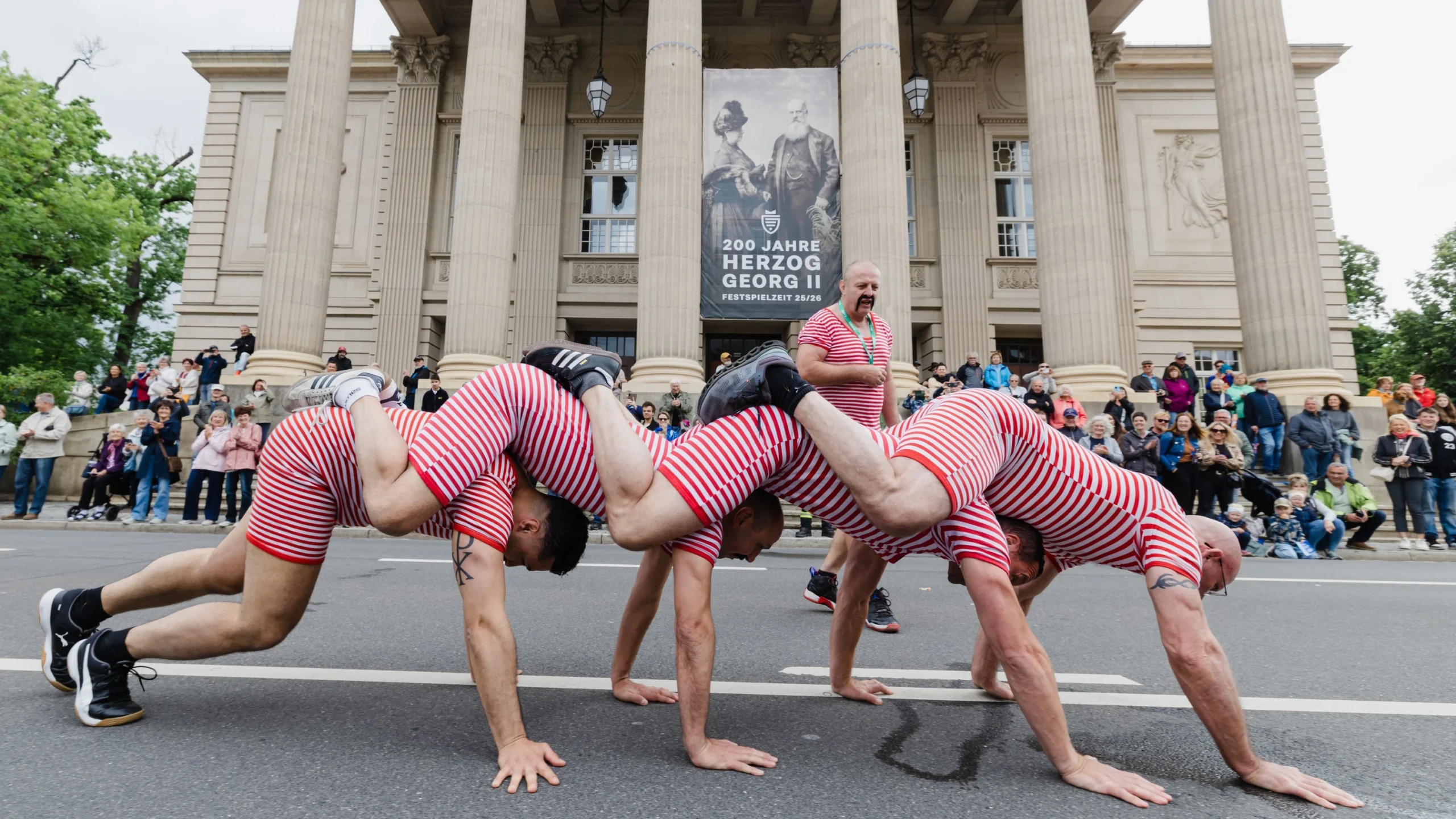
At the center of this year’s discourse is the bicentennial of Duke Georg II of Saxe-Meiningen. Known as the "Theater Duke," his influence on modern stagecraft cannot be overstated. He pioneered the "Meiningen Ensemble," a revolutionary approach that prioritized historical accuracy in costumes and sets, and, crucially, introduced the concept of the director as the unifying creative force behind a production—a standard that remains the bedrock of global theater today.
Chronology: From Princely Playhouses to Modern Stages
To understand the weight of Thuringian theater, one must look at the timeline of its development:
- 17th–18th Century (The Era of Absolutism): The construction of baroque theaters like the Ekhof-Theater in Gotha. These were the private playgrounds of the nobility, often featuring sophisticated wooden machinery for stage effects that still function today.
- 1866–1890 (The Meiningen Peak): Duke Georg II transforms the Meiningen Court Theater. His productions travel across Europe, influencing luminaries like Stanislavski and Ibsen. The focus shifts from the "star actor" to the "unified stage image."
- 1920 (State Consolidation): The formation of the state of Thuringia merges several smaller entities, leading to a new administrative approach to cultural funding that protects these theaters from the volatility of the market.
- 2026 (The Bicentennial): Celebrations across the state honor the legacy of Duke Georg II, with special performances, academic symposia, and a renewed emphasis on regional tourism as a tool for cultural preservation.
Supporting Data: The Economic and Cultural Footprint
The cultural sector in Thuringia acts as a significant economic driver. According to recent state cultural audits, the theater sector supports over 3,000 direct jobs, ranging from stage designers and carpenters to orchestral musicians and administrative staff.

- Venue Density: Thuringia boasts one of the highest densities of public theaters per capita in Germany.
- Tourism Impact: Data from the Thuringian Tourism Board indicates that "cultural tourism" accounts for approximately 22% of all overnight stays in the region. Travelers are increasingly moving away from mass tourism, seeking the "slow travel" experiences provided by these historic towns.
- Funding Models: The state provides substantial subsidies, recognizing that these institutions are not profit-driven enterprises but essential infrastructure for social cohesion. The "Thuringian Theater Model," which promotes cooperation between smaller municipal stages and larger state theaters, is often cited as a blueprint for sustainable regional culture.
Official Responses and Strategic Vision
State cultural officials, including representatives from the Ministry of Education, Youth and Sports, have emphasized that the current "Theater Year" is not just about nostalgia.
"We are celebrating the bicentennial of Georg II to remind ourselves that innovation is part of our DNA," said a spokesperson for the Thuringian Cultural Foundation. "The theater in the East was never just a place for entertainment; it was a laboratory for societal progress. Today, our goal is to ensure that these spaces remain accessible to the younger generation while respecting the architectural integrity of our historic buildings."
There is a concerted effort to integrate these venues into the digital age. Several projects are currently underway to digitize the archives of the Meiningen Court Theater, allowing researchers and theater enthusiasts from around the world to access the original sketches and production notes of the 19th century.
Implications: The Future of Regional Theater
The implications of Thuringia’s theater culture extend far beyond the borders of the state. As Germany faces the ongoing challenge of demographic shifts and the rural-urban divide, the survival and success of these theaters serve as a barometer for the health of regional culture.
1. Sustaining Local Identity
In an era of globalized entertainment, these theaters offer a "sense of place." They are the town halls of the mind, where local issues are debated through the lens of classic and contemporary drama.
2. The Challenge of Preservation
Maintaining 200-year-old structures requires massive capital investment. The balance between "museum-grade" preservation and the practical needs of modern stagecraft (safety codes, acoustics, lighting) is a constant source of friction—and creative opportunity.
3. A Model for Europe
Thuringia’s approach—where cities like Rudolstadt and Gotha retain their artistic independence while collaborating on statewide festivals—offers a solution for other European regions struggling to maintain a vibrant cultural life outside of major metropolitan hubs.
A Call to Experience the "Stage Heartland"
For the traveler, a summer trip to Thuringia offers a unique synthesis of nature and high culture. One can hike the Rennsteig trail by morning and attend a world-class production of Shakespeare or Schiller by evening. The intimacy of these venues is their greatest strength; you are not merely a spectator, but a participant in a tradition that spans centuries.
As we reflect on the 200-year anniversary of the "Theater Duke," it is clear that the story of Thuringia is one of resilience. These theaters survived wars, political upheaval, and the radical societal shifts of the 20th century. Today, they stand as monuments to the idea that culture is not an ornament of life, but its essential foundation. Whether you are a scholar of the dramatic arts or a casual traveler seeking the beauty of the German heartland, the stages of Thuringia await, offering a glimpse into the past and a bold vision for the future of the performing arts.
Summary for the Cultural Traveler
- Must-Visit: The Ekhof-Theater in Gotha (the world’s oldest functioning baroque theater stage).
- Must-Experience: The Meiningen Court Theater during the summer festival season.
- Practical Tip: Purchase a "Thuringia Theater Pass" to access discounted tickets across multiple cities, and consider using the efficient regional rail network to connect your cultural itinerary.
By investing in these spaces, Thuringia is not just preserving history; it is ensuring that the dialogue between the past and the present remains as dynamic and provocative as it was under the watchful eye of Duke Georg II.