The Miracle on Black Lava: An Introduction
On the rugged slopes of Pico, an island jutting 2,351 meters out of the mid-Atlantic, the art of viticulture is not merely a profession; it is an act of defiance. André Ribeiro, a local winemaker, leans a piece of jagged volcanic rock against a stunted grapevine. The plant looks fragile, barely ten centimeters tall, its stem thin and its few leaves fluttering in the relentless, salt-heavy wind.
"Look at how hard the young shoots have it here," Ribeiro says, gesturing toward the horizon where the ocean churns against the basalt cliffs. "The harsh winds of the Azores, the searing sun, and the stinging salt spray—this was never meant to be a place for Vitis vinifera."
Yet, for centuries, the inhabitants of this Portuguese archipelago have coaxed liquid gold from the inhospitable volcanic debris. This is the story of a UNESCO World Heritage landscape—a testament to human endurance, the revival of near-extinct varietals, and a unique terroir shaped by fire and brine.
Chronology: A History Forged in Volcanic Rock
The 15th and 16th Centuries: A Monk’s Gamble
History tells of the Franciscan monk Frei Pedro Gigante, who arrived on Pico during the height of Portugal’s maritime expansion. Faced with an island devoid of fertile soil—covered only in sharp, porous ’a’a lava and smooth, ropy pahoehoe—Gigante saw potential where others saw desolation. Legend suggests he brought the first Verdelho saplings, perhaps from Sicily or Madeira. He sought to force the island to yield wine, believing that if the land could not grow bread, it would provide sustenance in the form of the vine.
The 18th Century: The Golden Age of Currais
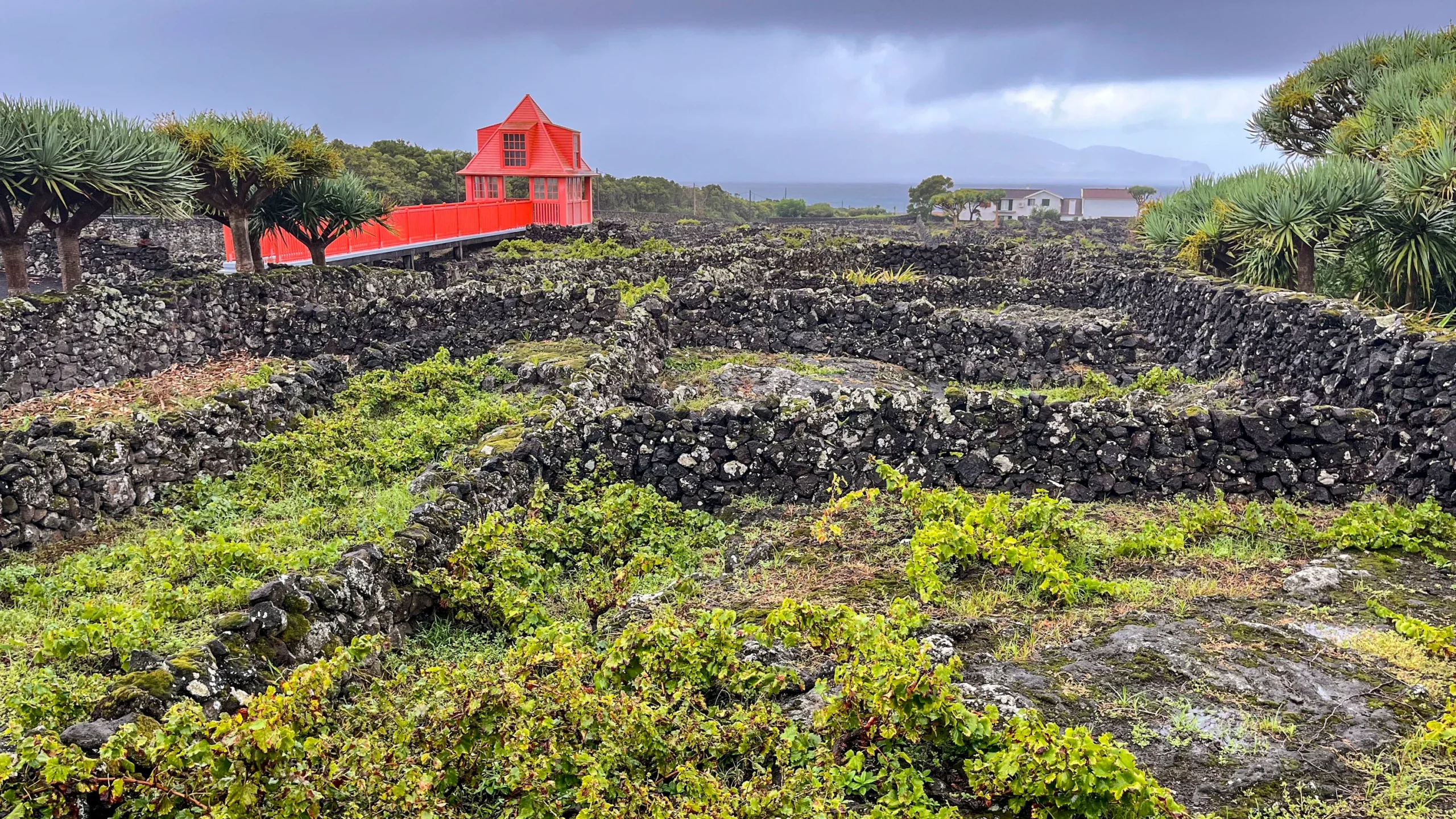
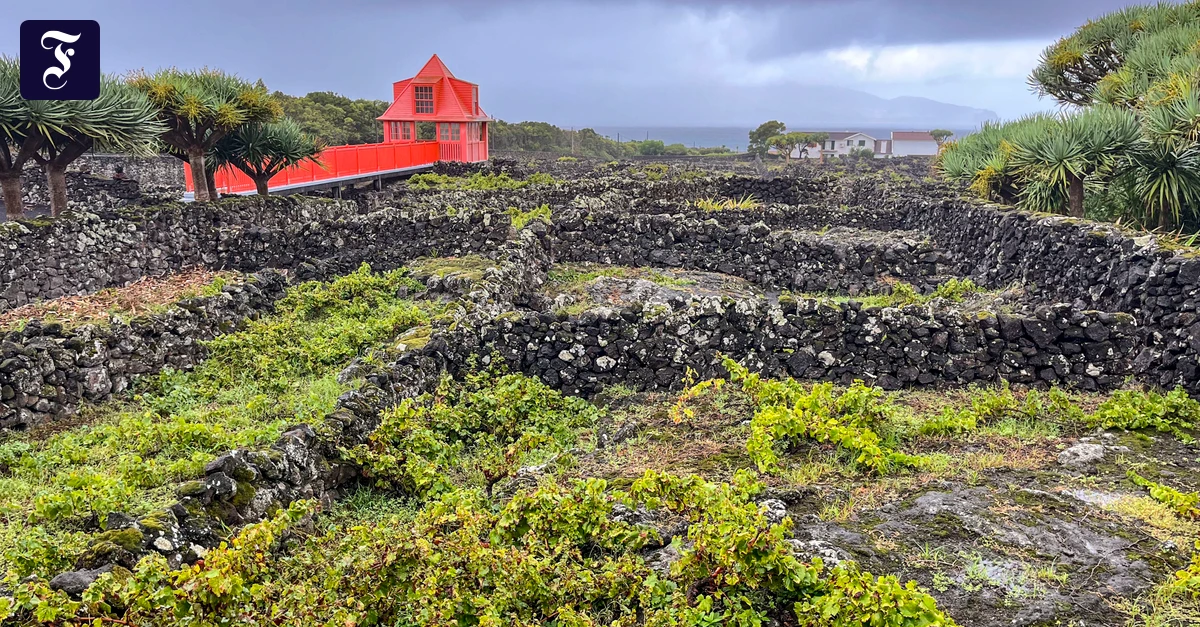
The early farmers performed a feat of landscape engineering that remains visible today. By hand, they cleared the lava, stacking the sharp boulders into chest-high walls to create currais—small, square enclosures. These pens protected the vines from wind while the dark, porous stone absorbed the sun’s heat during the day and radiated it back at night, coaxing the grapes to sweetness. By the 18th century, over 12,000 hectares of the island were transformed into a productive, albeit grueling, vineyard.
1852–1870: The Great Collapse
The resilience of the Pico vineyards was tested in the mid-19th century. In 1852, powdery mildew (oïdium) swept across the island, devastating harvests. This was followed by the phylloxera epidemic in the 1870s, which decimated the traditional European vine stock. To survive, the islanders turned to American hybrids, such as the Isabella (known locally as the "strawberry wine"), which proved more resistant to the blight.
2004–Present: Recognition and Revival
In 2004, UNESCO recognized the surviving 1,000 hectares of the currais as a World Heritage site. In recent years, a new generation of winemakers, including the team at Entre Pedras and the Azores Wine Company, has begun the painstaking work of reclaiming abandoned plots and cloning ancient, near-lost indigenous varietals.
Supporting Data: The Science of the Terroir
The unique character of Azorean wine is a direct result of the extreme environment. Scientists and viticulturists note three primary factors:
- Mineral Composition: The vines grow directly into cracks in the volcanic rock. This lack of organic topsoil forces the roots to penetrate deep into the basalt, absorbing trace minerals that contribute to the distinct "mineralic" profile of the wines.
- The Thermal Battery: The black basalt rock acts as a thermal mass. It prevents the rapid temperature fluctuations of the Atlantic nights from shocking the vines, providing a stable, warm environment that is essential for sugar maturation.
- The Salt Spray Factor: The constant exposure to salt-laden sea spray creates a naturally high acidity in the grapes. When paired with the mineral content of the volcanic soil, the result is a crisp, saline, and incredibly fresh wine that cannot be replicated anywhere else on earth.
Production Statistics
- Heritage Area: Approximately 1,000 hectares are currently protected under UNESCO designation.
- Varietals: The primary focus is on Verdelho (the "mother" vine), Arinto dos Açores, and Terrantez do Pico.
- Yields: Due to the manual labor and the small size of the currais, yields are significantly lower than industrial vineyards, placing these wines in a premium, boutique category.
Official Responses and Industry Insights
The Fight for Purity
The cultivation of these vines is not without controversy. When asked about organic certification, André Ribeiro laughs. "Viticulture on Pico is already an enormous burden. We fight the salt fog, the scorching heat, and the winds every single day. Organic farming is too expensive here, and no one wants to risk a mass outbreak of disease."
The threat of disease remains a constant specter for the growers. Consequently, the use of pesticides is a strategic necessity to prevent the total loss of the vines. However, the move toward reviving indigenous, resilient strains is seen by the local government and the Azores Wine Company as the only sustainable path forward.
The Role of Experts
António Maçanita, an internationally acclaimed winemaker formerly of the Douro Valley, has been instrumental in the current resurgence. Upon discovering that the Terrantez do Pico was nearly extinct, he collaborated with the Agricultural Development Service to clone the remaining vines.
"We are not just making wine," says Monica Soares, a guide and specialist with the Azores Wine Company. "We are restoring a culture. When Maçanita and his partners founded this company in 2014, we cleared over 100 hectares of overgrown, abandoned currais. We are re-connecting with the methods of our ancestors."

Implications: The Future of Pico Viticulture
The renaissance of the Pico wine industry has significant implications for both global oenology and the local economy.
Economic Sustainability
By shifting the focus from high-volume, low-quality production to high-end, rare indigenous varietals, the winemakers of Pico are positioning their product as a "luxury of history." The success of the Azores Wine Company and Entre Pedras provides a roadmap for other small island nations to capitalize on unique, albeit difficult, terroir.
Preservation of Culture
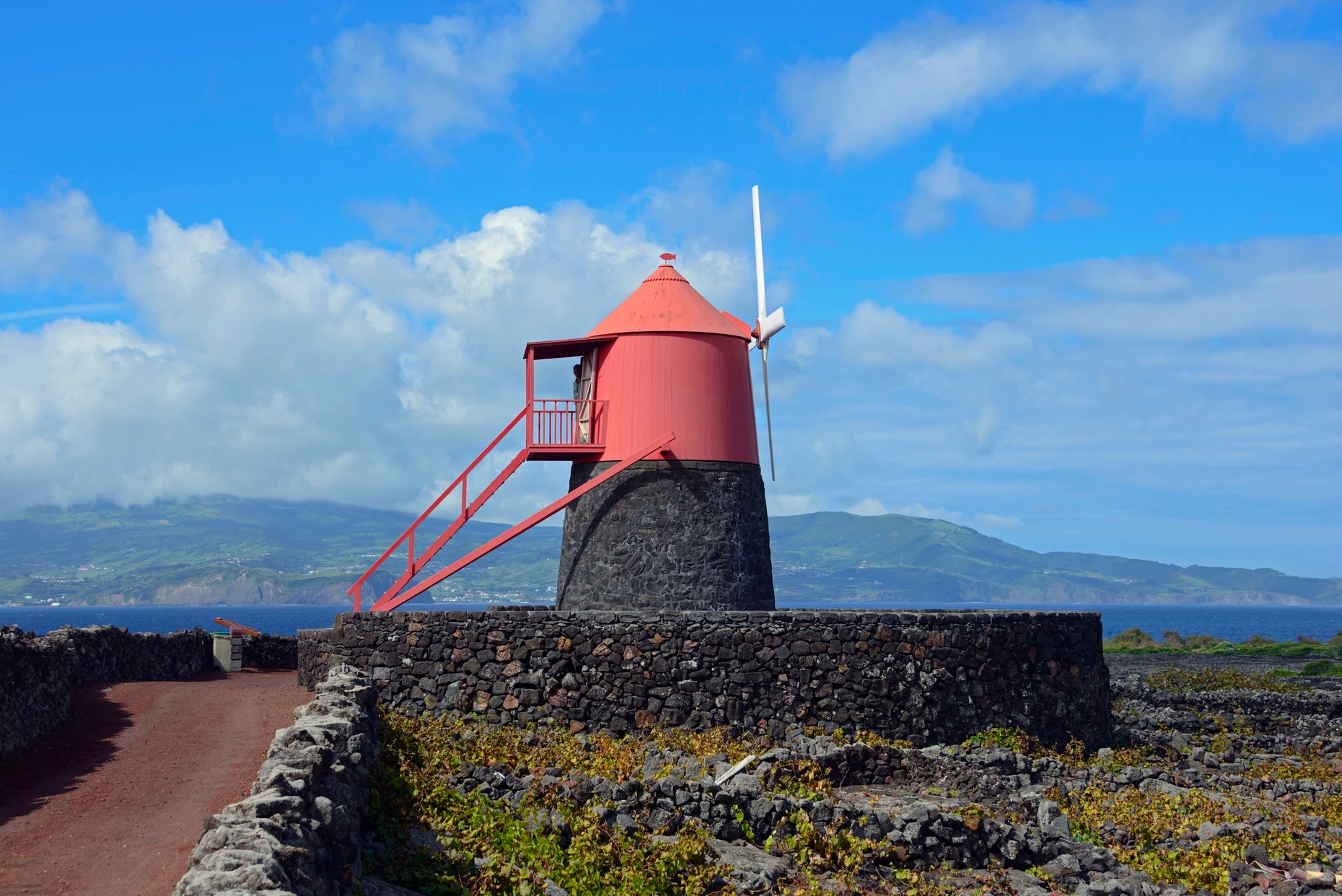
The Adega—the traditional wine cellar—remains the heart of the community. These small, red-trimmed stone houses are not merely production facilities; they are communal spaces where the islanders gather to drink and discuss the future. The preservation of the currais is, therefore, a preservation of a way of life.
Climate Change and Adaptation
While the climate of the Atlantic is currently the primary obstacle, it is also becoming a point of interest for climate researchers. The resilience of these vines—forced to survive on pure volcanic rock with minimal water—provides a fascinating case study in how viticulture might adapt to warmer, more arid conditions in other parts of the world.
Conclusion
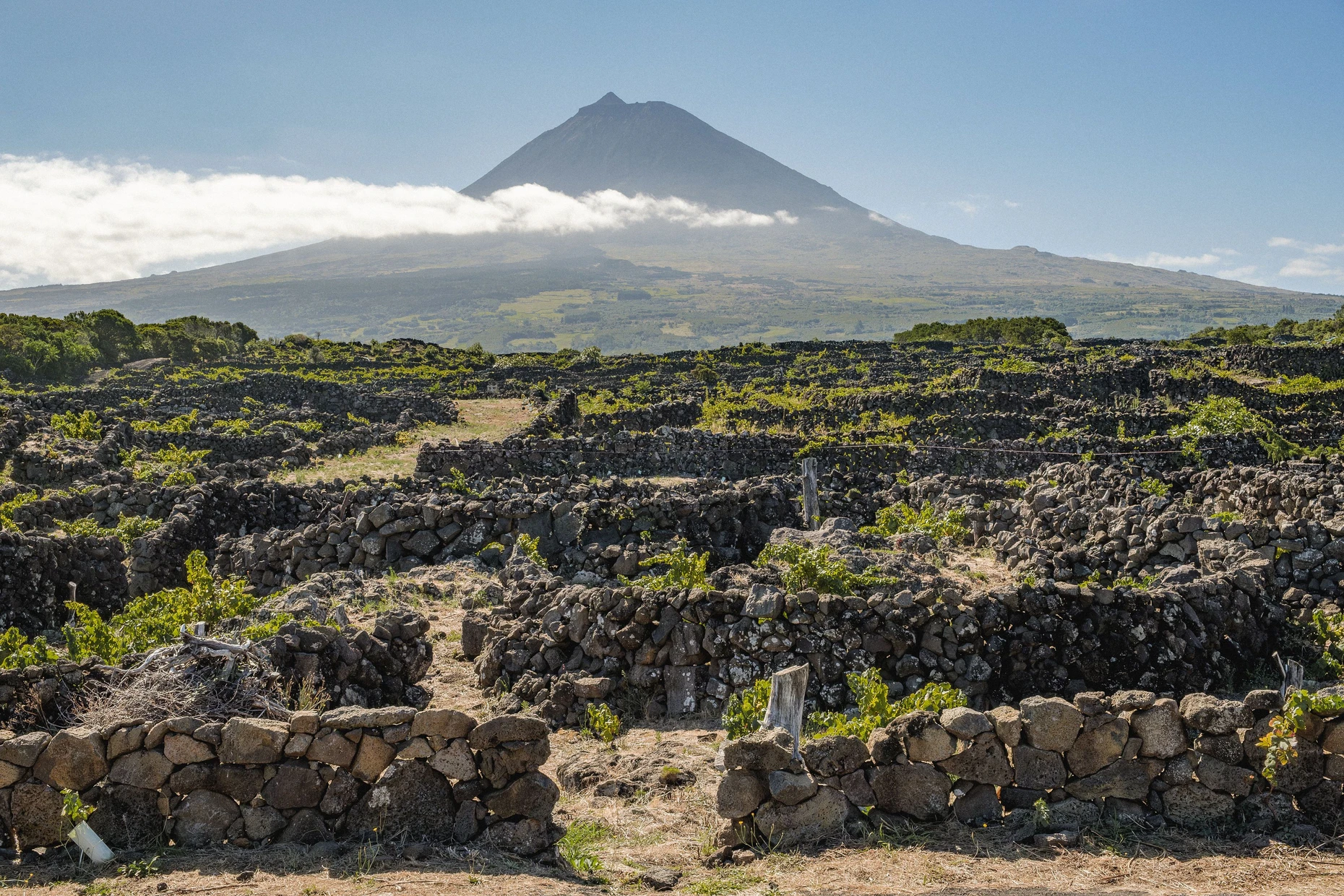
As evening falls, the view from a modern apartment on the slopes of Pico reveals a vast, dark mosaic of stone. The currais stretch out like a labyrinth, merging eventually with the infinite, crashing blue of the Atlantic. It is a landscape that demands everything from those who work it.
"When the wine is bottled," Soares reflects, "the sharp, acidic, salty scent reminds me of my grandfather. It is the smell of the island itself." In every glass of Verdelho or Terrantez, there is more than just grapes and yeast; there is the history of a people who looked at a barren, volcanic wasteland and decided, against all logic, to make it bloom. The stone vines of Pico are not merely surviving; they are flourishing, turning the fury of the Atlantic into a legacy of unparalleled taste.