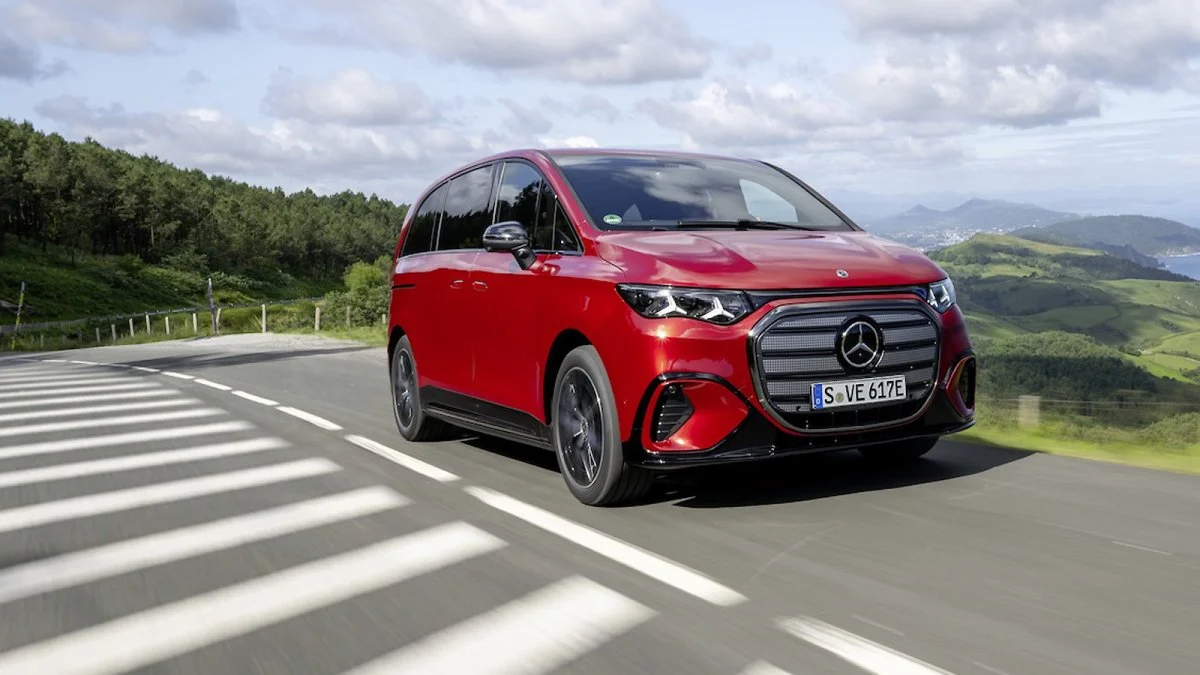
The landscape of premium mobility is shifting, and with it, Mercedes-Benz is redefining the boundaries of the executive van segment. The introduction of the VLE represents a significant leap forward in electrification, blending the utility of a traditional people-mover with the refined, high-tech experience expected from a Stuttgart-born luxury vehicle. However, the path to ownership is currently as complex as the engineering beneath its chassis.
Main Facts: The New Standard in Electric Versatility
The Mercedes-Benz VLE arrives as a formidable contender in the luxury van market. Weighing in at over three tons, the vehicle effectively hides its mass through a combination of a low center of gravity and meticulously calibrated electric motors. At the heart of the VLE 400 variant lies a powertrain delivering 310 kW (approx. 421 hp), propelling this behemoth from 0 to 100 km/h in a brisk 6.5 seconds. While its top speed is electronically capped at 180 km/h, the true strength of the VLE lies in its relentless, effortless torque, which makes highway merging and heavy-duty towing—up to 2.5 tons—feel remarkably trivial.
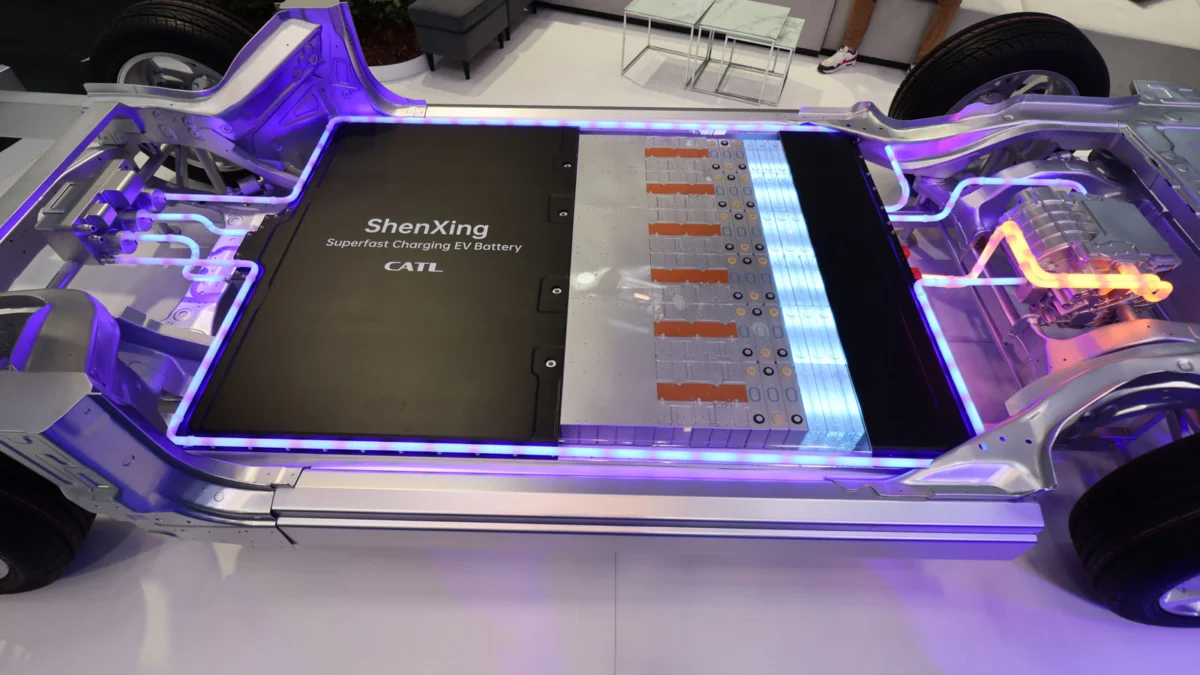
The vehicle sits on an 800-volt architecture, a technical choice that underscores its premium positioning. This allows for impressive charging performance, capable of replenishing the 115 kWh battery from 10% to 80% in approximately 25 minutes. In peak conditions, the system can accept charging power exceeding 300 kW. Despite these headline figures, the consumer experience is currently hampered by a restricted configuration process that limits prospective buyers to six pre-defined versions, complicating the path to a bespoke vehicle.
Chronology: The Evolution of the VLE Project
The development of the VLE did not happen in a vacuum; it is the culmination of years of R&D focused on the "Electric First" architecture strategy.
- Initial Concept Phase: Mercedes identified a growing demand for a high-end, zero-emission shuttle capable of transporting VIPs with the comfort of an S-Class.
- Engineering Milestone: The decision to utilize an 800-volt system was finalized early, prioritizing rapid charging to minimize downtime for fleet operators and busy executives.
- Market Launch Strategy: Mercedes opted for a phased rollout. Initially, the focus was placed on the high-capacity 115 kWh battery variants (VLE 300 and VLE 400).
- Future Expansion: The roadmap for the upcoming year includes the introduction of the VLE 250, featuring an 80 kWh LFP (Lithium Iron Phosphate) battery, designed to lower the barrier to entry and provide a more accessible price point for the model series.
- Luxury Extensions: Looking further ahead, the company has teased even more exclusive iterations, including the VLS and a high-end Maybach VLS, which are expected to push the boundaries of what a van can offer in terms of interior appointments.
Supporting Data: Efficiency and Performance Metrics
The VLE challenges the perception that a massive vehicle must be inefficient. While the WLTP range for the VLE 400 is rated at approximately 650 km, the VLE 300 claims an even more impressive 713 km. During initial real-world testing, the onboard computer displayed consumption figures between 18 and 20 kWh/100 km—remarkable for a vehicle of this size.

However, prudent observers should look at long-term highway performance. Given the vehicle’s large frontal area, a more realistic expectation for steady-state highway driving is around 25 kWh/100 km.
Charging and Utility Breakdown
- Standard AC Charging: 11 kW (onboard).
- Optional AC Charging: 22 kW (available at extra cost).
- DC Charging (10-80%): ~25 minutes.
- Cargo Capacity: 800 liters base; up to 4,000 liters with seats removed.
- Turning Radius/Handling: Augmented by a rear-axle steering system with a seven-degree angle, allowing this 5.31-meter-long vehicle to maneuver through tight urban environments with surprising agility.
Official Perspectives and Market Positioning
Mercedes-Benz has maintained a firm stance on its current sales model. By moving away from traditional paper price lists and toward a digital, pre-configured approach, the brand aims to streamline production efficiency. However, this has drawn criticism from enthusiasts who prefer the granular control of custom ordering.
Regarding the price, the VLE is firmly positioned in the luxury segment. The VLE 300 typically crosses the €80,000 threshold, while a well-equipped VLE 400 easily exceeds €100,000. Mercedes justifies this with an unparalleled interior experience. The rear cabin offers options for massage-capable climate-controlled seats, a refrigerator, and a retractable 31-inch screen. The ability to dim the windows electronically while the screen deploys creates a "private cinema" environment currently unmatched by competitors in the European market.
When asked about competition, industry analysts point to the Kia PV5. While the Kia offers a different value proposition—focusing on utility and lower cost at the expense of the premium materials and sheer power found in the VLE—it highlights the gap in the market. Mercedes is clearly targeting the upper echelon of corporate transport and private luxury ownership, leaving the mass-market volume to others.
Implications: The Future of the Luxury Van
The introduction of the VLE signals a broader transformation within the automotive industry. The "van" is no longer merely a commercial workhorse; it is becoming the ultimate luxury platform. By integrating advanced battery technology, rear-wheel steering for city agility, and high-end multimedia suites, Mercedes is proving that form factor does not dictate the level of luxury.

However, the implications for the buyer are clear: the VLE is an investment. The transition to a more restrictive configuration menu suggests that Mercedes is pushing for a more standardized build process to manage the complexity of their new EV platforms. For the consumer, this means that the "good old days" of ticking every individual option box on a printed price list may be fading, replaced by a "what you see is what you get" digital retail experience.
Ultimately, the VLE succeeds because it refuses to compromise on the core "Mercedes" experience—silence, comfort, and technological superiority—even when scaled up to a three-ton frame. Whether the market is willing to embrace this shift towards simplified, high-cost configurations will be the true test for the brand in the coming fiscal years. As the VLE 250 arrives to bridge the gap toward a more "affordable" price point, it will be fascinating to see if the demand for the 115 kWh models remains robust, or if the market trends toward the smaller, more cost-efficient battery options.
For now, the VLE stands as a testament to engineering ambition, balancing the physics of a giant with the grace of a grand tourer. It is a vehicle that commands attention, requires a substantial garage, and offers a level of comfort that fundamentally changes the expectation for long-distance group travel.