Duisburg, Germany – In a landscape often dominated by mainstream narratives, a groundbreaking podcast series, "Radio Migrant," is casting a critical spotlight on the lived experiences of migrant workers in Germany’s industrial heartland, the Ruhr region. Supported by the Rosa-Luxemburg-Stiftung, this investigative audio project delves into the systemic discrimination faced by these communities, from precarious employment conditions and exploitative housing practices to the insidious stigma of social welfare fraud. More than just a reportage of hardships, "Radio Migrant" is a testament to resilience, highlighting the myriad ways in which migrant individuals and their allies are actively resisting and reclaiming their rights.
At its core, the series challenges prevailing stereotypes, rejecting portrayals of migrants as either helpless victims or, conversely, as a burden on the social system. Instead, it offers a platform for their authentic voices, fostering a nuanced understanding of their contributions, struggles, and persistent fight for justice. Through detailed case studies and direct testimonies, the podcast meticulously uncovers the structural inequalities embedded within German society, urging listeners to confront uncomfortable truths about labour exploitation, housing discrimination, and the weaponization of social policy.
A Tragic Loss and a Call for Justice: The Case of Refat Süleyman
The third episode of "Radio Migrant," poignantly titled "Wenn die Arbeit unsichtbar bleibt" (When Work Remains Invisible), zeroes in on a devastating incident that shook the migrant worker community in Duisburg-Bruckhausen. This episode serves as a powerful entry point into the broader discussion of worker exploitation and the vulnerabilities faced by temporary labour.
The Unseen Labourer
On October 14, 2022, Refat Süleyman, a 26-year-old family man hailing from Bulgaria, vanished without a trace from the sprawling industrial grounds of Thyssenkrupp-Steel. For three agonizing days, his whereabouts remained unknown, casting a pall of fear and uncertainty over his family and colleagues. The tragic discovery came three days later: Süleyman’s lifeless body was found in a sludge basin within the vast factory complex. He had been employed as a temporary worker, contracted for cleaning duties – a sector disproportionately reliant on migrant labour, often under precarious conditions.
Süleyman’s death was officially classified as a fatal industrial accident. However, for his colleagues and family, it represented more than just a mishap; it underscored a deeper, systemic failure in worker protection and corporate responsibility. The nature of his employment, as a temporary worker in a high-risk environment, placed him in a particularly vulnerable position, highlighting how certain segments of the workforce are often rendered "invisible" within the larger industrial machinery. Their safety, welfare, and indeed, their very lives, can become secondary in a system prioritizing cost-efficiency over human dignity. The episode meticulously unpacks how the temporary nature of such contracts often strips workers of comprehensive rights and adequate safety measures, leaving them exposed to hazards that permanent employees might be better protected against.
Outcry and Mobilisation
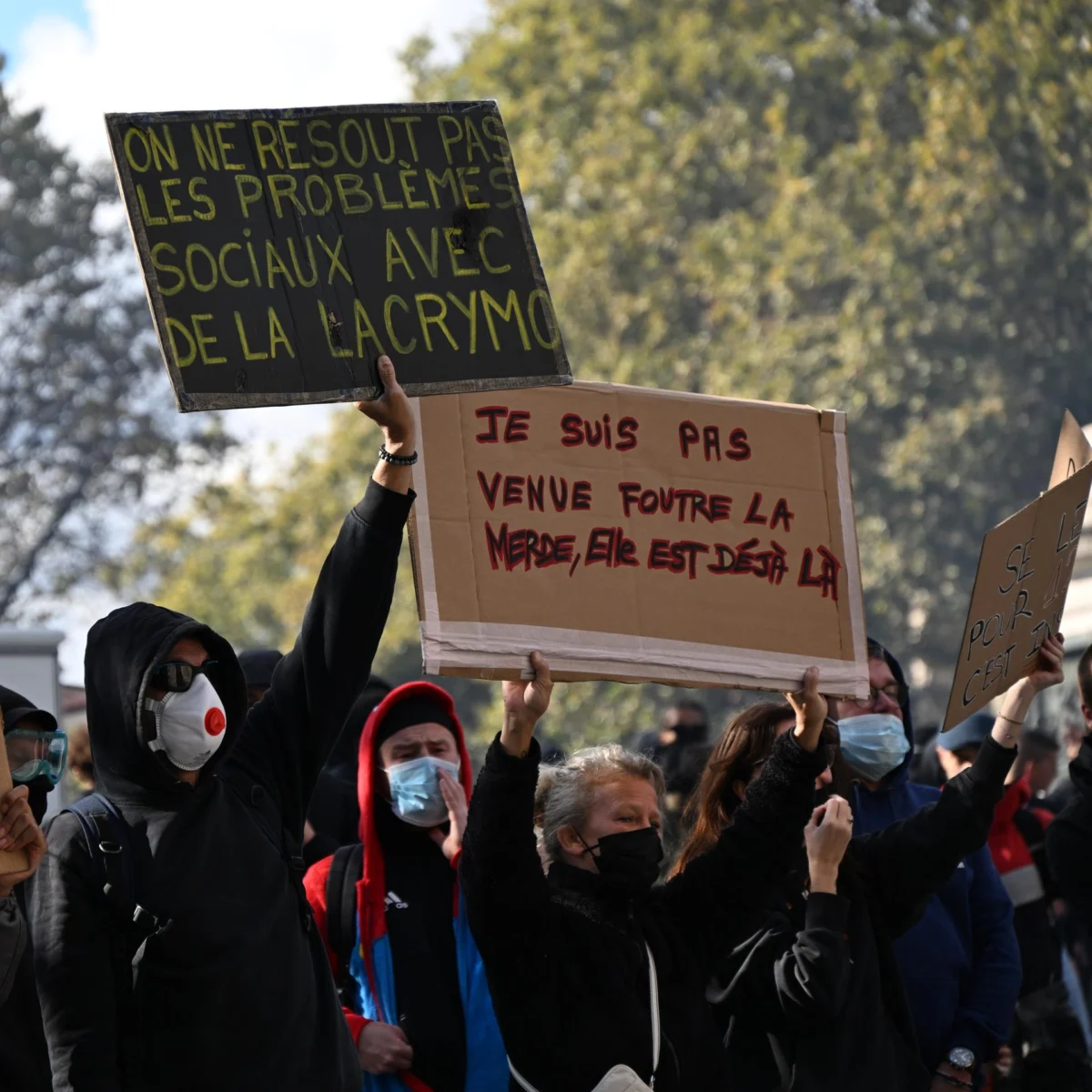
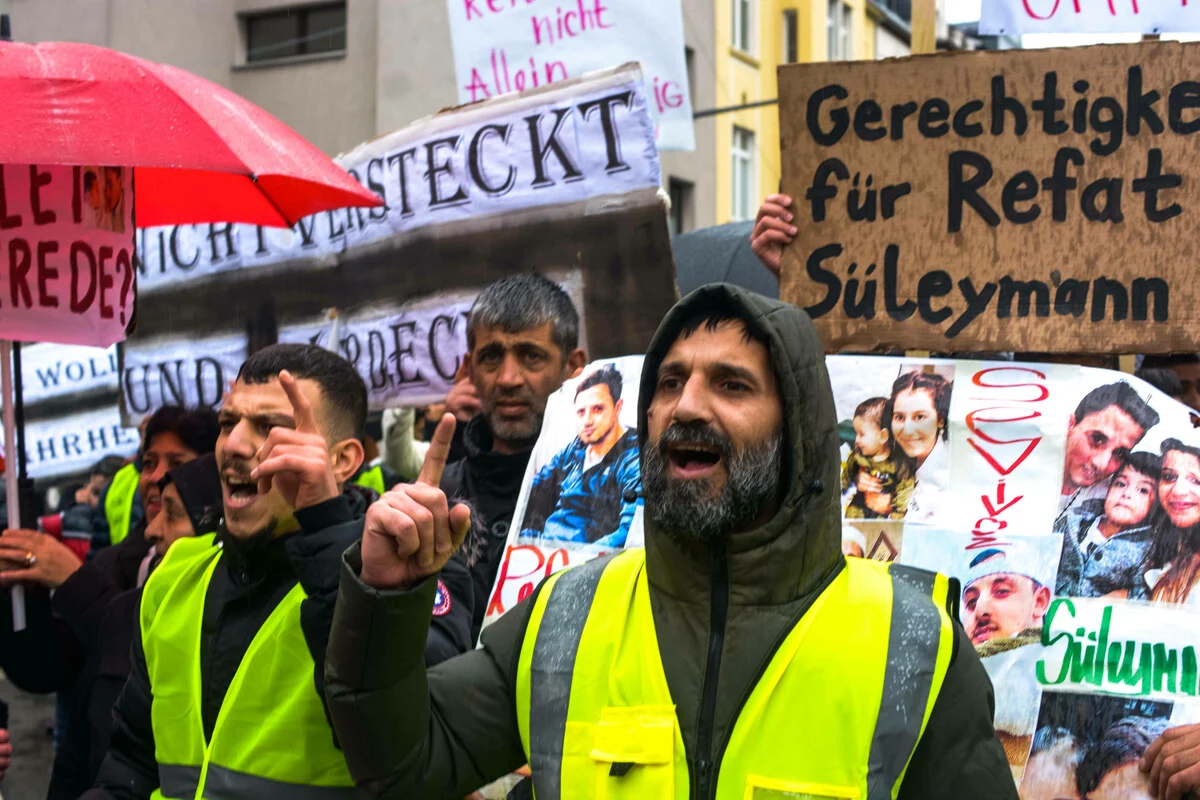
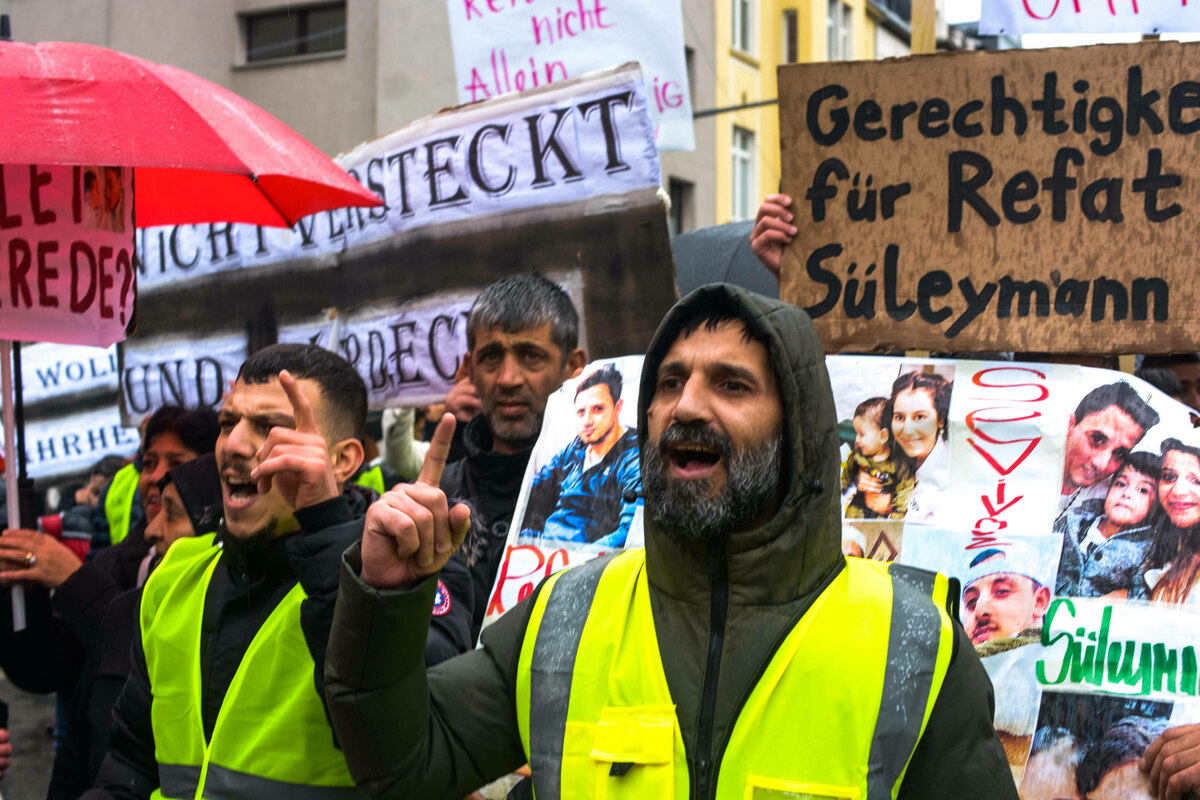
The news of Süleyman’s death ignited a wave of profound grief and palpable outrage among his fellow workers and the wider migrant community. It was a stark and painful reminder of the dangers inherent in their demanding jobs and the perceived neglect of their safety. This collective sorrow quickly galvanized into organized action. Colleagues and community activists swiftly mobilized, organizing a series of impassioned public demonstrations and vigils. These gatherings were not merely acts of mourning; they were powerful protests demanding immediate and tangible changes.
The protesters vociferously called for improved occupational safety standards across industrial sites, particularly for temporary and contract workers. They argued that the existing protocols were insufficient, if not entirely disregarded, for those in precarious employment. Beyond safety, a significant demand was for fair and adequate compensation for Süleyman’s grieving family, recognizing the immense emotional and financial void left by his untimely death. These demonstrations served as a potent display of collective solidarity and agency, transforming a personal tragedy into a rallying cry for systemic reform and justice. The protests drew attention not only to the specific circumstances of Süleyman’s death but also to the broader pattern of exploitation and marginalization faced by migrant labourers in the region, turning a moment of despair into an urgent demand for accountability and change.
"When Work Remains Invisible": The Podcast’s Deep Dive
Episode 3 of "Radio Migrant" dedicates nearly an hour to unraveling the intricate layers surrounding Süleyman’s case, presenting it as a microcosm of the challenges confronting migrant workers in the cleaning sector and beyond. Titled "When Work Remains Invisible," the episode meticulously investigates how the work of many migrant employees, particularly in outsourced services like industrial cleaning, is often intentionally rendered opaque. This "invisibility" extends beyond their physical presence on a worksite to encompass their legal status, working conditions, and social protections.
The podcast explores how this lack of visibility facilitates the erosion of labour rights, making it easier for companies to cut corners on safety and fair wages without immediate public scrutiny. It delves into the structural factors that push migrant workers into such precarious roles, often driven by economic necessity and the absence of viable alternatives. Through interviews and expert analysis, the episode illuminates the often-complex contractual chains that shield primary corporations like Thyssenkrupp from direct responsibility for the conditions of their subcontractors’ employees. By bringing Süleyman’s story to the forefront, "Radio Migrant" not only humanizes the statistics of industrial accidents but also exposes the systemic mechanisms that allow such tragedies to occur, urging a re-evaluation of ethical labour practices and corporate accountability.
Unmasking Systemic Injustice: The Broader Scope of "Radio Migrant"
"Radio Migrant" transcends individual cases, systematically dissecting the multi-faceted forms of discrimination faced by migrant communities in the Ruhr region. Its comprehensive approach aims to reveal the interconnectedness of issues ranging from housing and labour to social welfare, all while foregrounding the active resistance of those affected.
Beyond Victimhood: A Platform for Resistance
The project, spearheaded by sociologist Polina Manolova of the University of Duisburg, intentionally diverges from conventional media portrayals of migrants. As Manolova articulates, her goal is to "make visible the conflicts that characterize questions such as displacement from housing, segregated labour markets, and a German social system that is increasingly acting repressively against specific migrant groups." This vision directly counters the prevalent narratives that often demonize migrants as potential welfare abusers in conservative media or, conversely, infantilize them as helpless victims requiring external assistance in some liberal circles.
"Radio Migrant" intentionally empowers migrant workers and their supporters by giving them direct voice. This approach not only provides authentic, firsthand accounts of discrimination but also showcases their agency, their strategies of resistance, and their collective efforts to demand justice. The podcast demonstrates that far from being passive recipients of aid or targets of prejudice, these communities are active agents in shaping their destinies, challenging injustices, and advocating for their rights. The post-Süleyman protests, for instance, are presented not as isolated incidents but as powerful examples of this ongoing, active resistance. By amplifying these voices, the podcast fosters a more nuanced public discourse, one that recognizes the complexity of migrant experiences and their invaluable contributions to German society.
Housing as a Battlefield: The "Schrottimmobilien" Scandal
The first episode, "Regierung durch Verdrängung" (Government by Displacement), unravels a particularly insidious form of discrimination prevalent in numerous Ruhr cities: the systematic erosion of tenant rights for migrant residents. Despite holding valid rental contracts, many migrant families find themselves under immense pressure, often through coercive tactics, to vacate their homes within alarmingly short notice periods. This practice is frequently justified in public discourse by the emotionally charged term "Schrottimmobilien" (dilapidated properties), which serves as a convenient, if misleading, backdrop for the displacement.
The "Schrottimmobilien" narrative often frames migrant tenants as responsible for the degradation of properties, thereby legitimizing their forced removal and masking deeper issues of urban neglect, speculative real estate practices, and discriminatory housing policies. "Radio Migrant" meticulously exposes how this term is weaponized to circumvent established tenant protection laws, effectively rendering migrant renters rightless. The podcast reveals how this issue is often intertwined with pervasive anti-Romani sentiment (Antiziganismus) in the housing market, where specific ethnic groups are disproportionately targeted for such exploitative practices.

However, the episode does not dwell solely on the injustices. Crucially, it highlights inspiring instances where affected tenants, often organized and supported by local activists, have successfully resisted impending forced evictions. These stories of collective action and legal battles demonstrate the power of solidarity and the importance of community organizing in defending fundamental housing rights against systemic pressures. By showcasing these acts of resistance, "Radio Migrant" provides a blueprint for effective community empowerment and legal advocacy in the face of discriminatory housing policies.
The Stigma of "Social Welfare Fraud": Deconstructing a Narrative
Episode two of "Radio Migrant" tackles another critical, often stigmatized, area: the fabrication of "social welfare fraud." This episode gives voice to individuals who have worked in the Ruhr region for many years, contributing to the economy and society, only to find their legitimate applications for social assistance repeatedly denied or demonized as fraudulent. The podcast meticulously deconstructs the narrative that frames the entirely legal act of claiming social benefits as a deceptive maneuver, particularly when it pertains to migrant populations.
This episode exposes how such narratives are not merely rhetorical but translate into tangible, repressive actions by the German social system against specific migrant groups. It reveals a disturbing trend where legitimate needs are met with suspicion and bureaucratic hurdles, often leading to prolonged periods of hardship for those already vulnerable. More alarmingly, the podcast issues a stark warning: while these discriminatory practices initially target migrant communities, the erosion of social welfare rights and the normalization of suspicion could eventually extend to German citizens as well. This highlights a broader societal implication, suggesting that discriminatory policies, once established, rarely remain confined to their initial targets. By challenging the "social welfare fraud" narrative, "Radio Migrant" advocates for a social system based on dignity, equity, and universal access to support, rather than one driven by suspicion and exclusion.
Supporting Data and Context
The issues brought to light by "Radio Migrant" are not isolated incidents but symptoms of deeper structural challenges within German society, particularly in regions like the Ruhr. Understanding the historical and socio-economic context is crucial to grasping the gravity of these narratives.
The Ruhr Region: A Hub of Industrial Legacy and Migration
The Ruhr region, historically the industrial engine of Germany, has a long and complex relationship with migration. From the "Gastarbeiter" (guest workers) programs of the post-war era, which brought millions of workers from Southern Europe and Turkey to fuel its booming industries, to more recent waves of migration from Eastern Europe following EU enlargement, the region has always relied heavily on foreign labour. This legacy has created a diverse demographic tapestry but also a stratified labour market. While these migrant communities were essential to Germany’s economic prosperity, their integration was often incomplete, leading to the creation of segregated neighbourhoods and a two-tiered system of social and economic access. The decline of heavy industry in recent decades has exacerbated economic precarity, particularly for those at the bottom of the labour market, making migrant workers even more vulnerable to exploitation.
Vulnerability of Temporary and Migrant Workers
The case of Refat Süleyman tragically illustrates the precariousness often inherent in temporary and contract employment, a sector disproportionately populated by migrant workers. Data from various labour organizations consistently highlight that migrant workers, especially those from Eastern and Southeastern Europe, are overrepresented in low-wage sectors, often subject to exploitative working conditions, including insufficient safety measures, excessive working hours, and wages below the legal minimum. Language barriers, lack of awareness of their rights, and fear of deportation or job loss often prevent these workers from reporting abuses. This vulnerability is compounded by the complex web of subcontracting, which can obscure responsibility and make it difficult to enforce labour laws effectively. The European Agency for Safety and Health at Work (EU-OSHA) has repeatedly pointed out the higher risk of accidents among migrant workers due to these factors.
Systemic Discrimination in Housing and Social Services
The "Schrottimmobilien" phenomenon and the stigmatization of social welfare claims are not accidental but rather manifestations of systemic discrimination. Studies on housing in Germany, including expert opinions referenced in related articles, consistently show that migrant individuals and families often face significant disadvantages. They tend to live in smaller, less desirable apartments, frequently in segregated areas, and often pay a disproportionately higher percentage of their income on rent. This disparity is driven by a combination of factors: lower incomes, limited social networks, and outright discrimination by landlords. The association of "Schrottimmobilien" with migrant communities, particularly Romani people, is a clear example of anti-Romani sentiment (Antiziganismus) perpetuating housing injustice.

Similarly, the narrative of "social welfare fraud" targeting migrant communities is often built on prejudiced assumptions rather than evidence. While isolated cases of fraud exist across all demographics, the systematic demonization of migrant benefit claimants diverts attention from the structural reasons for poverty and precarity. It also creates a climate of distrust and fear, making it harder for eligible individuals to access essential support. Organizations like the German Trade Union Confederation (DGB) and various social justice groups have repeatedly called for greater protections for migrant workers and an end to discriminatory practices in both the labour and social welfare sectors.
Official Responses and Accountability
The issues raised by "Radio Migrant" demand robust responses from corporations, governmental bodies, and the justice system to ensure accountability and prevent future injustices.
Thyssenkrupp and Workplace Safety
Following the death of Refat Süleyman on its premises, Thyssenkrupp-Steel, as a major industrial entity, faces significant questions regarding its oversight of workplace safety, particularly concerning its temporary and contract workers. While companies may outsource specific services, their ethical and, often, legal responsibility extends to ensuring a safe working environment for everyone on their property. This implies stringent monitoring of subcontractors’ safety protocols, comprehensive risk assessments for all tasks, and transparent reporting of incidents. Critics argue that the current system often allows large corporations to distance themselves from the precarious conditions under which their outsourced labour operates. There is an urgent need for greater corporate transparency and accountability, with calls for independent investigations into such incidents and the implementation of robust, universally applied safety standards that leave no worker "invisible" or unprotected.
Government and Policy Gaps
The problems highlighted by "Radio Migrant"—be it the "Schrottimmobilien" scandal, forced evictions, or the demonization of social welfare claimants—point to critical gaps and failures in local and national governance. Municipalities and state governments have a responsibility to enforce tenant protection laws, combat housing discrimination, and ensure equitable access to social services. The existence of "Schrottimmobilien" as a tool for displacement suggests a lack of political will or insufficient regulatory oversight to protect vulnerable residents. Similarly, the aggressive pursuit of "social welfare fraud" against specific migrant groups, as detailed in Episode 2, raises questions about the implementation of social policies and whether they are being applied fairly and without prejudice. Advocates call for stronger legal frameworks, better enforcement mechanisms, and a shift in policy focus from punitive measures to supportive integration strategies, ensuring that the fundamental rights of all residents, regardless of their origin, are upheld.
The Justice System’s Role
The justice system plays a crucial role in ensuring that victims of exploitation and discrimination receive redress and that perpetrators are held accountable. In cases like Refat Süleyman’s death, thorough investigations are paramount to determine if negligence contributed to the tragedy and to bring any responsible parties to justice. For issues like forced evictions and housing discrimination, the legal system must provide accessible and effective avenues for tenants to defend their rights. However, migrant communities often face significant barriers to accessing justice, including language difficulties, lack of legal resources, and a general distrust of institutions. Therefore, there is a pressing need for legal aid services tailored to migrant communities and for judges and prosecutors to be adequately trained in issues of discrimination and migration law to ensure fair and equitable outcomes.
Implications and Future Outlook
"Radio Migrant" is more than just a series of podcasts; it is a vital intervention in the public discourse surrounding migration, labour, and social justice in Germany. Its implications resonate far beyond the confines of the Ruhr region.
Amplifying Marginalized Voices
The most significant contribution of "Radio Migrant" lies in its commitment to amplifying the voices of marginalized communities. By centering the narratives of migrant workers, the podcast challenges the often-monolithic and dehumanizing representations found in mainstream media. It provides a platform for complex, nuanced stories of struggle, resilience, and collective action, fostering a deeper, more empathetic understanding of the human cost of systemic inequalities. This approach is crucial for building solidarity, countering prejudice, and empowering those directly affected to participate in shaping their own future. It helps to shift the conversation from what is "done to" migrants to what migrants are "doing" to assert their rights and build better lives.

Beyond the Ruhr: A National Reflection
The issues unearthed by "Radio Migrant" – precarious labour, housing exploitation, and discriminatory social policies – are not unique to the Ruhr region. They reflect broader challenges facing Germany and indeed, many European nations grappling with the complexities of labour migration, social integration, and the rise of xenophobic narratives. The podcast serves as a powerful reminder that the vulnerabilities experienced by migrant workers in Duisburg or Essen are often mirrored in other industrial and urban centers across the continent. Thus, the lessons drawn from "Radio Migrant" have national and even international relevance, prompting a critical reflection on how societies treat their most vulnerable workers and residents, regardless of their origin. It underscores the urgent need for a cohesive, rights-based approach to migration policy across the board.
Call to Action
Ultimately, "Radio Migrant" serves as a compelling call to action. It urges listeners, policymakers, and civil society organizations to confront the uncomfortable realities of systemic discrimination and to work towards a more just and equitable society. The podcast highlights the necessity of:
- Stronger Labour Protections: Implementing and enforcing robust labour laws that protect all workers, especially temporary and migrant employees, ensuring fair wages, safe working conditions, and accessible avenues for redress.
- Equitable Housing Policies: Combating housing discrimination through legal enforcement, investing in affordable and dignified housing for all, and dismantling discriminatory narratives like "Schrottimmobilien."
- Human-Centered Social Systems: Reforming social welfare systems to be supportive and inclusive, free from prejudice and the weaponization of "fraud" narratives, ensuring that all eligible individuals can access necessary support without fear or stigmatization.
- Empowering Migrant Communities: Supporting initiatives that empower migrant communities to organize, advocate for their rights, and participate fully in democratic processes.
By shining a light on "invisible" work and "invisible" people, "Radio Migrant" ignites a crucial dialogue, pushing for a future where the dignity and rights of every individual are universally recognized and protected.