Date: October 26, 2026 | Source: SpiO Podcast Report
In the heart of Germany’s footballing landscape, the conversation surrounding the clubs of the East has never been more vibrant. As the latest episode of the "Im Osten geht die Sonne auf" (In the East, the Sun Rises) podcast—produced by Sport im Osten—hits the airwaves, fans are once again treated to a deep dive into the trials, tribulations, and triumphs of clubs that define the region’s sporting identity. From the race for the prestigious "Ballon d’Ost" to the chaotic unpredictability of the 2. Bundesliga, this week’s installment captures the essence of a region that breathes football.
Main Facts: The "Ballon d’Ost" and the Regional Race
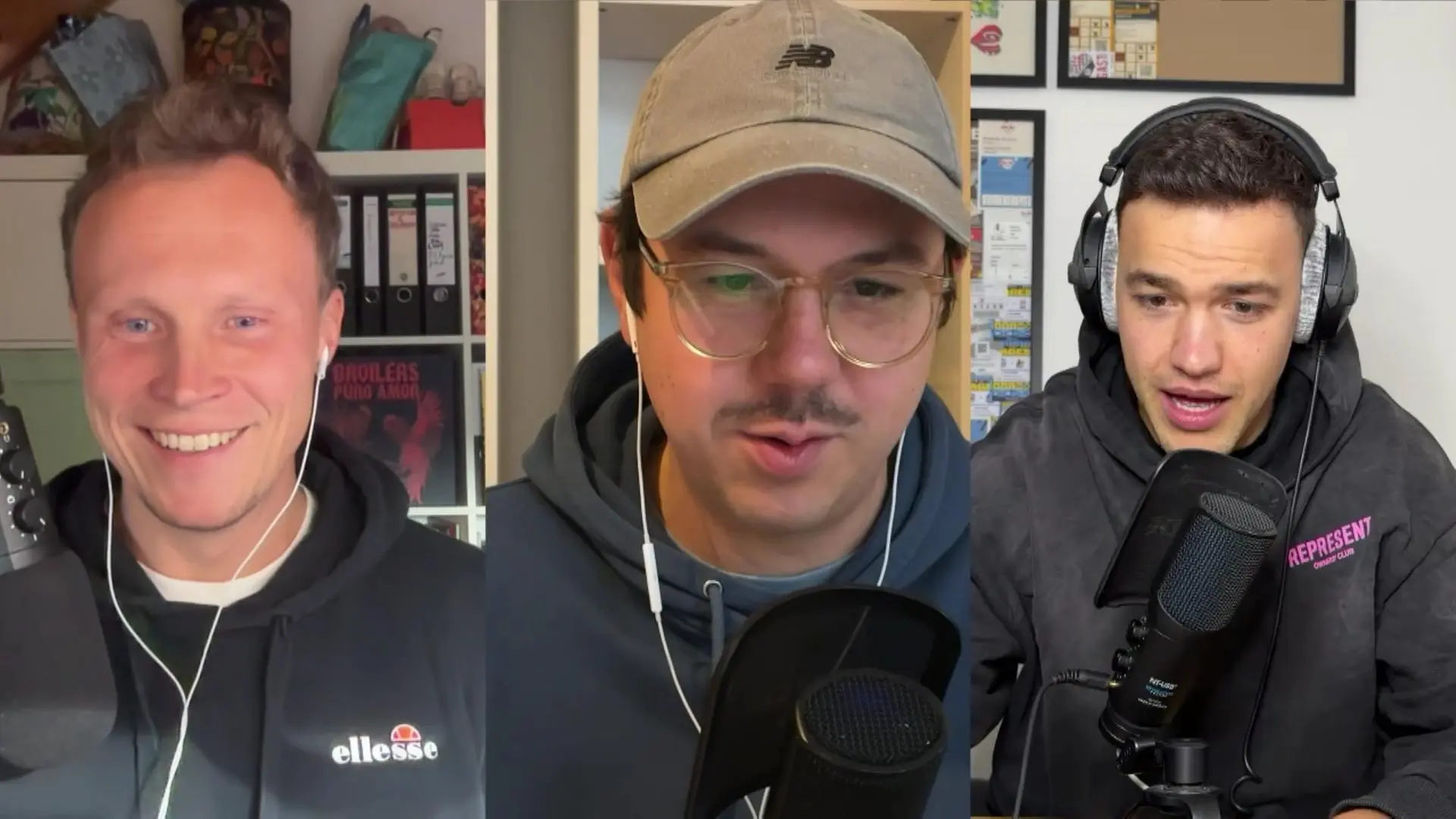
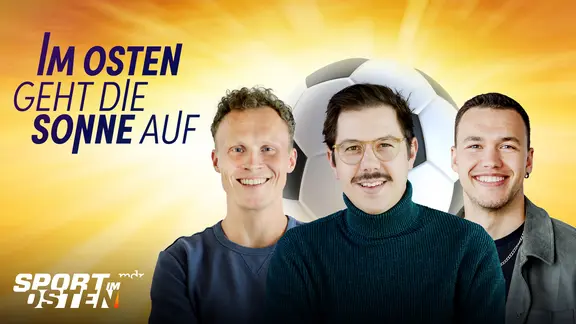
The defining narrative gripping the footballing East over the past seven days is the suspense surrounding the "Ballon d’Ost," the unofficial but highly coveted award for the standout player in the region. The podcast hosts, Gregor Ryl, Alex Küpper, and Paddy Fritzsche, dissected the candidates who have captured the public imagination.
The shortlist represents a cross-section of the region’s diverse talent pool:
- Harry Hauptmann (Dynamo Dresden): A consistent presence whose tactical intelligence has been the backbone of Dresden’s season.
- Kylian Atik (1. FC Magdeburg): A dynamic playmaker whose ability to change the tempo of a game has made him a fan favorite.
- The Outsiders: The discussion also extended to potential dark horses from Energie Cottbus and the rising star Lamine Djamal, whose recent performances have sparked intense debate among the electorate.
The fans have spoken, and the anticipation for the official announcement is at a fever pitch, reflecting a broader pride in regional excellence that transcends individual club loyalties.
Chronology of a Wild Football Weekend
The podcast hosts provided a detailed timeline of a weekend defined by "freak accidents" and tactical anomalies, particularly in the 2. Bundesliga.
2. Bundesliga: Chaos and Controversy
The weekend kicked off with a sense of disbelief among pundits. 1. FC Magdeburg has suddenly transformed into an impenetrable "home fortress," a development that many analysts previously dismissed as statistically improbable given their defensive struggles earlier in the season.
Meanwhile, Energie Cottbus found themselves in a bizarre tactical stalemate. Despite recording an astronomical 4.8 Expected Goals (xG) value—a metric typically reserved for dominant victories—they finished the match in a draw. This "xG anomaly" served as the centerpiece for a wider discussion on the role of luck versus clinical finishing in modern professional football.
Finally, the drama in Kiel left Dynamo Dresden supporters reeling. The match was marked by an unusual controversy: allegations surfaced that the Kiel groundskeeper intentionally tampered with the penalty spot, metaphorically and literally "digging in" to disrupt the visitors. The incident has triggered a wave of outrage across the Dresden fanbase, highlighting the high stakes and the often surreal nature of the 2. Bundesliga.
Regional Leagues and Derby Intensity
The focus then shifted to the Regional League North-East, where the landscape has been upended by a change in leadership at the top of the table. A crucial talking point was FC Erzgebirge Aue’s hard-fought derby victory over Zwickau. For Aue, this was more than just three points; it was a psychological turning point that appears to have halted a deepening crisis, providing the team with the momentum needed to stabilize their season.
The trio also touched upon the "most stable derby" of the Landesliga, reinforcing the notion that the heartbeat of East German football remains firmly rooted in the passion of its lower leagues.
Supporting Data and Strategic Context
The podcast episode goes beyond mere match reports by contextualizing these events within the broader structural changes currently facing the sport in Germany. A significant portion of the broadcast was dedicated to the ongoing debate surrounding the "Regionalliga Reform."
As the leagues struggle to find a sustainable model for promotion and relegation, the stability of the footballing pyramid in the East remains a central concern for fans and administrators alike. The data-driven segment regarding xG and performance metrics highlights a shift in how even lower-tier fans consume the game—moving away from anecdotal evidence toward a more analytical understanding of performance, mirroring trends in the Bundesliga and international football.
Official Perspectives and Community Engagement
One of the hallmarks of "Im Osten geht die Sonne auf" is its commitment to bridging the gap between media and the fan base. The hosts emphasized that the podcast is not a monologue but a platform for the community.
- Fan Feedback: The production team continues to solicit voice messages and written feedback via their dedicated hotline (01723581373). This interactive element ensures that the concerns of the supporters—ranging from stadium atmosphere to administrative policies—are given a voice on the national stage.
- Integration with ARD: By leveraging the reach of the ARD Audiothek and the Sport im Osten app, the podcast ensures that fans, regardless of their location, remain tethered to the developments in their home region. The recommendation of "Sportschau F" also signals a broader effort to promote diverse perspectives within the sporting landscape, highlighting inspiring women in the industry.
Implications: The Future of Eastern Football
What does this week’s activity mean for the long-term prospects of Eastern German clubs?
1. Tactical Evolution
The success of teams like Magdeburg and the persistent struggles of others suggest that the tactical gap between traditional giants and regional upstarts is closing. The use of advanced metrics (xG) to explain match outcomes shows that clubs are becoming more data-savvy, which is essential for competing in an increasingly expensive and professionalized 2. Bundesliga.
2. The Cultural Significance of "Derby Culture"
The intensity of the Aue-Zwickau match and the ongoing drama in the Landesliga demonstrate that the cultural weight of derby matches is the primary engine of engagement in the region. For these clubs, sustaining this intensity is not just about points—it is about maintaining the identity that keeps fan bases loyal through periods of poor performance.
3. Structural Reform as a Catalyst
The constant shadow of the Regionalliga reform forces clubs to think about their future in terms of sustainability. The podcast serves as a vital watchdog, ensuring that the discourse on these reforms remains transparent and centered on the needs of the clubs rather than just the administrative convenience of the leagues.
Conclusion: A Podcast for the Times
The latest episode of "Im Osten geht die Sonne auf" is a masterclass in regional sports broadcasting. By balancing high-level analysis of the 2. Bundesliga with the raw, unfiltered passion of the regional leagues, the hosts—Ryl, Küpper, and Fritzsche—have created a space that feels both professional and deeply personal.
As the season progresses, the "Ballon d’Ost" will eventually be awarded, the penalty spot in Kiel will be repaired, and the table in the Regionalliga will surely shift again. But as long as the conversation continues to flow, the footballing culture of the East will remain a beacon of resilience and passion. For any fan looking to understand the mechanics, the drama, and the spirit of the game in this corner of Germany, this podcast remains an essential weekly ritual.
For those who have not yet tuned in, episodes are available in the ARD Audiothek and via the official "Sport im Osten" application.