By Environmental Desk
Published: October 22, 2026
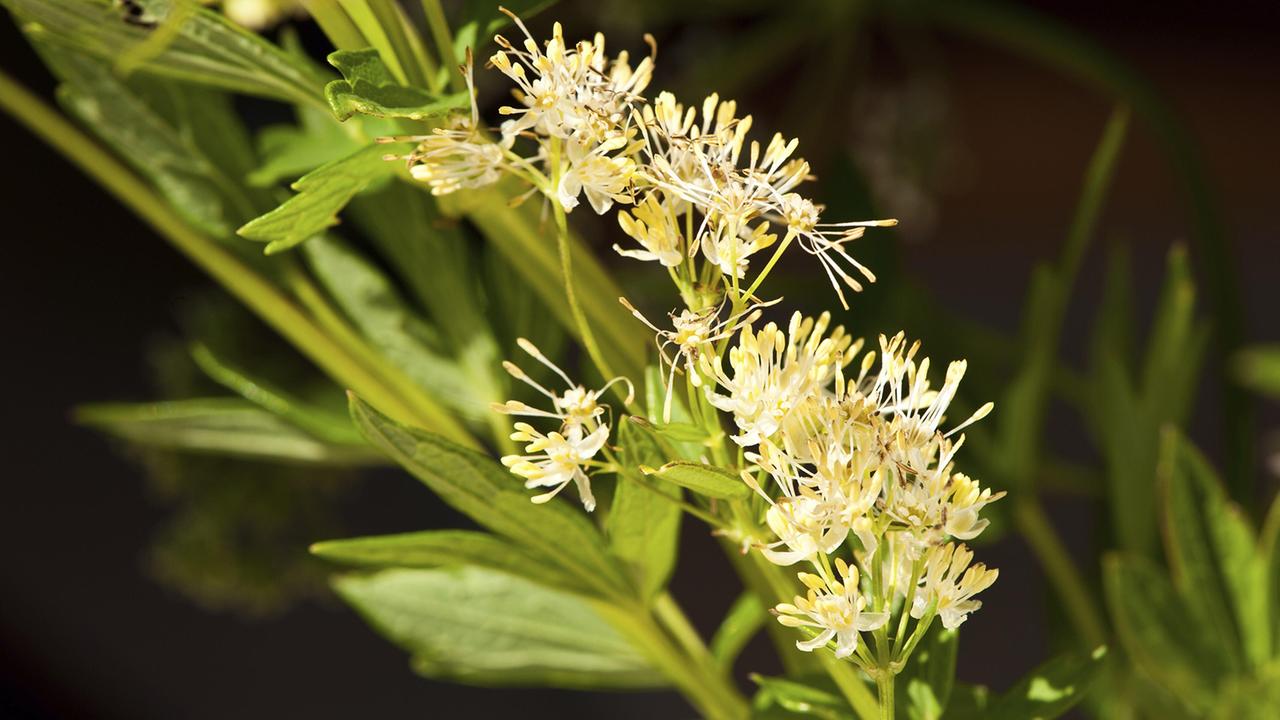
In an era where biodiversity loss and climate instability dominate the environmental agenda, the selection of the "Flower of the Year" by the Loki-Schmidt-Stiftung serves as more than a symbolic gesture. For 2027, the foundation has chosen the Gelbe Wiesenraute (Thalictrum flavum), a striking, tall perennial that thrives in the volatile conditions of floodplains. By elevating this specific plant to the national stage, the foundation is issuing a clarion call to re-evaluate how Germany manages its river systems, arguing that the future of human safety and ecological health are inextricably linked.
Main Facts: A Portrait of the 2027 Flower
The Gelbe Wiesenraute is a member of the Ranunculaceae (buttercup) family. It is a visually commanding presence, capable of reaching heights of up to 1.50 meters under favorable conditions. Between June and August, the plant produces dense, upright panicles containing hundreds of small, pale-yellow to white blossoms.
Unlike many species that struggle in saturated, oxygen-deprived, or periodically submerged soils, the Gelbe Wiesenraute has evolved as a specialist of the "Auewald" (alluvial forest) and wet meadows. It is a plant of the riverbanks—a survivor of the natural ebb and flow of water. However, its aesthetic appeal and biological resilience belie its precarious situation. It is currently listed on the preliminary warning list of Germany’s "Red List" of threatened species, signaling that its natural habitat is fragmenting and disappearing at an alarming rate.
Chronology: The Evolution of the "Flower of the Year"
The "Flower of the Year" initiative is a cornerstone of German environmental advocacy. Founded in 1980 by the late biologist Loki Schmidt—the wife of former German Chancellor Helmut Schmidt—the program has consistently sought to draw public attention to the "silent victims" of environmental degradation.
- 1980: The foundation launches its first campaign, aiming to foster an emotional connection between the public and native wild flora.
- The 1990s & 2000s: The campaign expands its scope, moving beyond mere botany to emphasize the protection of entire biotope types, such as heathlands, moorlands, and urban wildflower strips.
- 2025–2026: The focus shifts heavily toward water-dependent ecosystems. With the 2025 selection of the Field Larkspur and the upcoming 2027 selection of the Gelbe Wiesenraute, the foundation highlights a clear strategic pivot toward riparian zones, reflecting the growing urgency of water management in a warming climate.
Each year, the selection is not merely a botanical curiosity but a diagnostic tool for the state of Germany’s landscape. The choice of the Gelbe Wiesenraute marks the latest step in a 47-year mission to lobby for habitat restoration.
Supporting Data: Why Riparian Zones Matter
The urgency surrounding the Gelbe Wiesenraute is rooted in the degradation of floodplain ecosystems. According to recent environmental assessments, floodplains are among the most species-rich habitats in Central Europe. Though they occupy a relatively small percentage of the total land surface, they provide refuge for approximately one-third of all terrestrial species in the region.
The Impact of Structural Degradation
- Channelization: Centuries of river straightening for navigation and agriculture have disconnected rivers from their natural floodplains.
- Drainage: The drying of wetlands for industrial and agricultural use has stripped the landscape of its natural "sponges."
- Biodiversity Loss: As these niches disappear, the flora that relies on specific water cycles—like the Gelbe Wiesenraute—is pushed to the margins.
The data suggests a direct correlation between the health of these plants and the overall water retention capacity of the German landscape. Where natural vegetation thrives, water is naturally filtered, groundwater is replenished, and the catastrophic impacts of sudden, extreme precipitation events are significantly mitigated.
Official Responses and Expert Perspectives
André Palm, the project lead at the Loki-Schmidt-Stiftung, has been vocal about the political implications of this selection. During the announcement in late October, Palm underscored that the plant acts as a biological indicator for a much larger failure in land-use policy.
"The Gelbe Wiesenraute stands as a surrogate for an endangered ecosystem that we must preserve more urgently than ever for both nature conservation and climate protection," Palm stated. He emphasized that the plant’s decline is a symptom of a systemic inability to allow rivers the "room to breathe."
According to the foundation, the political objective is clear: rivers must be allowed to return to their natural, meandering courses. This is not just a plea for aesthetics; it is a request for climate adaptation. By restoring the natural flow, society gains a buffer against the flooding that has increasingly plagued German municipalities over the last decade.
Implications: A Call for Integrated Water Management
The designation of the Gelbe Wiesenraute for 2027 carries significant implications for policymakers and the public alike. The message is twofold: environmental preservation and risk mitigation are not mutually exclusive—they are, in fact, the same project.
1. The Necessity of Room for Rivers
The campaign advocates for "Renaturierung" (renaturation) on a national scale. This involves removing concrete embankments, reconnecting side-channels, and allowing rivers to overflow into designated meadows. This not only restores the habitat for the Gelbe Wiesenraute but also serves as a critical defense mechanism against the increase in flash floods associated with climate change.
2. Hydrological Resilience
The plant’s presence is a reminder that healthy floodplains act as massive, natural water reservoirs. As the climate warms and precipitation patterns shift toward longer periods of drought punctuated by intense, heavy rainfall, the ability of the soil to hold water becomes a matter of national security. The Gelbe Wiesenraute is a symbol of the landscape’s ability to act as a sponge.
3. Public Engagement and Awareness
By naming a "Flower of the Year," the Loki-Schmidt-Stiftung successfully engages the general public in complex environmental issues. It turns a scientific report on habitat loss into a tangible, recognizable story. The goal for 2027 is to encourage citizens to visit their local rivers and observe the biodiversity, fostering a public mandate for local governments to support riparian restoration projects.
Conclusion: Looking Toward 2027
As we look toward 2027, the Gelbe Wiesenraute serves as a humble yet firm reminder of the cost of human expansion. Its existence is tied to the survival of the very meadows and riverbanks that protect our communities from the elements.
The Loki-Schmidt-Stiftung’s choice for 2027 is a challenge to the status quo. It asks us to look at the rivers that cut through our cities and countryside not as mere conduits for transport or drainage, but as the lifeblood of a resilient landscape. If we want to save the Gelbe Wiesenraute, we must change the way we interact with the water that sustains us. If we succeed in doing that, we may find that in saving this single, elegant plant, we have also done a great deal to save ourselves.