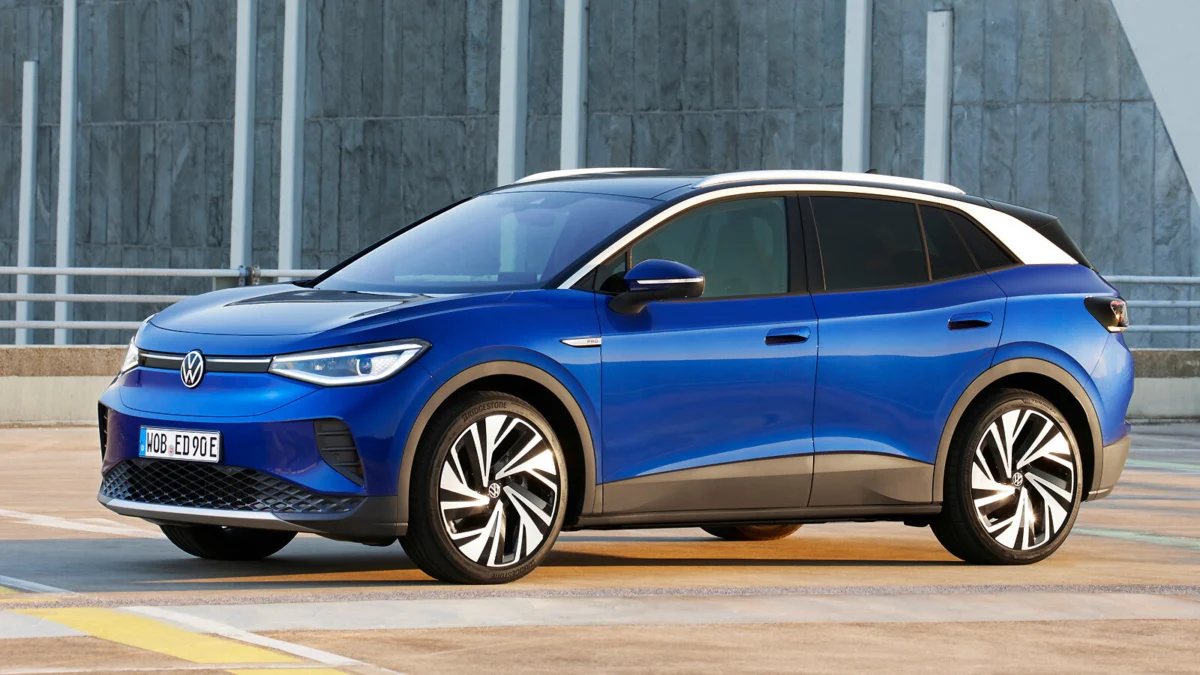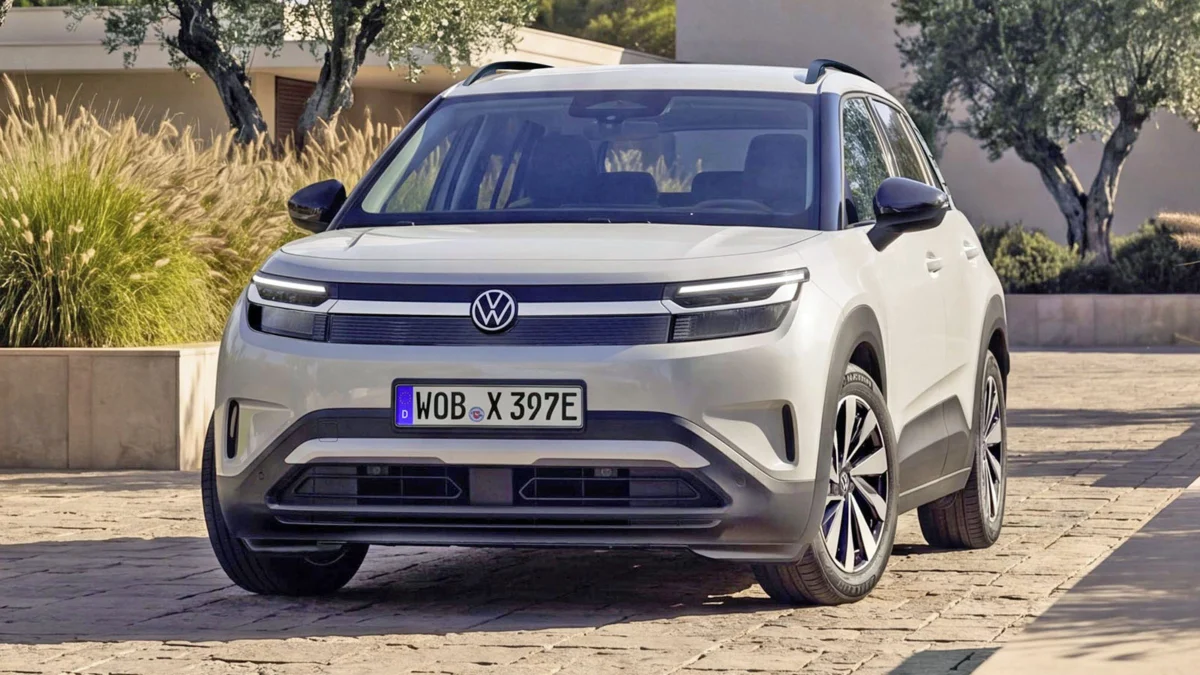
Volkswagen has officially opened the order books for its latest compact electric SUV, the ID. Cross, introducing a new, smaller 37 kWh battery pack. This strategic move aims to lower the barrier to entry for prospective electric vehicle (EV) buyers, positioning the model as a direct competitor in the growing segment of budget-conscious urban electric transport. With a starting price of €27,995 in Germany, the ID. Cross is clearly signaling Volkswagen’s intent to democratize electric mobility while navigating a highly competitive landscape filled with both domestic rivals and emerging international players.
Main Facts: A New Tier for the Compact SUV
The introduction of the 37 kWh net capacity battery complements the existing 52 kWh version, creating a tiered hierarchy of performance and range. The base model, dubbed "Trend," features an 85 kW motor paired with the smaller battery, establishing a new price floor for the ID. Cross lineup.
Beyond the entry-level Trend, Volkswagen is offering the 37 kWh battery in higher trim levels: Life and Style, which feature a more powerful 99 kW motor. These upgrades push the pricing to €31,925 and €34,510, respectively. For those requiring more robust performance and range, the 52 kWh battery paired with a 155 kW motor remains available, starting at €36,525.
Volkswagen describes the smaller battery variant as an ideal solution for urban commuters and those traveling on standard regional routes. While top-end performance is moderated, the vehicle maintains a respectable top speed of 160 km/h, ensuring it remains capable of highway travel. However, prospective buyers should note a technical trade-off: the braked towing capacity for the 37 kWh version is capped at 750 kg, a reduction from the 1,200 kg capacity offered by its larger-battery sibling.
Chronology: The Evolution of the ID. Cross
The ID. Cross project has been a central pillar in Volkswagen’s attempt to revitalize its compact SUV offerings. The journey began with initial conceptual reveals, aimed at bridging the gap between the compact hatchback segment and the larger, more expensive ID.4 and ID.5 models.
- Initial Concept Phase: Volkswagen identified a need for a smaller, more accessible electric SUV that could leverage the modular electric drive matrix (MEB) platform.
- Announcement of the 52 kWh Version: The vehicle initially launched with the 52 kWh battery, focusing on mid-range capabilities to capture early adopters.
- Strategic Pivot to Affordability: Recognizing the need to combat price sensitivity in the European market, Volkswagen accelerated the development of a cheaper, entry-level battery option.
- The LFP Transition: The integration of Lithium-Iron-Phosphate (LFP) technology marked a significant milestone, allowing VW to lower costs and improve longevity, which was officially confirmed with the opening of pre-orders for the 37 kWh model.
Supporting Data: Technical Specifications and Real-World Utility
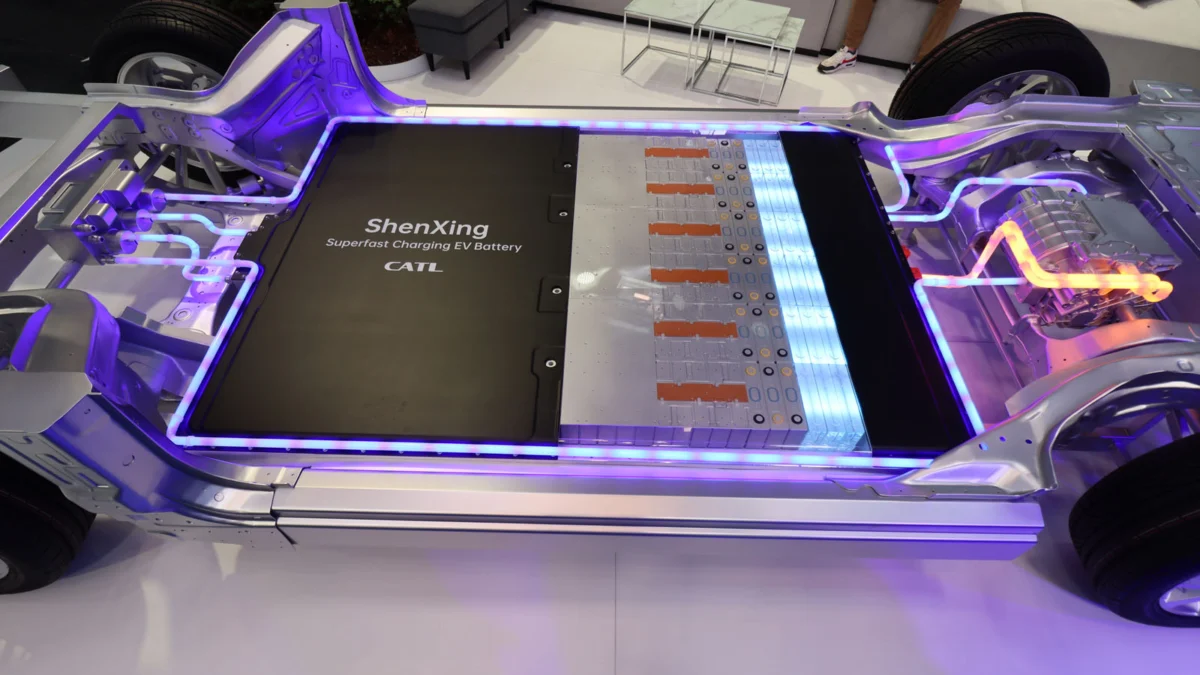
The technical heart of the new ID. Cross lies in its cell chemistry. The 37 kWh battery utilizes LFP cells, while the larger 52 kWh battery employs NMC (Nickel, Manganese, Cobalt) chemistry. Both variants are part of Volkswagen’s "Unified Cell" strategy, developed in partnership with PowerCo. By utilizing a "Cell-to-Pack" design, which eliminates individual module housings, Volkswagen has optimized energy density and reduced manufacturing complexity.
Charging and Efficiency
At a DC fast-charging station, the 37 kWh pack can accept up to 90 kW, allowing for a 10% to 80% charge in approximately 23 minutes under ideal conditions. For residential or workplace charging, the vehicle supports 11 kW AC charging. Furthermore, the ID. Cross introduces Vehicle-to-Load (V2L) capability, providing up to 3.6 kW of power to external devices, though the potential for full Vehicle-to-Home (V2H) or Vehicle-to-Grid (V2G) functionality remains unconfirmed by the manufacturer.
Range Discrepancies
Volkswagen officially cites a range of up to 324 kilometers according to the WLTP cycle. However, this figure requires nuance. The Austrian price lists provide a more granular breakdown, indicating that the range varies by trim level:
- Trend (85 kW): 222–324 km
- Life (99 kW): 213–312 km
- Style (99 kW): 213–311 km
While independent real-world testing is still pending, industry experts suggest that with an average consumption of 20 to 25 kWh/100 km, the 37 kWh battery should comfortably deliver a practical range of 148 to 185 kilometers in daily driving.
Official Responses and Strategic Positioning
Volkswagen’s marketing narrative for the ID. Cross is explicitly focused on the urban dweller. By providing a base model with standard features such as front/rear parking sensors, smartphone integration via App Connect, and DC fast-charging, VW is attempting to move away from the "bare-bones" stigma often associated with entry-level trims.
However, the competition is fierce. Within the Volkswagen Group, the Skoda Epiq—built on the same MEB+ platform—starts at a lower price point of €25,900. Externally, the market has been disrupted by the arrival of players like Leapmotor, whose B03X model starts at €25,400. Meanwhile, traditional rivals like the Renault 4 (starting at €27,690) offer a similar value proposition, creating a tightly contested "entry-level EV" bracket in Europe.
Implications: The Future of the Compact EV Segment
The launch of the 37 kWh ID. Cross has several profound implications for the automotive industry:
- Normalization of LFP Technology: By adopting LFP for its entry-level models, Volkswagen is validating a technology that, until recently, was primarily associated with Chinese manufacturers. This shift is essential for reducing the reliance on cobalt and nickel, which are subject to high price volatility.
- Increased Focus on Value Trims: The inclusion of fast-charging as standard equipment signals a shift in consumer expectations. Manufacturers can no longer hide essential EV features behind paywalls if they wish to remain competitive against aggressive newcomers.
- The "Price Ceiling" Pressure: With the ID. Cross entering at €27,995, Volkswagen is signaling that it aims to keep its core models under the psychologically significant €30,000 threshold. Whether this is sustainable, given rising production costs and labor dynamics in Germany, remains the central question for the coming fiscal years.
- Strategic Internal Rivalry: The existence of the Skoda Epiq and the ID. Cross on the same platform suggests that Volkswagen is willing to accept some degree of cannibalization between its brands to ensure that the group as a whole maintains a dominant market share against non-European competitors.
Final Outlook
The ID. Cross represents a calculated bet. By balancing the lower range of the 37 kWh battery against a lower price point, Volkswagen is attempting to capture a demographic that has been priced out of the electric market. If the model proves reliable and the real-world efficiency meets the current expectations, it could well become the "People’s Car" for the electric age—a modern successor to the heritage that defined Volkswagen’s success in the 20th century. For now, the automotive world waits for independent testers to verify if the 324 km WLTP claim holds up to the rigors of cold-weather driving and highway usage.