Introduction: The Sunset of the Boxer Engine
For decades, the name Subaru has been synonymous with two defining engineering pillars: the horizontally opposed "Boxer" engine and symmetrical all-wheel drive. For enthusiasts, this combination defined the brand’s rugged character, rallying pedigree, and distinct driving dynamics. However, the automotive landscape in Europe is shifting at an unprecedented pace, driven by stringent environmental regulations and a fundamental realignment of global manufacturing priorities.
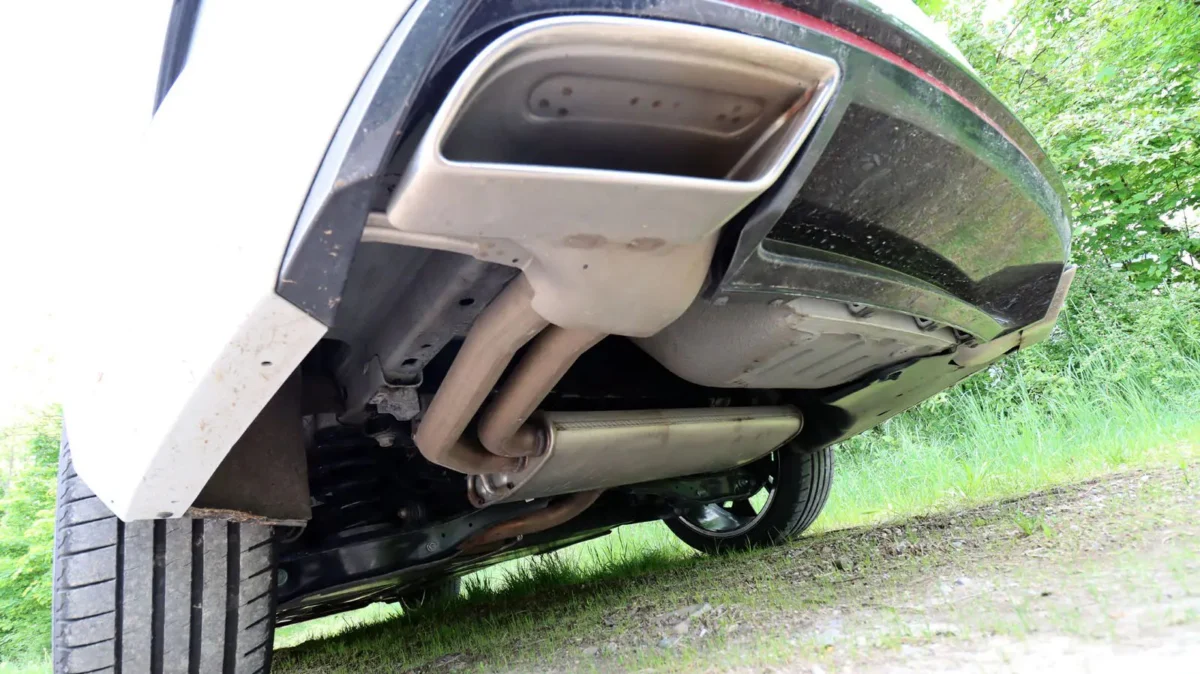
According to recent reports, Subaru is set to discontinue the sale of all new internal combustion engine (ICE) vehicles in the European market by the end of 2027. This decision marks the end of a long-standing chapter for the Japanese manufacturer, as it prepares to transition its entire European lineup to a purely battery-electric vehicle (BEV) portfolio. While the global automotive industry debates the feasibility of a 2035 combustion engine ban, for niche players like Subaru, the transition is no longer a matter of choice, but a requirement for survival.
Main Facts: A Pivot to Pure Electricity
The decision to abandon combustion engines in Europe is the culmination of mounting regulatory pressure and the economic realities of operating as a low-volume manufacturer. While German Chancellor Olaf Scholz and French President Emmanuel Macron have recently lobbied to soften the European Union’s 2035 CO2 fleet targets—suggesting a reduction of 90 percent rather than the originally planned 100 percent—this potential reprieve offers little comfort to brands struggling to offset the high costs of compliance for small sales volumes.
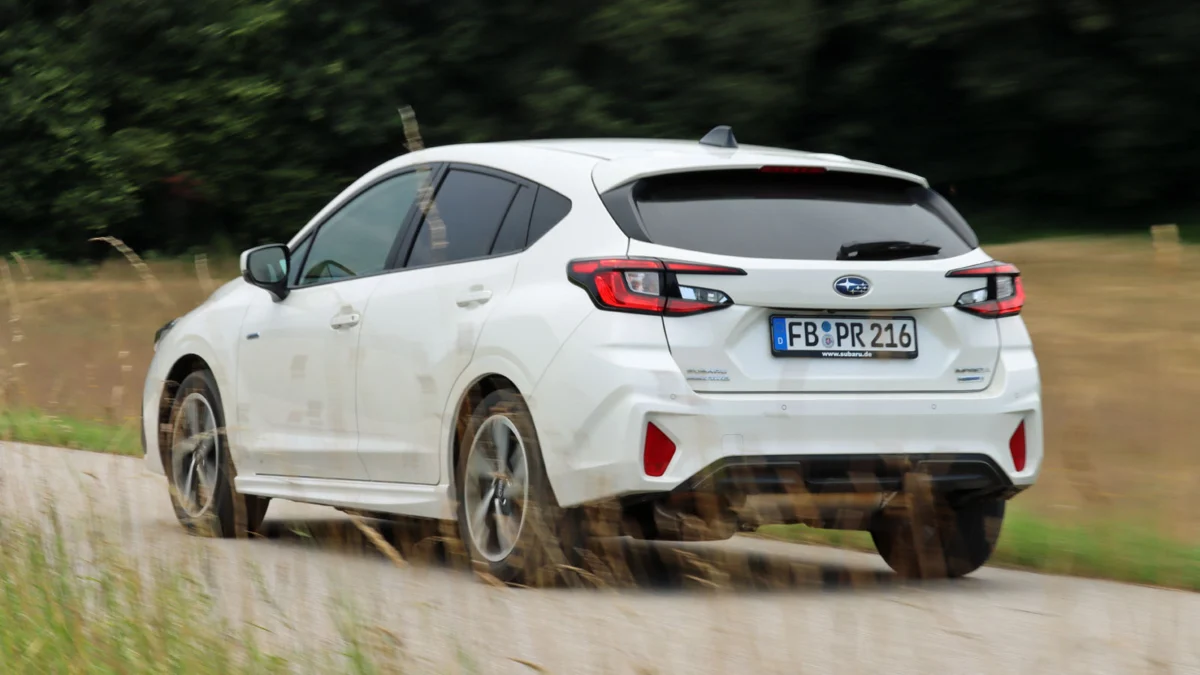
By 2027, Subaru’s European presence will be condensed into a three-model electric lineup: the Solterra, the Uncharted, and the E-Outback. This strategy necessitates the phase-out of the brand’s iconic boxer-powered models, including the Impreza, the Crosstrek, and the Forester, which currently serve as the backbone of the brand’s heritage.
Chronology: The Timeline of the Phase-Out
The transition is already underway, though the official timeline is marked by both manufacturing halts and inventory management.
- July 2025: Initial reports from industry monitors indicated that the production of the European-market Outback 2.5i, along with the mild-hybrid variants of the Impreza, Crosstrek, and Forester, had effectively concluded.
- Late 2025: The current 2.5-liter naturally aspirated Outback is slated to disappear from the official sales catalog by the end of the year.
- 2026–2027: The remaining ICE models—the Impreza, Crosstrek, and Forester—will be gradually phased out as current stocks and pre-ordered allotments are exhausted.
- Late 2027: The official cut-off date for new combustion-powered Subaru registrations in Europe.
While manufacturers often distinguish between "end of production" and "end of sales," Subaru’s situation is unique. Because production has already ceased for several models, the current availability is restricted to existing dealer inventory. Prospective buyers looking for a brand-new Subaru with a boxer engine must now rely on stock availability at regional dealerships.
Supporting Data: The Niche Manufacturer’s Dilemma
The decision to go electric is fundamentally an economic one. Subaru’s European footprint is modest compared to its global reach. In the 2025 fiscal year, Subaru reported 23,000 vehicle sales across Europe, with Germany—the continent’s largest market—accounting for 4,510 units. Contrast this with the United States, where Subaru moved approximately 644,000 vehicles in the same period.
For a manufacturer of this size, the burden of developing, testing, and homologating vehicles to meet Euro 7 emission standards, as well as mandatory advanced driver-assistance systems (ADAS) and cybersecurity regulations, creates an unsustainable financial bottleneck. When these R&D costs are spread across only 23,000 units, the price-per-vehicle becomes prohibitively high.
Unlike industry giants such as Volkswagen or Stellantis, which can balance their fleet averages with high-volume electric sales, Subaru lacks the "economies of scale" to make the continued development of clean-burning internal combustion engines profitable under the current EU regulatory framework.
Official Responses and Strategic Rationale
Subaru’s European leadership has been remarkably candid about the necessity of this shift. David Dello Stritto, Subaru’s European chief, stated in an interview with Autocar that the company has "no choice" but to accelerate its transition.
"We must move as quickly as possible from what we have today to a purely battery-electric model range in Europe," Dello Stritto explained. This sentiment reflects a broader industry trend where niche brands are forced to prioritize survival over the retention of their traditional powertrains.
While Subaru continues to monitor the development of full-hybrid technology, particularly given the success of 2.5-liter full-hybrid variants in the North American market, the company has refrained from committing to such investments in Europe. Without clarity on the final details of upcoming emissions regulations, the investment risk for a second, transitional hybrid platform is considered too high.
Implications: The Toyota Partnership
Subaru’s electric future is heavily reliant on its partnership with Toyota, its largest shareholder. The "e-Subaru Global Platform" is essentially a collaborative effort. The Solterra, for instance, shares significant DNA with the Toyota bZ4X.
However, Subaru emphasizes that its role goes beyond mere badge-engineering. The company focuses on:
- Chassis Tuning: Retaining Subaru’s signature steering feel and suspension geometry.
- All-Wheel Drive: Integrating their proprietary "X-Mode" and specialized AWD software to maintain off-road capability.
- Physical Integrity: Ensuring the vehicles maintain the ground clearance and body rigidity associated with the brand.
The performance specifications of the new lineup are competitive. The E-Outback boasts 280 kW of power, a 74.7-kWh battery, and a WLTP-rated range of 526 km. The Uncharted offers even higher efficiency, with a front-wheel-drive variant promising up to 592 km of range.
Yet, the reliance on Toyota raises questions about brand identity. Can a Subaru still be a "Subaru" if the engine, battery architecture, and platform are derived from Toyota? The company is banking on the assumption that its loyal customer base values the experience of the vehicle—its safety, utility, and all-weather capability—over the mechanical origin of the powertrain.
Broader Industry Implications
Subaru’s exit from the combustion engine market in Europe is a bellwether for the automotive industry. It illustrates that the "technological neutrality" often touted by politicians is becoming increasingly difficult for manufacturers to maintain in practice.
Even if the EU eventually relaxes its 2035 targets, the regulatory environment has already set a trajectory that is effectively irreversible for smaller players. When safety regulations, software mandates, and emission targets collide, the result is a massive culling of internal combustion models.
For the European enthusiast, the next few years represent the final opportunity to experience the unique balance of a horizontally opposed engine and all-wheel drive. As Subaru pivots to become a "niche electric player," the company is essentially betting its future on the hope that its core values—reliability, safety, and outdoor adventure—are transferable to an electric drivetrain.
Whether this transition will allow Subaru to grow its European market share or whether it will remain a specialized brand for a dedicated group of electric-vehicle converts remains to be seen. What is clear, however, is that the era of the Boxer engine in Europe has reached its final destination.