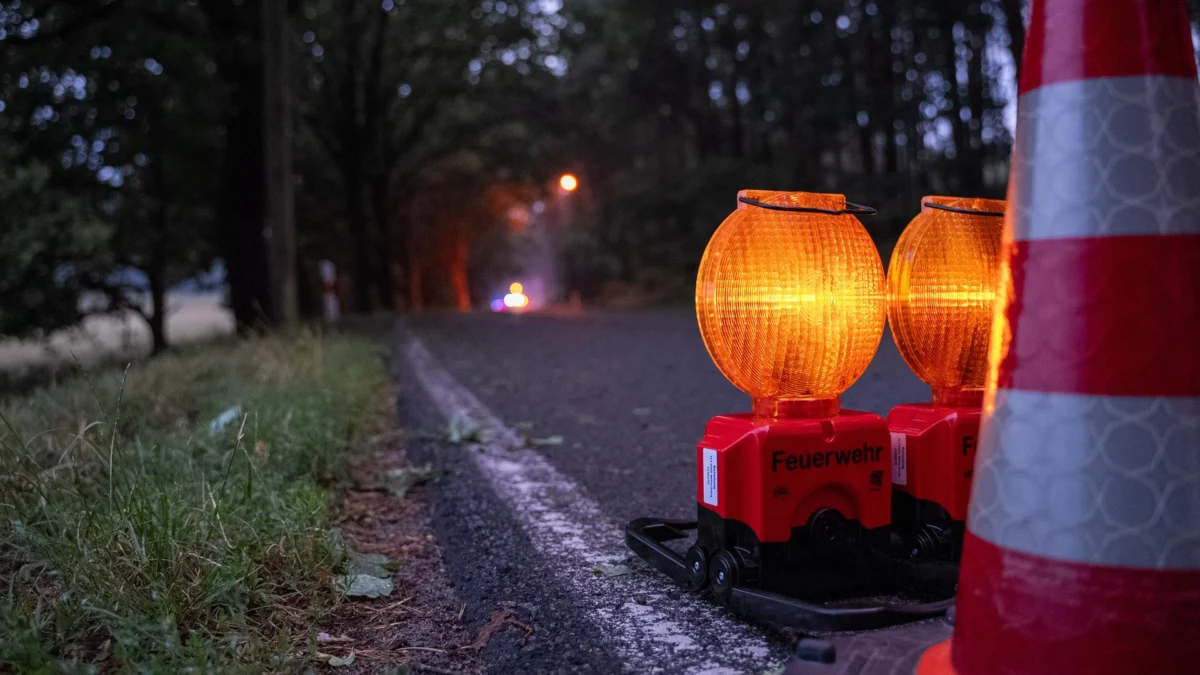
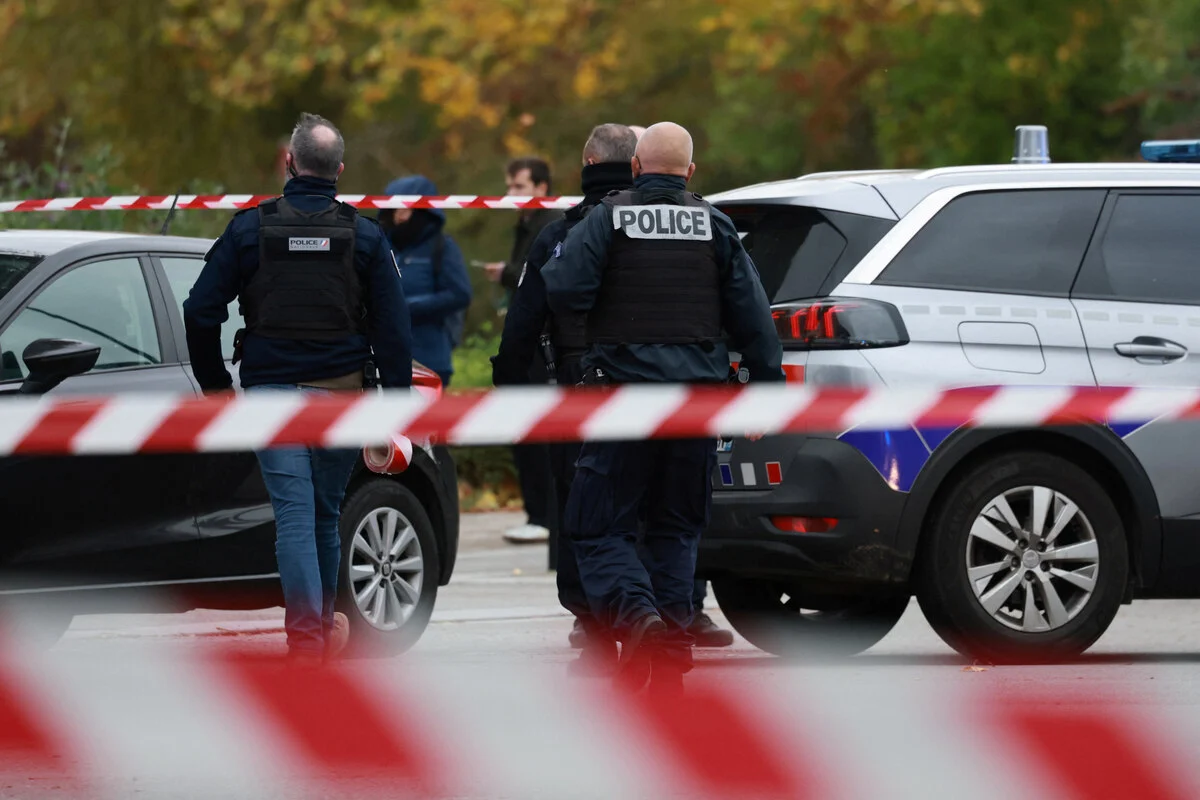
BISCHOFSWERDA, Germany – A major industrial fire broke out late Saturday night at a waste management facility in the town of Bischofswerda, triggering a massive emergency response that lasted well into Sunday morning. The incident, which saw flames leaping several meters into the air, prompted the mobilization of over 150 firefighters and specialized units from across the region. As of Sunday morning, while the immediate threat of the blaze spreading has been contained, authorities continue to investigate the origins of the inferno.
Incident Overview: A Night of Chaos in the Lausitz Region
The alarm was raised in the late hours of Saturday, October 24, 2026, when local residents reported seeing thick, dark smoke and towering flames emanating from the grounds of a prominent waste disposal site. The facility, which specializes in the processing of various materials, including electrical scrap, quickly became the site of a high-stakes emergency operation.
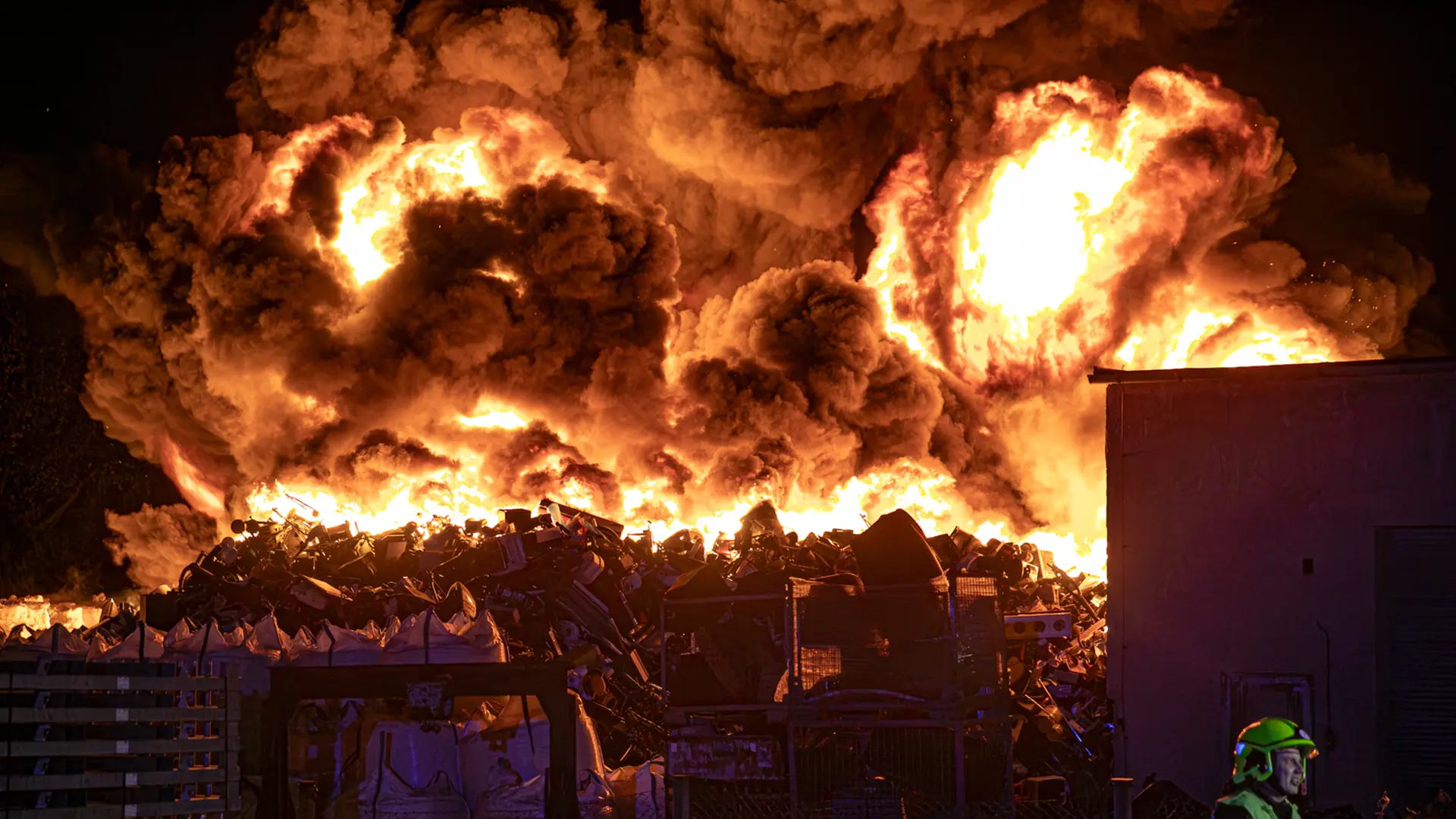
Upon arrival, the first responding crews—comprised primarily of volunteer fire departments from Bischofswerda and the neighboring district of Geißmannsdorf—were confronted with a fully developed blaze. The intensity of the fire, fueled by the complex materials stored within the industrial structure, required an immediate escalation of resources. By the early hours of Sunday, more than 150 emergency personnel were on the scene, working in shifts to prevent the fire from jumping to adjacent structures.
According to initial reports from the police and the regional rescue coordination center, there have been no injuries, a fortunate outcome given the scale of the destruction.

Chronology of the Emergency Response
The timeline of the disaster reflects the rapid escalation and the subsequent sustained effort required to bring the situation under control:
- Late Saturday Night: The first emergency calls reached the regional control center, alerting authorities to a "large-scale fire" at the industrial site.
- 01:00 AM (Sunday): Multiple volunteer fire brigades arrived on the scene. Firefighters reported flames rising several meters above the roofline of the primary storage hall.
- 02:30 AM: The operation was expanded to include specialized units, including a drone reconnaissance team to monitor heat signatures and structural integrity from above.
- 04:00 AM: The Technisches Hilfswerk (THW) was dispatched to the scene. Their "clearing group" (Räumgruppe) provided essential support, utilizing heavy machinery to move debris, allowing firefighters to reach deep-seated pockets of the fire that were previously inaccessible.
- 08:00 AM (Sunday): The fire was largely declared under control. Emergency crews shifted their focus to "rest-extinguishing" (Restlöscharbeiten), a meticulous process of cooling down hotspots to prevent reignition.
- 10:52 AM: Official updates confirmed that while the fire was suppressed, the scene remained an active investigation zone.
Supporting Data and Operational Complexity
The fire at the Bischofswerda facility was particularly challenging due to the nature of the materials being stored. Electrical waste—commonly referred to as e-waste—contains a mixture of metals, plastics, and potentially hazardous components like lithium-ion batteries. When ignited, these materials do not simply burn; they often release toxic plumes and can be highly resistant to standard water-based suppression techniques.

The Role of Technology in Firefighting
The deployment of a drone squadron was a pivotal factor in the success of the mission. Drones equipped with thermal imaging cameras allowed incident commanders to see through the thick, toxic smoke. This real-time data enabled the team to direct water streams with precision, targeting the core of the heat sources rather than wasting resources on the exterior of the building. This technology has become increasingly vital for firefighting in the Saxony region, where industrial sites are often densely packed with materials that pose unique chemical risks.
The THW Contribution
The involvement of the Technisches Hilfswerk (THW) was critical. In industrial waste fires, the accumulation of charred debris can create a "chimney effect," trapping heat underneath layers of metal and plastic. The THW’s heavy-duty equipment allowed for the systematic dismantling of the burnt structure, ensuring that the ground could be fully saturated and cooled.

Official Responses and Public Safety
As of Sunday morning, the authorities have remained cautious regarding the cause of the fire. "At this stage, the investigation is in its infancy," noted a spokesperson for the local police department. "We are working with forensic experts to determine whether this was a technical malfunction, a spontaneous reaction of materials, or something else."
While no injuries were reported, the local environmental agencies were placed on standby to monitor air quality. Given that the fire involved electrical waste, there was a legitimate concern regarding the release of particulate matter and hazardous fumes into the surrounding atmosphere. Residents in the immediate vicinity were advised to keep windows and doors closed throughout the night as a precautionary measure.

Local municipal officials praised the rapid response of the volunteers. "Seeing over 150 neighbors and fellow citizens drop everything to protect our community is a testament to the strength of our volunteer firefighting system," said one local official during a brief update.
Implications for the Industry and the Region
This incident in Bischofswerda highlights the ongoing challenges faced by waste management facilities across Germany. As the circular economy expands, the volume of processed waste—particularly electronics—has increased significantly. However, the fire safety infrastructure at many of these sites is being tested by the growing presence of high-energy components like batteries.
Economic and Regulatory Impact
The facility will likely remain shuttered for the foreseeable future as investigators sift through the debris. For the local economy, this creates a temporary disruption in waste disposal logistics. More importantly, the fire is expected to spark a broader conversation among regional regulators about the storage of potentially volatile materials.
Critics of current waste management practices argue that the "storage density" at some facilities is becoming a liability. If a small ignition occurs, the proximity of combustible materials can lead to the "cascading effect" seen on Saturday night. Regulatory bodies in Saxony are expected to review the fire safety protocols of similar facilities in the coming months to determine if existing fire protection codes need to be updated to account for the modern composition of industrial waste.

Environmental Stewardship
Beyond the immediate danger to life and property, the environmental impact of such fires is a significant concern. The runoff from firefighting efforts, which can contain heavy metals and chemicals from burnt plastics, requires careful containment to prevent groundwater contamination. Environmental authorities were on-site Sunday to ensure that water used during the firefighting operation was properly managed and that no toxic runoff reached the local drainage systems.
Conclusion: A Community’s Resilience
As the sun set on Sunday, the smoldering remains of the facility served as a stark reminder of the dangers inherent in modern industrial processes. For the people of Bischofswerda, the night was a harrowing experience, but it also showcased the effectiveness of the regional emergency services.

The investigation into the cause of the fire will continue over the coming weeks, involving fire marshals, environmental inspectors, and potentially insurance adjusters. For now, the focus remains on ensuring that the site is fully secured and that the local community can return to a sense of normalcy. While the financial cost of the damage will be substantial, the fact that no lives were lost remains the primary success story of this major incident in the Lausitz region.
The fire in Bischofswerda is not merely a local news story; it is a signal to the industrial sector that as we process the waste of the digital age, our safety protocols must be as advanced as the technology we are disposing of. As the cleanup begins, the lessons learned from this night will likely influence fire safety regulations for waste management facilities across Germany.