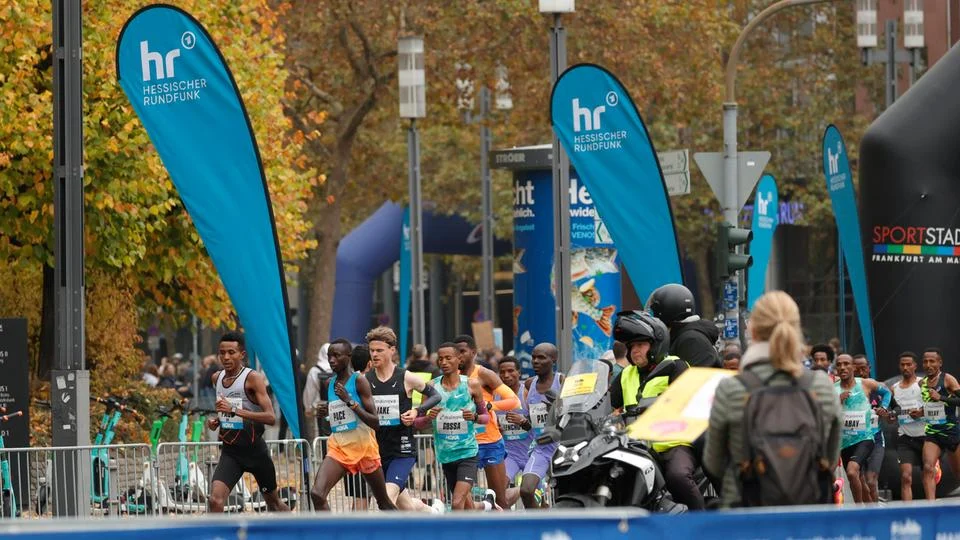
As the streets of Frankfurt prepare to welcome over 18,500 runners for the 2026 Frankfurt Marathon, the Hessischer Rundfunk (hr) has announced a comprehensive multi-platform broadcasting strategy. From the early morning gun-start to the final finishers crossing the line in the iconic Festhalle, the public broadcaster aims to bring the full scale of the event to audiences in the stadium, at home, and on the move.
Main Facts: A Digital and Linear Broadcasting Marathon
The Frankfurt Marathon stands as one of Germany’s most prestigious road racing events. For the 2026 edition, the production scale has been expanded to ensure accessibility. The primary coverage will center on a two-and-a-half-hour live broadcast of the "heimspiel!" special, commencing at 9:55 AM on Sunday.
The production will be helmed by veteran moderator Ralf Scholt, who will be joined by elite long-distance runner Laura Hottenrott, providing technical insights and tactical analysis. In a move to enhance inclusivity, the hr will offer a live audio description service for visually impaired viewers, ensuring the dramatic narrative of the race is accessible to all.
Chronology: A Day of Athletic Endurance
The schedule for Sunday is packed with content designed to capture the race from multiple angles:

- 09:55 AM: Live broadcast begins on hr-fernsehen and via the dedicated livestream on hessenschau.de. The broadcast coincides with the official start of the race.
- Morning/Midday: Continuous updates provided through live reporting and expert commentary from the field.
- 18:45 PM: An evening recap program on hr-fernsehen, hosted by Sebastian Rieth, will provide a detailed summary of the day’s events, featuring human-interest stories and highlights from the amateur field.
- Post-Race: The "Finish Line Camera" on hessenschau.de will go live, providing a continuous, multi-hour feed of the emotional scenes as thousands of runners complete their journey inside the Festhalle.
Supporting Data: The Logistics of Coverage
The scale of the broadcast is mirrored by the scale of the event itself. With 18,500 participants, the event creates a logistical challenge for both race organizers and media teams. To capture the "pulse" of the race, the hr has deployed a specialized team of reporters—Christiane Schwalm, Robin Niehaus, Daniel Höhr, and Bastian Gerling—who will be positioned at various points along the route to document the athletes’ progress and the atmosphere among the spectators.
In addition to television and web streaming, the hr will integrate the marathon into its radio programming. Listeners of hr1, hr3, and hr-iNFO can expect regular live updates, including interviews and breaking news from the course, ensuring that the race remains a focal point of regional interest throughout the day.
The Significance of the "Finish Line Camera"
One of the most anticipated features for the 2026 edition is the persistent, high-definition "Finish Line Camera" hosted on the hessenschau.de portal. Unlike standard broadcasts, which focus on the elite leaders, this feature offers an unedited, extended look at the "everyman" achievement.
The Festhalle in Frankfurt is legendary in the marathon world for its dramatic, carpeted finish line. By providing a dedicated stream of this location, the organizers acknowledge that the story of the marathon is not just about the elite clocking sub-2:05 times, but about the thousands of amateur runners whose personal victories occur long after the winners have crossed the line. This digital-first approach allows family and friends worldwide to witness the exact moment their loved ones complete the 42.195-kilometer course.

Official Perspectives and Behind-the-Scenes
The Hessischer Rundfunk has invested heavily in pre-race coverage as well. Recognizing that the marathon is a week-long phenomenon for the city of Frankfurt, the station has launched an online special at hessenschau.de/marathon. This hub serves as a repository for training tips, historical statistics, and profiles of the runners who make the event unique.
Furthermore, the daily sports magazine “hessenschau sport,” aired at 5:55 PM, acts as a primary vehicle for disseminating logistical information, course changes, and safety protocols. The collaboration between the city’s urban planners and the broadcasting team ensures that spectators can navigate the road closures effectively while staying informed about the race flow.
Implications: A Model for Regional Broadcasting
The 2026 coverage model highlights a significant trend in regional public media: the hybridization of content. By combining traditional linear television—which offers a polished, narrative-driven experience—with digital-first tools like the Finish Line Camera and audio description, the hr is maximizing the reach of the event.
The reliance on expert commentators like Laura Hottenrott adds a layer of professional legitimacy, elevating the broadcast from mere documentation to high-level sports journalism. For the city of Frankfurt, this extensive coverage reinforces its status as a premier global destination for long-distance running, helping to boost local tourism and civic pride.

Preparing for the Event: Essential Viewer Information
For those planning to follow the race, the following checklist is recommended:
- Technical Readiness: Ensure a stable internet connection for the livestream on hessenschau.de. The stream is optimized for both desktop and mobile devices.
- Audio Description: Users requiring audio description should look for the secondary audio track options on the player interface.
- Radio Sync: For those physically on the course, hr-iNFO is the most reliable source for immediate, real-time updates regarding traffic and race-day logistics.
- Archival Access: All major race segments and the final summaries will be available on-demand via the hessenschau portal shortly after the live segments conclude.
Conclusion: The Spirit of Frankfurt
The Frankfurt Marathon is more than a race; it is a testament to human persistence. By covering the event across television, radio, and digital channels, the Hessischer Rundfunk ensures that the spirit of the event—the sweat, the training, the crowd support, and the final surge of energy in the Festhalle—is captured for a wide and diverse audience.
Whether you are a casual observer, a marathon enthusiast, or the relative of a participant, the comprehensive coverage scheduled for Sunday, 2026, promises to provide a front-row seat to one of the most exciting sporting events in Germany. As the city readies itself for the influx of thousands of runners, the message from the organizers and the media is clear: no matter where you are, you are part of the journey.
Frequently Asked Questions (FAQ)
Can I watch the marathon on my smartphone?
Yes, the livestream on hessenschau.de is fully responsive and optimized for mobile devices, allowing you to follow the action from anywhere.

Is there a way to watch a specific runner?
While the live broadcast focuses on the elite field, the "Finish Line Camera" on the website provides a continuous feed of the Festhalle entrance, which is the best way to catch family members or friends finishing their race.
What if I miss the live morning broadcast?
The hr-fernsehen will air a comprehensive summary of the event at 18:45 PM, covering the day’s highlights and the most inspiring stories from the field.
Are there updates available before race day?
Yes, the portal hessenschau.de/marathon and the daily hessenschau sport television program provide ongoing updates, runner spotlights, and logistical details leading up to the race.
Who are the experts providing commentary?
The broadcast features moderator Ralf Scholt, a seasoned sports journalist, and Laura Hottenrott, a renowned long-distance runner who provides expert technical commentary on race tactics and the demands of the course.