LEIPZIG, Germany – The political climate in Saxony has once again been cast into the spotlight following a targeted act of vandalism against the constituency office of Paula Piechotta, a prominent member of the German Bundestag representing the Alliance 90/The Greens party. The incident, which occurred in the early hours of Saturday, has reignited a fierce public debate regarding the safety of elected officials and the increasing frequency of attacks on political infrastructure across the federal state.
The Incident: A Targeted Destruction
According to reports confirmed by local law enforcement, unidentified individuals approached the constituency office located on the bustling Karl-Liebknecht-Straße in Leipzig’s Südvorstadt district during the late-night hours of Friday into Saturday. The perpetrators targeted the storefront windows of the office, utilizing heavy objects—suspected by the office staff to be a sledgehammer—to shatter the glass.
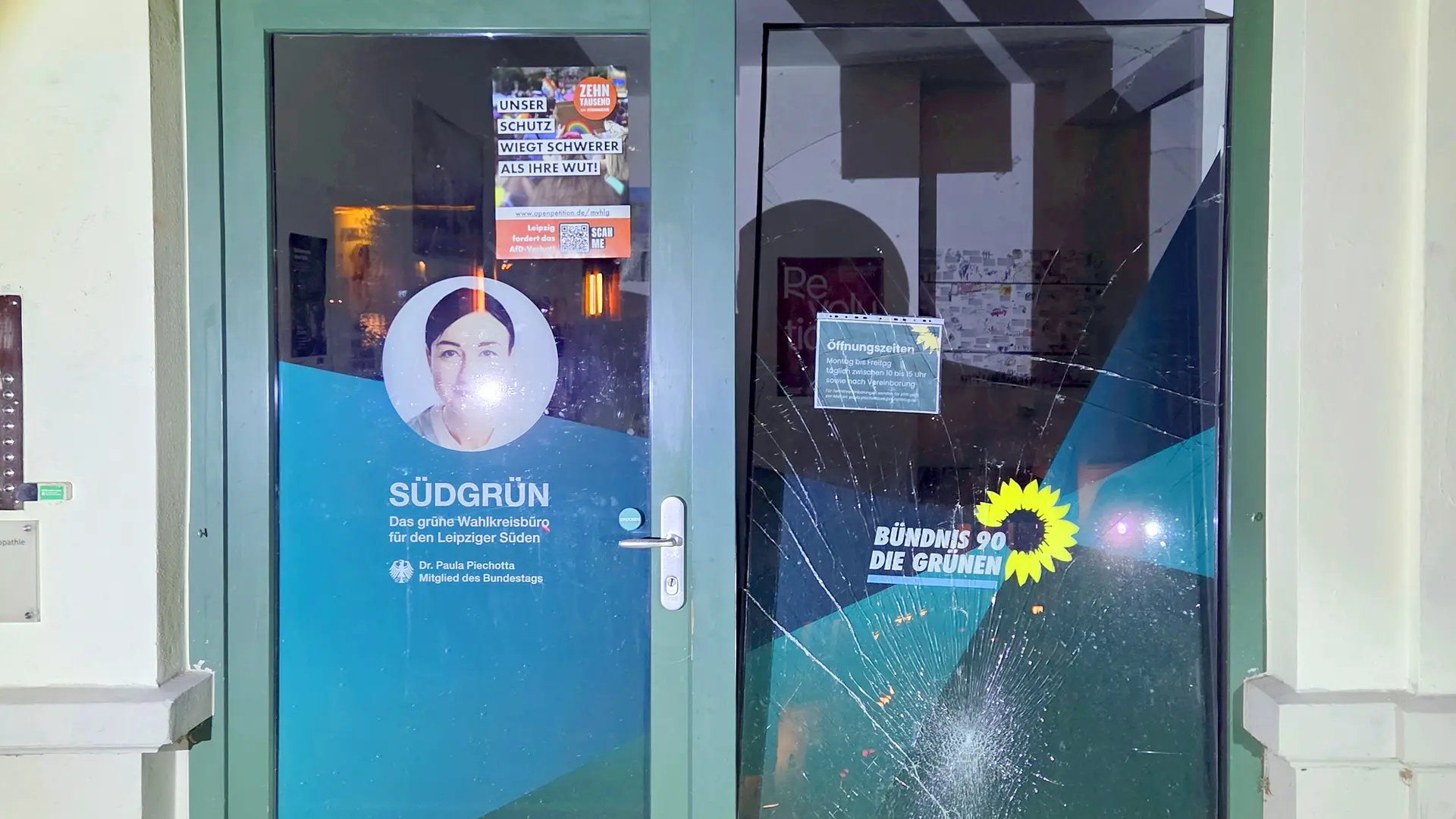
The damage was discovered in the early hours of Saturday morning. Upon arrival, responding officers from the Leipzig Police Department secured the scene and initiated an investigation into the destruction of property. While the exact financial cost of the damage remains under assessment, the psychological impact on staff and the symbolic nature of the attack have been immediate.
Following the forensic sweep by the police, the office team acted quickly to secure the premises, boarding up the shattered windows with wooden barricades to prevent further intrusion and to allow for temporary operations to continue.

A Chronology of Escalating Hostility
The attack on Ms. Piechotta’s office is not an isolated event but rather the latest in a troubling trend of hostility directed toward political representatives in the region.
- Early 2024: Heightened security measures were implemented across various party offices in Saxony following a string of minor acts of vandalism and threatening communications.
- Saturday, October 24, 2026 (Early Morning): The attack on the Green Party office in Leipzig’s Südvorstadt was executed. Local authorities identified the use of heavy blunt force to destroy the glass facade.
- Post-Incident Response: By midday Saturday, police had cordoned off the area to collect evidence. The office remains under a heightened state of surveillance, and temporary physical reinforcements have been installed to ensure the safety of employees.
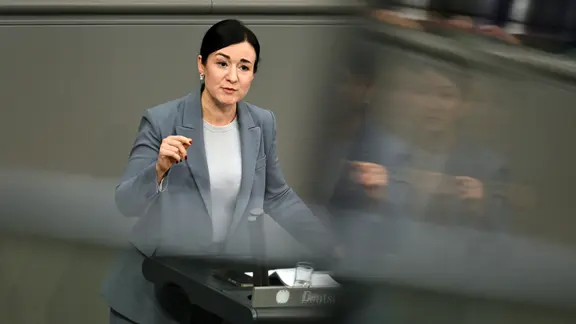
Ms. Piechotta, who has served as a member of the Bundestag since 2021, noted that her office had previously been the target of criminal activity, specifically the theft of technical equipment. As a result, the police had already been conducting more frequent patrols in the vicinity of the office prior to this weekend’s assault.
The Context: A Pattern of Political Violence
To understand the gravity of the incident in Leipzig, one must look at the broader landscape of political violence in Germany. Saxony, in particular, has become a focal point for researchers and security agencies monitoring the radicalization of political discourse.
Comparative Data on Attacks
Reports from the Federal Ministry of the Interior indicate that incidents of physical and structural damage to political offices have seen a steady, alarming rise. In the lead-up to recent regional and European elections, the number of recorded criminal acts against parties—ranging from the defacement of campaign posters to physical break-ins—has reached multi-year highs.

Data shows that while no single party is immune, members of the Green Party and the SPD have been disproportionately targeted by individuals operating on the fringes of the political spectrum. Analysts suggest that this is a byproduct of intense polarization regarding climate policies, migration, and economic shifts in the East German states.
The Role of Law Enforcement
In response to these trends, the Saxon State Police have entered into closer cooperation agreements with all major political parties. This includes enhanced risk assessments for offices, specialized training for staff on how to handle threats, and an increased visible presence of patrol units in urban districts known for political tension. Despite these efforts, the vulnerability of "open-door" offices—designed to invite constituent interaction—remains a persistent security challenge.
Official Responses and Political Repercussions
The reaction to the vandalism has been swift, with local and national political figures condemning the act as an assault on democracy itself.
Paula Piechotta’s Statement
Addressing the incident, Paula Piechotta expressed her frustration with the recurring nature of these threats. "The use of such violence is not an expression of political disagreement; it is a direct attempt to intimidate those who represent the public interest," her office stated. Piechotta, who holds a professional background as a physician, has been a vocal proponent of constructive dialogue, yet she acknowledges that the current climate makes local, face-to-face politics increasingly difficult to sustain without fear.

Legislative and Security Stance
Government officials have emphasized that there is a "zero-tolerance" policy regarding political violence. The Leipzig police are currently investigating whether there is a clear political motivation behind the attack. Given the specific targeting of a Green Party office, authorities are treating the case with a high level of priority, investigating potential links to organized extremist groups that have been active in the region.
Broader Implications for Democracy
The attack on the Leipzig office raises fundamental questions about the health of the political process in Germany. When members of parliament are forced to barricade their offices behind wood and metal, the barrier between the representative and the represented grows.

The "Shrinking Space" for Debate
Political scientists warn that if such acts become normalized, the "civic space" necessary for democracy to function will shrink. Politicians may become more isolated, limiting their public appearances and choosing to move their operations into high-security government buildings rather than community-facing street-level offices. This retreat would be a victory for those who seek to undermine democratic participation through fear.
The Impact on Volunteers and Staff
Beyond the elected officials, the people most affected are the volunteers and administrative staff. These individuals often serve as the first point of contact for constituents with concerns ranging from housing to healthcare. When their workplace is treated as a combat zone, the recruitment of new volunteers and the retention of committed staff become significantly harder. The emotional toll of working in an environment where one’s safety is not guaranteed cannot be overstated.

Conclusion: A Call for Vigilance
The vandalism in Leipzig is a stark reminder that democratic institutions require constant protection, not just from state security forces, but from the commitment of the citizenry to maintain civil discourse. As the investigation into the perpetrators continues, the message from local authorities is clear: the state will not be intimidated by acts of destruction.
However, the path forward requires more than just police investigations and wooden barricades. It requires a societal effort to de-escalate the rhetoric that fuels such violence. The office of Paula Piechotta, now temporarily fortified, remains a symbol of the struggle to keep local politics accessible, transparent, and, above all, safe for everyone involved in the democratic process.

As Saxony looks toward future election cycles, the safety of political offices will undoubtedly remain a top priority for security agencies. The events of this weekend in Leipzig serve as a clarion call for a renewed focus on protecting the foundational pillars of our political life, ensuring that no representative, regardless of their party, is forced to work under the shadow of violence.