In a political climate frequently dominated by polarized rhetoric and abstract statistics regarding migration, a compelling new documentary, "Leyla, Moische, Dr. Singh und die anderen" (Leyla, Moische, Dr. Singh, and the Others), has emerged as a profound counter-narrative. Recently premiered in the Saxon town of Reichenbach, the film seeks to strip away the clinical, often divisive vocabulary of the modern migration debate and replace it with the visceral, authentic experiences of those who have navigated the precarious journey of displacement. By centering the stories of individuals rather than the policies of governments, the documentary offers a rare, human-centric perspective on what it truly means to leave one’s home and attempt to build a future in a new, often challenging environment.
The Genesis of a New Perspective: A Shift in Focus
The ongoing debate surrounding migration in Europe—and particularly in regions like Saxony—has often been characterized by bureaucratic hurdles, security concerns, and economic anxieties. However, the creative team behind Leyla, Moische, Dr. Singh und die anderen argues that these macro-level conversations frequently fail to account for the lived reality of the people at the heart of the issue.
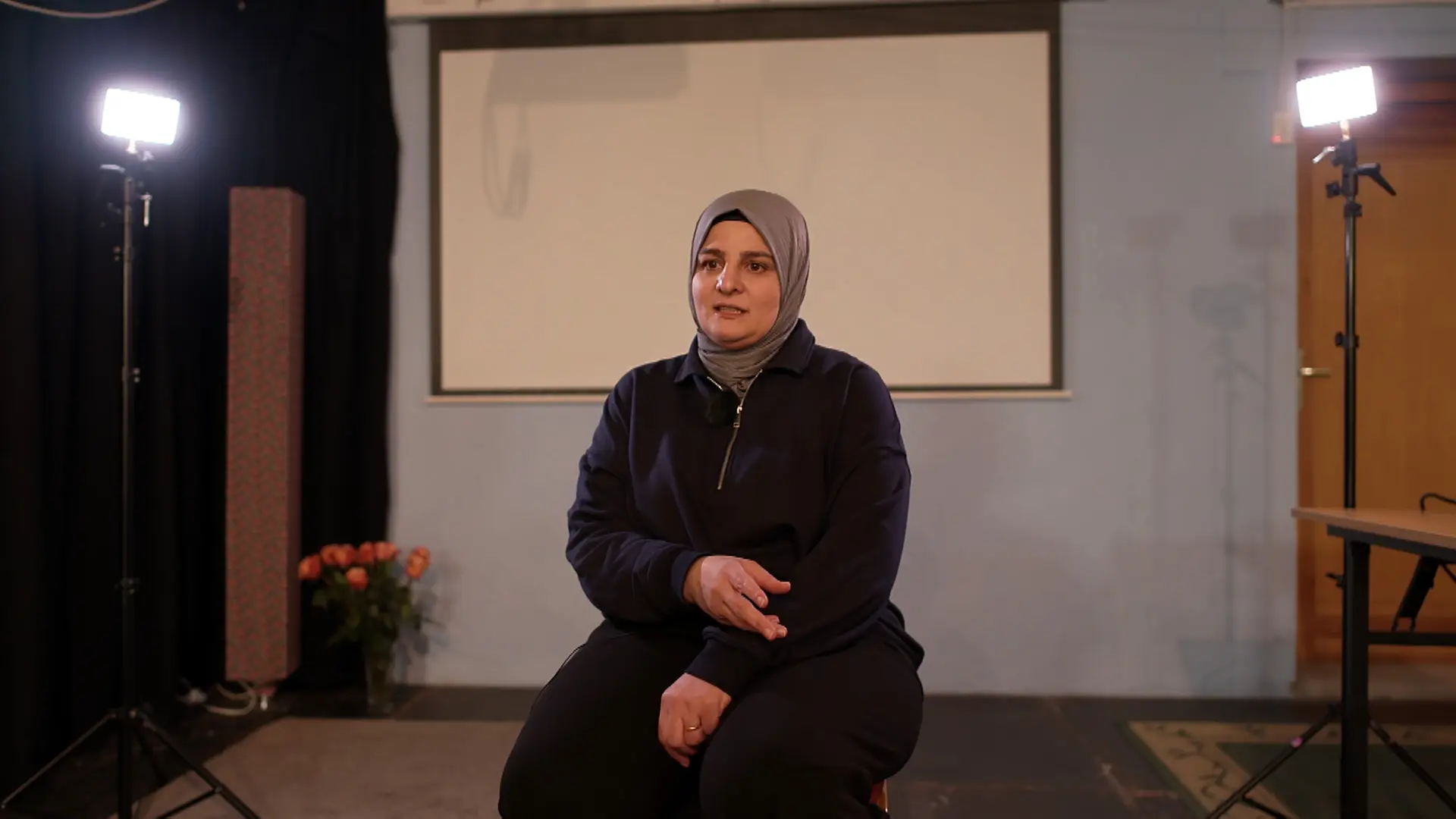
The film’s primary objective is not to provide a political manifesto or a comprehensive sociological study, but to foster empathy through personal storytelling. By focusing on the lives of its protagonists—Leyla, a young woman navigating cultural shifts; Moische, an individual seeking refuge from persecution; and Dr. Singh, a professional attempting to reconcile his past expertise with his present status—the film challenges the audience to confront the human faces behind the terminology of "refugees," "asylum seekers," and "migrants."
Chronology of the Human Journey
The narrative structure of the documentary mirrors the non-linear, often traumatic nature of the migration experience.

Part I: The Departure
The film opens with the catalysts for migration. Through intimate interviews, the subjects recount the moments of decision—the realization that their homes were no longer safe or sustainable. This segment avoids the sensationalism often found in news reporting, focusing instead on the quiet, agonizing choices that precede the act of leaving. It establishes a sense of normalcy in the lives they left behind, countering the narrative that migrants are "others" who share nothing with the host society.
Part II: The Liminal Space
A significant portion of the film is dedicated to the "in-between" stage. Whether it is the journey itself or the prolonged uncertainty of awaiting asylum processing in Germany, this segment highlights the psychological toll of instability. The subjects speak candidly about the loss of identity, the frustration of being unable to work or contribute, and the constant navigation of a new, complex administrative landscape.

Part III: Integration and Resilience
The latter half of the documentary focuses on the efforts of the protagonists to find a foothold in their new surroundings. It showcases the small victories—learning the language, forming community connections, and the pursuit of professional re-qualification. It is here that the film’s title characters truly shine, demonstrating that integration is not a static destination but an ongoing, often difficult process of mutual adaptation.
Supporting Data: The Reality of Migration in Germany
To understand the context in which this film was released, one must look at the broader demographic and social landscape. According to recent data from the Federal Statistical Office of Germany, the integration of migrants into the labor market remains a primary focus of federal and state policy.

- Labor Market Participation: While the path to employment is fraught with challenges—including language barriers and the recognition of foreign qualifications—data suggests that long-term integration rates are steadily increasing.
- Social Cohesion: Surveys conducted by various NGOs and social research institutes in Saxony indicate that direct, personal interaction with refugees and migrants is the most significant factor in reducing prejudice and fostering social cohesion. This, arguably, is the exact mechanism that the film intends to leverage: by "introducing" the viewers to Leyla, Moische, and Dr. Singh, the film acts as a surrogate for real-world interaction.
- Demographic Necessity: With an aging population in Eastern Germany, economists have increasingly pointed to the necessity of immigration to maintain the functionality of the local economy and social security systems. The documentary touches upon the wasted human potential of individuals like Dr. Singh, whose skills are sidelined by bureaucratic friction, highlighting an economic argument that is often lost in the noise of the immigration debate.
Official Responses and Public Discourse
The premiere in Reichenbach has elicited a wide range of responses from local officials, civil society organizations, and the general public.
Local government representatives have largely welcomed the film as a tool for "civic education." In a town where political tensions regarding migration have occasionally flared, the local administration has viewed the screening as an opportunity to bridge divides. One local council member remarked during the post-screening discussion, "We spend so much time talking about people, it is refreshing and necessary to finally hear them speak for themselves."

Conversely, some segments of the public remain skeptical, arguing that the film may present an idealized version of integration that ignores the genuine security and infrastructure challenges facing municipalities. However, the filmmakers maintain that the intention was never to ignore these challenges, but to contextualize them within the framework of human dignity. By providing a platform for voices that are rarely heard in the halls of parliament or the pages of traditional newspapers, the film has effectively shifted the local conversation from one of fear to one of inquiry.
The Societal Implications: Why Empathy Matters
The implications of Leyla, Moische, Dr. Singh und die anderen extend far beyond the cinema walls. In a democracy, the quality of public debate is the bedrock of policy formation. When the public discourse is dominated by abstract "waves" and "floods" of people, the human capacity for empathy is often suppressed.
1. Challenging the "Refugee" Monolith
The film performs a vital service by dismantling the monolith of "the refugee." By highlighting the diverse backgrounds, aspirations, and professional histories of its subjects, it forces the viewer to acknowledge that there is no singular "migrant experience." This nuance is essential for developing effective, human-rights-based integration policies.
2. The Role of Arts in Political Discourse
This documentary serves as a case study for the role of arts and media in healing societal fractures. While policy can dictate the logistics of migration, it cannot dictate the social fabric of a town. That requires empathy, and empathy requires understanding. By providing an intimate look into the lives of newcomers, the film invites the local community to participate in the process of integration on a personal level.

3. A Call to Action for Policy Makers
For policymakers, the film serves as an implicit critique of the current administrative "bottlenecks." When viewers see the frustration of a qualified doctor unable to practice medicine, or a young woman unable to pursue education due to bureaucratic inertia, the political cost of inefficiency becomes clear. It shifts the burden of proof: if we claim to be a society that values work, family, and integration, our systems must reflect those values in practice.
Conclusion: A Mirror to Ourselves
Ultimately, Leyla, Moische, Dr. Singh und die anderen is not just a film about migration; it is a film about the universal human desire for dignity, belonging, and the freedom to build a life. As the documentary travels to other towns and cities across Germany, its impact will likely be measured not by box office receipts, but by the quality of the conversations it sparks in living rooms, cafes, and town halls.

In Reichenbach, the message was clear: the debate on migration is not a math problem to be solved, but a human story that is still being written. By choosing to watch, listen, and empathize, the audience is invited to play a role in that story—not as passive observers, but as active participants in building a more inclusive society. As we look to the future, it is precisely this kind of human-centric storytelling that will remain our most effective tool in navigating the complex, often turbulent waters of global migration.
The stories of Leyla, Moische, and Dr. Singh are now part of the collective narrative of their new home. They remind us that while the journey may have started in a place of pain, the destination is a place where we all, host and newcomer alike, must learn to live together. It is a challenging prospect, but as the film so poignantly illustrates, it is one that begins with the simple, revolutionary act of listening.