In the embattled Ukrainian port city of Cherson, the sound of a buzzing motor has replaced the traditional sirens of war. For 11-year-old Andrij, that sound is no longer a distant warning—it is a personal death sentence. His story, and those of countless others, sheds light on a harrowing new phase of the Russian invasion: the targeted "drone hunting" of civilians.
The Incident: A Narrow Escape from Targeted Violence
The afternoon of August 31 was supposed to be ordinary. In the Tawriyskji district of Cherson—a residential area previously considered one of the safer zones due to its density and relative distance from the immediate front line—11-year-old Andrij was walking through the courtyard of his apartment complex.
"I think the Russians saw me through the drone’s camera," Andrij recalls, his voice carrying the weight of trauma that no child should bear. He describes a terrifying ten-minute ordeal in a stairwell, hiding from the mechanical hum that seemed to track his movements. When he finally emerged, thinking the danger had passed, the FPV (First Person View) drone struck with clinical precision. "My legs buckled beneath me, and all I could see was a fountain of blood," he says.
Andrij’s mother, Yuliia Spitsa, who has been nursing her son back to health, is convinced of the malice behind the attack. "The operator knew who they were targeting. It was a child, and they did not stop," she says, her voice trembling with a mix of grief and rage. The boy survived only because Ukrainian soldiers, who were patrolling the area, happened upon the scene, applied a tourniquet, and rushed him to the hospital. Doctors were able to remove a coin-sized metal shard from his leg, though other fragments remain embedded in his body—too dangerous to remove at this time.
A Chronology of Escalation: From Military Conflict to Urban Hunting
The war in Ukraine, which began in earnest with the full-scale invasion on February 24, 2022, has evolved significantly. While the early months were defined by heavy artillery and ballistic missiles, the latter stages of the conflict in the southern regions have devolved into a grim, localized campaign of attrition.
- November 2022: Ukrainian forces liberate the city of Cherson, sparking hope for residents.
- 2023–2024: As the frontline stabilizes along the Dnipro River, Russian forces establish fixed positions on the left bank, turning the river into a natural barrier and a launchpad for tactical strikes.
- May 2024–December 2024: The frequency of FPV drone attacks on civilians in Cherson spikes, with human rights monitors reporting over 30 deaths and 500 injuries.
- August 2025: The attack on Andrij highlights the increasing reach of these weapons into "safe" residential neighborhoods.
Today, the city of Cherson is a shell of its former self. Before the war, the population stood at nearly 280,000; today, fewer than 60,000 remain. Those who stay live under a constant, psychological siege.

Supporting Data: The "Drone Safari" Phenomenon
The statistics provided by international observers, including Human Rights Watch and the United Nations, paint a chilling picture. In January 2025, reports indicated that small, short-range FPV drones were responsible for 70 percent of all civilian casualties in the Ukrainian-controlled sectors of the Cherson region.
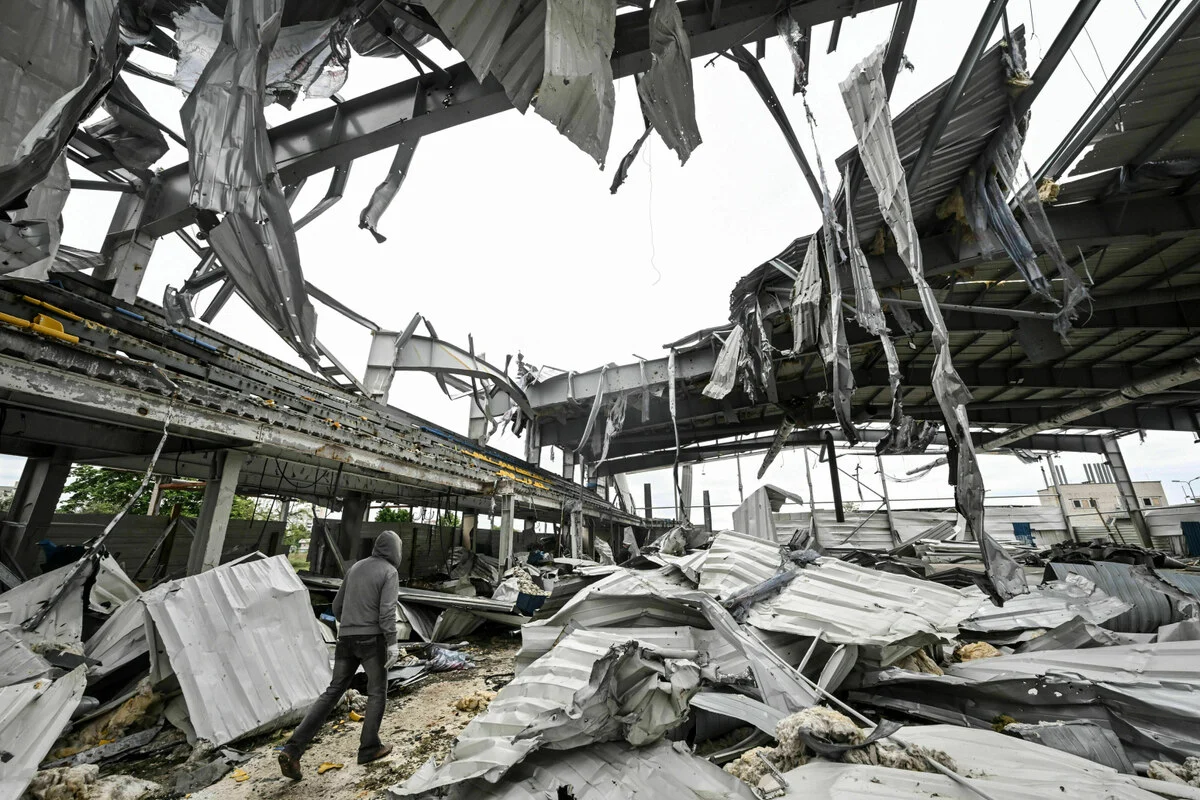
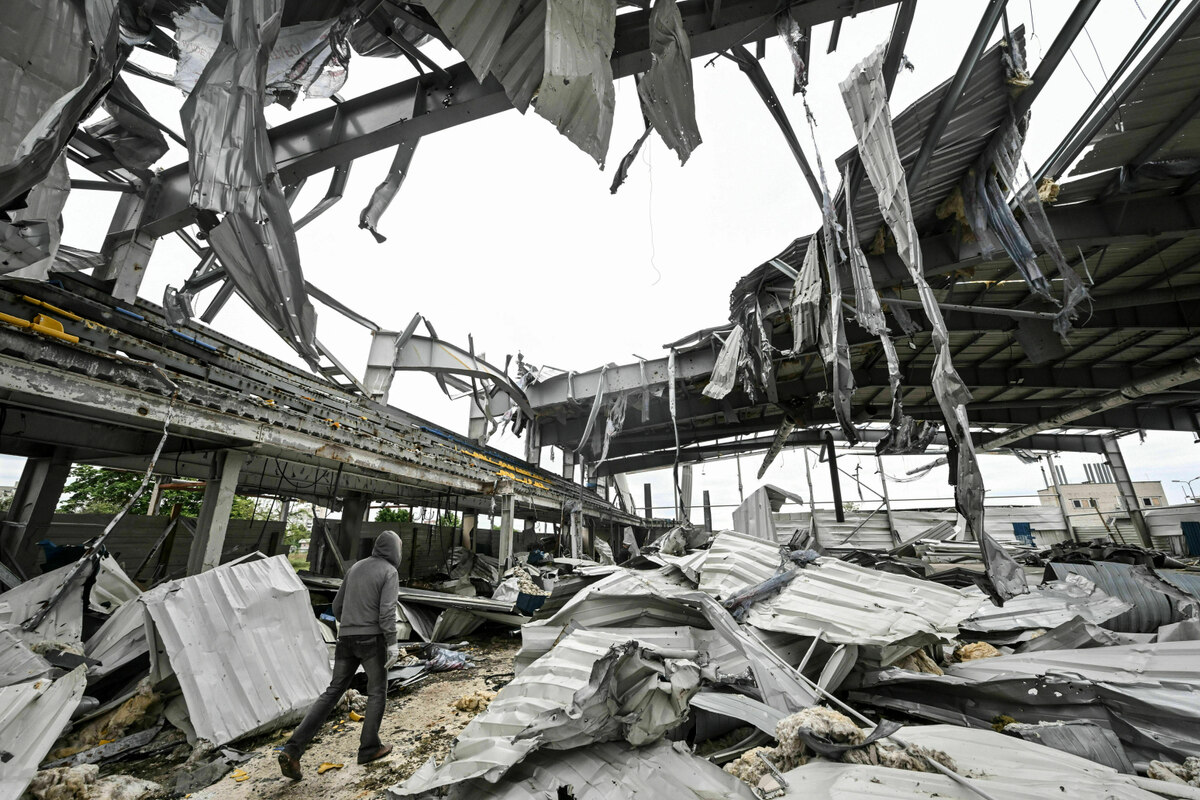
What local officials and residents call "drone safaris" are no longer restricted to the "red zone"—the immediate, visible frontline along the Dnipro. These attacks now penetrate deep into the city, targeting grocery stores, bus stops, and even individuals walking down residential streets. The tactical shift is clear: by turning everyday life into a lethal obstacle course, Russian forces aim to make the city uninhabitable, forcing a total evacuation and ensuring the collapse of civil society in the liberated territory.
Official Perspectives: The Intent Behind the Trigger
Oleksandr Tolokonnikov, the deputy head of the Cherson Regional Military Administration, has been vocal about the nature of these attacks. "Initially, they focused on the riverbank. Now, they are hunting people in districts far from the water," he told reporters. The intent, he argues, is not military gain, but systematic terror.

The perspective from the front lines is equally damning. Oleh, a 35-year-old drone operator for the Ukrainian border guard with the call sign "Santa," explains that the distinction between civilian and combatant is easily visible through high-definition drone optics. "As a pilot, you can see if a person is a combatant or an elderly woman tending to her garden. You can see children," he states. "When they choose to strike, it is not a mistake. It is an execution."
"Santa" notes that the Russian forces, realizing they cannot realistically retake the city through conventional ground maneuvers, have pivoted to a strategy of nihilistic destruction. "They are trying to break what they cannot own," he adds.
The Human Toll: Life Under the Net
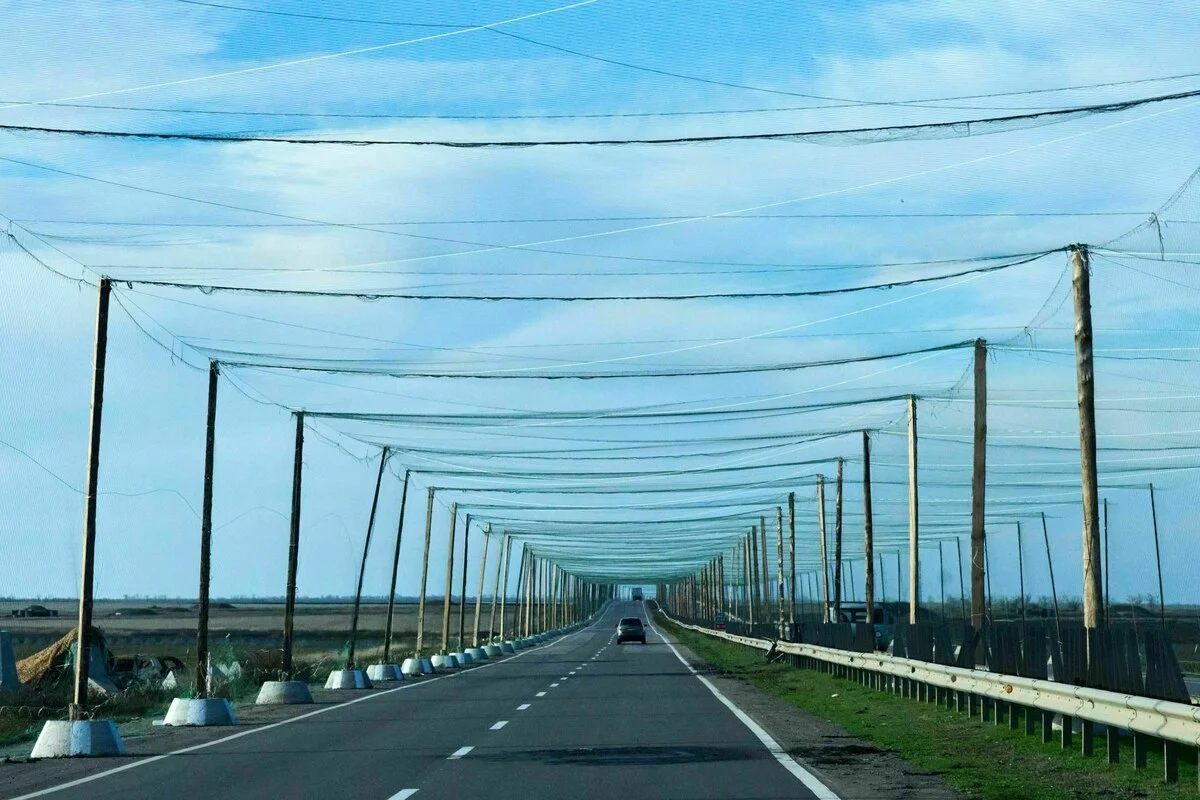
The physical geography of Cherson has been altered to adapt to this threat. The city is now draped in vast, makeshift anti-drone netting. These webs of nylon and steel cover streets, ATMs, and bus stops, creating a subterranean atmosphere in broad daylight.

For a child like Andrij, the war is not a series of headlines; it is a sensory experience. He can identify the specific, high-pitched whine of different Russian munitions by sound alone. His playground is surrounded by anti-aircraft defenses, and his education has been relegated entirely to online platforms, as physical schools have become too dangerous to operate.
His mother, Yuliia, remains caught in a cycle of trauma. Even though Andrij is learning to walk again and has shown a resilient desire to return to his bicycle, the psychological damage is profound. "He is afraid to go outside," she says. "He knows the sky is not a source of light, but a source of danger."
Implications: The Future of Urban Warfare
The situation in Cherson represents a terrifying precedent for future urban conflicts. The democratization of precision-strike technology—where a relatively cheap, off-the-shelf drone can be turned into a precision-guided weapon of terror—has fundamentally changed the nature of civilian vulnerability.

International law remains clear: the targeting of civilians is a war crime. However, the decentralized nature of these "drone hunts" makes attribution and accountability incredibly difficult. When a drone operator sits miles away behind a screen, the distance between the trigger and the victim is not just physical, but moral.
As the conflict continues, the residents of Cherson remain in a state of suspended animation. They are waiting for a peace that feels increasingly distant, living in a city that is being slowly dismantled, one strike at a time. The story of Andrij is not just a tale of one boy’s survival; it is a testament to the resilience of a population that refuses to abandon their home, even when the home itself has become a hunting ground.
The international community faces a growing challenge: as these technologies proliferate, the need for robust, real-time monitoring and the condemnation of such tactics becomes urgent. Without intervention or a change in the battlefield dynamic, the "drone safari" in Cherson risks becoming the new, horrific norm for civilians trapped in the crosshairs of modern, digitized warfare.