As the European Union heads toward a critical summit in Brussels, the mood among member states is increasingly somber. The continent, which has spent the last two years desperately decoupling from Russian fossil fuels, now finds itself caught in a pincer movement of geopolitical instability and dwindling resources. With gas storage levels hitting record lows for this time of year and global energy markets in a state of flux, the EU is bracing for a winter that promises to be both expensive and strategically perilous.
While officials are quick to insist that the situation has not yet reached the desperate levels seen at the onset of the 2022 energy crisis, the warning signs are unmistakable. From the halls of the European Commission to the boardrooms of national energy providers, the consensus is clear: the era of cheap energy is a distant memory, and the current volatility poses a significant threat to the fragile economic recovery of the eurozone.
The Gathering Storm: An Overview of the Crisis
The fundamental challenge facing Europe is twofold. On the one hand, the supply chain for natural gas—the backbone of Europe’s power generation and heating—is constrained by ongoing geopolitical tensions, most notably the instability surrounding the Strait of Hormuz. This critical maritime choke point, vital for the transit of oil and gas, remains a flashpoint that keeps global prices high and market confidence low.
On the other hand, the internal mechanics of the European energy market are under immense strain. EU-wide gas storage facilities, which act as a vital buffer during the cold winter months, are significantly less full than at any previous point in recent memory. As of the latest reports from gas network operators, storage levels across the EU hover at just 72%, with Germany, the bloc’s largest industrial economy, trailing even further behind at 59%. These figures fall well short of the 90% threshold mandated by the European Commission, casting a long shadow over the coming heating season.
A Chronology of Escalation: From Stability to Scarcity
To understand the gravity of the current situation, one must look at the trajectory of the last several months. The crisis did not emerge overnight; it is the result of a compounding series of systemic pressures.
- February 2025: Market prices began their aggressive ascent, with gas prices jumping 140% since the end of the month. The ripple effects were immediate, impacting industrial output and consumer purchasing power.
- March–August 2025: Persistent geopolitical conflicts in the Middle East exacerbated concerns over maritime energy routes, leading to a spike in crude oil prices. In response, U.S. President Donald Trump, acting in concert with European allies, successfully pushed for the release of national diesel reserves to dampen immediate supply shocks.
- September 2025: The official start of the heating season revealed the extent of the storage deficit. Despite efforts to accelerate imports, the high cost of gas on the global market—coupled with the economic impact of the ongoing conflict in the Middle East—made the replenishment of stocks prohibitively expensive for many energy firms.
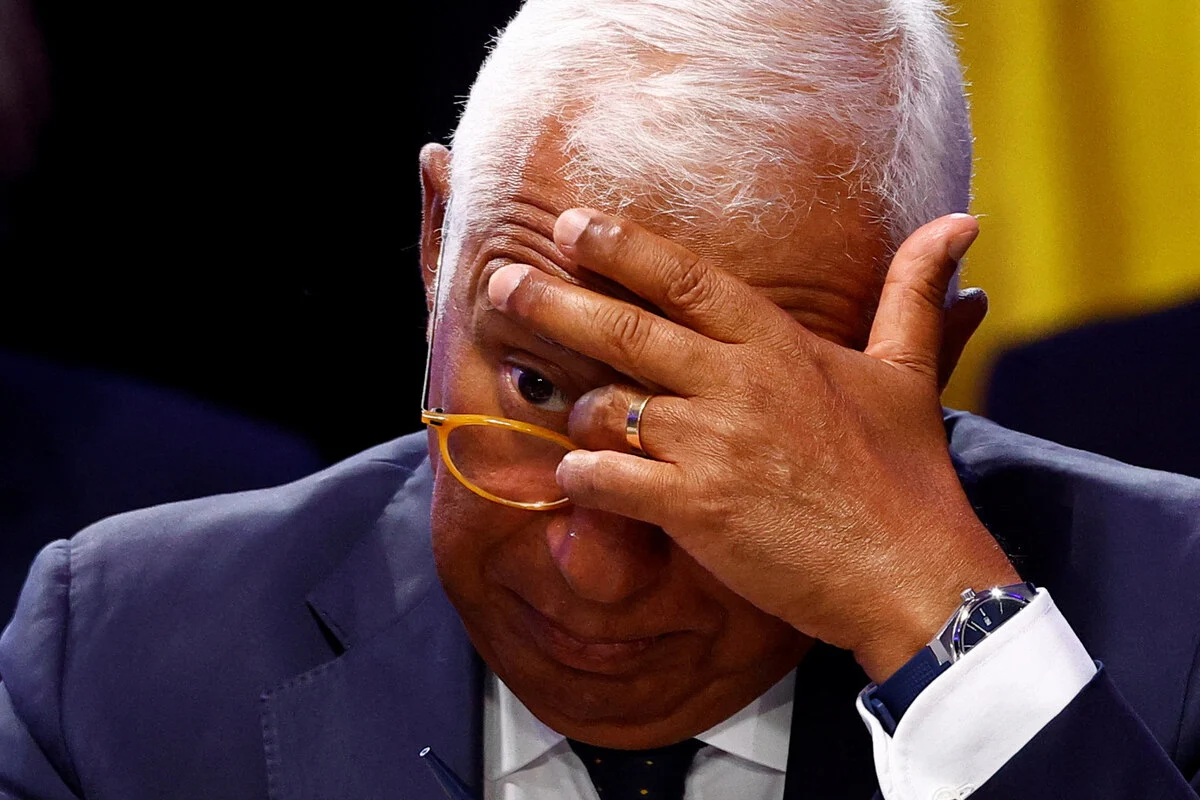
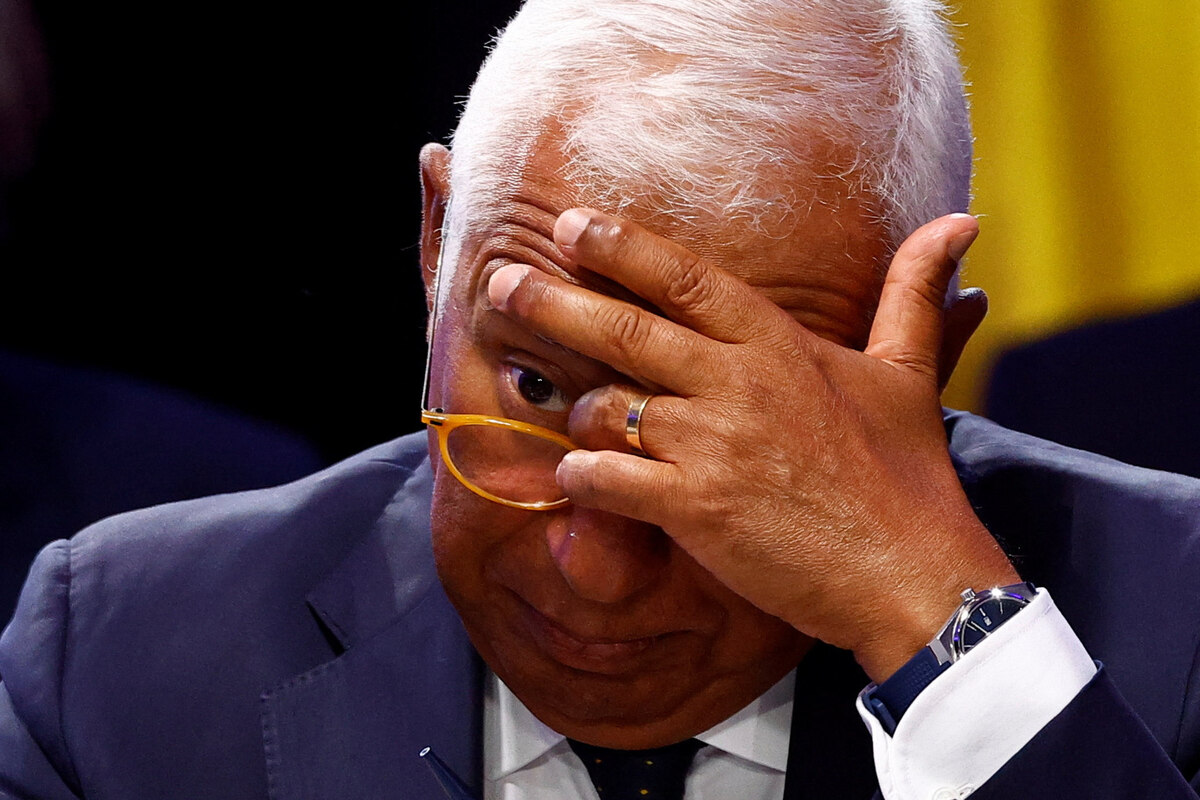
- October 2025: As the EU summit approaches, the rhetoric from Brussels has shifted from long-term sustainability to short-term crisis management. EU Council President António Costa has placed energy security at the center of the agenda, signaling that the upcoming deliberations will be both heated and urgent.
Supporting Data: The Anatomy of a Shortfall
The numbers behind the crisis tell a story of systemic vulnerability. According to data from the Institute for Energy Economics and Financial Analysis (IEEFA), the European Union currently faces an annual shortfall of approximately 14 billion cubic meters of natural gas. This represents roughly 7% of the bloc’s total annual demand.
The IEEFA report paints a particularly grim picture for households, suggesting that if market conditions do not improve, up to 12 million homes could face a severe energy supply crunch. This potential deficit is not merely a matter of comfort; it is a macroeconomic threat. The European Commission has estimated that the excess cost for importing fossil fuels during this period of high prices has already reached an eye-watering 100 billion euros.
Furthermore, the strategy to rely on Liquefied Natural Gas (LNG) as a replacement for pipeline gas has introduced a new layer of price sensitivity. The EU is currently competing with Asian markets for every available tanker of LNG. Because of the "fracking" nature of much of the U.S. supply, the environmental cost is high, and the financial cost is even higher, leading to accusations that Europe is trading one dependency for another.

Official Responses and Policy Shifts
The response from Brussels has been a mix of austerity and pragmatic policy dilution. European Commission President Ursula von der Leyen has been vocal about the need to protect the European economy, even if it means compromising on long-term environmental goals.
In a controversial move, the Commission has proposed softening the EU’s strict methane regulations for oil, gas, and coal imports, effectively delaying their implementation by one year. Von der Leyen defended this move as a necessary step to save "additional costs in a time of crisis." This proposal has been met with mixed reactions; while countries like Italy and the Czech Republic have lobbied for even longer "grace periods," environmental advocates argue that such concessions undermine the EU’s credibility in the fight against climate change.
Meanwhile, national leaders are taking matters into their own hands. French President Emmanuel Macron has called for immediate, coordinated action, warning that the "wait-and-see" approach is no longer viable. In Germany, Chancellor Friedrich Merz is expected to face intense pressure at the upcoming summit to justify the country’s current energy strategy, which has seen storage levels drop to dangerously low levels.
Implications: A Continent at a Crossroads
The implications of this energy crisis extend far beyond the immediate winter months. The structural problems—high prices, supply dependency, and inadequate storage—are threatening to dampen long-term economic growth. If businesses are forced to pass on the rising costs of energy to consumers, the result could be a prolonged period of inflation, stifling the modest growth the eurozone has managed to achieve.

Moreover, the political fallout could be significant. As energy prices rise, so too does the appeal of populist rhetoric. The perception that the EU is struggling to manage the basic necessities of its citizens—such as keeping the lights on and homes warm—risks eroding public support for the bloc’s broader integrationist policies.
There is also the question of the 2027 ban on Russian LNG imports. As the current crisis deepens, voices within the EU are questioning whether the bloc can afford to adhere to this timeline. Currently, the EU has actually increased its intake of Russian LNG, a reality that highlights the profound gap between political ambition and energy reality. If the EU decides to fully decouple from Russian LNG, it will need to source an additional 7 billion cubic meters of gas elsewhere, further straining a market that is already at its breaking point.
Conclusion: The Path Forward
The upcoming EU summit in Brussels will be a litmus test for European solidarity. Can the member states agree on a unified strategy to stabilize prices without further fracturing their internal market? Will the focus remain on temporary, targeted measures, or will there be a move toward a more radical restructuring of the European energy sector?
As temperatures drop across the continent, the window for effective action is closing. The infrastructure, bolstered by the construction of new LNG terminals, remains "sufficiently flexible" to avoid a total collapse, according to the network operator Entsog. Yet, flexibility is not a substitute for supply. As Europe navigates this volatile winter, it is clear that the path to energy security will require not only technological innovation but a renewed commitment to the political cooperation that founded the European project.

For now, the citizens of Europe wait, watching the thermostats and the markets, as their leaders prepare for the high-stakes negotiations that will define the continent’s economic and social landscape for the year to come. The crisis is not just about gas; it is about the resilience of the European model in an increasingly unpredictable world.