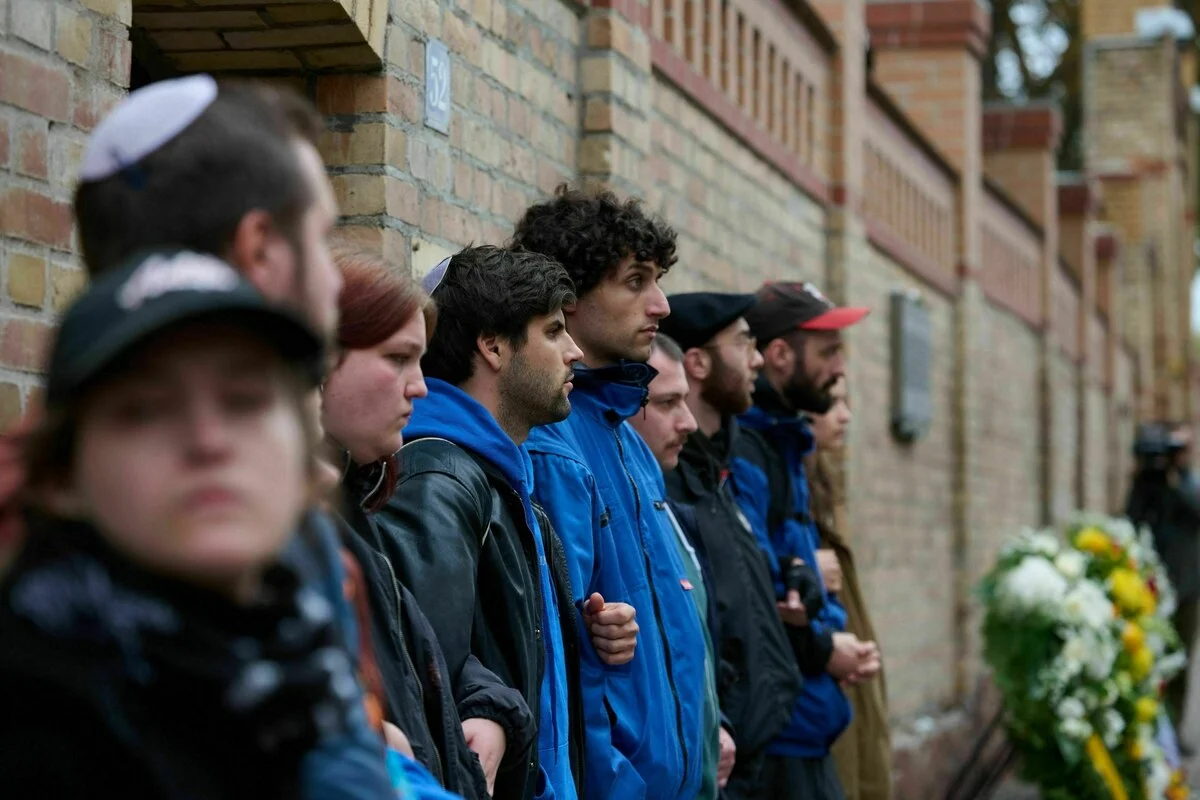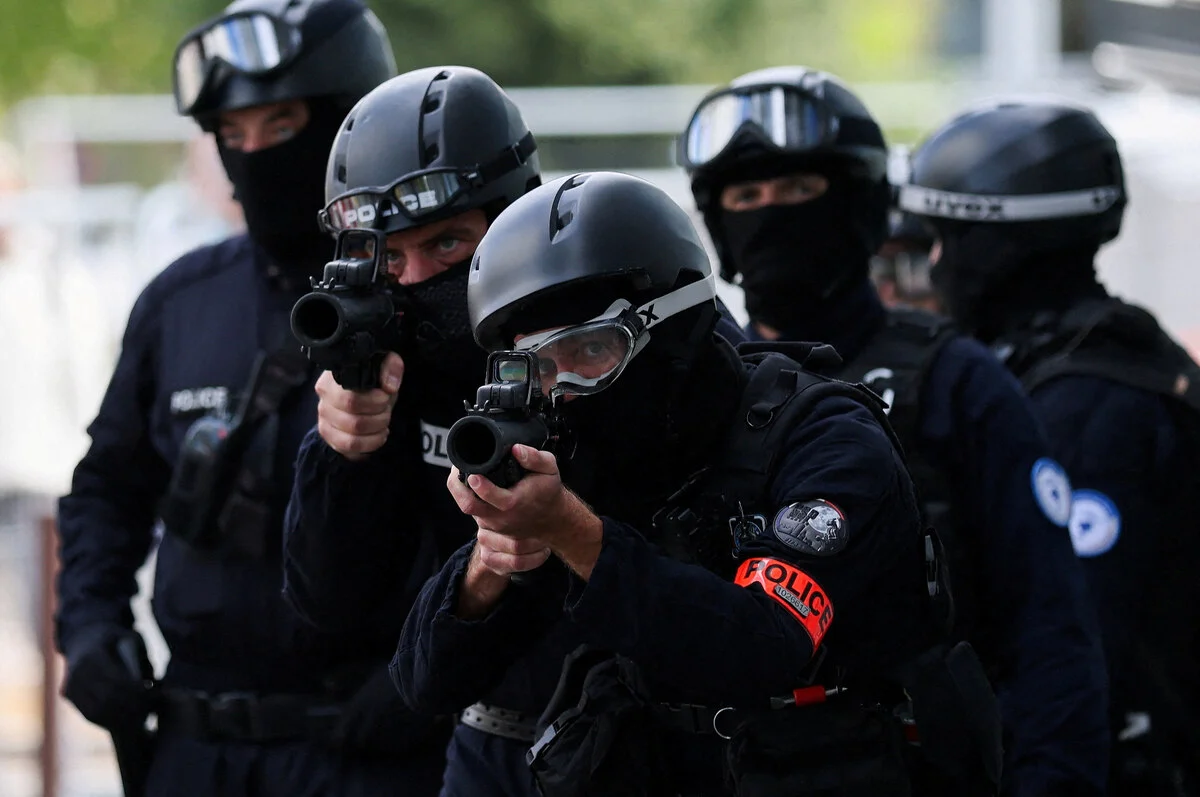
The streets of France have become a theater of confrontation. As students and teenagers take to the public square to voice their discontent with education policy and broader social malaise, they are increasingly met not by dialogue, but by the heavy machinery of the state. Recent footage from student protests—showing armored vehicles charging through parks, police using tear gas grenades in the middle of school demonstrations, and officers aiming rubber bullet launchers directly at minors—has sparked a national and international outcry.
But this is not merely a momentary lapse in discipline. According to experts like Sebastian Roché, a sociologist at the French National Centre for Scientific Research (CNRS), these scenes are the logical, albeit tragic, result of a systemic approach to policing that favors "controlled escalation" over de-escalation.
The Structural Anatomy of French Policing
To understand the violence occurring at student protests, one must first understand the disparate nature of the French police force. Unlike many European counterparts, the French system is fractured into various units with vastly different mandates and training backgrounds.
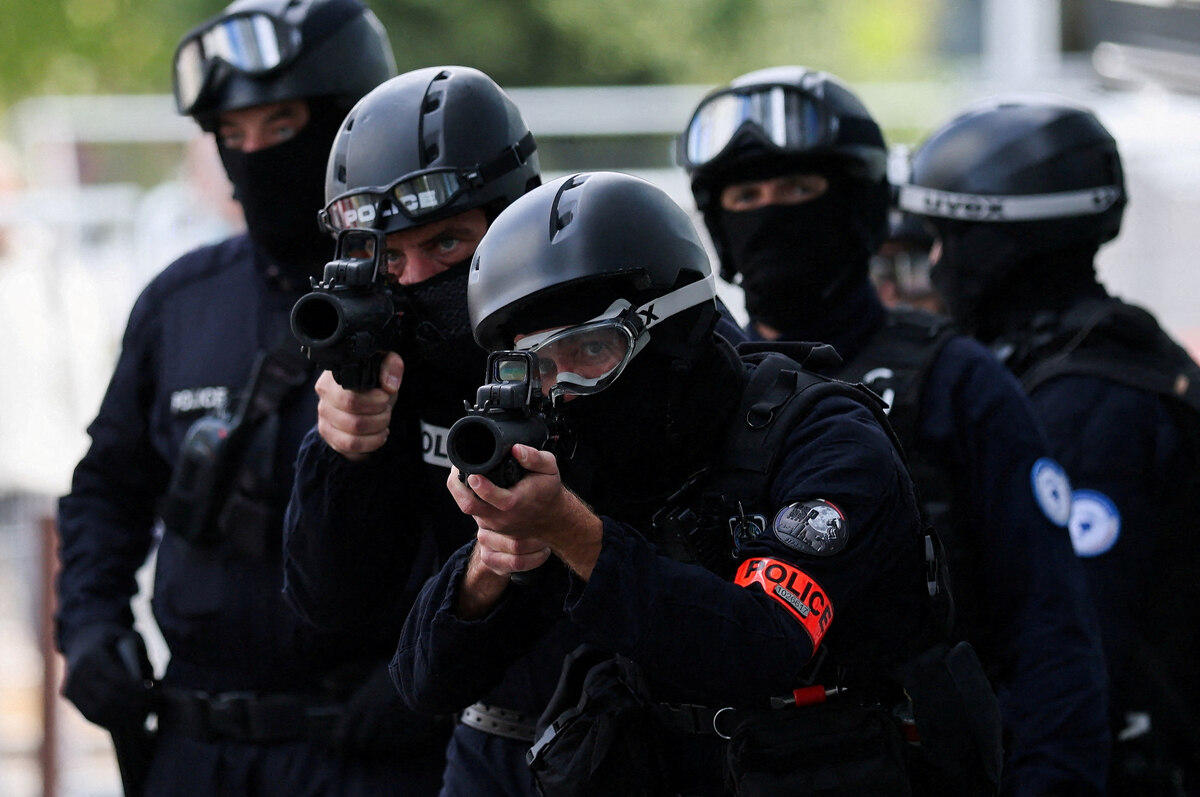
At the core of the current crisis are units not specifically trained for crowd control. "In France, there are different units within the police that are trained differently," explains Roché. "You have the peacekeeping forces, the riot police, and the standard police. The standard police are not trained in public order; they are trained in fighting crime."
These units, often referred to as "Anti-Crime Brigades" (Brigades Anti-Criminalité), are effectively intervention forces designed for high-stakes urban warfare against criminal networks. When these units are redeployed to manage political protests or school demonstrations, they bring the tools and mentalities of the crime beat to a civilian political context. They act according to standards that are fundamentally disconnected from the realities of protest management, resulting in a dangerous mismatch between the situation and the force applied.
Chronology of a Hardening State
The shift toward aggressive tactics did not happen overnight. While the current administration under President Emmanuel Macron has been characterized by a strict "order at all costs" mantra, the roots of this militarized policing strategy run deeper.

- 2016: Early signs of a shift toward more aggressive, confrontational policing tactics emerge, predating the current presidency.
- 2018–2019: The "Yellow Vest" (Gilets Jaunes) movement serves as a watershed moment. Faced with sustained civil unrest, the government doubled down on repressive tactics, setting a new baseline for what is considered "acceptable" force during demonstrations.
- 2022–2024: The normalization of heavy-handed tactics continues, with the government’s focus shifting toward rapid, visible arrests as "political trophies" to project strength to the electorate.
- Current Day: The state of alarm has reached a new threshold as these tactics—formerly reserved for high-intensity rioting or terror threats—are now being directed at minors and high school students.
Supporting Data: The Cost of "Non-Lethal" Munitions
The French reliance on "non-lethal" weapons—specifically rubber bullet launchers (LBDs) and explosive grenades—is a point of severe contention. These weapons were originally introduced in 1995 for counter-terrorism purposes. Today, they are standard equipment for controlling crowds, with devastating consequences.
The human toll is documented and alarming. Since the year 2000, there have been at least 120 cases of severe mutilation caused by police weapons in France. In the last ten days alone, the intensity of these confrontations has resulted in multiple life-altering injuries: a student in Lens suffered the loss of a hand after a grenade explosion, and another in Tours lost an eye to a projectile. These statistics place France in a grim position at the top of the European hierarchy for injuries sustained through police violence.
The Philosophy of "Controlled Escalation"
The central divide between the French approach and that of neighboring countries like Germany lies in the training philosophy. In Germany, the doctrine of de-escalation is the cornerstone of police education. In France, that concept is virtually non-existent.

"In France, they speak of ‘controlled escalation,’" says Roché. "This means that the police must always possess more weapons and more striking power than their opponent to maintain control. Furthermore, the training in France is limited to twelve months due to financial constraints, whereas in Germany, it is significantly longer and more comprehensive."
This leaves the French state with a police force that is not only poorly prepared for complex social mediation but also ideologically primed to respond to any challenge with superior force. When the goal is to win the encounter rather than resolve the underlying tension, violence becomes the only available tool in the kit.
Official Responses and Political Zwickmühle
The government finds itself in a precarious political position. On one hand, there have been minor signals of de-escalation: the government recently prohibited the use of specific, highly destructive grenades against students, and President Macron has publicly acknowledged that the authorities lacked "empathy" in their handling of the youth movement.

However, these gestures are heavily constrained by the immense power of the police unions. These unions are highly influential and have vehemently resisted any attempts to restrict their operational latitude. They have threatened to walk off the job if their weapons are restricted, creating a "Zwickmühle"—a classic dilemma for the executive branch. The government cannot afford to lose the support of the police, especially in a climate of persistent civil unrest, but the reliance on these tactics is increasingly damaging the democratic legitimacy of the state.
Broader Implications: A Nation Unfinished
The crisis in the streets is a symptom of a deeper malaise. As discussed in Sebastian Roché’s book, La nation inachevée (The Unfinished Nation), the relationship between the youth, the education system, and the police has become dangerously frayed.
The implications are profound. When a government treats its own students as a criminal threat, it signals a failure of the social contract. The focus on "political trophies"—using arrests to showcase strength for the evening news—undermines the very purpose of a democratic police force, which is to serve and protect, not to dominate.

As the protests continue and the government struggles to find a path forward, the question remains: Can France reform its security apparatus, or is it trapped in a cycle of escalation that will only drive the wedge between the state and its citizens deeper? For now, the images of police targeting minors serve as a grim reminder that in the absence of dialogue, the state often resorts to the only language it has been trained to speak: force.