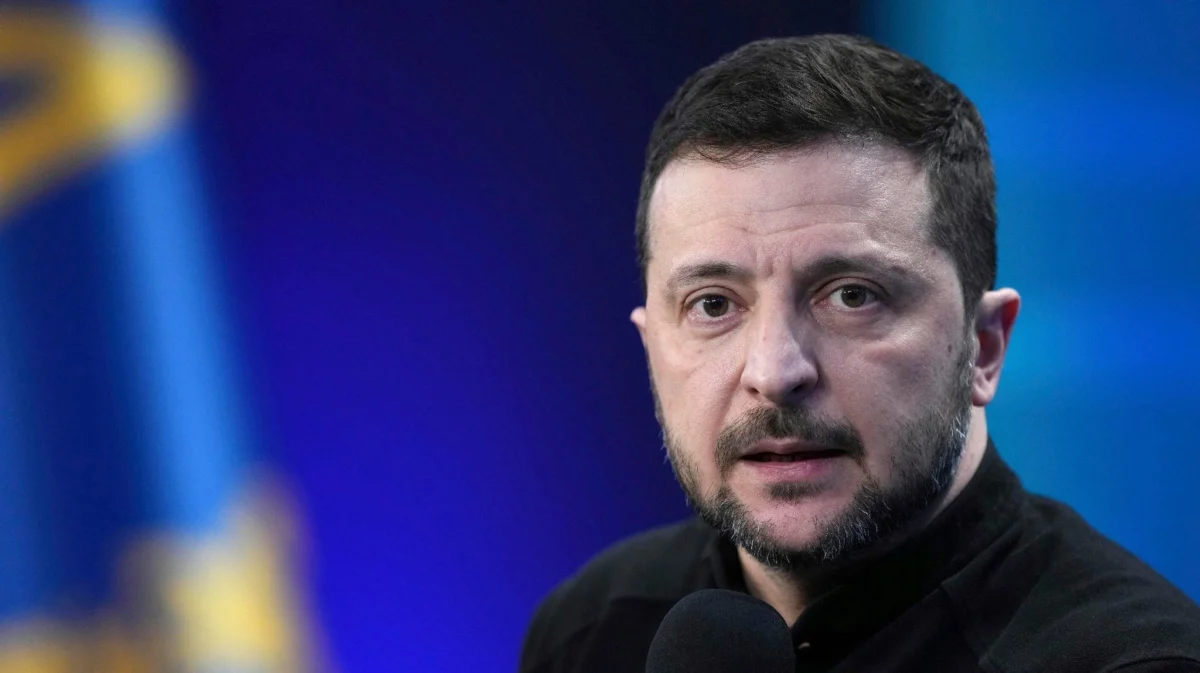
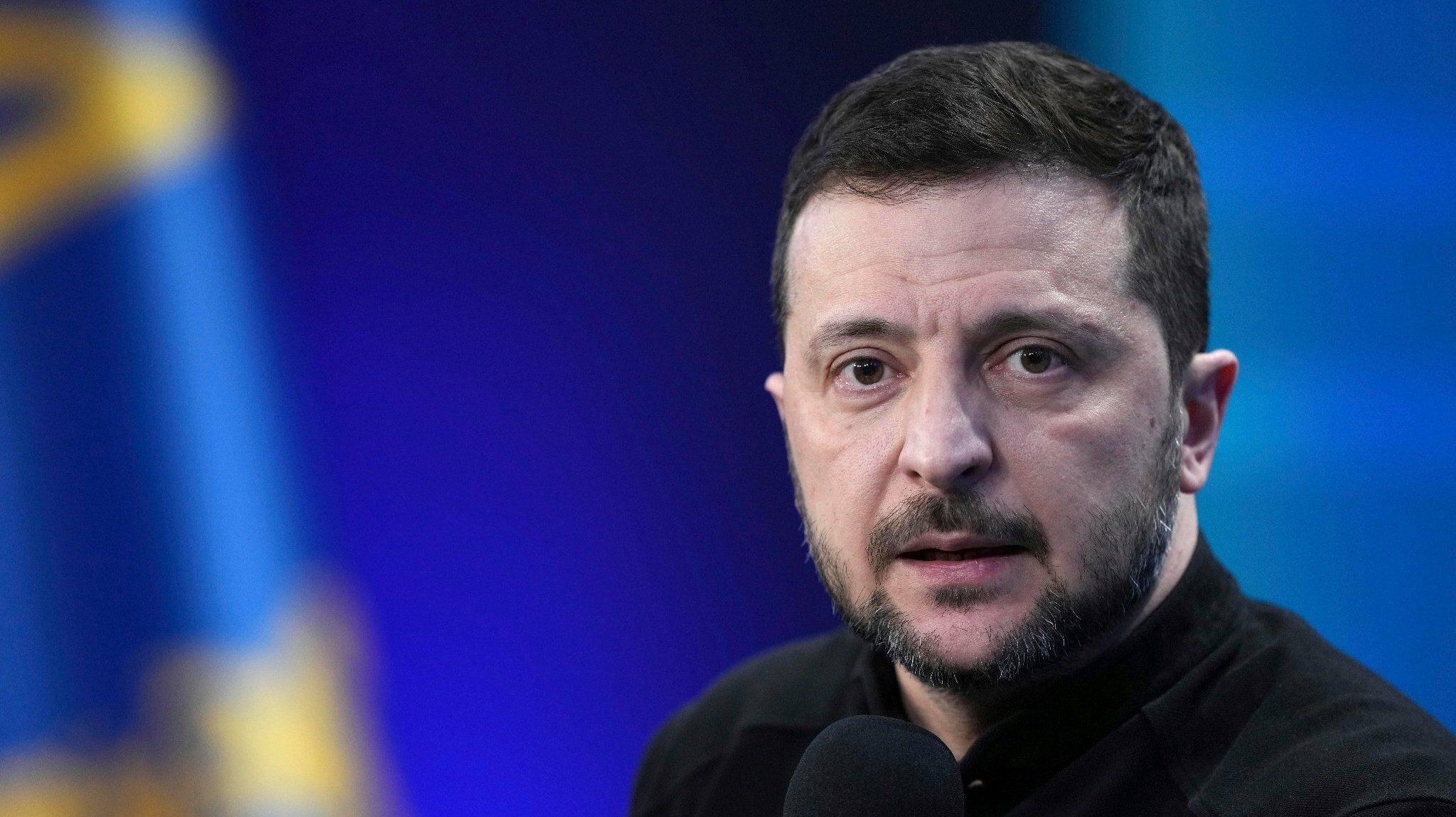
Kyiv, Ukraine – June 21, 2026 – Ukrainian President Volodymyr Zelensky has issued a grave warning to his nation, anticipating a new wave of "massive Russian attacks" in the immediate future. The dire prediction comes as Ukraine continues to grapple with a relentless barrage of strikes, including a deadly glide bomb assault on Kharkiv, the 20th disruption of external power to the Zaporizhzhia Nuclear Power Plant, and escalating diplomatic tensions with Poland and within the European Union regarding engagement with Moscow.
The grim forecast from President Zelensky underscores the persistent brutality of the conflict, now in its fifth year. His call for heightened vigilance follows recent attacks on cities like Dnipro and Zaporizhzhia, signaling a renewed push by Russian forces. Simultaneously, Ukraine is intensifying its own efforts to disrupt Russian logistics in occupied territories, while navigating complex geopolitical dynamics as its allies debate the path to peace and their own roles in the protracted war.
Main Developments
The latest reports paint a picture of continued intense fighting and complex diplomatic maneuvering. President Zelensky’s stern warning of impending large-scale Russian attacks has sent ripples of apprehension across Ukraine, with citizens urged to exercise extreme caution. This comes on the heels of several critical incidents:
- Kharkiv Endures Deadly Attack: The eastern Ukrainian city of Kharkiv suffered a devastating Russian glide bomb attack, resulting in at least one fatality and nine injuries, including four children. Over 40 private residential buildings were damaged, highlighting the indiscriminate nature of the assault on civilian infrastructure.
- Zaporizhzhia Nuclear Plant’s Perilous State: The International Atomic Energy Agency (IAEA) reported that the Zaporizhzhia Nuclear Power Plant (ZNPP) has once again lost its external power supply, marking the 20th such incident since the full-scale invasion began. Emergency diesel generators were activated to maintain crucial cooling and safety functions, raising persistent international concerns about nuclear safety.
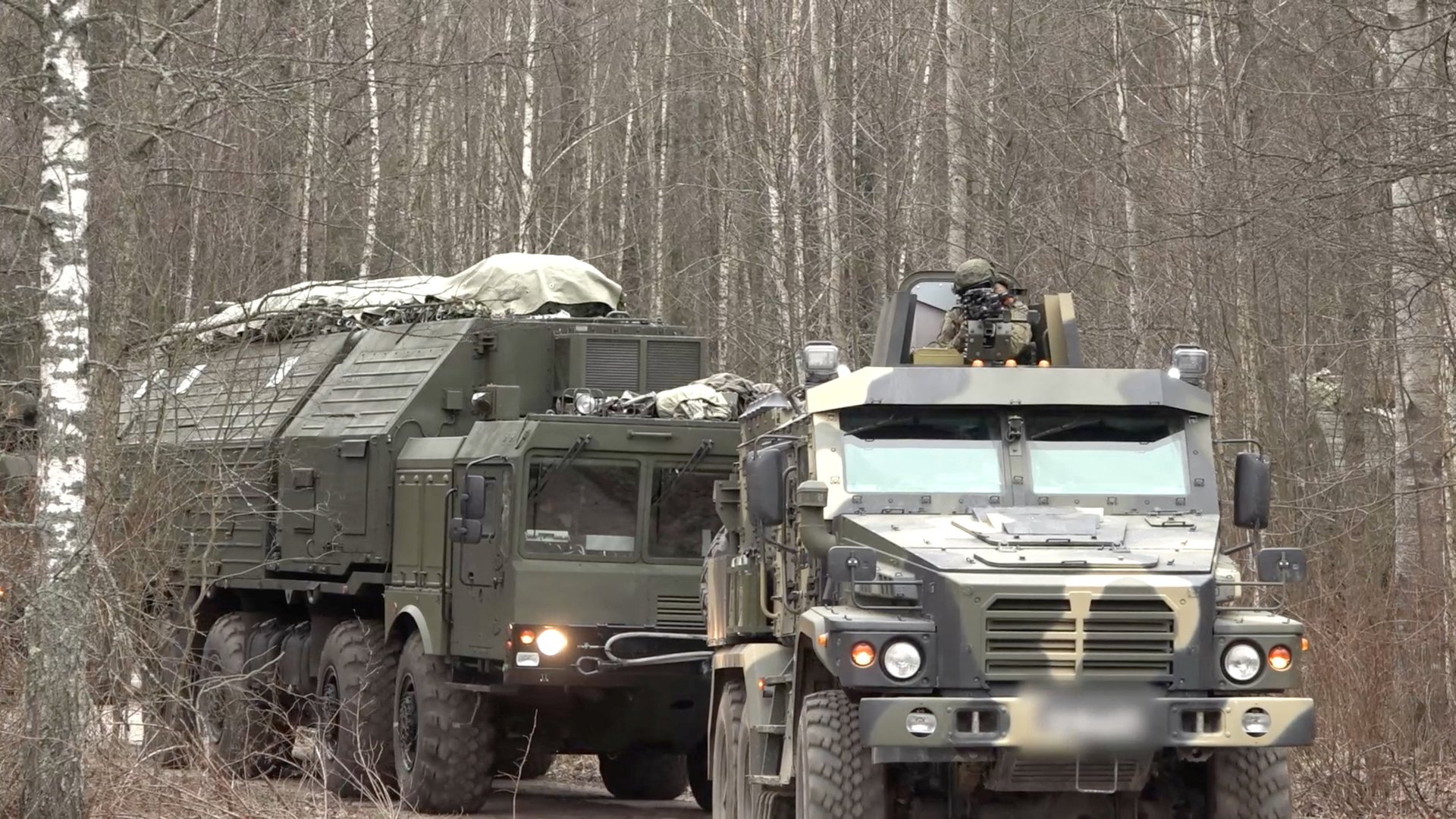
- Zelensky’s Ultimatum to Belarus: In a significant escalation of rhetoric, President Zelensky demanded that Belarusian leader Alexander Lukashenko withdraw all Russian military equipment from his country within one week, specifically citing signal relay stations used by Russian forces to direct attacks on Ukrainian civilians. Failure to comply, Zelensky warned, would prompt unspecified "military steps" from Ukraine.
- Diplomatic Rifts and EU Debates: A deepening historical dispute with Poland saw President Zelensky return Poland’s highest award, the Order of the White Eagle, after Polish President Karol Nawrocki rescinded it. This act was in protest of Zelensky’s decision to name a Ukrainian military unit after the controversial Ukrainian Insurgent Army (UPA). Concurrently, the EU found itself in a "heated debate" over EU Council President Antonio Costa’s unauthorized "short contacts" with Moscow, with member states questioning the mandate for such overtures.
- Ukrainian Counter-Offensive Targets Russian Logistics: Ukraine demonstrated its resolve by attacking railway bridges in Russian-occupied Crimea, specifically in the areas of Rozdolne and Vladyslavivka, which are vital for Russian military supply lines.
- Russia Claims Repelled Drone Attack, Moscow Region Casualties: Russian authorities reported repelling a drone attack on an oil refinery in the West Siberian region of Tyumen, located over 2,500 kilometers from the Ukrainian border. This incident follows a deadly Ukrainian drone attack on the Moscow region earlier in the week, which tragically killed an eight-year-old girl and injured 16 others in Zhukovsky, damaging 18 apartment blocks. Ukraine stated this was a response to a prior Russian attack that killed ten nationwide and damaged a revered monastery in Kyiv.
These developments collectively underscore the volatile and multifaceted nature of the conflict, encompassing military engagements, humanitarian crises, nuclear safety concerns, and complex diplomatic challenges.
Chronology of Events: A Day of Warnings, Attacks, and Diplomatic Discord (June 20-21, 2026)
The past 24-48 hours have been marked by a series of critical events, highlighting the ongoing intensity of the Ukraine conflict on multiple fronts.
Early June 20, 2026:
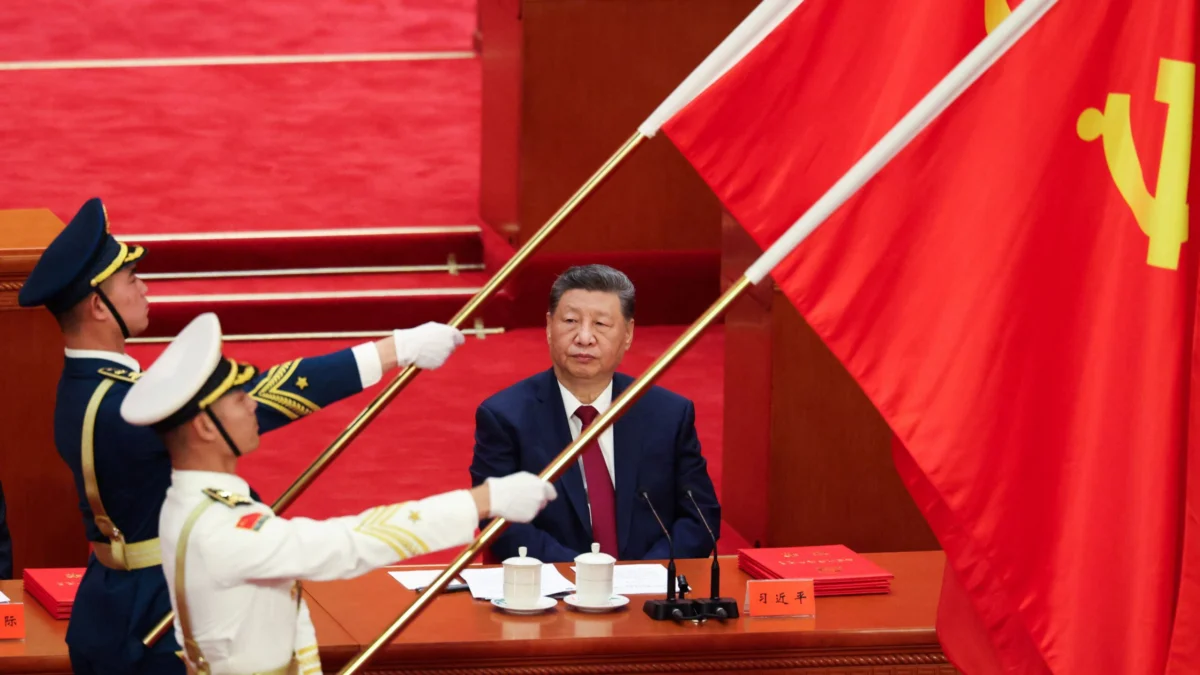
The intricate web of diplomatic discussions surrounding the conflict began to fray as the EU-Gipfel streitet über Costas Gesprächskanäle mit Moskau (EU Summit disputes Costa’s contacts with Moscow). Reports emerged from Reuters indicating a "heated debate" among EU heads of state and government regarding EU Council President Antonio Costa’s "short contacts on a diplomatic level" with the Kremlin. Diplomats from several major EU countries criticized Costa for acting "unprofessionally" and without a clear mandate from member states, despite his office insisting he acted within his purview, preparing for potential negotiations.

Mid-June 20, 2026:
In the wake of these revelations, EU-Regierungen warnen vor zu schnellen Kontakten mit Moskau (EU governments warn against too rapid contacts with Moscow). Latvian Prime Minister Andris Kulbergs and Lithuanian President Gitanas Nauseda cautioned against premature diplomatic engagement, emphasizing the need for genuine signals of peace from Russia. Conversely, Austrian Chancellor Christian Stocker urged the EU to leverage the "dynamics" around peace talks to push for renewed negotiations with Vladimir Putin.
Amidst this internal EU friction, Bulgarien legt Veto gegen Russland-Sanktionen der EU ein (Bulgaria lays veto against EU Russia sanctions). Prime Minister Rumen Radev announced Bulgaria’s intention to veto the latest EU sanctions package, citing potential negative impacts on the Bulgarian economy, particularly concerning the operations of the Russian oil company Lukoil, which runs the country’s sole refinery. This move threatened to undermine the united front of EU sanctions, though later in the day, the EU proceeded with a broader decision.
Late June 20, 2026:
The EU, despite internal disagreements, demonstrated resolve on some fronts. EU verlängert Russland-Sanktionen erstmals um zwölf Monate (EU extends Russia sanctions for the first time by twelve months). This decision, made at the Brussels summit, marked a significant shift from the usual six-month extensions, signaling a longer-term commitment to economic pressure on Moscow. Concurrently, EU beansprucht künftig "Schlüsselrolle" bei Ukraine-Lösung (EU claims "key role" in Ukraine solution), asserting its readiness to defend its interests in future diplomatic efforts to end Russia’s aggression.
Also late June 20, 2026 (or early hours of June 21):
Military and humanitarian impacts continued to unfold. Mehrere Verletzte nach russischem Bombardement in Charkiw (Multiple injured after Russian bombardment in Kharkiv) reported at least nine people, including four children, injured in a severe Russian air attack using glide bombs. Over 40 private homes were damaged in what has become a frequent target city.
In the diplomatic sphere, a significant historical dispute erupted as Selenskyj schickt höchsten polnischen Orden zurück (Zelensky sends back highest Polish Order). President Zelensky returned the Order of the White Eagle, Poland’s highest distinction, which he had received in 2023. This action followed Polish President Karol Nawrocki’s decision to withdraw the award, citing Zelensky’s naming of a military unit after the Ukrainian Insurgent Army (UPA), a group responsible for massacres of Poles during WWII. Zelensky stated that his people believed the award was meant for "the Ukrainian people and our army."
The fallout from this decision quickly escalated, with Streit um Geschichte – Selenskyjs Stabschef gibt polnischen Orden zurück (Dispute over history – Zelensky’s Chief of Staff returns Polish order). Kyrylo Budanov, Zelensky’s Chief of Staff, announced he was returning his Golden Officer’s Cross of the Order of Merit of the Republic of Poland in protest, calling Nawrocki’s action a "gift to Russia."
Amidst these developments, Polen fordert Platz am Verhandlungstisch zur Ukraine (Poland demands a seat at the negotiation table on Ukraine). Polish Foreign Minister Radosław Sikorski publicly criticized Germany, France, and Great Britain for their leading roles in Ukraine-related discussions, arguing that Poland, as a frontline state bearing significant risks, deserved a seat at any future negotiation table.
Early Morning, June 21, 2026:
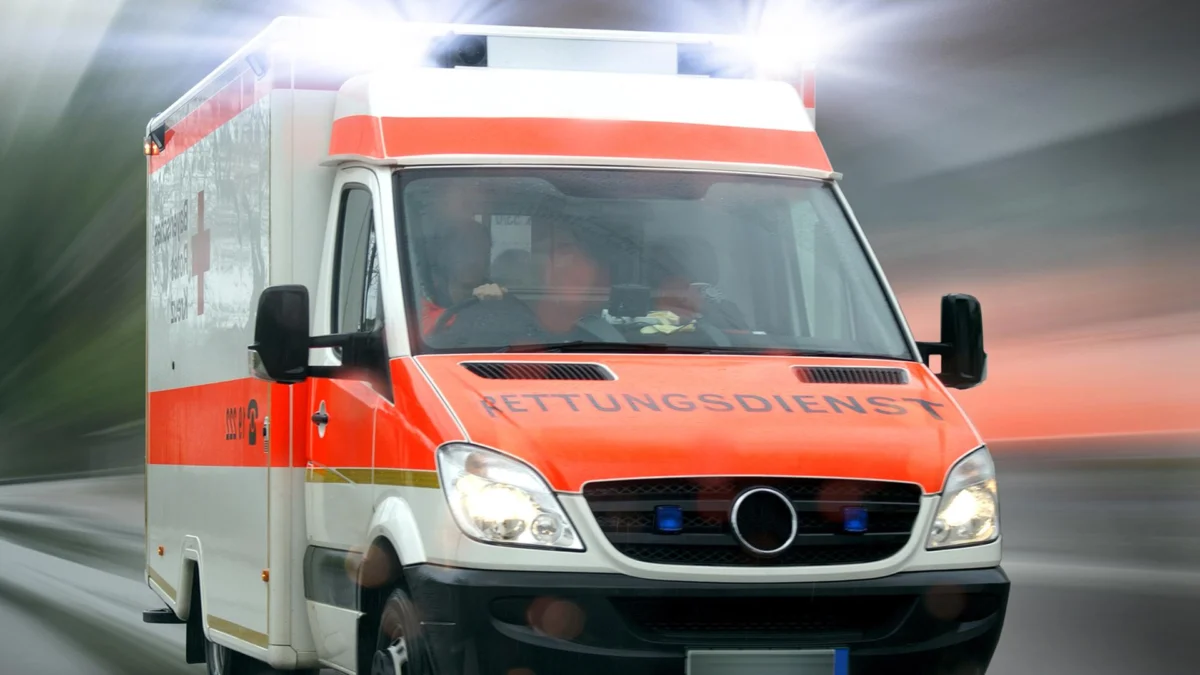
The escalating conflict continued to claim lives. Toter und Verletzte nach russischem Angriff auf Charkiw (Dead and injured after Russian attack on Kharkiv) confirmed at least one fatality alongside the previously reported injuries, with rescue efforts underway to recover the body from the rubble of a two-story residential building. Separately, Tote durch russischen Beschuss in Kramatorsk (Deaths due to Russian shelling in Kramatorsk) reported at least two people killed and six injured in the frontline city, which was hit at least twice.
June 21, 2026 (Reports from previous day/week):
AKW Saporischschja zum 20. Mal ohne externe Stromversorgung (Zaporizhzhia NPP without external power supply for the 20th time). The IAEA reported a problem with internal power lines affecting the Ferosplavna-1 connection, prompting the activation of emergency diesel generators.
Angriff auf Raffinerie im westsibirischen Tjumen abgewehrt (Attack on refinery in West Siberian Tyumen repelled). Russian forces claimed to have thwarted a drone attack on an oil refinery in Tyumen Oblast. No damage to the refinery or casualties were reported.
Ukraine greift Eisenbahnbrücken auf russisch besetzter Krim an (Ukraine attacks railway bridges in Russian-occupied Crimea). The Ukrainian General Staff announced attacks on railway bridges in Rozdolne and Vladyslavivka, emphasizing their role in Russian military logistics.
Ein Toter bei russischem Angriff auf zivile Handelsschiffe (One dead in Russian attack on civilian merchant ships). Ukrainian authorities reported a Russian drone attack on two civilian merchant ships in the Black Sea, resulting in one death (Panamanian flag) and several injuries (Panamanian and St. Kitts and Nevis flags).
Russland: Achtjährige bei ukrainischem Angriff auf Moskau getötet (Russia: Eight-year-old killed in Ukrainian attack on Moscow). Russian Governor Andrei Vorobyov stated an 8-year-old girl died in a fire caused by a Ukrainian drone attack in Zhukovsky (Moscow region) on Thursday. Sixteen others were injured, and 18 residential blocks damaged. Ukraine claimed this was a retaliation for a Russian attack earlier that week.
Official Statements and Warnings, June 21, 2026:
Selenskyj warnt vor massiven russischen Angriffen (Zelensky warns of massive Russian attacks). In his evening video address, President Zelensky urged citizens to "take good care of yourselves," citing recent attacks on Dnipro and Zaporizhzhia as precursors to new nightly assaults. He reiterated that Russia shows no sign of ending the war despite "concrete formats and realistic possibilities" for peace proposals, urging Vladimir Putin to choose diplomacy. Kyiv’s offer for direct, honest talks between Ukraine and Russia, supported by partners, remains on the table.
In a related warning, Selenskyj fordert Abzug russischer Militärtechnik aus Belarus (Zelensky demands withdrawal of Russian military equipment from Belarus). He issued a one-week ultimatum to Alexander Lukashenko to remove Russian signal relay stations from two Belarusian border regions, threatening "military steps" if his demand is not met.
On the larger geopolitical stage, Selenskyj bezeichnet ukrainische Armee als faktisch "zweitstärkste Armee der Nato" (Zelensky describes Ukrainian army as de facto "second strongest army in NATO"). He asserted that Ukraine’s military capabilities, honed in defense against Russia, put it on par with the world’s second-strongest army, arguing that NATO "needs us de jure." He also reiterated his demand for Selenskyj will beschleunigten EU-Beitritt der Ukraine (Zelensky wants accelerated EU accession of Ukraine), stressing that Europe’s future of freedom, unity, and peace is being decided in Ukraine’s defense. This comes as the EU has opened the first negotiation chapter with Ukraine and Moldova, though Germany has previously advocated for associated membership as an intermediate step.
Russian Official Responses:
Russland akzeptiert keine Ultimaten (Russia accepts no ultimatums). Kremlin spokesman Dmitry Peskov declared Russia’s readiness for dialogue but firmly rejected any ultimatums, calling Europeans "either stupid or incompetent" for believing they could negotiate from a position of strength. He affirmed that Russia would continue its air attacks on Ukraine, stating that Ukraine’s current policy is not conducive to negotiations.
Concurring, Lawrow sieht in EU keinen geeigneten Verhandlungspartner (Lavrov sees EU as unsuitable negotiation partner). Russian Foreign Minister Sergey Lavrov argued that the EU’s true objective is not to negotiate peace but to "save the government of Ukrainian President Volodymyr Zelenskyy and maintain the neighboring country as a starting point for continued confrontation with Russia."
Other Key Statements:
Pistorius: Keine konkreten US-Pläne für Abzug aus Deutschland (Pistorius: No concrete US plans for withdrawal from Germany). German Defense Minister Boris Pistorius reported that US Defense Secretary Pete Hegseth had only announced a "roadmap for reviewing forces in Europe" at a NATO meeting, without presenting concrete plans for troop withdrawals from Germany. Pistorius emphasized the importance of avoiding capability gaps within NATO.
Supporting Data and Context
The recent events must be understood within the broader context of the ongoing full-scale invasion, which has tragically stretched into its fifth year.
Kharkiv’s Enduring Ordeal: Kharkiv, Ukraine’s second-largest city, is strategically located just kilometers from the Russian border. Its proximity has made it one of the most frequently targeted cities, enduring immense destruction and continuous bombardment since the war’s outset. The use of glide bombs, which can be launched from a distance, allows Russian forces to inflict widespread damage while minimizing risk to their aircraft, exacerbating the humanitarian crisis in the city.
The Peril of Zaporizhzhia NPP: The repeated loss of external power at the Zaporizhzhia Nuclear Power Plant is a critical safety concern. The IAEA has consistently warned that reliable external power is essential for cooling the reactors and spent fuel, preventing a potential meltdown. The plant, seized by Russia in March 2022, remains on the front lines, making it vulnerable to military action and infrastructure damage. The 20th power loss underscores the urgent need for a demilitarized zone around the facility, a call repeatedly made by the IAEA and international community.

The UPA Controversy and Polish-Ukrainian Relations: The dispute over the Ukrainian Insurgent Army (UPA) highlights deep-seated historical grievances between Poland and Ukraine. The UPA, a nationalist paramilitary organization active during World War II, is revered by some Ukrainians as freedom fighters against Soviet and Nazi occupation, but it is unequivocally condemned in Poland for its responsibility in the massacres of tens of thousands of Poles in Volhynia and Eastern Galicia. President Zelensky’s decision to name a military unit after UPA, and the subsequent reaction from Polish President Nawrocki, underscores the fragility of historical reconciliation, even as Poland remains a staunch ally of Ukraine against Russia. This rift, while symbolic, risks undermining the crucial unity required to counter Russian aggression.
Tyumen Refinery’s Strategic Importance: The targeted oil refinery in Tyumen Oblast, over 2,500 kilometers from Ukraine, is a significant component of Russia’s energy infrastructure. Tyumen is one of Russia’s most vital oil and gas producing regions, and the refinery itself is considered one of the most modern in the country, with an estimated capacity of eight million tons per year. A successful strike on such a distant and important target would represent a significant escalation in Ukraine’s ability to project power deep into Russian territory and disrupt its economic capacity to wage war.
Ukraine’s NATO Aspirations and Military Strength: President Zelensky’s assertion that the Ukrainian army is "de facto the second strongest in NATO" reflects the profound transformation of Ukraine’s military since 2022. Having gained extensive combat experience against a major global power, and equipped with significant Western aid, Ukraine’s forces have indeed demonstrated remarkable resilience and capability. His argument for "de jure" NATO membership on this basis is a powerful plea for accelerated integration, though the alliance remains cautious about admitting a country actively at war, citing Article 5 implications.

Official Responses and International Reactions
The flurry of events has elicited strong responses from key players, revealing both unity and discord.
From Ukraine:
President Zelensky’s public addresses have been consistent in their dual message: a stark warning of continued Russian aggression and a steadfast call for international support and a just peace. His offer for direct talks with Putin, supported by partners, emphasizes Ukraine’s desire for a diplomatic resolution, provided it respects Ukrainian sovereignty and territorial integrity. The ultimatum to Belarus highlights Ukraine’s increasing concern over its northern neighbor’s role as a staging ground for Russian operations. The return of the Polish order, while regrettable for bilateral relations, underscores Ukraine’s internal sensitivities regarding historical narratives and its own national heroes.
From Russia:
The Kremlin’s response, articulated by Dmitry Peskov and Sergey Lavrov, dismisses the possibility of negotiations under perceived "ultimatums." This stance reinforces Russia’s narrative that it will only engage in dialogue from a position of strength and on its own terms, rejecting any peace proposals that do not align with its objectives. Lavrov’s criticism of the EU as an unsuitable negotiating partner further indicates Russia’s distrust of Western intentions and its preference for bilateral engagement where it can dictate terms. The continuation of air attacks, as stated by Peskov, signals an unwavering commitment to military pressure.

From the European Union:
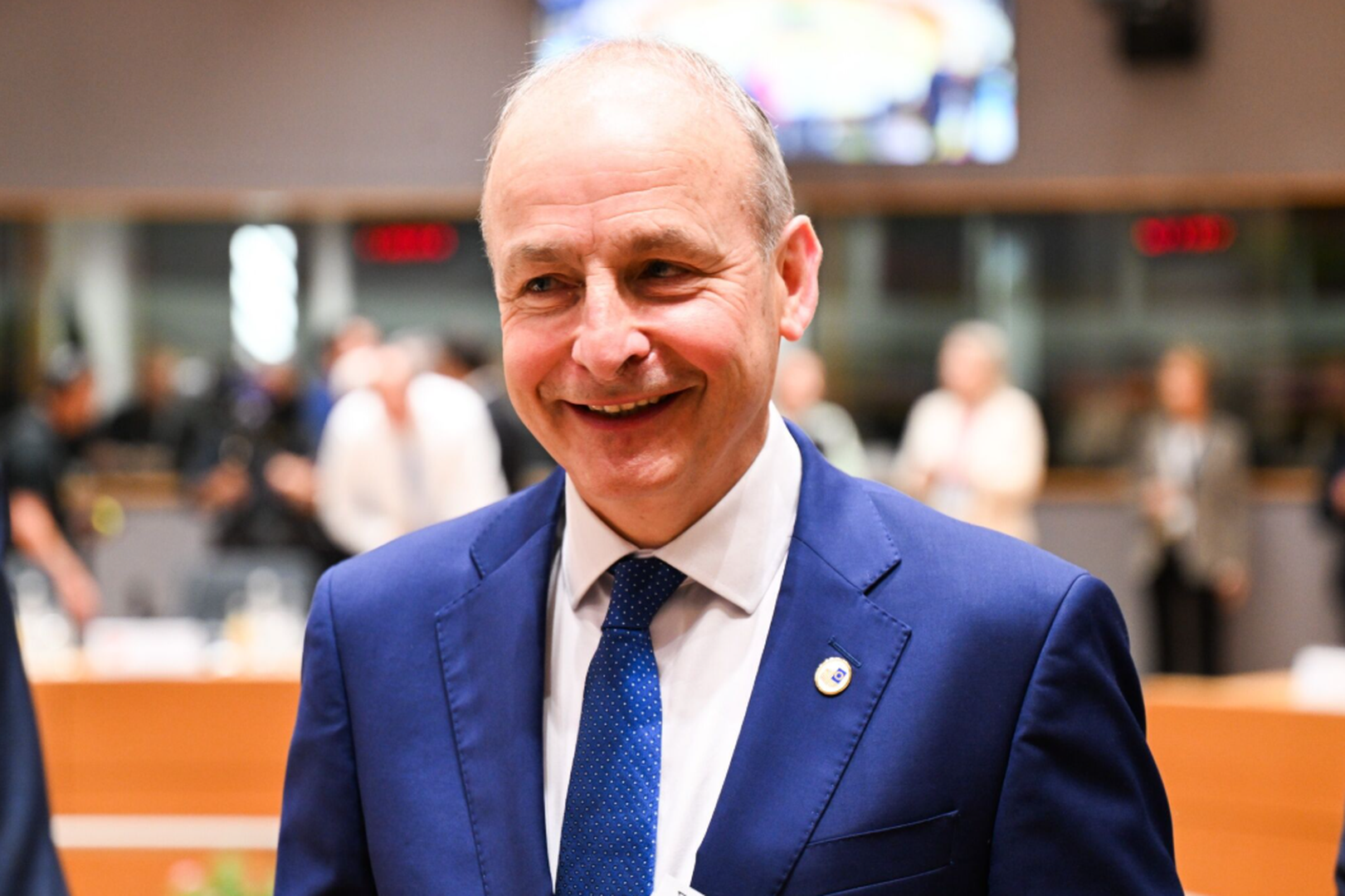
The EU’s collective statement from the summit, emphasizing its "key role" in a future solution and demanding an "unconditional and immediate ceasefire," represents a unified diplomatic front. However, the internal "heated debate" over Antonio Costa’s contacts with Moscow exposed underlying divisions among member states. While some, like Irish Prime Minister Micheál Martin, expressed trust in Costa’s initiative to open communication channels, others, notably Latvian Prime Minister Andris Kulbergs, cautioned against individual countries or EU officials acting unilaterally without a clear mandate, fearing it could undermine collective EU strategy. The decision to extend sanctions for 12 months, despite Bulgaria’s attempted veto, demonstrates the EU’s long-term commitment to punitive measures against Russia.
From Poland:
Poland’s strong reaction to the UPA issue, leading to the withdrawal of a high honor from President Zelensky, underscores the profound historical sensitivities that persist between the two nations. While Polish officials, including President Nawrocki, affirmed continued support for Ukraine’s defense, the symbolic gesture highlights a domestic imperative to address historical injustices. Foreign Minister Radosław Sikorski’s