Washington D.C., October 23, 2026 – Ukraine has reportedly regained full access to Starlink satellite internet services, a critical lifeline for its military operations, following a period of unexplained throttling. The announcement came from US President Donald Trump, who told journalists in Washington that SpaceX CEO Elon Musk had lifted the restrictions. Trump, however, remained noncommittal when asked if he had personally discussed the matter with Musk. This development follows a period of intense scrutiny from US lawmakers and concerns voiced by Ukrainian President Volodymyr Zelenskyy regarding the service’s reliability and suspected political interference.
The Starlink service, provided by Elon Musk’s SpaceX, has been indispensable for Ukrainian forces since the early days of the full-scale Russian invasion, offering resilient and high-speed internet connectivity in areas where traditional infrastructure has been destroyed or is otherwise unavailable. Its importance extends from front-line communications and intelligence gathering to the command and control of critical drone operations. The recent disruption and subsequent restoration underscore the growing complexities and vulnerabilities associated with private sector involvement in modern warfare.
Main Facts: A Critical Lifeline Restored
The immediate news of Starlink’s full restoration was delivered by US President Donald Trump, who stated unequivocally that Ukraine now has complete access to the satellite service. Speaking to reporters, Trump credited SpaceX founder Elon Musk with the decision to remove the previously imposed bandwidth limitations. "Musk has lifted the throttling," Trump affirmed, though he notably declined to specify whether this resolution was a direct result of his personal intervention or communication with the tech billionaire. This announcement brings a temporary reprieve to Ukraine’s military, which relies heavily on Starlink for maintaining operational superiority and defensive capabilities against ongoing Russian aggression.
The restoration follows weeks of heightened concern and political maneuvering. Ukrainian military officials had privately reported slowdowns and service degradation, impacting their ability to conduct time-sensitive operations. These unofficial reports were substantiated by President Zelenskyy himself, who publicly acknowledged issues with Starlink’s performance and hinted at underlying political motivations for the disruptions. The critical nature of Starlink to Ukraine’s defense has propelled this issue onto the international stage, drawing the attention of US senators who subsequently launched investigations into the reasons behind the service restrictions. While an official confirmation from Kyiv regarding the full restoration remains pending, reports from Ukrainian military sources suggest a tangible improvement in service speed, offering a glimmer of hope amidst the protracted conflict.
A Chronology of Connectivity Challenges
The journey of Starlink in Ukraine has been a testament to both technological innovation in conflict and the inherent complexities of relying on private enterprise for national security. From its lauded introduction to the recent controversy, Starlink’s role has been consistently central to Ukraine’s struggle for survival.
Starlink’s Emergence as a Battlefield Game-Changer
In the immediate aftermath of Russia’s full-scale invasion in February 2022, as traditional communication networks crumbled under sustained cyberattacks and physical destruction, Ukraine faced a severe connectivity crisis. Recognizing the urgent need, Elon Musk’s SpaceX swiftly activated Starlink services in Ukraine. This rapid deployment, initially hailed as a humanitarian gesture and a technological marvel, provided Ukrainian forces and civilians with an unprecedented level of resilient internet access. Starlink terminals, easily deployable and operating independently of terrestrial infrastructure, quickly became ubiquitous on the front lines, in command centers, and in liberated territories.
Ukrainian officials, including President Zelenskyy and Vice Prime Minister Mykhailo Fedorov, lauded Starlink as a "game-changer." It enabled troops to coordinate movements, transmit vital intelligence, operate unmanned aerial vehicles (UAVs) for reconnaissance and attack, and maintain morale through communication with loved ones. Its low latency and high bandwidth offered a distinct advantage over traditional satellite communication systems, which often suffered from higher costs, slower speeds, and larger, less mobile equipment. For Ukraine, Starlink was not merely an internet service; it was an integral component of its resistance strategy, providing a decentralized and robust communication backbone that was difficult for Russian forces to jam or destroy.
The Unveiling of Service Restrictions
However, the honeymoon period for Starlink in Ukraine began to show cracks. In recent weeks, whispers and then outright complaints emerged from Ukrainian military ranks about unexplained degradations in Starlink service. These were not mere technical glitches but seemed to be systematic reductions in bandwidth or geographic restrictions that severely hampered critical operations. The initial reports were informal, shared among front-line personnel, but soon reached higher echelons of command.
President Zelenskyy himself brought the issue into the public discourse, speaking of "problems" with Starlink’s deployment and, more pointedly, suggesting that "political motives" might be at play. While he did not explicitly accuse SpaceX or Elon Musk, his comments underscored the growing frustration and concern within Kyiv. Military representatives, speaking anonymously to various news outlets, corroborated these reports, detailing instances where Starlink’s reduced performance directly impacted drone reconnaissance, artillery targeting, and even the ability to coordinate defensive maneuvers against Russian missile and drone attacks. The timing of these disruptions, coinciding with intense phases of combat, raised serious questions about the potential impact on Ukraine’s ability to defend its territory and its citizens.
Congressional Scrutiny and Calls for Investigation
The concerns from Ukraine quickly reverberated through the halls of power in Washington D.C. US Senators, recognizing the strategic importance of Starlink to a key American ally, expressed alarm over the reported restrictions. Democratic Senator Richard Blumenthal took a leading role, initiating a formal investigation into the matter. He dispatched a strongly worded letter to key figures within the US administration, including Defense Secretary Hegseth, demanding immediate clarification on why Starlink and Starshield services had been curtailed for Ukrainian forces.
Blumenthal’s letter articulated grave concerns, asserting that "these service restrictions exposed Ukraine to Russian missile attacks that their forces could not repel quickly enough." This statement highlighted the direct, potentially lethal consequences of such disruptions on the battlefield. He argued that the incident raised "urgent questions" about the nature of the relationship between private companies providing critical services and national security interests during wartime. Not to be outdone, Republican Senator Thom Tillis echoed these demands, emphasizing the bipartisan concern over the issue and the need for full transparency. The unified call from both sides of the political aisle underscored the gravity of the situation and the perceived threat to US foreign policy objectives in supporting Ukraine.
The Restoration: A Presidential Announcement
Amidst this backdrop of controversy and congressional inquiry, the announcement of Starlink’s full restoration arrived from an unexpected quarter: US President Donald Trump. His declaration before journalists in Washington on October 23, 2026, was succinct yet impactful: "Ukraine has full access to Starlink satellite service again." He attributed the lifting of restrictions directly to Elon Musk, implying a direct action by the SpaceX CEO. However, when pressed on whether he had personally engaged with Musk regarding the matter, Trump offered a deliberately vague response, leaving open the question of the exact nature of the communication, if any, that led to this resolution. This ambiguity, while characteristic of the former president’s public statements, added another layer of intrigue to an already complex situation, leaving observers to speculate about the behind-the-scenes negotiations or pressures that might have led to Musk’s decision.
On-the-Ground Confirmation: Reports of Increased Speeds
While an official, public statement from Kyiv confirming the full restoration remains elusive, anecdotal and media reports suggest that the situation on the ground has indeed improved significantly. The Wall Street Journal, citing multiple Ukrainian military officials, reported a noticeable increase in Starlink speeds across various operational areas. These accounts from the front lines serve as the most concrete evidence so far that the service degradation has been reversed, allowing Ukrainian forces to resume operations with their full communication capabilities. The lack of an official statement from the Ukrainian government could be attributed to operational security concerns or a desire to avoid publicly acknowledging vulnerabilities that might be exploited by adversaries. Nevertheless, the reports of improved performance offer a tangible sign that the critical digital lifeline has been re-established, at least for now.
Supporting Data: The Intricate Role of Starlink in Modern Warfare
Starlink’s journey in Ukraine has illuminated the profound and multifaceted impact of advanced satellite internet on modern military conflicts. Its applications extend far beyond simple communication, embedding it deeply into the fabric of Ukraine’s defensive and offensive strategies.
Starlink’s Indispensable Military Applications
The versatility of Starlink terminals has made them indispensable to the Ukrainian armed forces. At its core, Starlink provides reliable, low-latency internet, which is crucial for maintaining command and control (C2) across a vast and dynamic battlefield. Commanders can communicate with units, issue orders, and receive real-time intelligence updates without relying on vulnerable terrestrial networks. This resilience is particularly vital in areas where infrastructure has been destroyed or is under constant threat of cyberattack and electronic warfare.
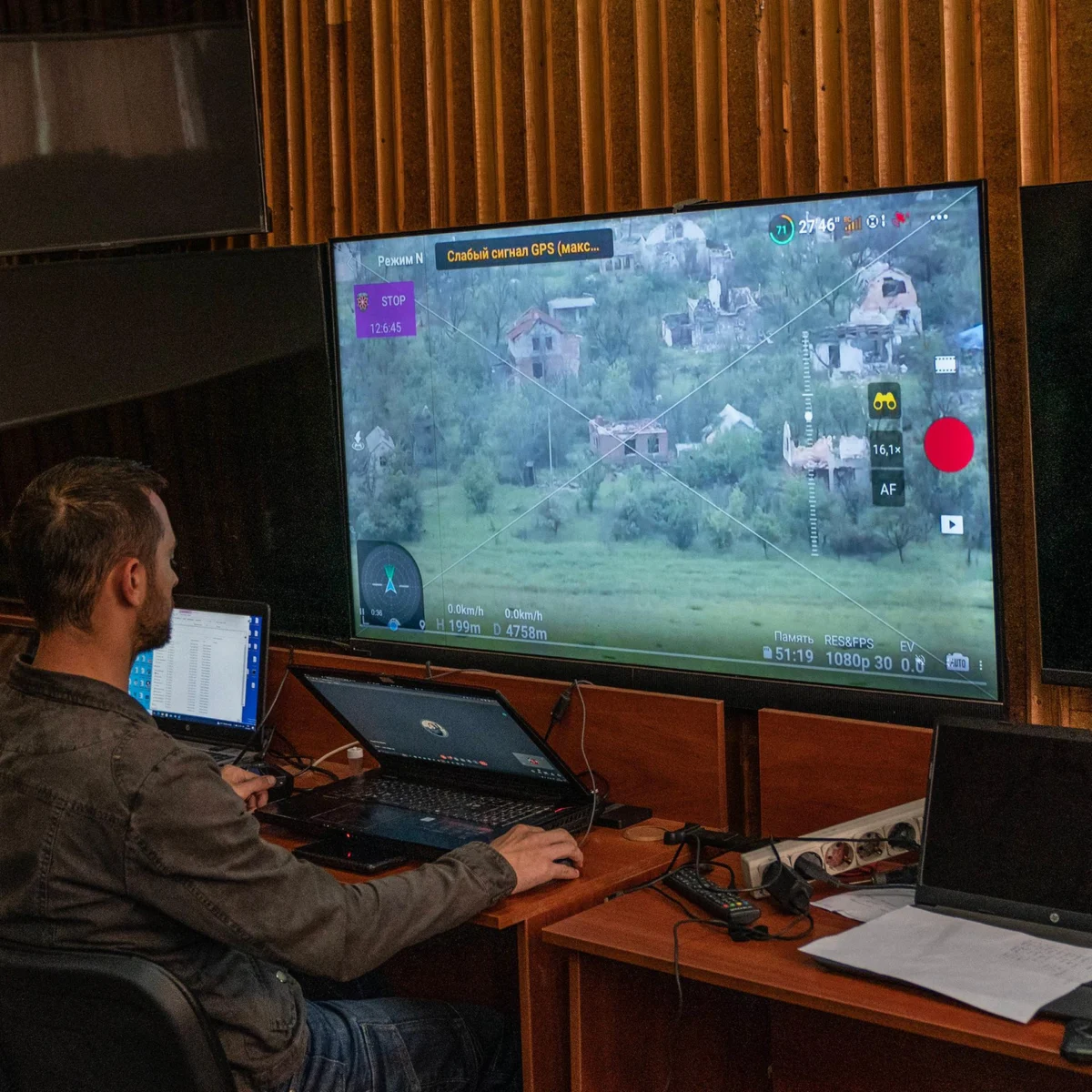
Beyond basic communication, Starlink facilitates the sophisticated deployment and operation of unmanned aerial vehicles (UAVs) – both reconnaissance drones and combat drones. Operators can receive high-definition video feeds, control drone movements, and even execute precision strikes from considerable distances, enhancing situational awareness and targeting accuracy. For interceptor drones, which are critical in Ukraine’s defense against Russian missile and drone attacks, instantaneous communication is paramount for swift identification and engagement. Starlink also supports intelligence gathering, enabling rapid transmission of imagery, signals intelligence, and open-source intelligence from the front lines to analysis centers. Its mobility allows units to maintain connectivity even when relocating, a distinct advantage over traditional, static communication hubs. In essence, Starlink provides a decentralized, robust, and adaptable communication infrastructure that has proven superior to many conventional military communication systems in the face of modern electronic warfare and physical destruction.
The Technicalities and Impact of Throttling
The reported throttling of Starlink services in Ukraine raises important questions about the technical means and operational consequences of such restrictions. Service throttling can be implemented in several ways:
- Bandwidth Caps: Reducing the maximum data transfer rate, leading to slower speeds for all users.
- Geographic Restrictions: Limiting service in specific areas, potentially preventing use in contested zones or for certain types of operations.
- Service Tier Downgrades: Altering the quality of service (QoS) for military users, prioritizing other traffic or reducing guarantees for critical applications.
- Application-Specific Blocks: Preventing access to certain protocols or applications, though this is harder to implement transparently.
For Ukrainian military operations, any form of throttling can have dire consequences. Slower speeds mean delays in receiving critical intelligence, lag in drone control, and reduced capacity for transmitting high-resolution imagery. In a fast-moving combat environment, even a few seconds of delay can be the difference between successfully intercepting an incoming missile or failing to coordinate a defensive maneuver. As Senator Blumenthal noted, such restrictions could leave Ukrainian forces "exposed to Russian missile attacks that their forces could not repel quickly enough." This highlights how a seemingly technical adjustment can directly translate into strategic vulnerabilities and increased casualties on the battlefield.
Elon Musk and SpaceX: A History of Influence and Controversy
Elon Musk and SpaceX’s involvement in Ukraine has been marked by both unprecedented support and significant controversy, underscoring the immense power wielded by a single private entity in a geopolitical conflict. From the outset, Musk’s decision to provide Starlink was lauded as a decisive intervention. However, as the conflict evolved, so did SpaceX’s policies.
There have been previous instances where Musk’s actions or statements generated debate:
- Offensive Drone Use: SpaceX reportedly restricted Starlink’s use for offensive drone operations, citing concerns about it being weaponized beyond its intended defensive and communication purposes. This move was met with frustration from some Ukrainian officials who saw it as limiting their strategic options.
- Funding Concerns: Early in the conflict, Musk publicly stated that SpaceX could not continue funding Starlink in Ukraine indefinitely, suggesting the US government or other international bodies should step in. This prompted a temporary crisis of confidence before solutions were found, including significant US government subsidies.
- "Peace Plan" Proposals: Musk has also weighed in on the geopolitical aspects of the conflict, proposing controversial "peace plans" that were widely criticized by Ukrainian officials and their allies as being overly favorable to Russia.
These incidents illustrate the unique position of Musk and SpaceX. As a private company, SpaceX is not bound by the same diplomatic or military protocols as nation-states, yet its technology is profoundly impactful. This creates a delicate balance, where the decisions of a corporate leader can directly influence the course of a major international conflict, raising questions about accountability, transparency, and the potential for a single individual’s ideology to shape global events.
The Broader Geopolitical Context: Private Sector in Public Conflict
The Starlink episode in Ukraine is a powerful illustration of a growing trend: the increasing reliance of state actors on private technology companies for critical infrastructure during times of conflict. This trend introduces a complex web of ethical dilemmas, regulatory gaps, and blurred lines between commercial interests and national security.
Traditionally, military communication and intelligence infrastructure were solely the domain of national governments. However, the rapid pace of technological innovation, particularly in areas like satellite internet and cybersecurity, has outstripped the capacity of many states to develop and maintain such systems internally. Consequently, private companies like SpaceX have become indispensable. This reliance, while offering agility and cutting-edge technology, also creates vulnerabilities. The decision to restrict or restore critical services can rest with a private CEO rather than elected officials or military commanders, raising questions about democratic oversight and accountability.
The incident also highlights the need for international frameworks or clear contractual agreements between governments and private entities providing dual-use technologies during conflicts. Without such guidelines, the potential for arbitrary decisions, political influence, or commercial pressures to undermine national security objectives remains a significant concern. The Starlink throttling serves as a stark reminder that in the digitally interconnected battlefield of the 21st century, private sector involvement is not merely a logistical convenience but a fundamental geopolitical factor.
Official Responses: Divergent Narratives and Unanswered Questions
The various official responses surrounding the Starlink controversy paint a picture of cautious optimism in Washington, continued ambiguity from Kyiv, and a telling silence from the private entity at the heart of the matter.
The White House Perspective: Trump’s Announcement and its Nuances
President Trump’s announcement was concise and focused on the positive outcome: "Ukraine has full access to Starlink satellite service again." His attribution of this resolution to Elon Musk was clear, positioning Musk as the individual responsible for lifting the restrictions. However, the deliberate ambiguity regarding whether he had personally discussed the matter with Musk is noteworthy. This could imply that the resolution was achieved through indirect channels, perhaps through intermediaries in the US government, or that Trump chose not to disclose the specifics of any direct engagement. The White House’s primary objective in making this announcement appears to be signaling a positive development for Ukraine and demonstrating continued US support, while potentially also taking credit for influencing a beneficial outcome. The emphasis on Musk’s individual decision highlights the unique leverage that the SpaceX CEO holds in this geopolitical context.
Kyiv’s Measured Reaction: Confirmation Awaited
In contrast to the definitive statement from Washington, Kyiv has maintained a more cautious and officially unconfirmed stance regarding the full restoration of Starlink services. While the Wall Street Journal reported, based on Ukrainian military officials, that speeds have increased, there has been no formal public announcement from President Zelenskyy or other high-ranking Ukrainian officials confirming the full and unrestricted return of service. This measured reaction could stem from several factors:
- Operational Security: Publicly acknowledging vulnerabilities or their resolution might provide Russia with intelligence about Ukrainian capabilities.
- Strategic Ambiguity: Maintaining a degree of public uncertainty about Starlink’s status could serve a strategic purpose.
- Verification: Kyiv might be awaiting comprehensive technical verification across all operational theaters before issuing a definitive statement.
- Political Prudence: After previously expressing concerns about "political motives," Kyiv might be treading carefully, perhaps to avoid escalating tensions with SpaceX or other actors.
President Zelenskyy’s earlier public comments about "problems" with Starlink and his suspicion of "political motives" underscore the deep concern that the previous throttling caused within Ukraine. The current silence, therefore, does not necessarily indicate a lack of improvement but rather a strategic decision to manage public communication carefully.
Congressional Demands: Bipartisan Push for Transparency
The response from the US Congress has been a rare display of bipartisan unity, with both Democratic and Republican senators demanding transparency and accountability regarding the Starlink restrictions. Senator Richard Blumenthal’s initiation of an investigation and his detailed letter to Defense Secretary Hegseth are central to this push. His concerns were not merely about the technical disruption but about the direct impact on Ukrainian lives and national security, stating that the incident "exposed Ukraine to Russian missile attacks that their forces could not repel quickly enough." The letter’s broad distribution, including to other relevant government officials, indicates a comprehensive effort to understand the full scope of the problem.
Republican Senator Thom Tillis’s similar demands for clarification further emphasize that this issue transcends partisan lines. Both senators recognized the critical importance of Starlink to US foreign policy objectives in Ukraine and the dangerous precedent set by a private entity potentially controlling vital military infrastructure without clear governmental oversight. Their collective call for answers highlights a growing congressional concern about the role of private tech companies in international conflicts and the need for clearer protocols and oversight mechanisms.
SpaceX’s Silence: A Strategic Absence of Comment
Perhaps the most conspicuous "response" has been the lack of any official statement or public comment from SpaceX or Elon Musk regarding President Trump’s announcement. While Trump attributed the lifting of restrictions directly to Musk, neither Musk nor SpaceX has publicly confirmed this, nor have they offered any explanation for the prior throttling. This strategic silence could be interpreted in several ways:
- Avoiding Political Entanglement: SpaceX may wish to avoid publicly confirming political interactions or taking sides in a highly sensitive geopolitical issue.
- Maintaining Flexibility: By remaining silent, SpaceX retains flexibility to adjust its policies without being bound by public commitments.
- Commercial Prudence: The company might prefer to operate with a degree of opacity regarding its military contracts and service provision in conflict zones.
This absence of direct comment from the company responsible for the service only adds to the intrigue and fuels speculation about the true nature of the events leading to both the restriction and its subsequent lifting. It also underscores the unique position of a private company whose operational decisions carry immense geopolitical weight.
The Pentagon’s Position: Addressing the National Security Implications
Defense Secretary Hegseth, as one of the recipients of Senator Blumenthal’s letter, is at the nexus of the US government’s official response. While specific details of the Pentagon’s internal investigation or official response to Blumenthal’s demands are not yet public, the Department of Defense (DoD) has a vested interest in ensuring the reliability and security of critical communication infrastructure for its allies. The incident raises broader questions for the DoD about its own reliance on commercial satellite services, the terms of such engagements, and the potential for similar vulnerabilities in future conflicts. The Pentagon’s focus would likely be on developing more robust frameworks for partnering with private technology providers to ensure national security interests are consistently met, even as it continues to support Ukraine’s defense capabilities.
Implications: Navigating the Future of Connectivity in Conflict
The Starlink throttling incident and its subsequent resolution carry profound implications for Ukraine, US foreign policy, and the broader landscape of modern warfare.
Immediate Impact on Ukraine’s Defensive Capabilities
The immediate restoration of full Starlink access provides a critical boost to Ukraine’s war effort. Militarily, it means:
- Enhanced Situational Awareness: Troops on the ground will once again have reliable access to real-time intelligence, high-resolution drone feeds, and updated battlefield maps, enabling more informed decision-making.
- Improved Command and Control: Commanders can maintain seamless communication with units, coordinate complex maneuvers, and respond rapidly to evolving threats, minimizing reaction times.
- Effective Drone Operations: The full functionality of reconnaissance, targeting, and interceptor drones will be restored, allowing Ukraine to effectively monitor Russian movements and defend against aerial attacks.
- Boosted Morale: Reliable communication is not just a logistical necessity; it’s a morale booster for soldiers on the front lines, reducing feelings of isolation and ensuring they can connect with their command and families.
While the immediate operational advantages are clear, the incident leaves a lingering question mark over the long-term reliability of a service controlled by a single private entity, potentially influencing future strategic planning in Kyiv.
Long-Term Consequences for US Policy and Private Sector Engagement
For the United States, the Starlink episode highlights the urgent need for a coherent policy framework governing the engagement of private technology companies in critical national security contexts. The reliance on SpaceX for a vital military service, and the subsequent disruption by the company itself, exposes a significant vulnerability. Future US foreign policy and defense strategies may need to consider:
- Contractual Safeguards: Implementing more stringent contracts with private providers that guarantee service continuity during conflicts, outlining penalties for arbitrary disruptions.
- Diversification: Encouraging the development and adoption of alternative communication technologies to reduce over-reliance on a single provider.
- Regulatory Oversight: Establishing clearer governmental oversight mechanisms for private companies providing dual-use technologies in conflict zones.
- Strategic Reserves: Potentially investing in a "strategic reserve" of critical communication capabilities that can be deployed independently of commercial whims.
The incident forces a re-evaluation of how the US balances its support for technological innovation with the imperative of national security and the stability of its alliances.
A Precedent for Future Conflicts?
The Starlink saga sets a powerful and potentially troubling precedent for future conflicts. It demonstrates that:
- Private Actors are Geopolitical Influencers: Individual corporate leaders and their companies can exert significant, even decisive, influence over the course of international conflicts, potentially bypassing traditional diplomatic and military channels.
- Technology as a Weapon/Tool of Influence: Advanced technology, even when provided with humanitarian intent, can become a leverage point or a weapon in the hands of its provider, with geopolitical consequences.
- The Blurring of Lines: The distinction between commercial enterprise, humanitarian aid, and military support becomes increasingly blurred, challenging existing international laws and norms.
This incident will likely prompt other nations to scrutinize their own reliance on foreign private technologies for critical infrastructure, potentially leading to increased investment in domestic capabilities or the development of international agreements to govern such services during wartime.
Resilience and Vulnerability in a Digitally Interconnected Battlefield
The episode serves as a stark lesson in the inherent resilience and simultaneous vulnerability of a digitally interconnected battlefield. While Starlink initially provided unprecedented resilience against traditional attacks, its central control by a single entity introduced a new vector of vulnerability. The incident underscores that:
- Centralized Control is a Single Point of Failure: Even highly distributed networks can be vulnerable if their core management is centralized and subject to the decisions of a single authority.
- Trust and Transparency are Paramount: In critical infrastructure, especially during conflict, trust in the provider and transparency in their operational policies are as important as the technology itself.
- The Human Element: The decisions of individuals, even those leading vast corporations, can have profound impacts on geopolitical outcomes, highlighting the need for robust governance and ethical considerations in the tech sector.
The Ongoing Conflict: A Reminder of Persistent Threats
Finally, the restoration of Starlink access must be viewed within the grim reality of the ongoing conflict. On the very day of President Trump’s announcement, Russian forces continued their brutal assault on Ukrainian territory. In the southeastern city of Zaporizhzhia, at least three people were killed in Russian attacks. Further west, in the Zhytomyr region, a residential building was struck by drones, injuring nine people. These events serve as a sobering reminder that while communication lifelines are critical, the conflict persists, and Ukraine continues to face daily threats to its sovereignty and its people. The reliable functioning of services like Starlink is not a luxury, but a fundamental requirement for Ukraine’s continued defense and its struggle for survival.