Kyiv, Ukraine / Washington D.C., USA – The protracted conflict in Ukraine has entered a phase of heightened complexity, marked by contradictory signals on peace prospects, a near-miss incident involving Ukrainian President Volodymyr Zelenskyy, and ongoing devastating Russian attacks. Former U.S. President Donald Trump, following a telephone conversation with Russian President Vladimir Putin, offered a bleak assessment of the conflict’s resolution, stating that Putin and Zelenskyy "hate each other," complicating any path to a ceasefire. This declaration comes amidst a flurry of diplomatic activity and a stark warning from a Pentagon official that the war could stretch on for years.
Meanwhile, a serious security breach saw President Zelenskyy’s aircraft narrowly avoid a drone strike en route to Oslo, underscoring the constant threat faced by Ukrainian leadership. On the ground, Russian forces have unleashed a barrage of attacks on Ukrainian cities, resulting in multiple fatalities and injuries, while Ukraine has responded with deep strikes into Russian territory. The international community continues its multifaceted response, with Germany bolstering Ukraine’s air defense capabilities and the European Union making an unprecedented move to fund the purchase of U.S.-made Patriot missiles. Economically, the war’s toll is mounting, with Ukraine facing rising inflation and Europe’s efforts to sever reliance on Russian energy experiencing setbacks.
The Shifting Sands of Diplomacy: Trump, Putin, and Zelenskyy
The diplomatic landscape surrounding the Ukraine war remains fraught with challenges, as key international players offer divergent views on the path to peace. Former U.S. President Donald Trump’s recent statements have injected a new layer of complexity, while European leaders express deep skepticism about Russia’s willingness to engage meaningfully.

Trump’s Perspective on Peace
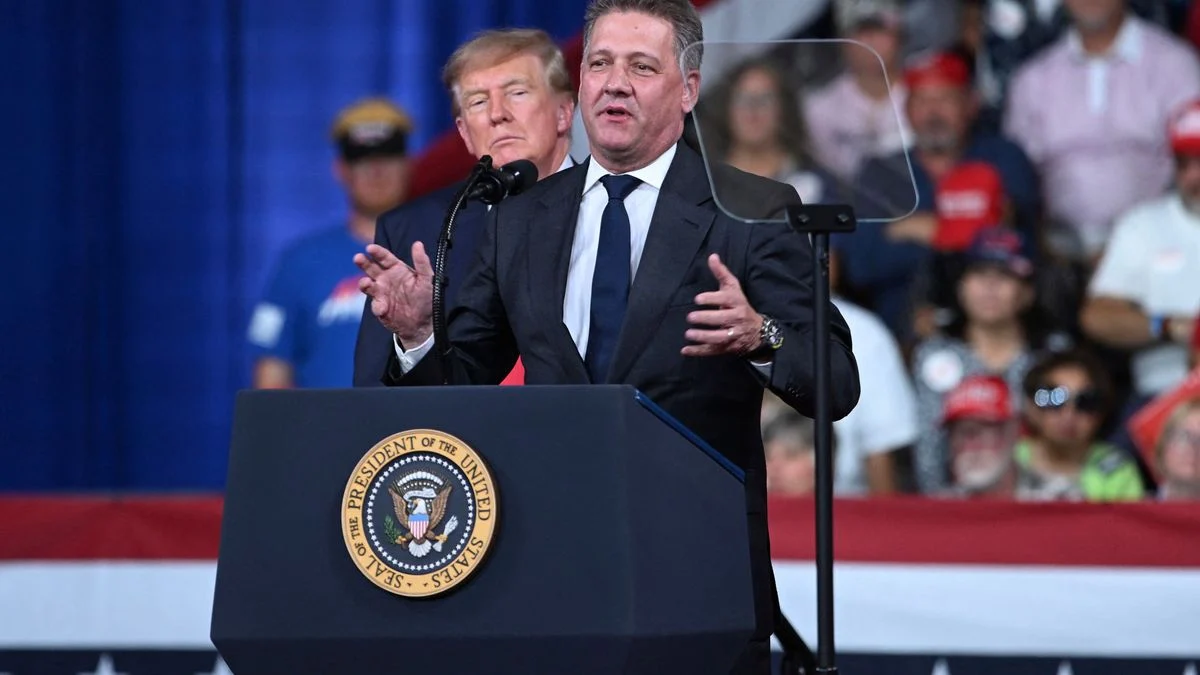
Following a direct telephone call with Russian President Vladimir Putin, Donald Trump, a prominent figure in the Republican Party and a potential future presidential candidate, presented a highly personal and somewhat pessimistic outlook on the conflict’s resolution. Speaking to journalists before departing for a Republican party congress in Dallas, Trump claimed, "We had a great conversation. He wants a deal." Referring to Putin, Trump asserted his belief that the Russian leader is ready for an agreement to end the Ukraine war. However, Trump quickly tempered this observation with a blunt assessment of the personal animosity between the warring leaders: "Putin and Zelenskyy hate each other." He added that if Ukrainian President Volodymyr Zelenskyy also desired an agreement, "that would be very nice." This framing suggests that personal antipathy, rather than geopolitical considerations alone, might be a significant impediment to peace in Trump’s view. His remarks came after U.S. envoys Jared Kushner and Steve Witkoff had visited both Kyiv and Moscow to explore avenues for de-escalation, indicating a renewed American effort to facilitate dialogue.
Kremlin’s Calculated Response
The Kremlin corroborated the phone call, with Putin’s foreign policy advisor, Yuri Ushakov, providing Russia’s narrative. Ushakov stated that Putin assured Trump that Russia harbored no "aggressive plans" concerning Europe, an assertion that runs contrary to widespread international concerns given Russia’s invasion of Ukraine. Furthermore, Ushakov claimed that Putin offered Trump an "objective and detailed analysis of the events on the battlefield" and outlined what the U.S. could "actually do for a swift end to hostilities." This suggests Russia is attempting to leverage direct communication with influential American figures to shape perceptions and perhaps influence U.S. policy, while maintaining its military objectives. The Kremlin also expressed hope for a prompt resumption of U.S.-mediated peace talks, welcoming Trump’s efforts and anticipating trilateral discussions involving Moscow, Washington, and Kyiv.
Zelenskyy’s Cautious Optimism and Frustration
Ukrainian President Volodymyr Zelenskyy, while expressing cautious optimism about the U.S. diplomatic initiatives, also voiced frustration with the broader international response. He positively assessed the "very good, meaningful" ideas presented by U.S. envoys Witkoff and Kushner during their visits, expressing hope for a direct meeting with Trump within two weeks. Zelenskyy indicated Ukraine’s readiness for compromise on issues such as grain exports and energy, signaling a degree of flexibility in potential negotiations. However, his optimism was shadowed by strong criticism of the West’s perceived "insufficient reaction" to daily Russian attacks on civilian targets. He urged the international community to exert more pressure on Moscow, particularly before the onset of winter, to prevent unpunished missile and drone terror.

European Skepticism
In contrast to Trump’s direct engagement and the Kremlin’s pronouncements, European leaders remained largely skeptical of Russia’s genuine readiness for peace. Friedrich Merz, a senior German politician and leader of the opposition CDU party, articulated this skepticism, stating, "At the moment, we see few signs that the Russian government, the Russian President, is ready to enter serious talks about an end to the war." Merz emphasized that Germany has been offering diplomatic solutions for months, but as long as Russia rejects calls for negotiations, the chances for peace remain slim. He reiterated Germany’s commitment to supporting Ukraine until a diplomatic solution is viable, asserting that this support aims not to prolong the war but to bring about its conclusion.
Escalation on the Ground: Russian Attacks and Ukrainian Resilience
Amidst the diplomatic overtures and counter-statements, the reality on the ground in Ukraine continues to be one of brutal conflict, marked by relentless Russian aggression and Ukrainian efforts to defend its territory and people.
Civilian Casualties Mount in Kyiv, Mykolaiv, and Kramatorsk
Russian forces have significantly intensified their aerial assaults, particularly targeting urban centers and civilian infrastructure. In the capital city of Kyiv, a series of attacks, including a drone strike on a multi-story residential building, tragically killed one woman and injured three other residents, including children. The toll in Kyiv later escalated, with reports confirming five fatalities and 35 injuries, and at least 14 high-rise buildings sustaining damage. A building housing the Ukrainian television channel "My – Ukraina" was also partially destroyed, injuring five journalists, an act President Zelenskyy condemned as a deliberate targeting of media. These attacks notably resumed shortly after the departure of the U.S. envoys, suggesting a deliberate Russian signal or a return to pre-diplomatic status quo.

The southern port city of Mykolaiv also bore the brunt of repeated Russian aggression, with at least two people killed and twelve injured. Official reports indicate that these attacks targeted port facilities and warehouses storing food supplies, raising concerns about humanitarian impact and global food security. While the Russian Defense Ministry acknowledged the use of drones and precision weapons, it maintained that only military depots were struck, a claim that could not be independently verified. Further east, in Kramatorsk, at least nine residents were injured after the city was hit by at least nine glide bombs, a weapon known for its destructive power.
Critical Infrastructure Targeted
Beyond direct civilian casualties, Russia’s strategy continues to involve the systematic targeting of critical infrastructure. Reports from the Sumy region in eastern Ukraine detailed an attack on a local train, where drones injured ten people and set the locomotive and a passenger carriage on fire. Earlier, a railway employee was killed in a drone attack on the route between Dnipro and Zaporizhzhia. These incidents highlight Russia’s intent to disrupt transportation networks, which are vital for both civilian life and military logistics. The Ukrainian Central Bank explicitly linked these attacks to rising inflation, noting that increased costs for businesses and logistics disruptions would elevate the inflation rate by 0.4 to 0.6 percentage points this year.
Long-Range Ukrainian Strikes Deep into Russia
Ukraine has demonstrated its capability to strike deep within Russian territory, challenging Moscow’s claims of control and security. Media reports, supported by Ukrainian agencies, indicated a drone attack on a gas condensation plant in Novy Urengoy, located in the Yamal-Nenets Autonomous Okrug in northern West Siberia. This target is situated over 3,000 kilometers from the Ukrainian border, showcasing the extended reach of Ukrainian drone capabilities. While the extent of the damage remained unconfirmed, the regional governor, Dmitry Artyukhov, acknowledged the drone attack and reported a fire caused by falling debris, though he claimed the incoming drones were shot down and the situation was "under control." Such strikes serve a dual purpose: disrupting Russian energy infrastructure and demonstrating Ukraine’s ability to retaliate beyond the immediate front lines.

The Near-Miss Incident with President Zelenskyy
A particularly alarming incident underscored the direct threat to Ukrainian leadership. Norwegian Prime Minister Jonas Gahr Støre revealed that President Zelenskyy’s plane was nearly struck by a drone while traveling from Moldova to Oslo for funeral ceremonies for the late King Harald V. Støre described the situation as "dramatic," noting that Zelenskyy had spent a restless night receiving updates on missile strikes in Ukraine. While details from Ukrainian authorities and Zelenskyy himself remained scarce, the U.S. think tank Institute for the Study of War (ISW) reported a Russian Shahed drone flying in Moldovan and Romanian airspace for about an hour on the same day, eventually crashing in Moldova. It remains unclear if this was the drone involved in the near-miss with Zelenskyy’s plane, but the incident highlights the pervasive and dangerous nature of the conflict, even for high-profile international travel.
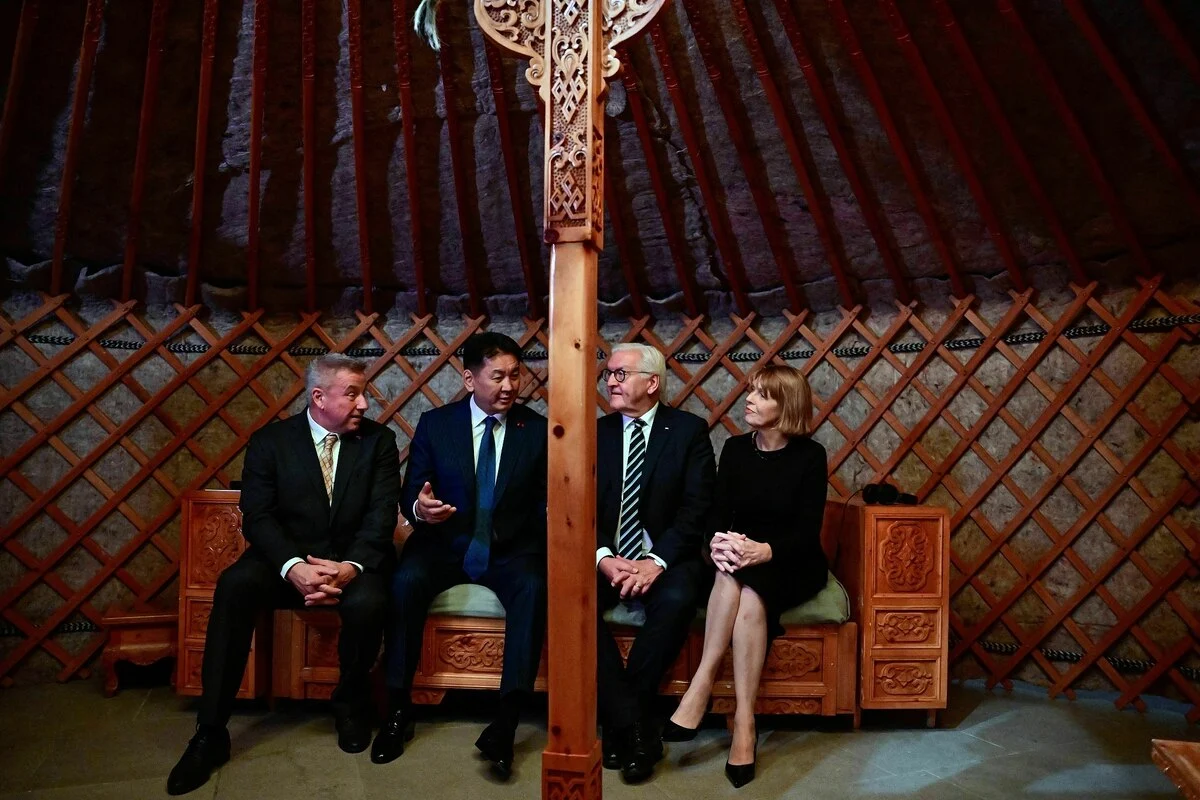
Even German Interior Minister Manuel Hagel (CDU) and his delegation experienced the immediate dangers of the war during a visit to Kyiv, having to seek shelter in a bunker during air raids and witnessing a drone being shot down overhead. Their train was also evacuated due to an air alarm near Kyiv’s main station, vividly illustrating the constant state of alert in the Ukrainian capital.
International Support and Defense Strategies
The international response to the conflict continues to focus on bolstering Ukraine’s defense capabilities and ensuring its long-term viability against Russian aggression, even as the prospect of a prolonged war looms.
Germany’s Commitment to Air Defense
Germany has reasserted its role as a leading supporter of Ukraine, particularly in strengthening its air defense ahead of the impending winter, a season when Russian attacks on energy infrastructure are expected to intensify. Defense Minister Boris Pistorius announced further deliveries of urgently needed PAC-2 interceptor missiles for the Patriot system, as well as a significant number of AIM-9 air-to-air missiles from Bundeswehr stockpiles. Germany will also continue its ongoing deliveries of IRIS-T air defense systems, with Ukraine expected to order several thousand additional IRIS-T guided missiles to establish another production line. Furthermore, Germany is supporting the "City Dome" project to protect Ukrainian cities from drones and missiles and is financing the procurement of tens of thousands of long-range artillery rounds through a British consortium. Pistorius urged allies to review their own inventories, emphasizing, "If you are in doubt, decide for Ukraine."
Ukrainian Defense Minister Yevhenij Chmara acknowledged the effectiveness of drone defense but highlighted a critical shortage of PAC-3 Patriot missiles, which are more effective against ballistic missiles but are scarce due to high demand, including from the Middle East conflict, and nations holding back reserves for their own security.
EU Financial Aid for US-Made Patriots
In a significant policy shift, the European Union has approved the use of new financial aid to allow Ukraine to purchase American-made Patriot air defense missiles. EU Commission President Ursula von der Leyen announced that member states agreed to an exemption from the usual policy that prioritizes European defense goods. This decision will enable the rapid disbursement of an additional 3.2 billion Euros, explicitly aimed at helping Ukraine better protect its airspace from Russia’s "indiscriminate attacks." This initiative is part of the broader NATO-supported Purl Initiative, which facilitates the financing of U.S.-manufactured defense equipment for Ukraine by European allies and Canada. The funds are drawn from the current EU support loan for Ukraine, which provides up to 90 billion Euros until the end of 2027, crucial for sustaining Ukraine’s defense and preventing state bankruptcy.

Calls for Greater Economic Benefit for German Industry
As a major contributor to Ukraine’s defense, a senior German politician, Johann Wadephul (CDU), called for Ukraine to increase its orders from German armaments firms. He stated, "We are now the strongest supporter of Ukraine in terms of financial and military support. And it must naturally be the case that the German defense industry benefits from this." Wadephul indicated he had conveyed this message to President Zelenskyy during his last visit, expressing dissatisfaction with the current volume of orders placed with German defense companies and urging the Ukrainian government to rectify the situation. This highlights a growing domestic political and economic dimension to international aid, where contributing nations seek to ensure their industries benefit from the large-scale military procurement.
Warnings of a Protracted Conflict
The U.S. Department of Defense has issued a sober warning regarding the potential duration of the conflict. Elbridge Colby, a former high-ranking Pentagon official, stated during an online conference for Ukraine’s supporting nations that the war could "drag on for years." He cautioned that Russia could use this time to rebuild its military forces and strengthen its armaments industry. Colby stressed the need for allies to be prepared for a "prolonged conflict" and for Ukraine’s needs to persist "in the coming months and years," signaling the necessity of sustained, long-term international commitment.
Economic and Geopolitical Ripples
Beyond the direct military engagements, the Ukraine war continues to send significant economic and geopolitical ripples across Europe and beyond, impacting inflation, energy security, and international alliances.

Ukraine’s Inflationary Pressures
The intensified Russian aerial attacks are directly impacting Ukraine’s economy, particularly by fueling inflation. Volodymyr Lepushynsky, Deputy Governor of the National Bank of Ukraine, stated that the increased costs for businesses and disruptions to logistics, caused by attacks on enterprises, warehouses, logistics centers, and energy infrastructure, are projected to raise the inflation rate by 0.4 to 0.6 percentage points this year. The central bank already forecasts an inflation rate of approximately ten percent by the end of 2026. Lepushynsky warned that if the attacks persist or escalate, the economic costs would continue to rise. This economic strain further complicates Ukraine’s ability to fund its defense and recovery efforts, even with substantial international aid.
Europe’s Stalled Energy Independence
Europe’s ambitious efforts to reduce its reliance on Russian oil and natural gas appear to be faltering, according to an assessment by the European Court of Auditors (ECA). A report from the ECA indicated that these efforts are stalling at a time when gas storage levels are unusually low heading into winter, currently at 67% compared to 80% in the same period last year, according to Gas Infrastructure Europe data. While the EU Commission had initially allocated 300 billion Euros for the transition away from Russian energy, member states have only committed 54.3 billion Euros to date. The EU Commission countered, stating that European measures have accelerated renewable energy deployment and significantly reduced Russian gas imports, but acknowledged it would review the ECA’s recommendations. This situation underscores the immense challenge and cost of rapidly transitioning energy sources and the potential for renewed energy vulnerability in Europe.
Russia’s Strategic Alliances: Vietnam Oil Reserve
In a move signaling its efforts to forge new economic and strategic partnerships amid Western sanctions, Russia and Vietnam have announced plans to establish a strategic oil reserve in Vietnam. The state-owned Russian oil and gas giant Zarubezhneft and its Vietnamese counterpart, Petrovietnam, signed a framework agreement during Vietnamese President To Lam’s state visit to Russia. While specific timelines, scale, or financial details were not disclosed, Russian President Vladimir Putin confirmed that Russia proposed the idea to its partners, highlighting a mutual interest in energy security and bilateral economic cooperation. This initiative is part of Russia’s broader pivot towards Asia and other non-Western partners to mitigate the impact of international isolation.

Diplomatic Tensions: Hungary’s Expulsion of Russian Diplomats
Diplomatic tensions within Europe continue to simmer, as evidenced by Hungary’s decision to expel ten Russian diplomats. Hungary’s Foreign Ministry announced that these individuals had engaged in "activities unacceptable for diplomats according to the Vienna Convention." The move, aimed at protecting Hungary’s "security and sovereignty," does not, however, signify a complete break in diplomatic relations. The Ministry emphasized a desire to continue "necessary dialogue" based on mutual respect and adherence to rules. This action by Hungary, often seen as a more Russia-friendly EU member state, indicates that even within countries seeking a nuanced approach to Moscow, there are limits to tolerating perceived illicit activities.
Implications
The current developments paint a picture of a deeply entrenched conflict with no clear end in sight. Donald Trump’s assertion regarding the personal animosity between Putin and Zelenskyy, while speculative, highlights a fundamental barrier to direct peace negotiations. The skepticism expressed by German leadership further underscores the diplomatic deadlock, as Russia appears unwilling to genuinely engage in talks that do not align with its maximalist objectives.
Militarily, the war is intensifying, particularly through aerial attacks on civilian targets and critical infrastructure. The near-miss incident with President Zelenskyy and the direct experience of war by visiting dignitaries in Kyiv serve as stark reminders of the constant danger. Ukraine’s long-range strikes into Russia demonstrate its evolving capabilities and resolve to retaliate, potentially leading to further escalation.

The substantial military and financial aid from Germany, the EU, and other allies remains critical for Ukraine’s survival and its ability to defend against Russian aggression, especially as the winter approaches. However, warnings from the Pentagon about a multi-year conflict suggest that international support must be sustained over the long term, posing significant challenges for donor nations. Economically, Ukraine faces compounding difficulties from wartime destruction and inflation, while Europe’s energy independence remains a work in progress, subject to geopolitical shifts and strategic decisions. The forging of new alliances, such as the Russia-Vietnam energy partnership, and the continued diplomatic friction within Europe, as seen with Hungary’s expulsions, illustrate the broader geopolitical realignments triggered by the conflict. The path to peace remains elusive, overshadowed by deep-seated animosities, military realities, and complex international dynamics.